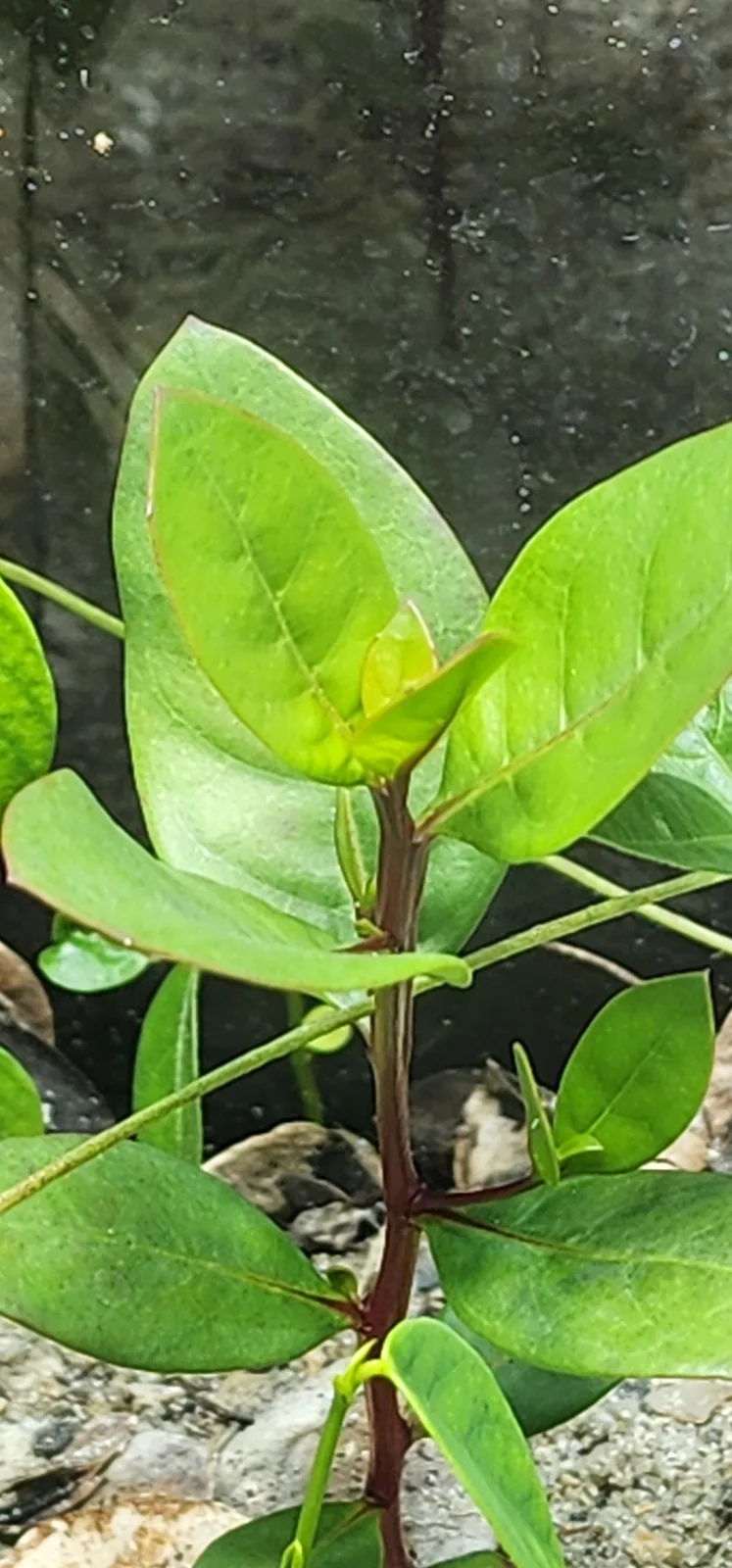
Dalbergia ecastaphyllum
Coinvine
A native coastal vine with distinctive round, coin-shaped seed pods, Coinvine is documented as a Mangrove Forest species in miniBIOTA but has no archived observation confirming its physical presence in the system.
Dalbergia ecastaphyllum
A native coastal vine with distinctive round, coin-shaped seed pods, Coinvine is documented as a Mangrove Forest species in miniBIOTA but has no archived observation confirming its physical presence in the system.
Dalbergia ecastaphyllum is a large woody vine or scrambling shrub native to tropical and subtropical coastal habitats throughout the Caribbean, Florida, Central America, South America, and West Africa. In Florida, it is found primarily in South Florida and the Florida Keys in coastal hammocks, mangrove fringe areas, and beach scrub. The plant is a member of the legume family (Fabaceae), and like most legumes can host nitrogen-fixing bacteria in root nodules, contributing to soil nitrogen in the coastal habitats it occupies.
The plant's most distinctive feature is its seed pod: a flat, round, indehiscent (non-splitting) pod approximately 2 to 4 centimeters in diameter, shaped like a coin or disc. This pod gives the plant its common names Coinvine and, in some sources, rosary tree (referring to the pod's bead-like shape when strung together). The leaves are large, simple, rounded, leathery, and alternate on the stem; the plant grows as a vine climbing into the canopy or as a multi-stemmed sprawling shrub depending on substrate and light. Flowers are small, white, and pea-shaped, produced in clusters.
Dalbergia ecastaphyllum is an important host plant for the Miami Blue butterfly (Cyclargus thomasi bethunebakeri), a critically endangered South Florida endemic. The butterfly lays eggs on Coinvine seedpods and flower buds, and larvae feed on the developing seeds and buds. This association makes Coinvine a species of conservation significance in Florida coastal habitats where the Miami Blue persists. Other Lepidoptera species also use Dalbergia ecastaphyllum as a larval host in its native range.
In mangrove and coastal hammock habitats, Coinvine contributes structure to the ecotone zone between the mangrove canopy and the upland scrub. Its large rounded leaves provide shade and humidity beneath, and the vine's climbing growth can integrate into mangrove canopy structure in mature stands.
As a leguminous vine, Dalbergia ecastaphyllum contributes photosynthetically produced biomass and potentially nitrogen-fixed nutrients to coastal habitats. Its flowers provide nectar to pollinators, and its seed pods are food resources for seed-feeding insects and potentially small mammals. The plant's structural presence as a vine climbing into the canopy creates additional above-ground layer complexity.
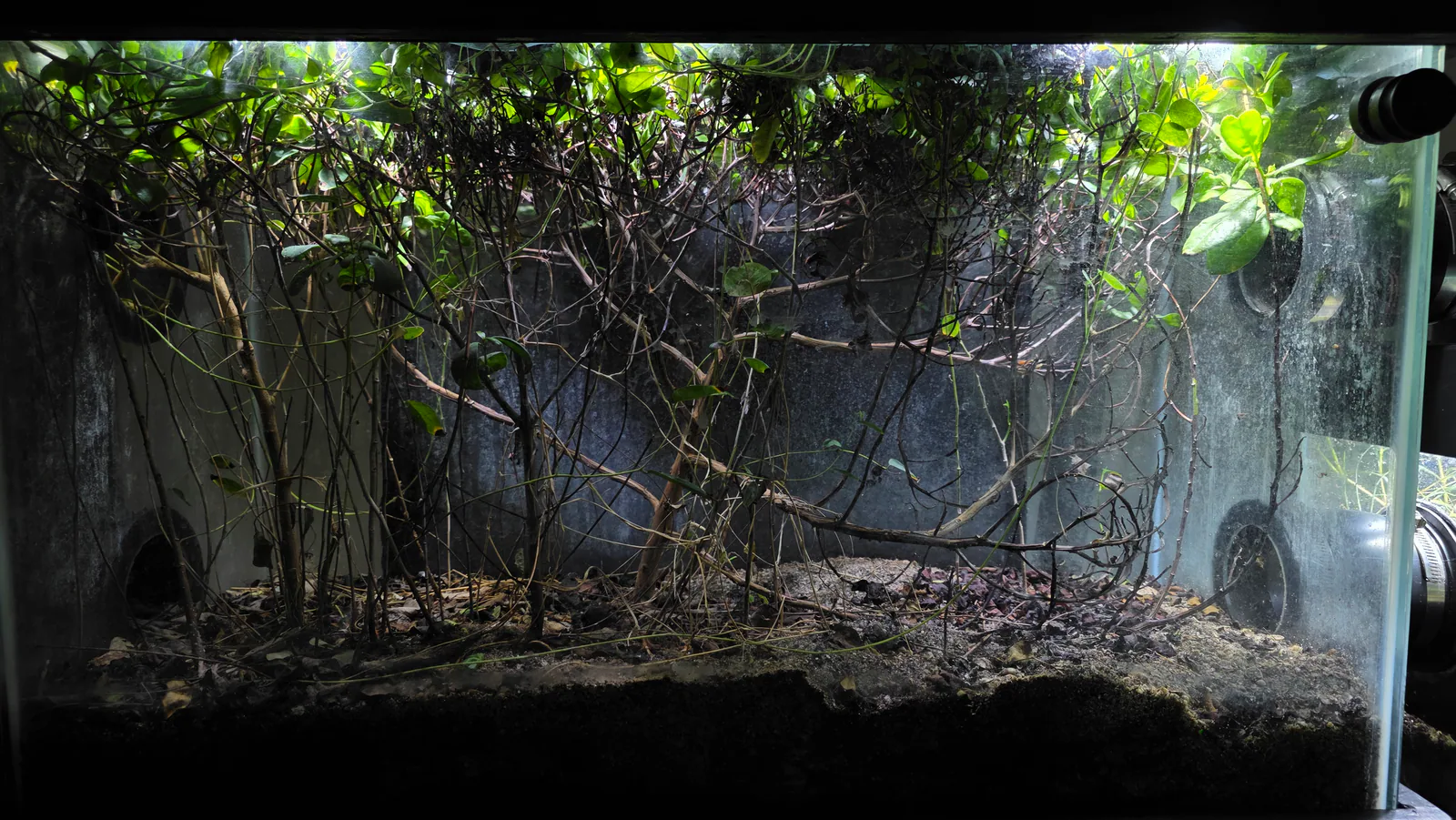
In miniBIOTA, Coinvine is assigned to the Mangrove Forest biome, which is ecologically appropriate; the plant naturally grows in mangrove fringe and coastal hammock habitats. No observation confirms whether it is physically present. If established, it could provide structural complexity and legume biomass at the Mangrove Forest ecotone. The Miami Blue butterfly host-plant relationship is not applicable to miniBIOTA (the butterfly is not a miniBIOTA species), but the plant's general pollinator value and legume nitrogen-fixing potential remain ecologically relevant.
No observation records or interaction records exist for this species. No introduction date, source, or method has been recorded. Coinvine is assigned to the Mangrove Forest biome, which is ecologically appropriate.
Introduction: No record. Date, method, and source all unknown.
Observation timeline: No archived observations.
No archived observation, interaction, or introduction record exists for this species. The species is documented in miniBIOTA with a Mangrove Forest biome assignment, which is ecologically appropriate for Dalbergia ecastaphyllum. Physical presence has not been confirmed from the archived evidence.
Dalbergia ecastaphyllum is a rooted photosynthetic producer in the legume family. It fixes carbon through photosynthesis and, as a legume, can host nitrogen-fixing bacteria in root nodules, contributing biologically available nitrogen to the soil. Its flowers provide nectar to pollinators and its seed pods are food resources for seed-feeding insects. No trophic interactions involving this species have been documented in miniBIOTA.
Tolerates salt spray and periodic saltwater exposure at coastal margins; adapted to sandy, well-drained coastal soils. Full sun to partial shade. Native to South Florida and tropical Caribbean coastal habitats.
Perennial woody vine or shrub with indefinite lifespan under suitable conditions. Produces flowers and flat, round, coin-shaped seed pods. Pods are indehiscent and seeds disperse via water currents in coastal and mangrove habitats. In miniBIOTA, no reproduction has been documented.
Dalbergia ecastaphyllum is a documented larval host for the Miami Blue butterfly (Cyclargus thomasi bethunebakeri), a critically endangered South Florida endemic; that butterfly is not part of miniBIOTA. Legume nitrogen-fixing root associations are ecologically relevant to coastal soil nutrition. No such associations have been documented in miniBIOTA.
Follow this species across the habitats where it currently appears in the miniBIOTA biosphere.