Mangrove Forest

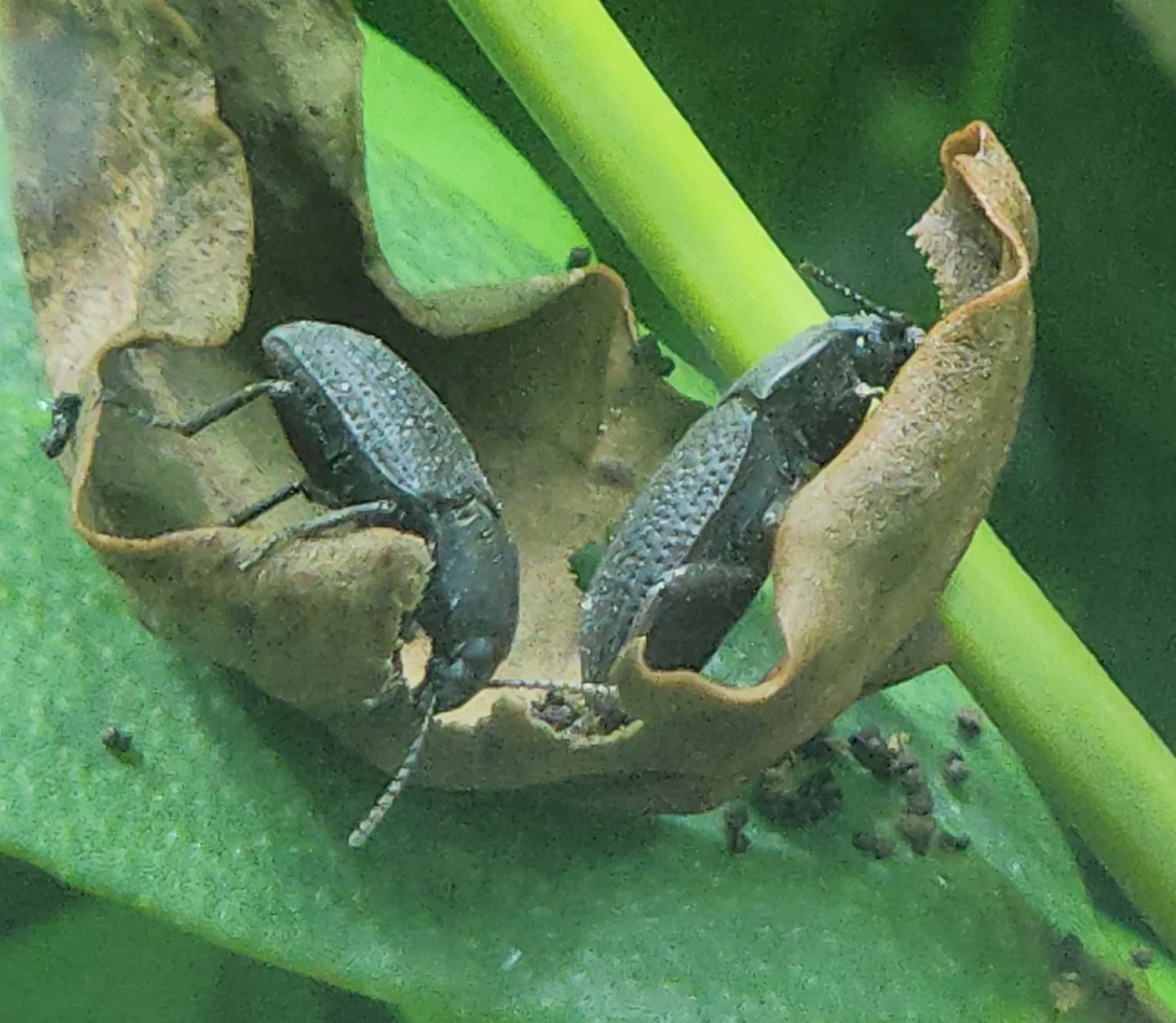
A salt-influenced terrestrial forest where red and black mangroves create a layered canopy above a shell-rich substrate worked by climbing crabs, cockroaches, spiders, scorpions, and ants at the boundary between the freshwater and marine sides of miniBIOTA.

Habitat
Salt-influenced terrestrial mangrove habitat.
Realm
Brackish / Mangrove

Overview

The Mangrove Forest is miniBIOTA's salt-influenced terrestrial biome at the marine edge. Red and Black Mangrove remain living structural plants; White Mangrove was designated Extirpated September 10, 2026 after prolonged signs of decline, with its actual loss date and cause unknown. Leaf litter, roots, shell-rich substrate, climbing animals, and detritivores define the forest floor. One Black Mangrove dominates the upper canopy and was observed producing two leafy shoots on a low branch September 24, 2026. Whether those shoots will add lasting middle-height cover remains unknown. Humic Marsh Crab, the long-established crab once mislabeled Mangrove Tree Crab, was removed August 11, 2026; true Mangrove Tree Crabs introduced in June have mostly foraged in Marine Shore.

What This Biome Is

Habitat Type and Global Context

Mangrove forests are salt-tolerant coastal forest communities dominated by mangrove trees: a convergent group of tree species from multiple families that have independently evolved adaptations for life in the intertidal zone. They occur in tropical and subtropical coastal zones globally, concentrated between 25 degrees North and 25 degrees South latitude. Globally, mangrove forests cover approximately 137,000 to 152,000 square kilometers and are among the most carbon-dense and biologically productive ecosystems on Earth.

The defining physical features of mangrove forests are their root architecture and their position at the land-sea interface. Mangrove roots hold the tree in soft, oxygen-poor sediment while providing complex three-dimensional habitat structure for invertebrates, juvenile fish, crabs, and climbing animals. The soil beneath a mangrove forest is typically anaerobic at depth, organic-rich, and capable of producing hydrogen sulfide during decomposition: a natural chemical signature of mangrove substrate.

Mangrove forests are the terrestrial side of a broader coastal productivity machine: they receive tidal inputs, export leaf litter and particulate matter into the adjacent water, and support a largely terrestrial food web of insects, crabs, spiders, scorpions, and birds that is quite different from the marine food web immediately adjacent to them.

Florida and Regional Relevance

Florida has the largest extent of mangrove forest in the continental United States, with approximately 469,000 acres concentrated along the Gulf Coast, the southern tip of the peninsula, the Florida Keys, and the Atlantic coast south of Cape Canaveral. Three species dominate Florida's mangrove forests, and all three are present in miniBIOTA's Mangrove Forest:

  • Red Mangrove (Rhizophora mangle): occupies the outermost, most water-adjacent zone; recognizable by arching prop roots that elevate the trunk above the water and sediment; drops pre-germinated propagules directly into the water; provides the most complex root habitat; primary perch and food source for the Mangrove Tree Crab
  • Black Mangrove (Avicennia germinans): occupies the mid-intertidal zone; produces pencil-like pneumatophores (vertical breathing roots) projecting upward from the sediment surface; highly salt-tolerant; leaves often coated in salt crystals excreted through leaf pores
  • White Mangrove (Laguncularia racemosa): occupies the highest, most landward zone; least salt-tolerant of the three; lacks visible prop roots or pneumatophores; tends to grow at the upper edge of the mangrove community

Florida mangroves are protected under state law and are important for coastal erosion control, hurricane buffering, carbon sequestration, and juvenile marine species habitat. Their coexistence with salt-tolerant invasive plants: particularly Brazilian Pepper (Schinus terebinthifolia), which is present in miniBIOTA's Mangrove Forest: is an active management concern across Florida.

Key Ecological Processes

Leaf litter production and detrital pathway: Mangroves produce large volumes of leaf litter: thick, waxy leaves that fall continuously and accumulate on the substrate. This leaf litter is the primary energy input for the Mangrove Forest food web and a key resource for detritivores. In Florida, mangrove leaf litter production in natural stands is estimated at 4 to 12 metric tons per hectare per year. In miniBIOTA, fallen leaf litter is fed upon by Mangrove Tree Crabs, cockroaches, isopods, and other detritivores.

Root structure habitat: Mangrove prop roots (Red Mangrove) and pneumatophores (Black Mangrove) create complex three-dimensional habitat that shelters climbing crabs, resting invertebrates, and small predators. In miniBIOTA, the root and branch structure is actively used by Mangrove Tree Crabs, spiders, and scorpions.

Terrestrial predator web: Unlike the marine biomes, the Mangrove Forest supports a terrestrial predator community: Hentz Striped Scorpion, Red House Spider, wolf spiders, Southern Black Widow, and ants all occupy the forest, preying on cockroaches, isopods, and other detritivores. This web is documented through juvenile and reproduction signals but has not been confirmed as a stable, balanced system.

Soil building: Organic accumulation from leaf litter, root material, and trapped sediment slowly builds the Mangrove Forest floor over time. The shell-rich substrate in miniBIOTA represents early-stage organic accumulation on a quartz and shell base.

Chemical boundary function: In natural settings, mangrove forests create a chemical gradient between freshwater and marine environments. The organic-rich, anaerobic substrate can produce hydrogen sulfide during decomposition, and water movement through the mangrove zone may carry chemical signals into adjacent habitats. In miniBIOTA, water movement from the Mangrove Forest toward the marine side has been noted as a potential H2S risk context; this has not been measured.

Physical Structure

The Mangrove Forest is defined by its vertical layering: a canopy of mangrove leaves and branches, a mid-level zone of roots, stems, and climbing vines, and a substrate of quartz sand mixed with crushed shell and accumulating organic material. The shell-rich substrate is less developed than the peat-rich soils of natural Florida mangrove forests, reflecting the relatively recent establishment of the biome. The forest is positioned between the Marine Shore (below, saltwater-adjacent) and the Prairie and Lakeshore (above and lateral, freshwater-adjacent), giving it a genuine spatial boundary role in the miniBIOTA layout.

Hydrologically, the Mangrove Forest sits on the marine side of the system and is the upper member of the marine-side subsurface hydraulic network (Mangrove Forest, Marine Shore, Seagrass Meadow). It receives direct rain from the atmosphere tank above it, and that rain drains downhill through the Marine Shore toward the Seagrass Meadow, not toward the freshwater Lakeshore and Lake. Within the marine network the lower connections are passive and bidirectional and equalize water level across the three biomes; the normal connected level sits roughly 7 inches below the terrestrial substrate. The Mangrove Forest sits at the same elevation as the Prairie and is joined to it by air and by a normally-dry emergent surface corridor, but is deliberately not joined to it below the substrate. That missing subsurface link is what isolates the marine and freshwater water networks and keeps the marine-side connected water level from propagating into the freshwater side. The Mangrove Forest is a spatial boundary between the two sides, not a hydraulic link.
Ecological Role in miniBIOTA

The Mangrove Forest is the primary terrestrial-side marine boundary in miniBIOTA. It occupies the position between the saltwater system (Seagrass Meadow, Marine Shore) and the freshwater and terrestrial systems (Freshwater Lake, Lakeshore, Prairie), functioning as a physical and biological interface zone. Mangrove Tree Crabs cross freely between the Mangrove Forest, Marine Shore, and Lakeshore, making the Mangrove Forest a corridor node for arboreal/climbing species.

As a detritus-processing zone, the Mangrove Forest receives its primary organic input from the mangrove trees themselves. Leaf litter, shed bark, and root material are broken down by a succession of detritivores (cockroaches, isopods, millipedes, worms, and crabs) before being further processed by microbial decomposition. This detrital pathway converts plant material into animal biomass and soil organic matter.

As a predator node, the Mangrove Forest hosts miniBIOTA's most complex confirmed predator-prey food web on the terrestrial side: scorpions, spiders, and ants preying on cockroaches, isopods, and other invertebrates. The predator community is documented through reproduction and lineage signals but has not been assessed as a stable or dominant population.

Key Species and Functional Groups

Primary Producers

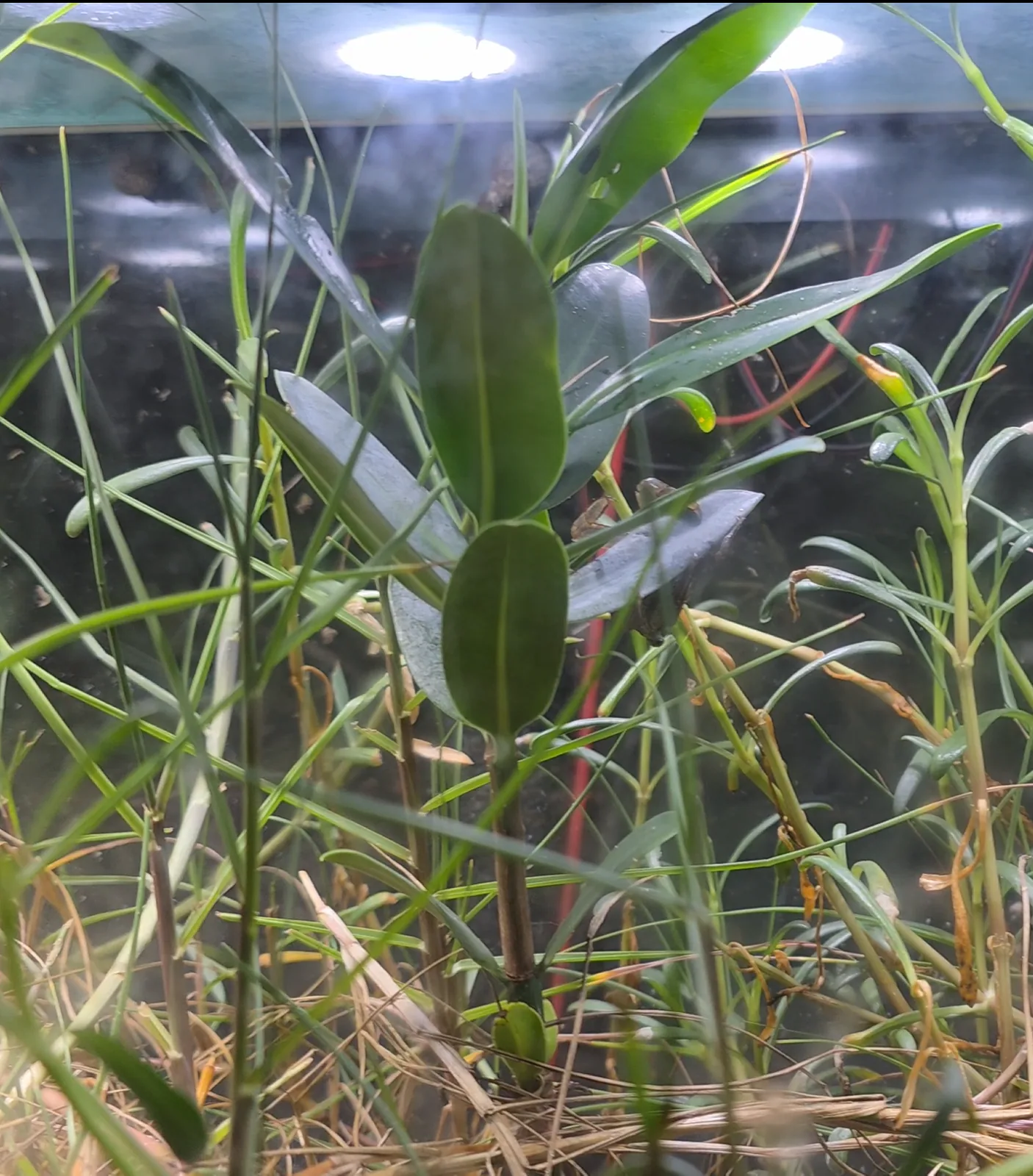
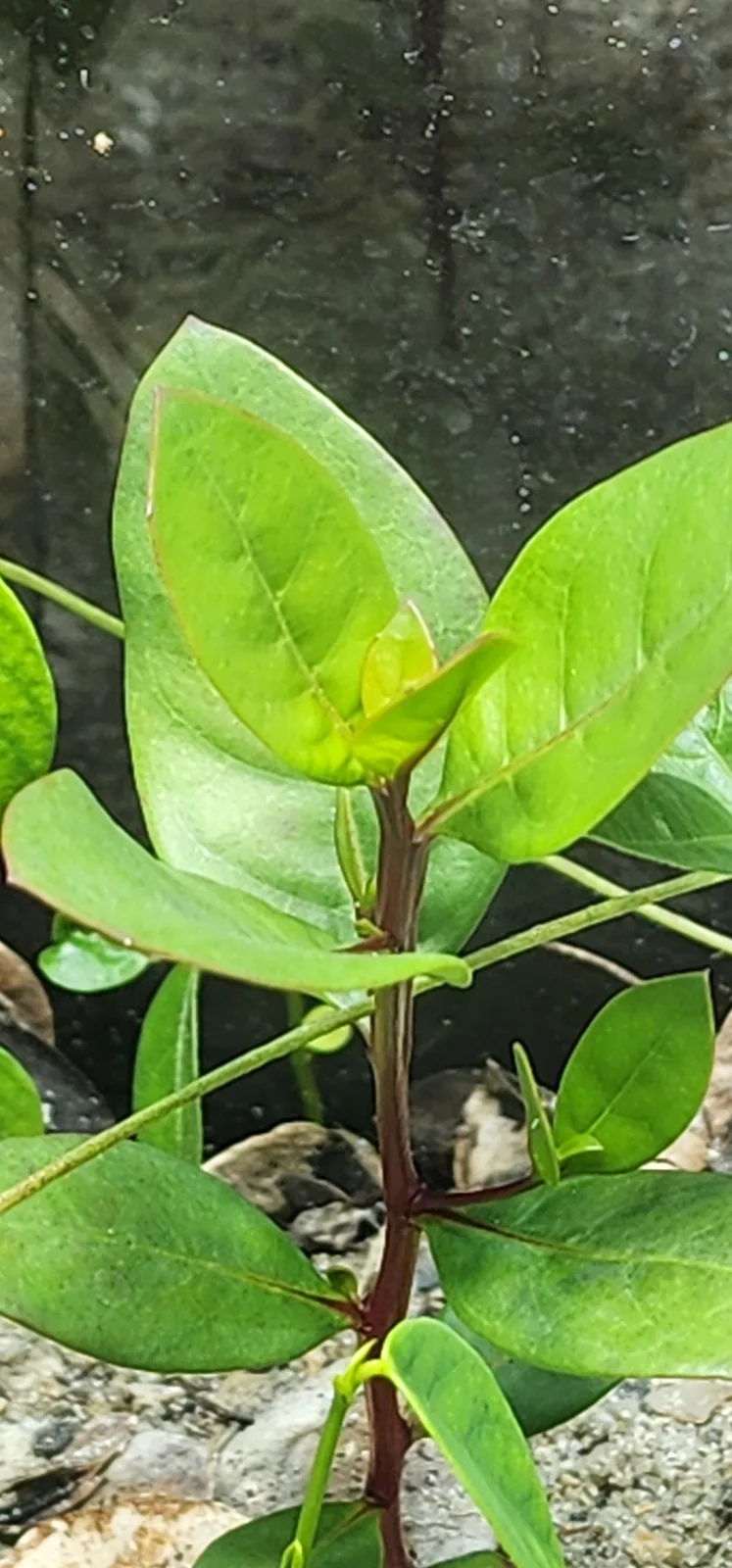
  • Red Mangrove (Rhizophora mangle): primary structural species; arching prop roots; large waxy leaves; leaf litter food source; perch and feeding surface for Mangrove Tree Crab; drops propagules into water
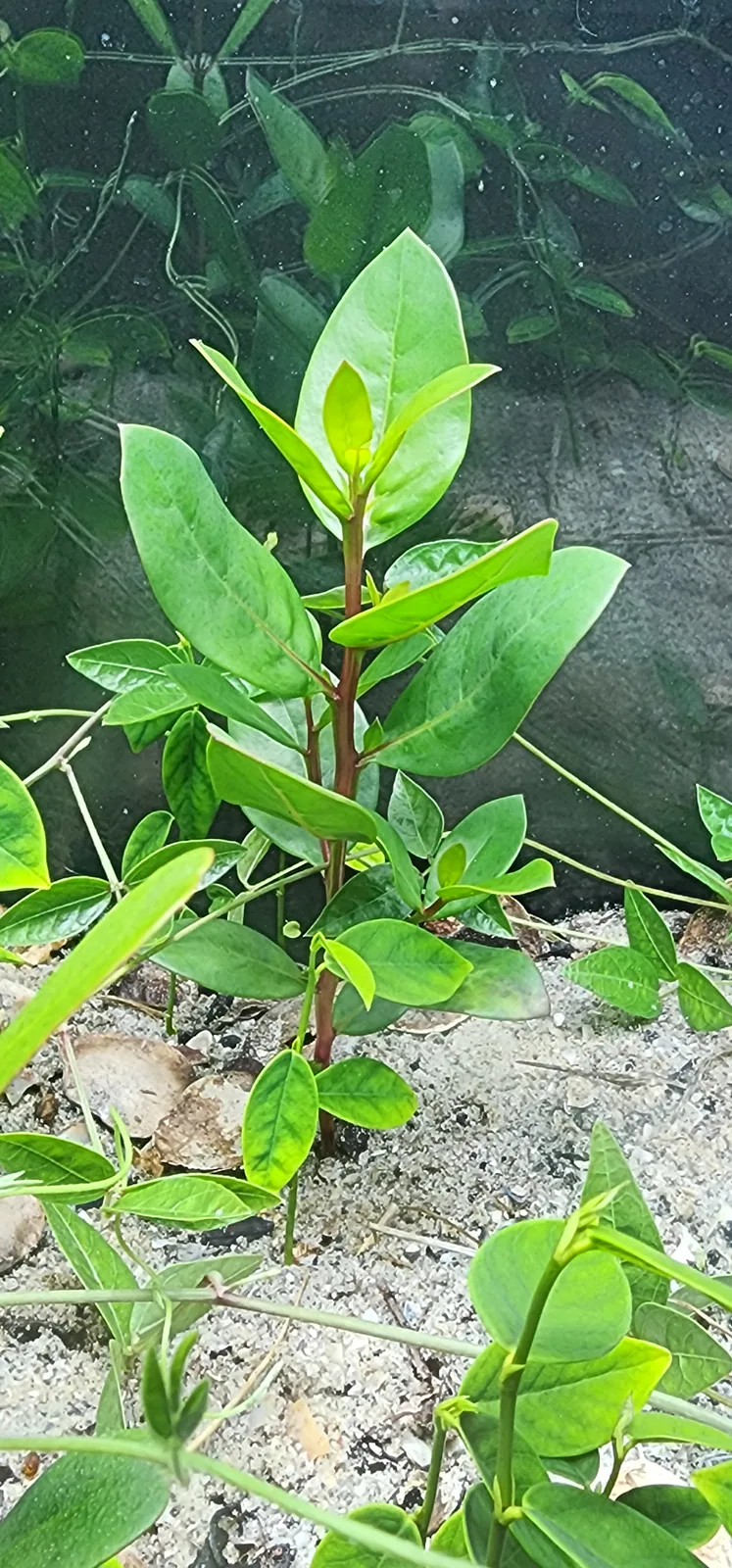
  • Black Mangrove (Avicennia germinans): mid-intertidal zone; pencil pneumatophores projecting from substrate; salt-excreting leaves
  • White Mangrove (Laguncularia racemosa): historical upper forest component; designated Extirpated September 10, 2026, actual loss date unknown.
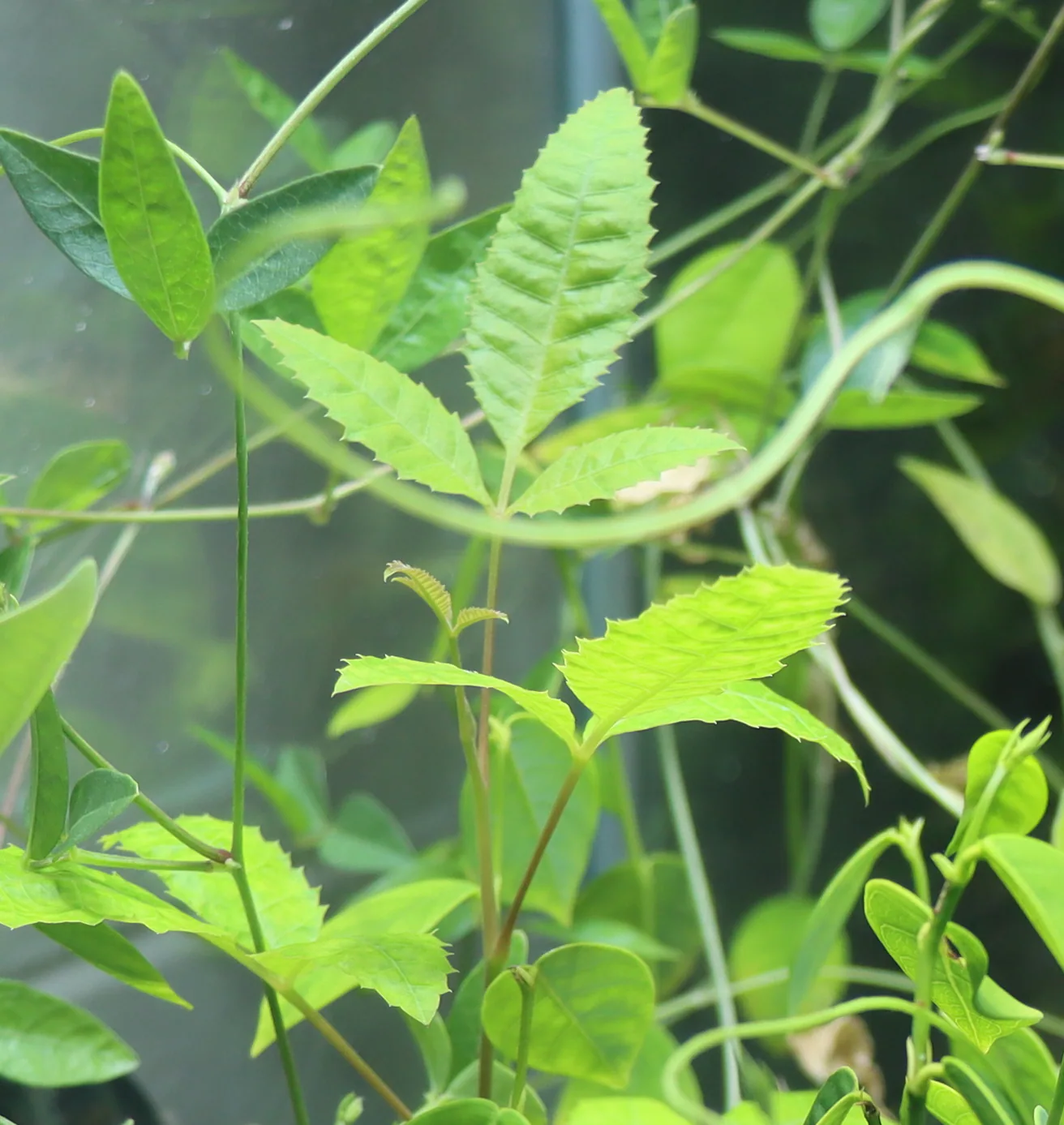
  • Coinvine (Dalbergia ecastaphyllum): climbing leguminous vine; native Florida coastal species; provides canopy structure and vine habitat
  • Brazilian Pepper (Schinus terebinthifolia): invasive; present in Mangrove Forest; an active concern for management; not a desired biome component

Grazers and Herbivores

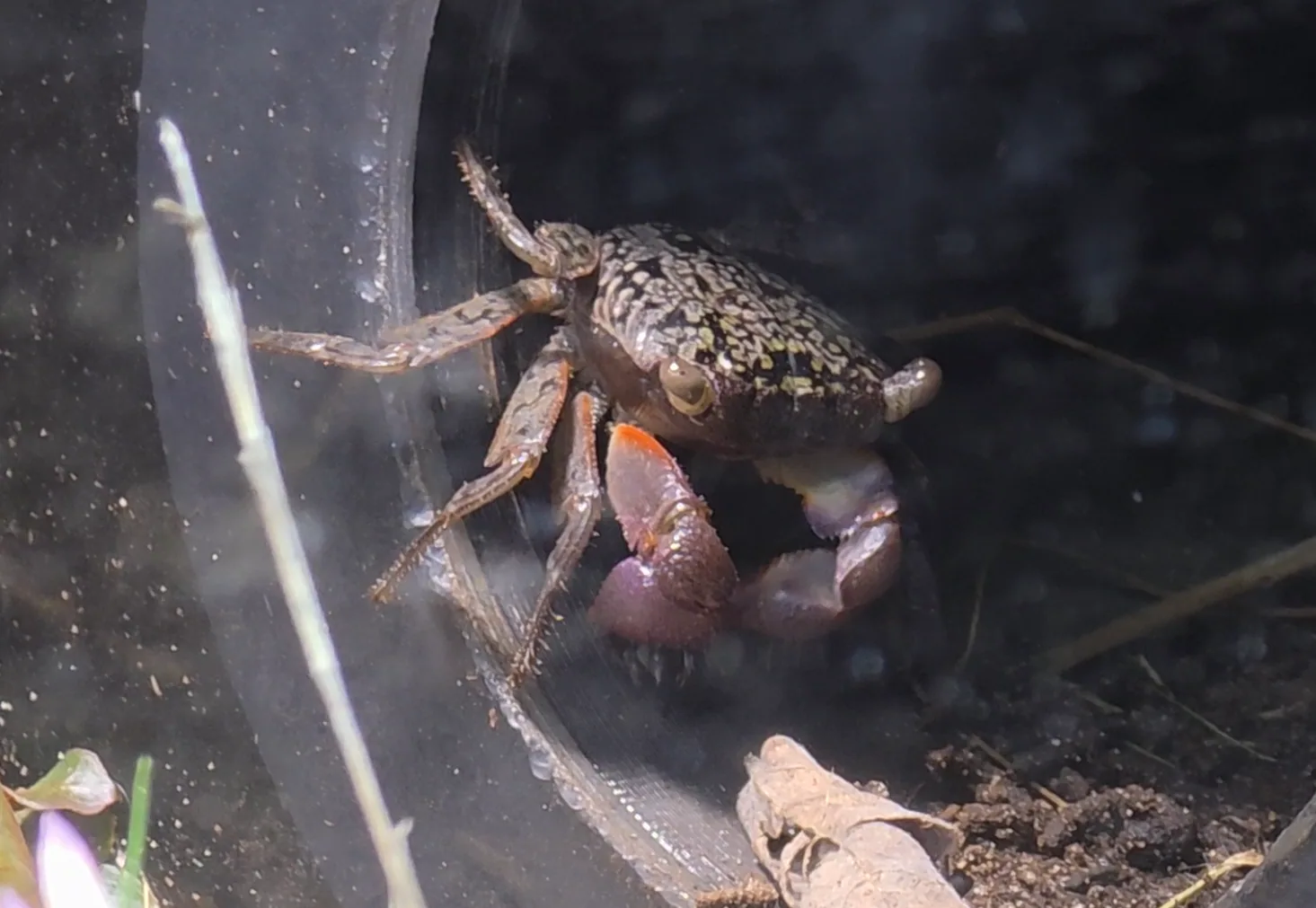
  • Mangrove Tree Crab (Aratus pisonii): true arboreal mangrove crab; confirmed feeding on fallen leaves, detritus, and living Red Mangrove in the Mangrove Forest (June 9, 2026, video); introduced June 4, 2026 (6 individuals; only two consistently found as of July 15, 2026); ranges freely between Mangrove Forest, Marine Shore, and Lakeshore, but spends comparatively little time in the Mangrove Forest itself, foraging mainly in the Marine Shore (confirmed July 13, 2026); never observed feeding on black or white mangrove despite sustained red mangrove grazing (confirmed July 13, 2026)

Detritivores and Decomposers

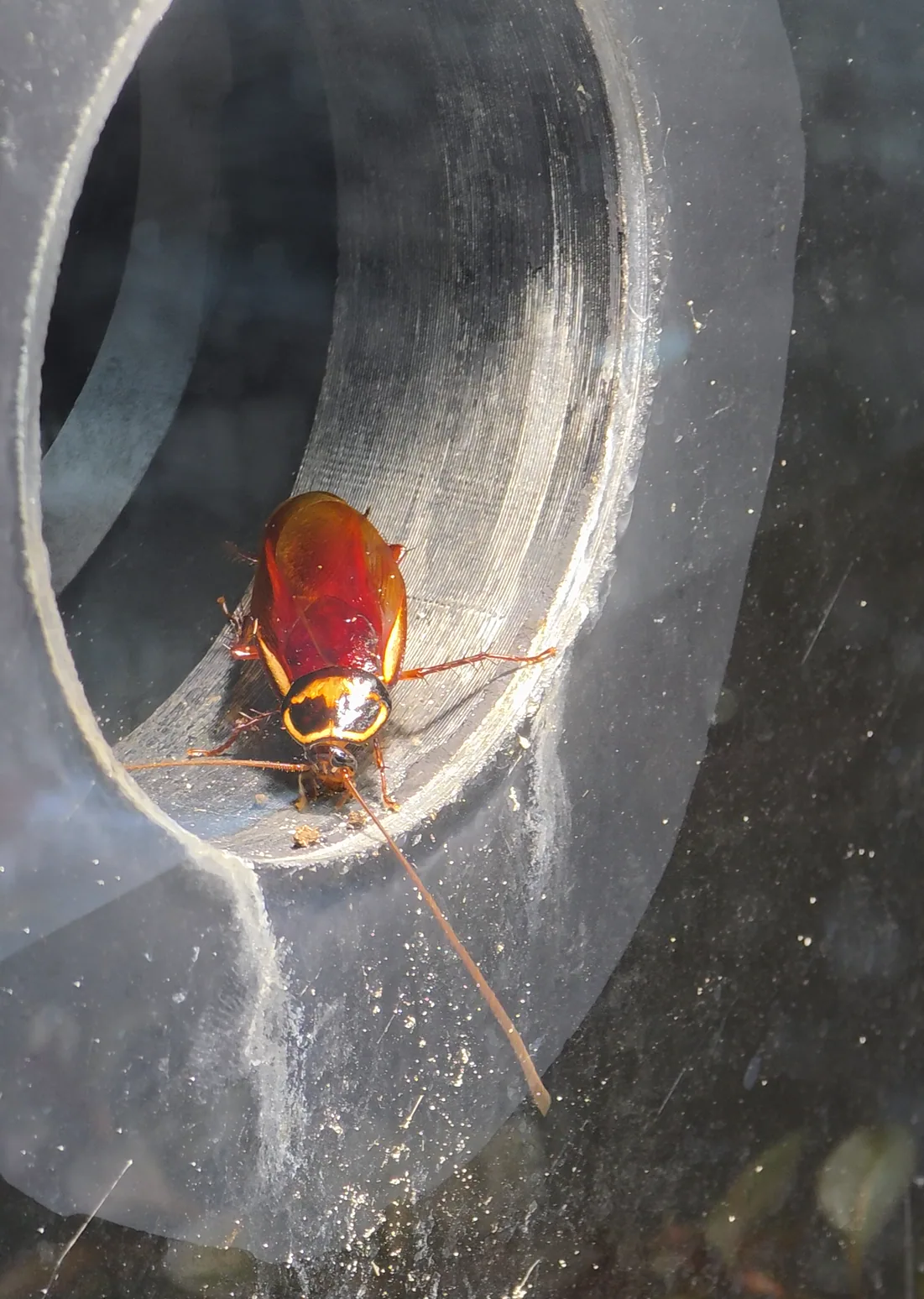
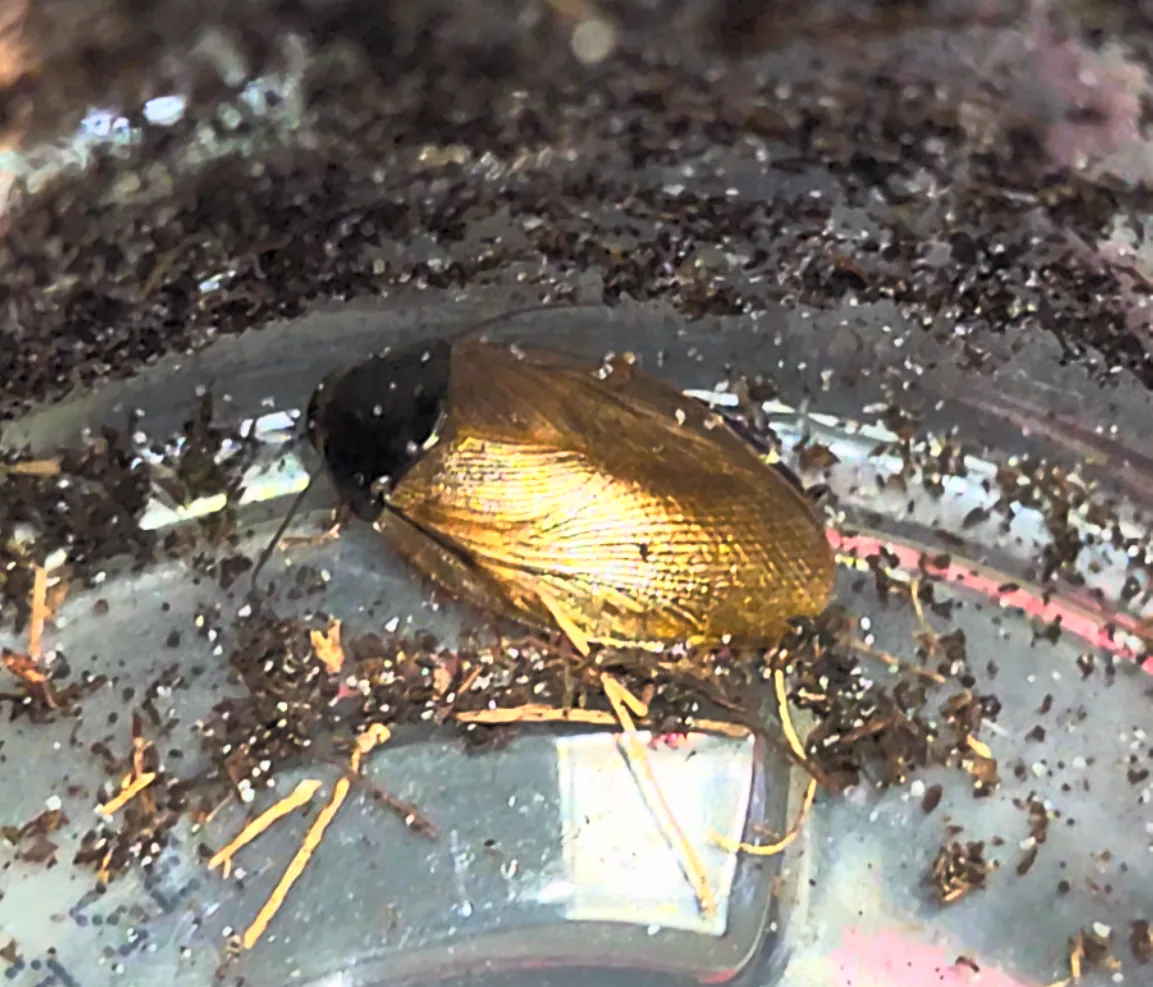
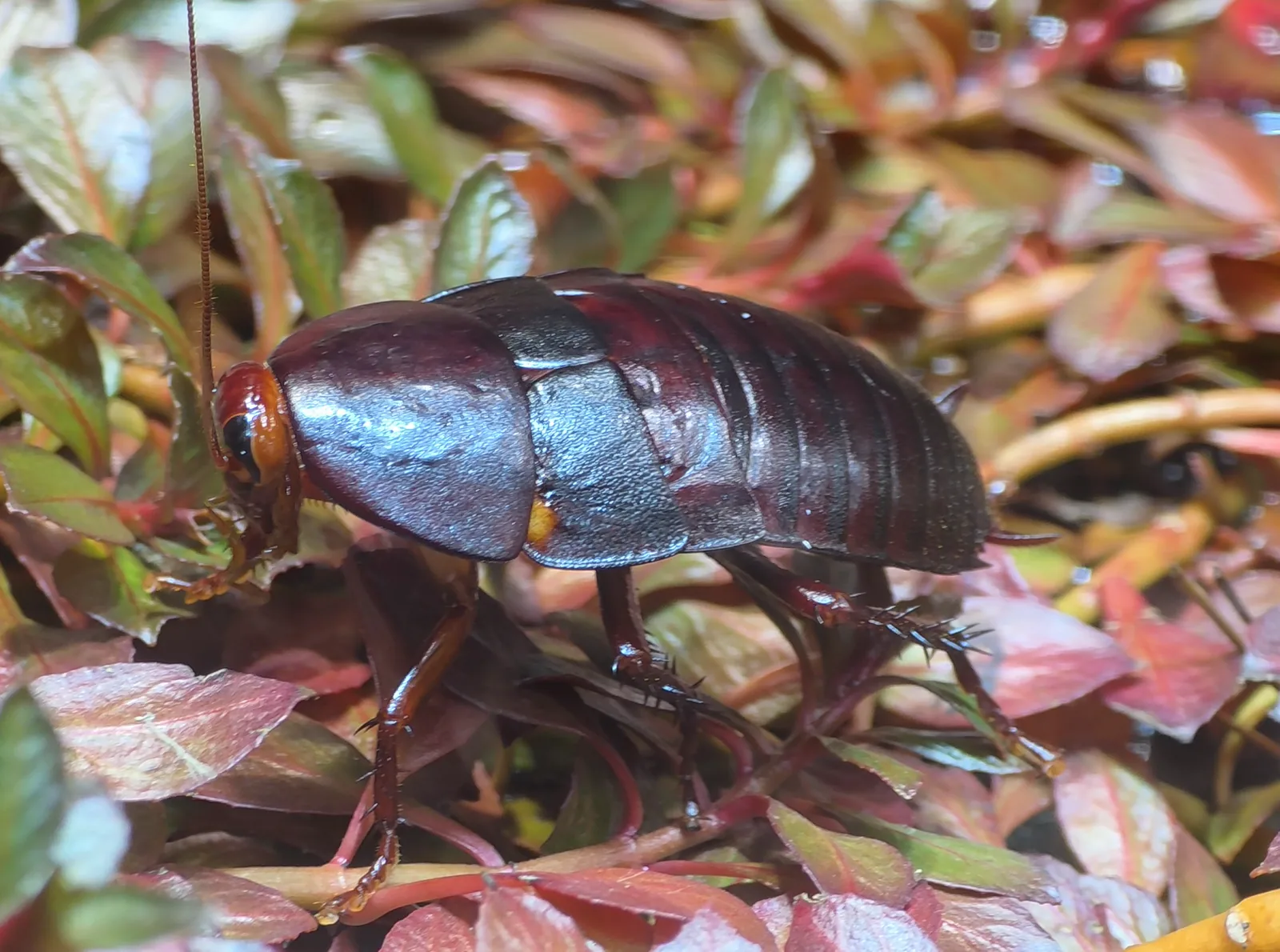
  • Florida Woods Cockroach (Eurycotis floridana): primary detritivore; large-bodied ground roach; documented juvenile evidence and possible egg case; predated by spiders; recruitment beyond initial introduction unresolved; a late-stage juvenile observed August 3, 2026 was confirmed not Surinam Cockroach
  • Surinam Cockroach (Pycnoscelus surinamensis): parthenogenetic roach; confirmed as of August 3, 2026 as the most sustained and established cockroach species in miniBIOTA, with a significant population across multiple generations
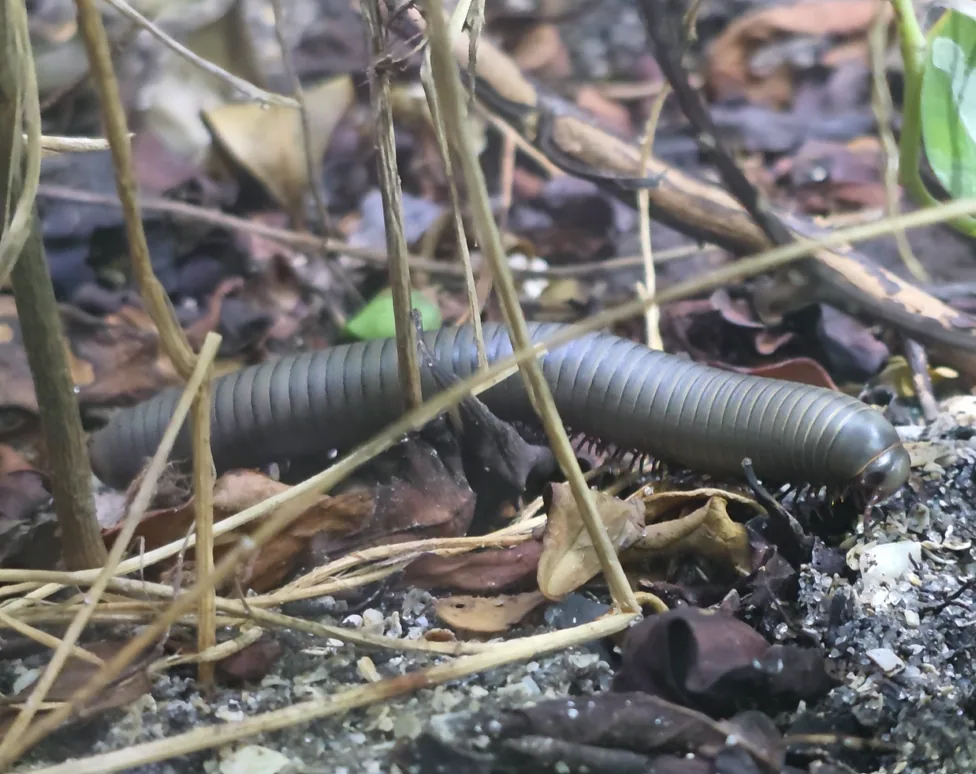
  • Millipedes: detritivore layer; documented in Mangrove Forest substrate
  • Isopods: terrestrial detritivores; present in leaf litter layer
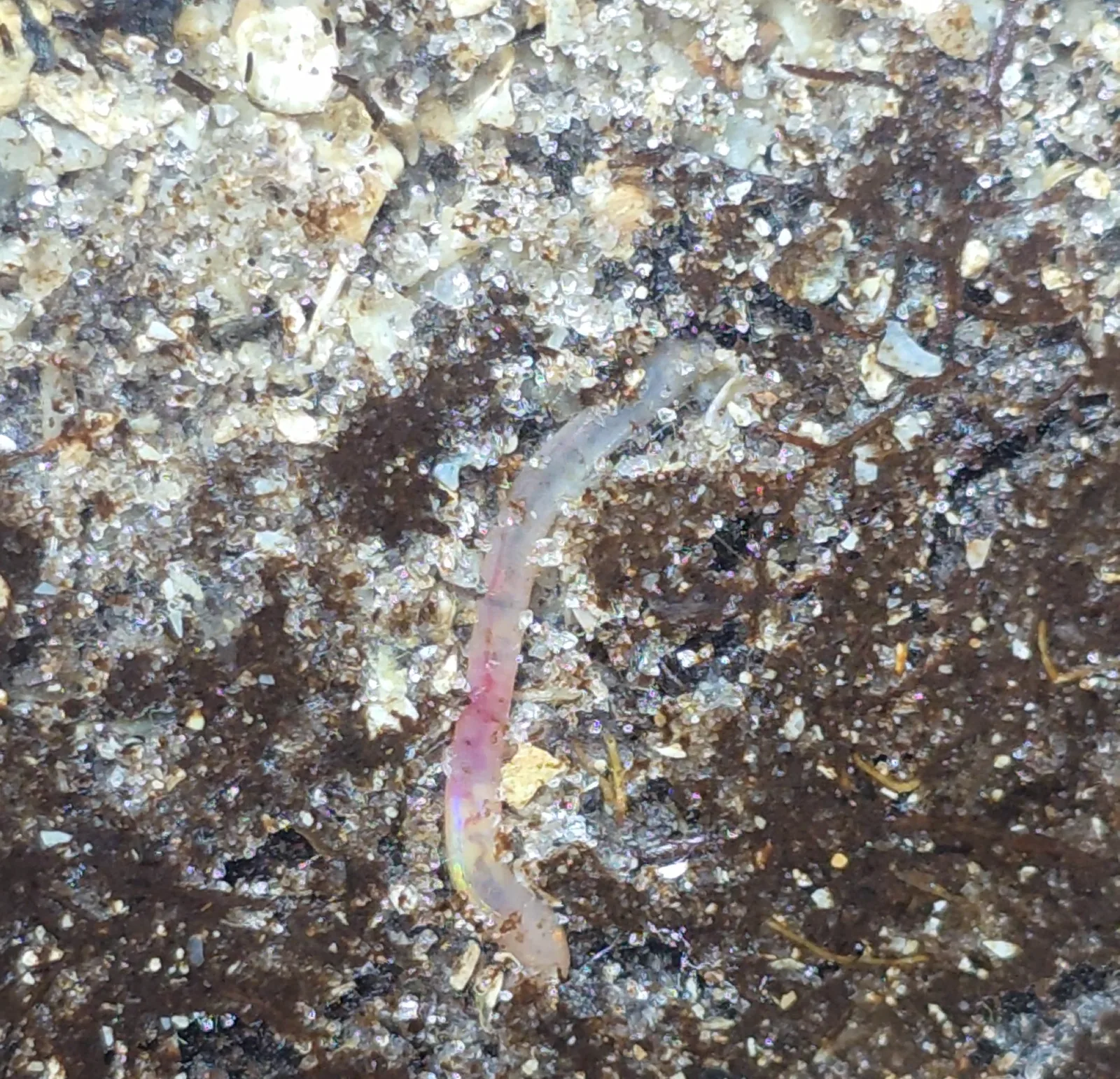
  • Earthworms: soil processors; present in organic substrate
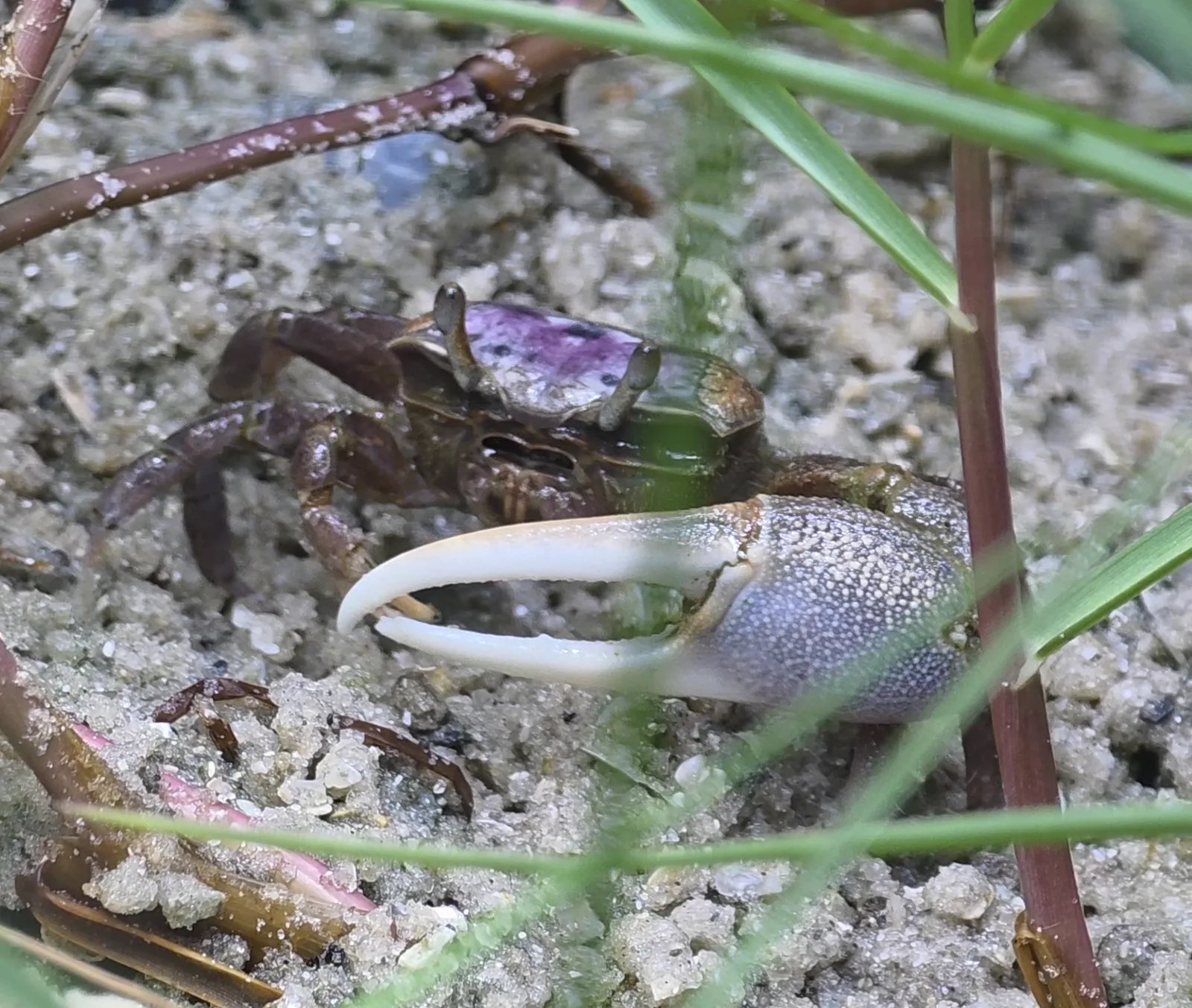
  • Humic Marsh Crab (Armases ricordi): semi-terrestrial crab established in the Mangrove Forest before the June 2026 identity correction; fed on leaf litter and detritus; prior records of "Mangrove Tree Crab" before June 4, 2026 should be understood as Humic Marsh Crab; directly observed attempting predation on a field cricket July 11, 2026, the first directly observed predatory behavior for this species toward a terrestrial insect in miniBIOTA; removed from miniBIOTA August 11, 2026 as a deliberate predation-pressure management decision

Predators and Scavengers

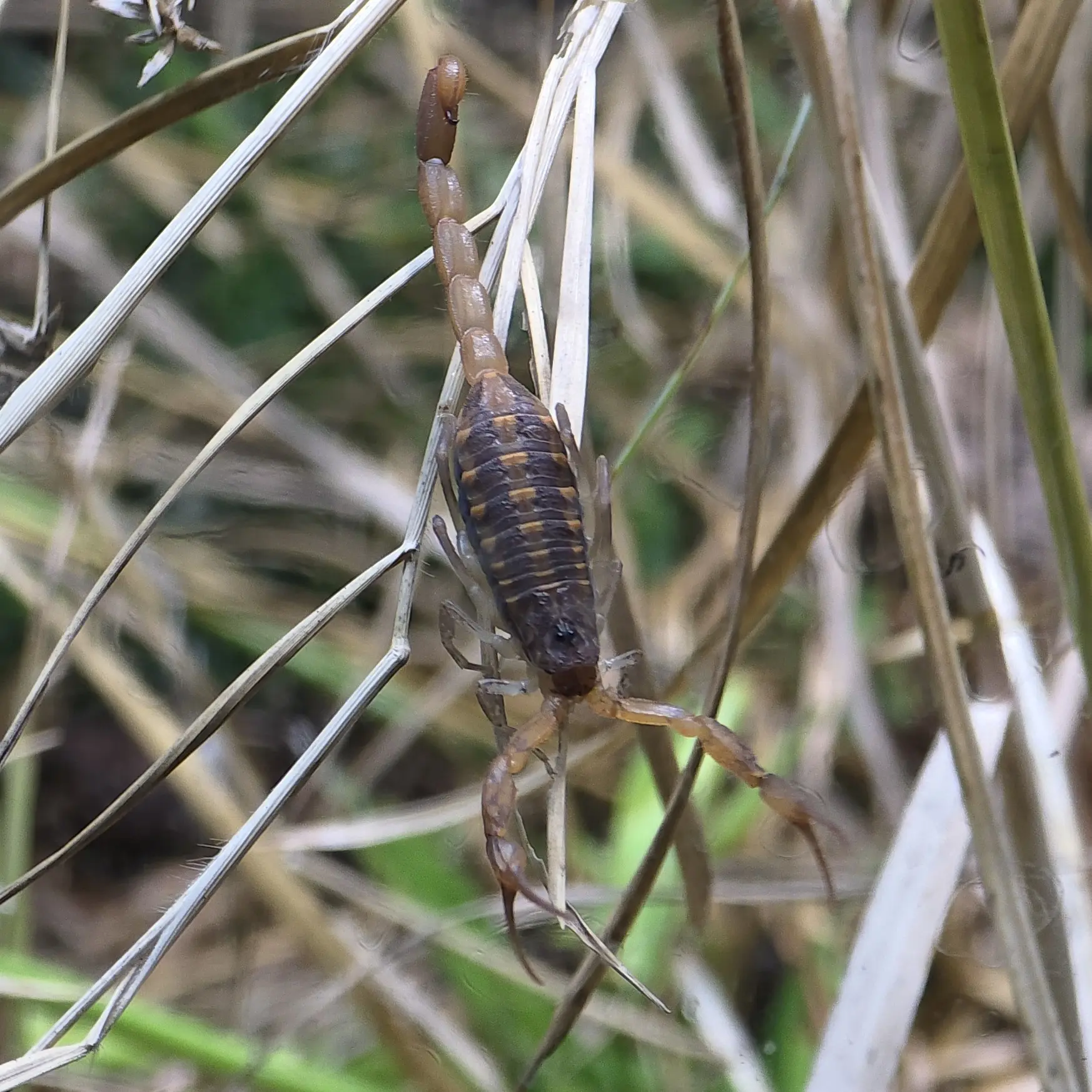
  • Hentz Striped Scorpion (Centruroides hentzi): documented juvenile individuals; native Florida scorpion; predator of insects and invertebrates; population status and lineage persistence unresolved
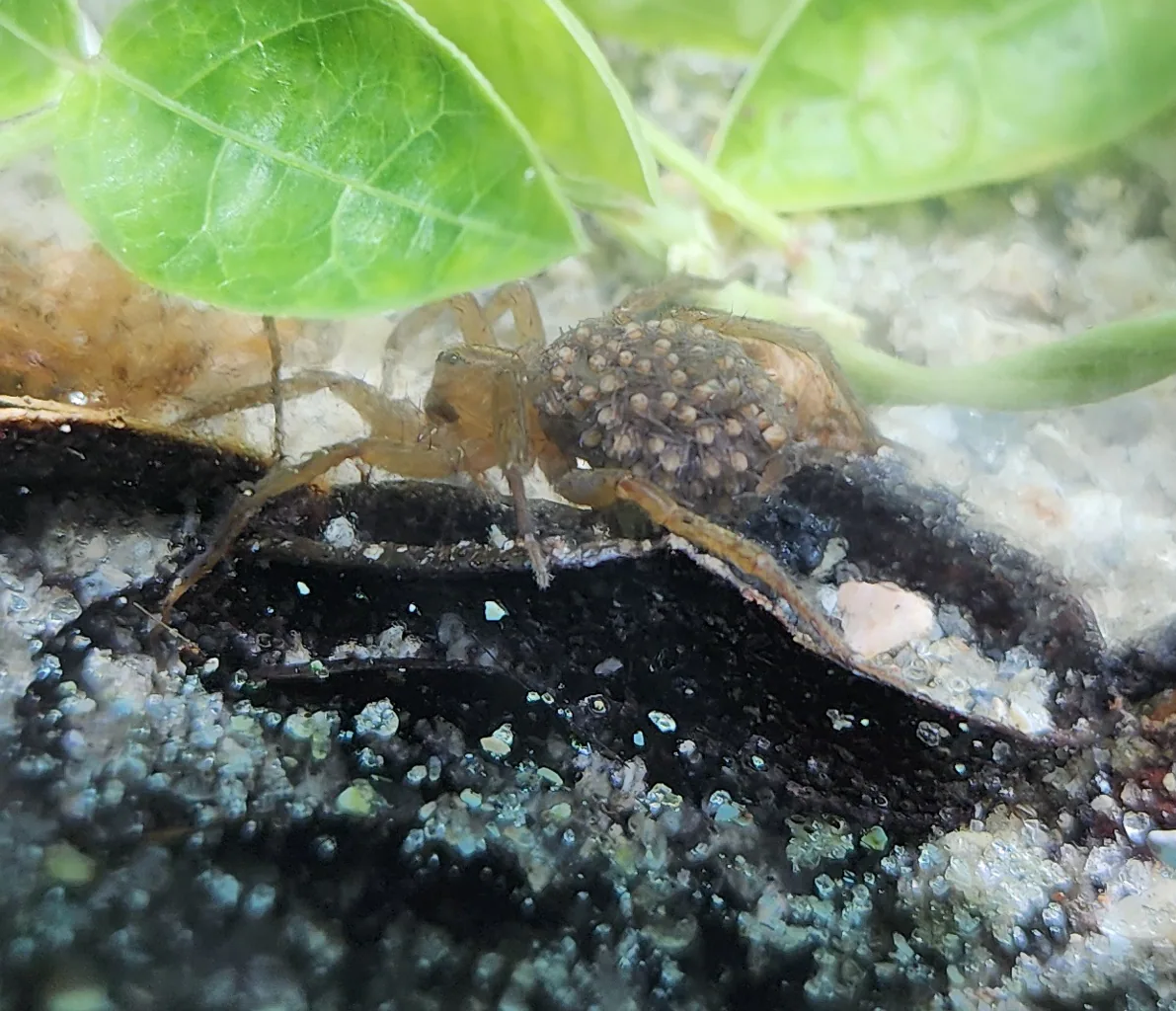
  • Red House Spider (Nesticodes rufipes): documented young or spiderlings; possible predation on cockroaches; predator lineage signal without confirmed dominance
  • Southern Black Widow (Latrodectus mactans): historical or current presence record; confirmed species in miniBIOTA terrestrial zone
  • Wolf Spider: documented; visual ambush predator of invertebrates
  • Common Crypt Ant (Hypoponera opacior): occasional individuals sighted in the Mangrove Forest, but without a strong colony presence here; established colonies are in the Prairie and Lakeshore; predatory on other invertebrates

Microhabitat Occupants

  • Ghost Ant (Tapinoma melanocephalum): at least one individual persisted after presumed absence; colony status unknown
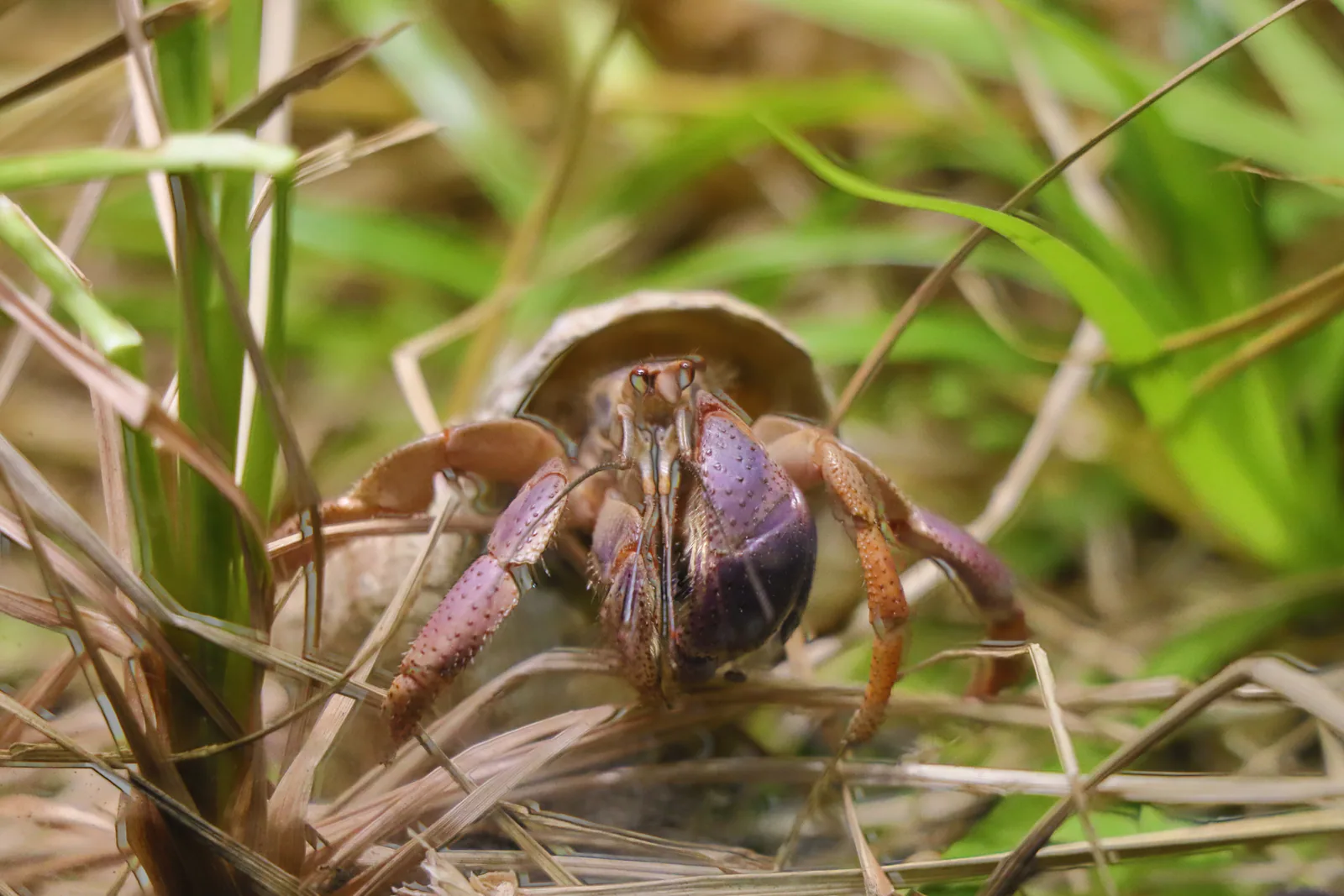
  • Hermit Crabs: move through Mangrove Forest substrate; scavengers and shell users

miniBIOTA Evidence

Establishment

The Mangrove Forest was established December 10, 2023, as part of the initial miniBIOTA build. It was designed as the boundary biome between the marine and freshwater sides: a salt-influenced terrestrial forest zone where mangrove leaf litter, root structure, and a terrestrial detritivore and predator web would build soil and process organic material at the coastal edge. Mangrove plants, detritivores, and early crabs were introduced in the founding stocking.

What Is Confirmed

  • Mangrove Forest established December 10, 2023.
  • Red and Black Mangrove remain living structural plants. White Mangrove was designated Extirpated September 10, 2026; its actual loss date is unknown.
  • At least one Black Mangrove remained alive and produced two leafy shoots on a low branch as observed September 24, 2026.
  • Humic Marsh Crab established as the long-term Mangrove Forest crab; prior "mangrove tree crab" records rerouted to Humic Marsh Crab.
  • Six true Mangrove Tree Crabs (Aratus pisonii) introduced June 4, 2026.
  • Mangrove Tree Crab cross-biome movement confirmed: Marine Shore, Mangrove Forest, and Lakeshore (June 9, 2026, video).
  • Mangrove Tree Crab confirmed feeding on fallen leaves, detritus, and living Red Mangrove (June 9, 2026, video).
  • Mangrove Tree Crabs confirmed consuming silverhead and seashore paspalum on June 26, 2026, in addition to the previously documented red mangrove feeding.
  • Red Mangrove consumed to an uncertain recovery point by Mangrove Tree Crab grazing as of June 26, 2026.
  • Mangrove Tree Crabs confirmed, as of July 13, 2026, to have never been observed feeding on black or white mangrove despite sustained red mangrove grazing; the crabs spend comparatively little time in the Mangrove Forest itself, foraging mainly in the Marine Shore.
  • Mangrove Tree Crab population declined to only two consistently found individuals as of July 15, 2026, down from six introduced June 4, 2026; cause unconfirmed.
  • Gulf Marsh Crab (a Marine Shore resident) directly observed and filmed foraging in the Mangrove Forest on July 16, 2026, its first directly filmed appearance in this biome.
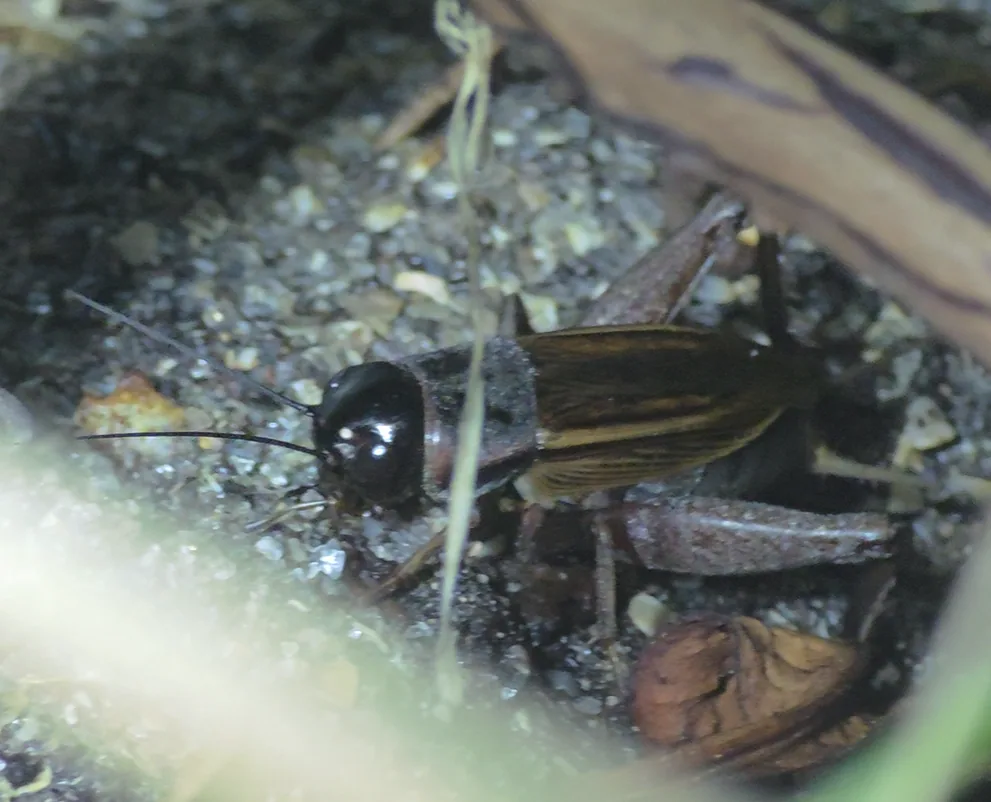
  • Humic Marsh Crab directly observed attempting predation on an adult female field cricket, July 11, 2026, the first directly observed predatory behavior by this crab toward a terrestrial insect in miniBIOTA; attack unsuccessful.
  • Florida Woods Cockroach juvenile evidence and possible egg case documented.
  • One Florida Woods Cockroach found deceased June 22, 2026; cause of death unknown; population reduced from four to three individuals.
  • A larger, immature Florida Woods Cockroach observed in the Mangrove Forest August 3, 2026, appearance consistent with continued growth since the July 6, 2026 Lowland Meadow nymph-cluster observation; confirmed not Surinam Cockroach. Population reassessed at four individuals system-wide.
  • Surinam Cockroach babies documented; confirmed as the most sustained and established cockroach species in miniBIOTA, with a significant multi-generational population, as of August 3, 2026.
  • Hentz Striped Scorpion juvenile individuals documented.
  • Red House Spider young/spiderlings documented.
  • Spider predation on cockroaches documented.
  • Ghost Ant confirmed present as at least one individual.

Active Ecological Tensions

Red mangrove grazing pressure, now understood as species-selective (updated July 13, 2026): Mangrove Tree Crabs have grazed the red mangrove to a point where recovery is now uncertain. Given the species' naturally slow growth rate, sustained grazing pressure may exceed the plant's regenerative capacity. As of July 13, 2026, this pressure is confirmed to fall on red mangrove alone: the crabs have never been observed feeding on the co-occurring black or white mangrove, despite exposure to both. Whether the red mangrove recovers or declines further under continued, species-selective herbivory is the open question for the Mangrove Forest producer layer.

Florida Woods Cockroach population update (August 3, 2026): One Florida Woods Cockroach was found deceased on June 22, 2026 (cause unknown), reducing the population from four to three. A full-system tour on August 3, 2026 reassessed the population at four individuals: two adults, one late-stage juvenile or possible subadult (observed in the Mangrove Forest, and possibly the same individual as the July 6, 2026 Lowland Meadow nymph-cluster sighting now grown; confirmed not Surinam Cockroach), and one smaller juvenile nymph. Whether this represents continued reproduction or a refined count of previously present individuals is unresolved, and species identity for the juveniles remains based on visual interpretation.

Predator web stability (updated August 11, 2026): Scorpion juveniles, spider young, and ant activity create the appearance of an active terrestrial predator community, but most of these lineages have not been confirmed as stable, dominant, or continuously present. The Humic Marsh Crab had been a partial exception: on July 11, 2026, it was directly observed attempting predation on a field cricket, the first directly observed predatory behavior for this species toward a terrestrial insect in miniBIOTA. On August 11, 2026, this crab was deliberately removed from miniBIOTA as part of a broader management shift toward reducing predation pressure system-wide, intended to let cricket and cockroach populations establish more firmly against currently excessive terrestrial plant growth. The broader predator web otherwise still represents signals, not a fully verified system.

Mangrove Tree Crab population decline (new as of July 15, 2026): Only two of the six Mangrove Tree Crabs introduced June 4, 2026 are now being consistently found. Cause is unconfirmed; limited food resources (plausible given the July 13, 2026 finding that the crabs feed almost exclusively on the slow-growing, already-stressed red mangrove) or Gulf Marsh Crab predation are both proposed, the latter drawn from an unrelated July 15, 2026 circumstantial finding involving a different species (Coffee Bean Snail) in the Marine Shore. The Gulf Marsh Crab's presence was reconfirmed in the Mangrove Forest on July 16, 2026, but this confirms only that the crab is alive and active, not that it caused the decline. Neither cause is confirmed, and undetected surviving individuals remain possible.

Mangrove Tree Crab low Mangrove Forest occupancy (new as of July 13, 2026): Despite being named for and introduced to the Mangrove Forest, the crabs spend comparatively little time here, foraging mainly in the Marine Shore and ranging into the Lowland Meadow and Lakeshore. This reduces the crabs' functional role as a Mangrove Forest resident relative to their role as a Marine Shore forager.

Brazilian Pepper (active concern): The invasive Brazilian Pepper is present in the Mangrove Forest. It is a highly aggressive Florida invasive that displaces native vegetation including mangroves. Its current extent, growth trajectory, and effect on native mangrove health are unresolved. Current intent is cutback/removal here during Fall. This is not evidence of completed removal or of a demonstrated competitive effect. Final extent, cutback versus removal method, root disturbance, disposal/retained biomass, and follow-up for regrowth remain open.

Humic Marsh Crab vs. Mangrove Tree Crab coexistence (moot as of August 11, 2026): Two distinct crab species had occupied the Mangrove Forest: the long-established Humic Marsh Crab and the six newly introduced Mangrove Tree Crabs. How they interacted was never addressed by observation before Humic Marsh Crab's removal from miniBIOTA on August 11, 2026, which resolves this question by ending the coexistence rather than characterizing it.

H2S/anaerobic substrate risk, and a possible calcium-mobilization link (updated August 1, 2026): Water movement from the Mangrove Forest into the marine side carrying a hydrogen-sulfide odor and reduced gray sediment is directly documented (December 22, 2024), but the exact path and chemical flux all the way into the bulk Seagrass Meadow water have not been traced. Sulfate reduction in this substrate produces sulfide and alkalinity rather than direct acidity; strong carbonate-dissolving acidity would arise only where sulfide is later oxidized at an oxygenated boundary, or from respiratory CO2 in porewater. A Seagrass Meadow water test on August 1, 2026 found elevated alkalinity alongside low dissolved calcium, raising the possibility that mangrove-derived porewater is one contributor to marine-side calcium mobilization, alongside in-situ shell dissolution in the Seagrass Meadow itself. This remains unmeasured and unconfirmed.