Freshwater Lake

Fully aquatic freshwater biome.

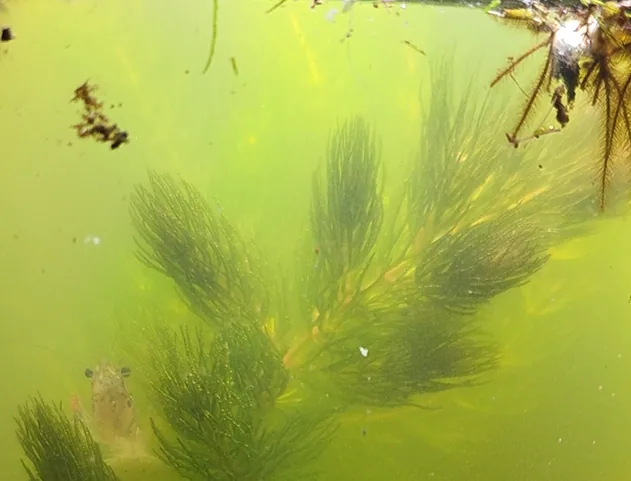
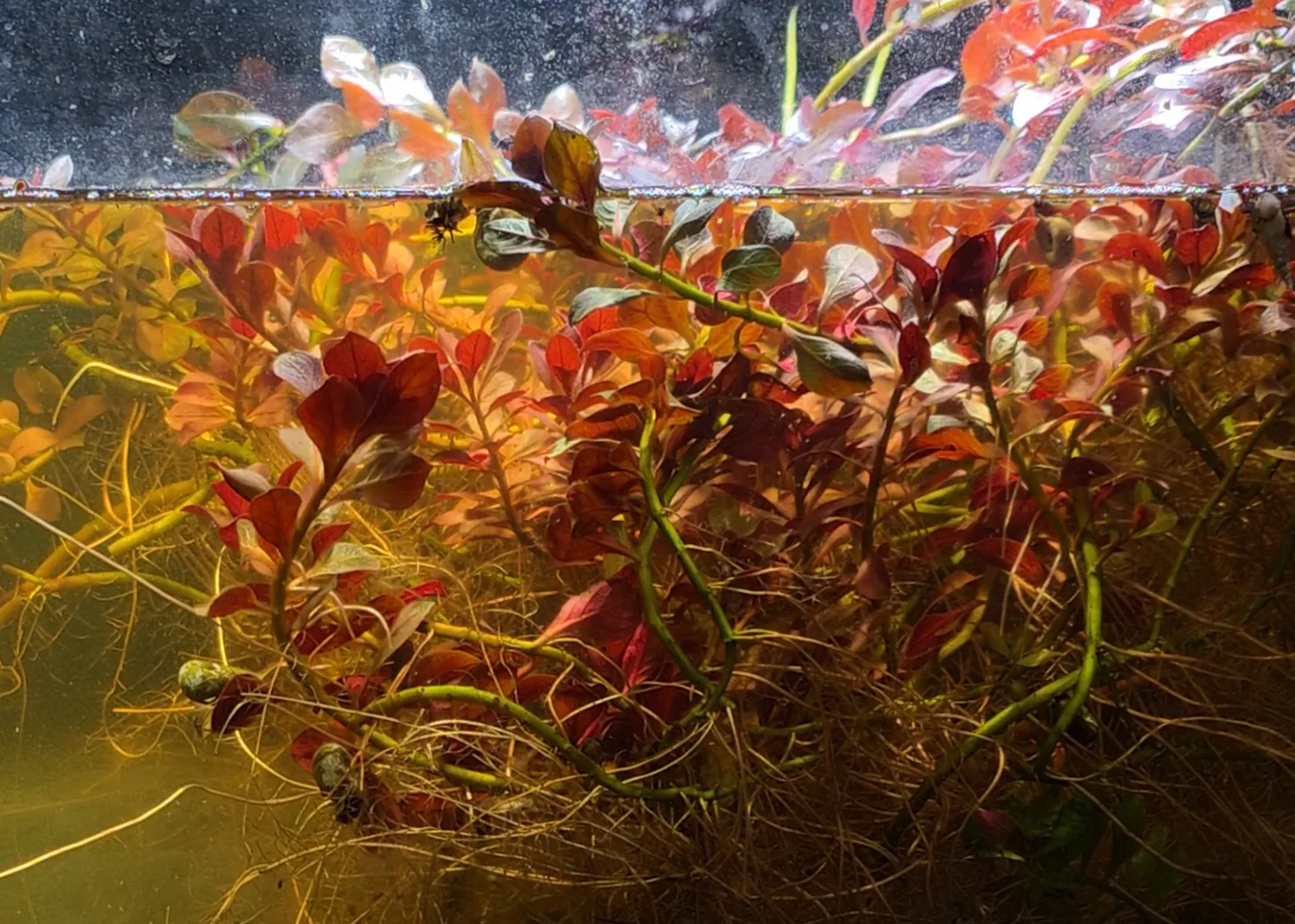
A still freshwater lake where tapegrass, sagittaria, and Amazon sword build submerged canopy above a sand substrate grazed by crayfish, snails, amphipods, and shrimp, with the food web actively rebuilding after the removal of the lake's only fish in April 2026.

Overview

The Freshwater Lake is miniBIOTA's only fully aquatic freshwater biome and the oldest habitat in the system, established November 14, 2022. A still-water lentic environment dominated by submerged macrophytes (tapegrass, Amazon sword, and sagittaria), it supports a layered food web of zooplankton, snails, amphipods, shrimp, and crayfish above a sand and detritus substrate. The defining ecological event of the current period is the removal of the Flagfish on April 5, 2026, followed by the introduction of Daphnia-like microcrustaceans and ostracods on April 8, 2026. Water clarity improved visually after fish removal. The fates of Daphnia, Moina, Mesostoma, and Ghost Shrimp juvenile recruitment remain unresolved as of June 2026.

What This Biome Is

Habitat Type and Global Context

Still-water freshwater systems: lakes, ponds, and wetlands: are classified as lentic systems, in contrast to lotic (flowing water) systems like streams and rivers. Lentic systems are defined by slow to negligible water movement, high water residence time, and the potential for water-column stratification: when a water body develops layers that do not mix, a warm upper layer (epilimnion) can become separated from a colder, denser lower layer (hypolimnion), with a transitional zone (thermocline) between them. In small, shallow lentic systems, full thermal stratification is less common, but localized dissolved-oxygen gradients, substrate anoxia, and surface film dynamics are all possible and ecologically relevant.

The primary producers of a lentic system typically fall into two categories: rooted submerged macrophytes (plants like tapegrass, sagittaria, and Amazon sword) and suspended phytoplankton and algae in the water column. The balance between these two groups is one of the most studied dynamics in freshwater ecology. In clear, moderate-nutrient systems, macrophytes often dominate by forming dense beds that stabilize the substrate, absorb nutrients, and provide structure for invertebrates. In turbid, nutrient-rich systems, phytoplankton and cyanobacteria can outcompete macrophytes by blocking the light that reaches the substrate, driving a shift to an algae-dominated, turbid state.

The trophic cascade in lentic systems is a well-documented ecological mechanism: large-bodied zooplankton (particularly Daphnia and related water fleas) graze down phytoplankton and suspended algae, improving water clarity; improved water clarity increases light penetration and supports macrophyte growth; macrophytes stabilize substrate, absorb nutrients, and provide refuge for zooplankton. Fish predation disrupts this cascade by preferentially removing large-bodied, visible zooplankton, releasing phytoplankton from grazer pressure. The removal of fish predation pressure is one of the primary tools in freshwater restoration ecology. This is the mechanism underlying the Flagfish removal and Daphnia introduction in miniBIOTA's Freshwater Lake.

Florida and Regional Relevance

Florida has over 7,700 named lakes, the vast majority of which are shallow (under five meters), warm, and subject to algal bloom pressure during summer months. Florida's freshwater systems commonly support dense submerged aquatic vegetation communities: tapegrass (Vallisneria americana), multiple sagittaria species, and various macrophytes grow across Florida lakes, springs, rivers, and marshes, where they provide oxygen production, habitat structure, and food source for manatees, waterfowl, and invertebrates.

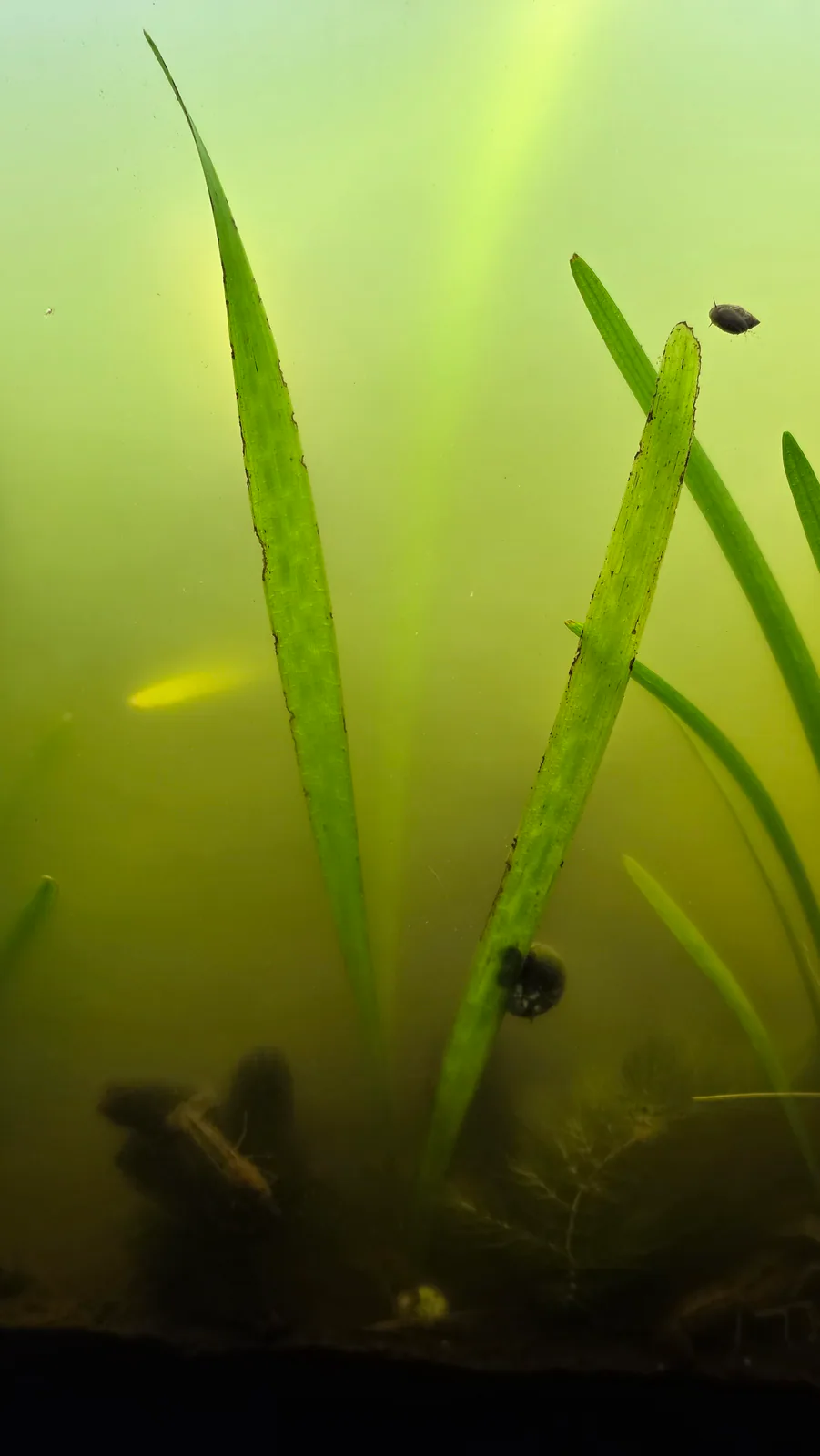
Tapegrass (Vallisneria americana), also called eelgrass or wild celery, is one of Florida's most ecologically important submerged aquatic vegetation species. It reproduces vegetatively through runners, forms dense ribbon-like stands in clear to moderately turbid water, and is a direct food source for crayfish, snails, and other herbivores in lentic systems. In enclosed small systems like miniBIOTA, tapegrass can form dense beds under low grazing pressure, or be significantly cropped under sustained crayfish or snail activity.

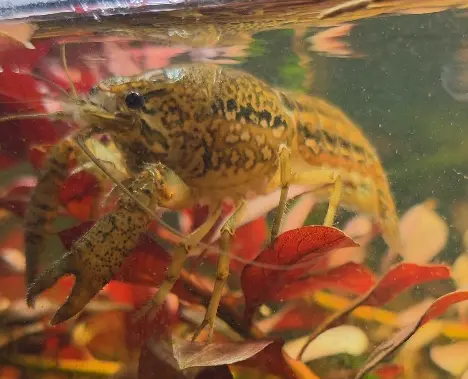
The Slough Crayfish (Procambarus fallax) is a common Florida freshwater crayfish found throughout the Everglades and adjacent freshwater habitats. It is a generalist omnivore that consumes detritus, algae, biofilm, small invertebrates, and plant material including tapegrass. It is also the parental species of the parthenogenetic Marbled Crayfish, though miniBIOTA's individuals are the standard sexual morph.

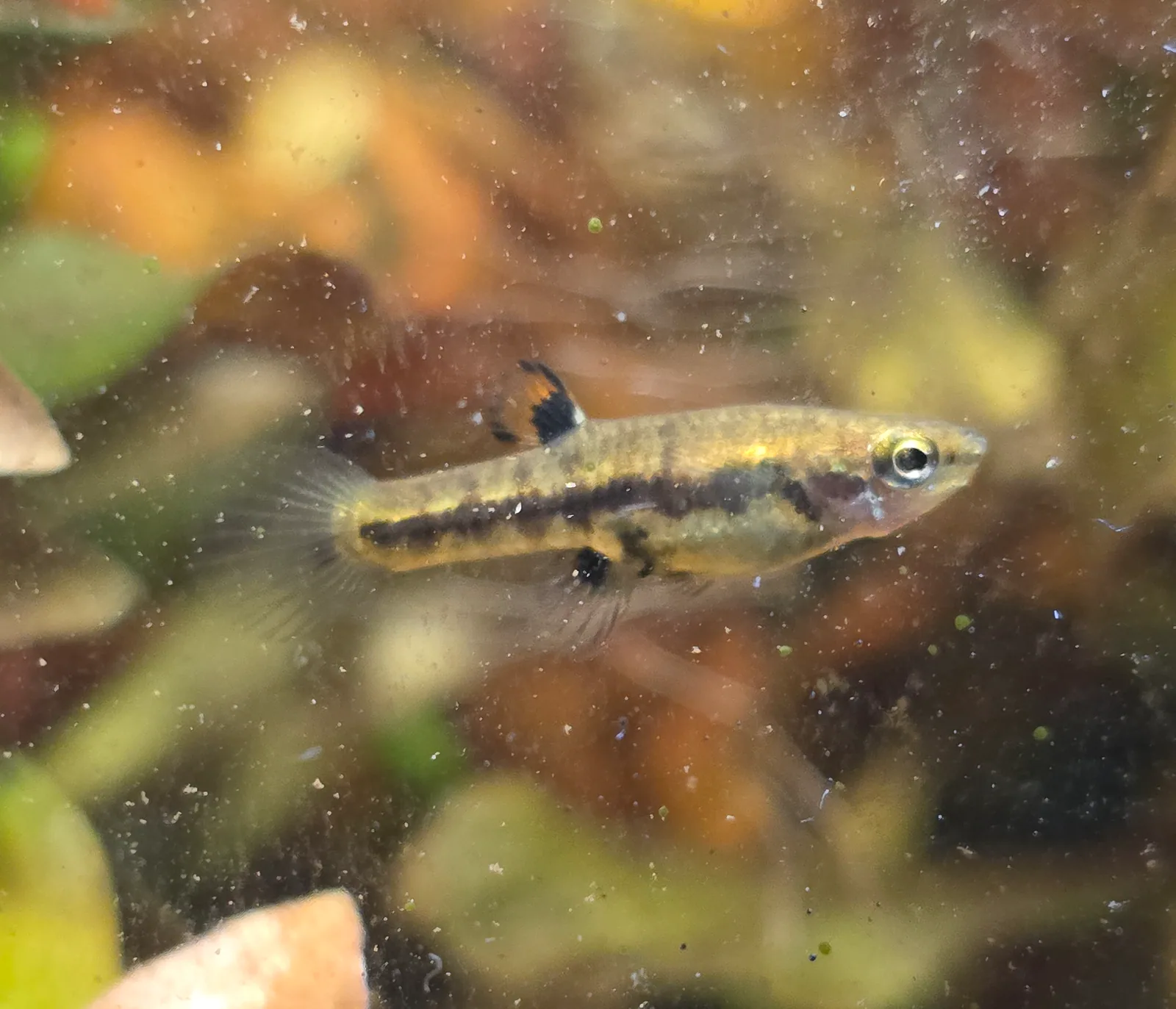
The Flagfish (Jordanella floridae) is a Florida-endemic killifish native to freshwater and occasionally brackish systems throughout the Florida peninsula. It is an omnivore that consumes algae, biofilm, detritus, and small invertebrates, and is sometimes used in aquarium systems for algae control. In miniBIOTA, one Flagfish was present as a mid-level omnivore and predator whose selective pressure on microcrustaceans prompted its removal in April 2026.

Key Ecological Processes

Macrophyte production and competition: Tapegrass, Amazon sword, and sagittaria anchor the Freshwater Lake as submerged macrophytes. They compete with suspended algae for light and nutrients, oxygenate the water column through photosynthesis, provide substrate and refuge for invertebrates, and supply plant tissue to herbivores including Slough Crayfish.

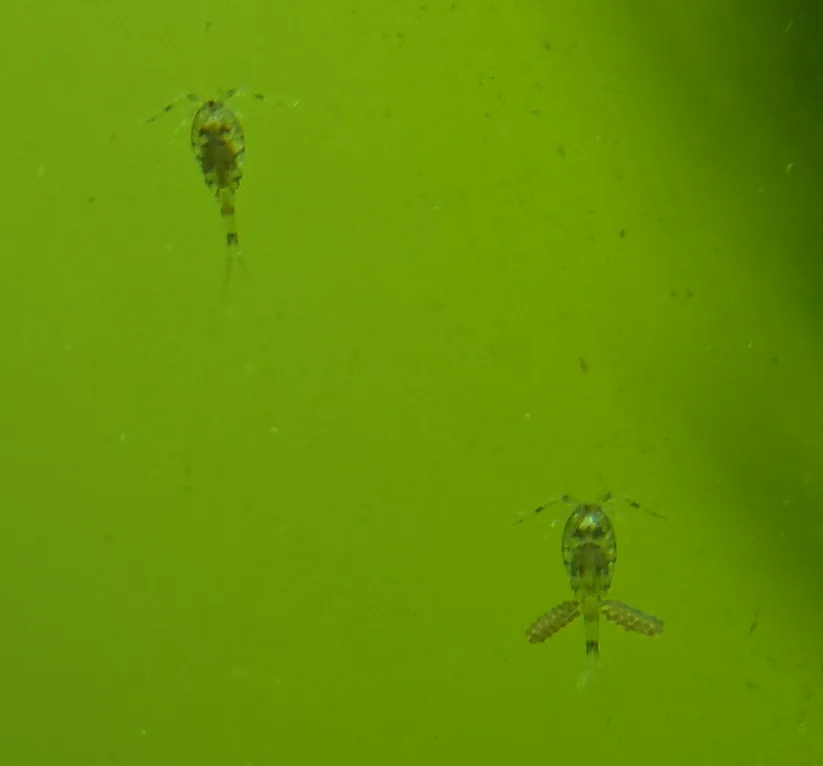
Zooplankton grazing and water clarity: Cladocera (Daphnia, Moina) and copepods filter phytoplankton and fine particles from the water column. In the absence of visual fish predators, large-bodied Cladocera can exert significant grazing pressure, improving water clarity. This cascade mechanism was the explicit rationale for the April 2026 Flagfish removal and Daphnia introduction.

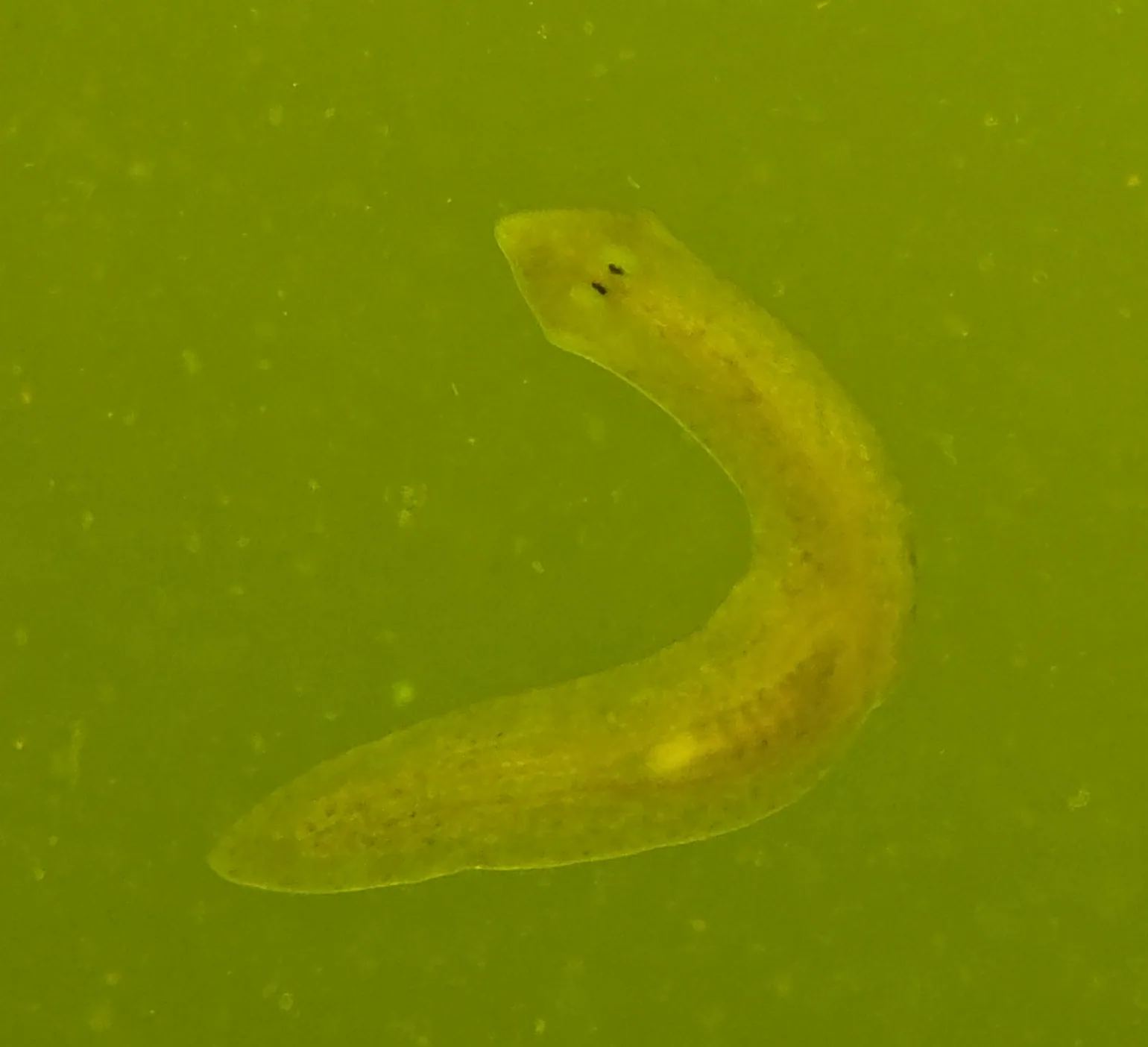
Mesostoma predation (unresolved): Mesostoma (predatory turbellarian flatworms, family Mesostomatidae) are documented microcrustacean predators in small freshwater systems. Unlike fish predation, Mesostoma predation is not size-selective in the same way and can suppress copepod and Daphnia populations in enclosed spaces. Whether Mesostoma are present and actively suppressing the microcrustacean layer in miniBIOTA is unresolved.
Benthic-pelagic coupling: Bottom-dwelling organisms (Slough Crayfish, snails, amphipods) interact with the water column through feeding, burrowing, and excretion, recycling nutrients from the substrate back into the water and influencing sediment biogeochemistry. Crayfish activity, in particular, disturbs and aerates surface sediment.

Detritus processing: Dead plant material, biofilm, shed invertebrate material, and other organic debris accumulate on the lake floor and are processed by bacteria, fungi, detritivores, and benthic invertebrates. The substrate profile (quartz sand with organic detritus and developing aerobic and anaerobic zones) reflects this ongoing decomposition.

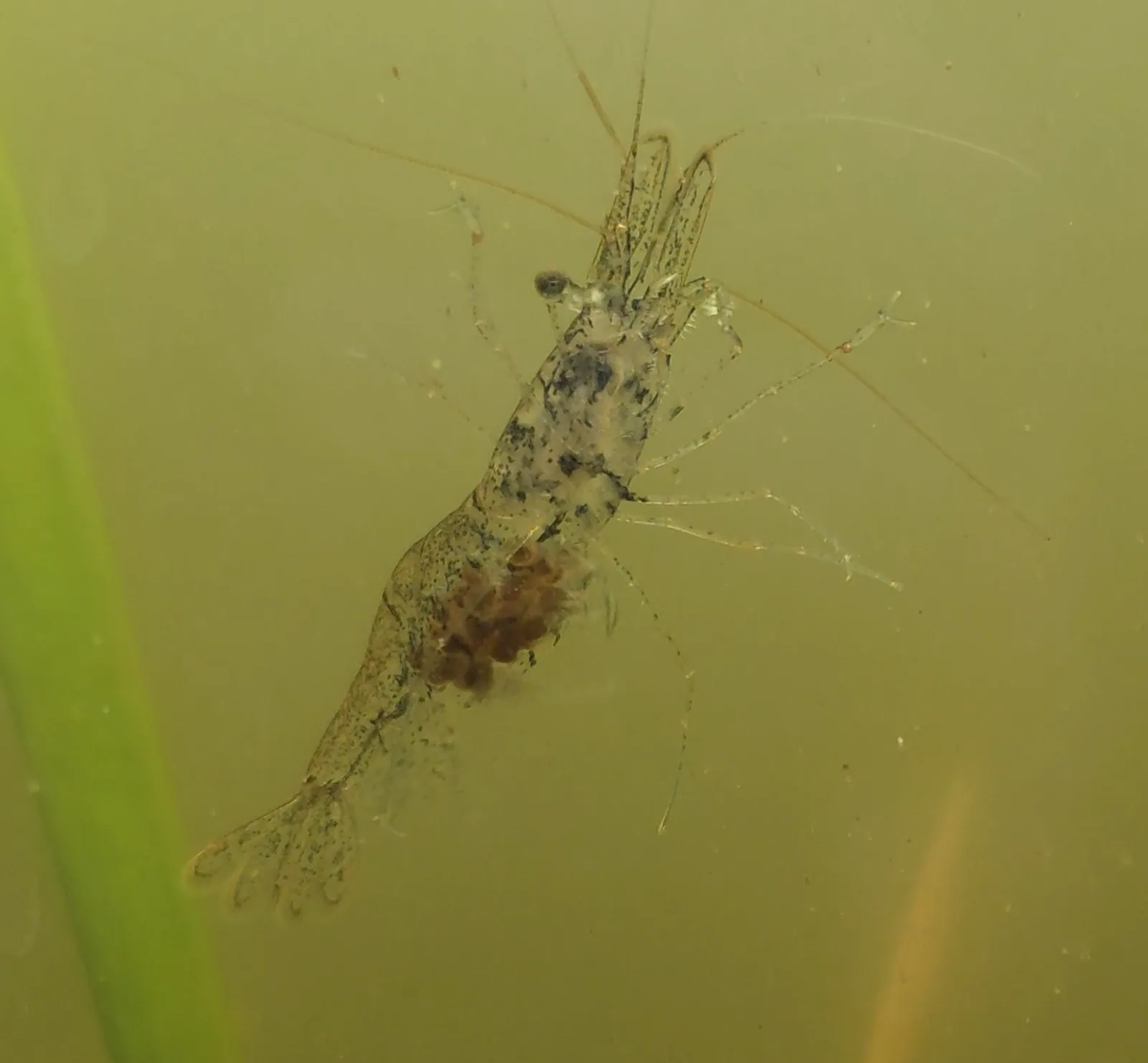
Ghost Shrimp reproductive cycle: Ghost Shrimp carry eggs until hatching, releasing planktonic larvae (zoea) into the water column. Zoea require suitable food (fine particulate matter, phytoplankton) and may be highly vulnerable to predation and competition. Zoea have been observed in the Freshwater Lake; juvenile shrimp recruitment remains unresolved.

Physical Structure

The Freshwater Lake is a still-water enclosed aquatic environment with a quartz sand and organic detritus substrate. A submerged plant canopy of tapegrass, Amazon sword, and sagittaria provides the dominant three-dimensional structure, with open water above and a detritus-enriched substrate below. There is no mechanical filtration or flow currently documented. The lake is enclosed (no exchange with external water sources) and functions as both a nutrient reservoir and a water cycle reference point within the miniBIOTA layout: rain falls on the terrestrial biomes and drains toward the lake as part of the system's precipitation cycle.

Ecological Role in miniBIOTA

The Freshwater Lake is the freshwater engine of miniBIOTA. It is the only fully aquatic freshwater habitat, receiving drainage from the Lakeshore and Lowland Meadow and providing freshwater influence to the Lakeshore edge. As a lentic system, it accumulates detritus, nutrients, and organic matter from the rest of the system and processes them through its invertebrate and microbial community.

The lake also functions as a reproductive refuge: Ghost Shrimp zoea, amphipod reproduction, and snail recruitment all take place in or adjacent to the lake water. Whether these reproduction events have produced self-sustaining populations is the central unresolved question of the current period.

Cross-biome connections are primarily through the Lakeshore, which serves as the physical and ecological boundary between the Freshwater Lake and terrestrial habitats. Snails, amphipods, and aquatic insects may move between the Freshwater Lake and Lakeshore depending on water level and moisture gradient. Mangrove Tree Crabs have also been documented moving through the Lakeshore as part of their cross-biome movement (June 9, 2026), but they are not Freshwater Lake inhabitants.

Key Species and Functional Groups

Primary Producers

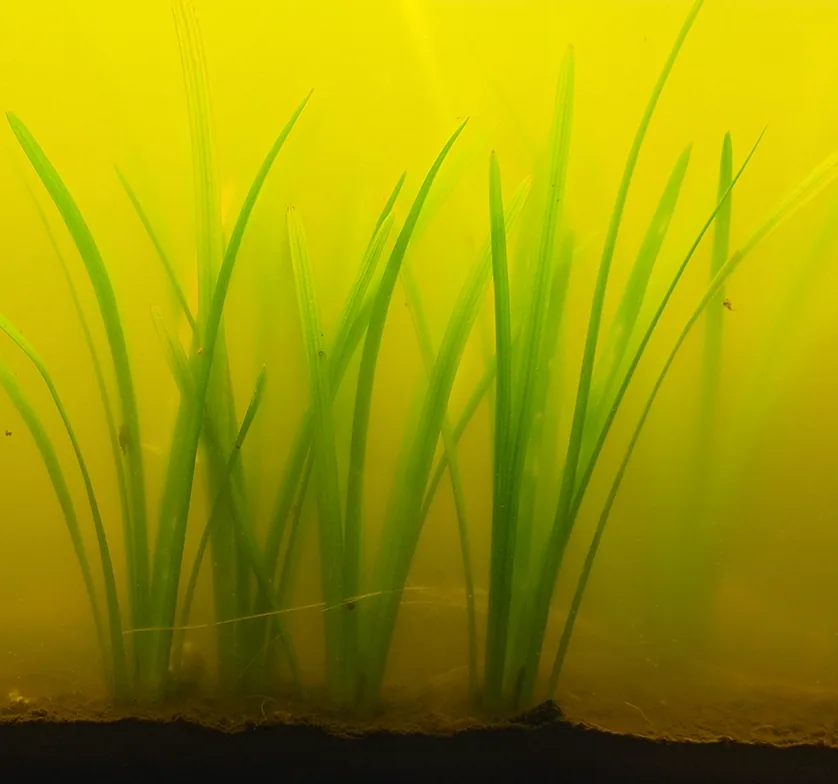
  • Tapegrass (Vallisneria americana): dominant submerged macrophyte; ribbon-like leaves; grazed by Slough Crayfish (confirmed May 24, 2026); provides refuge and surface for biofilm; spreads via runners
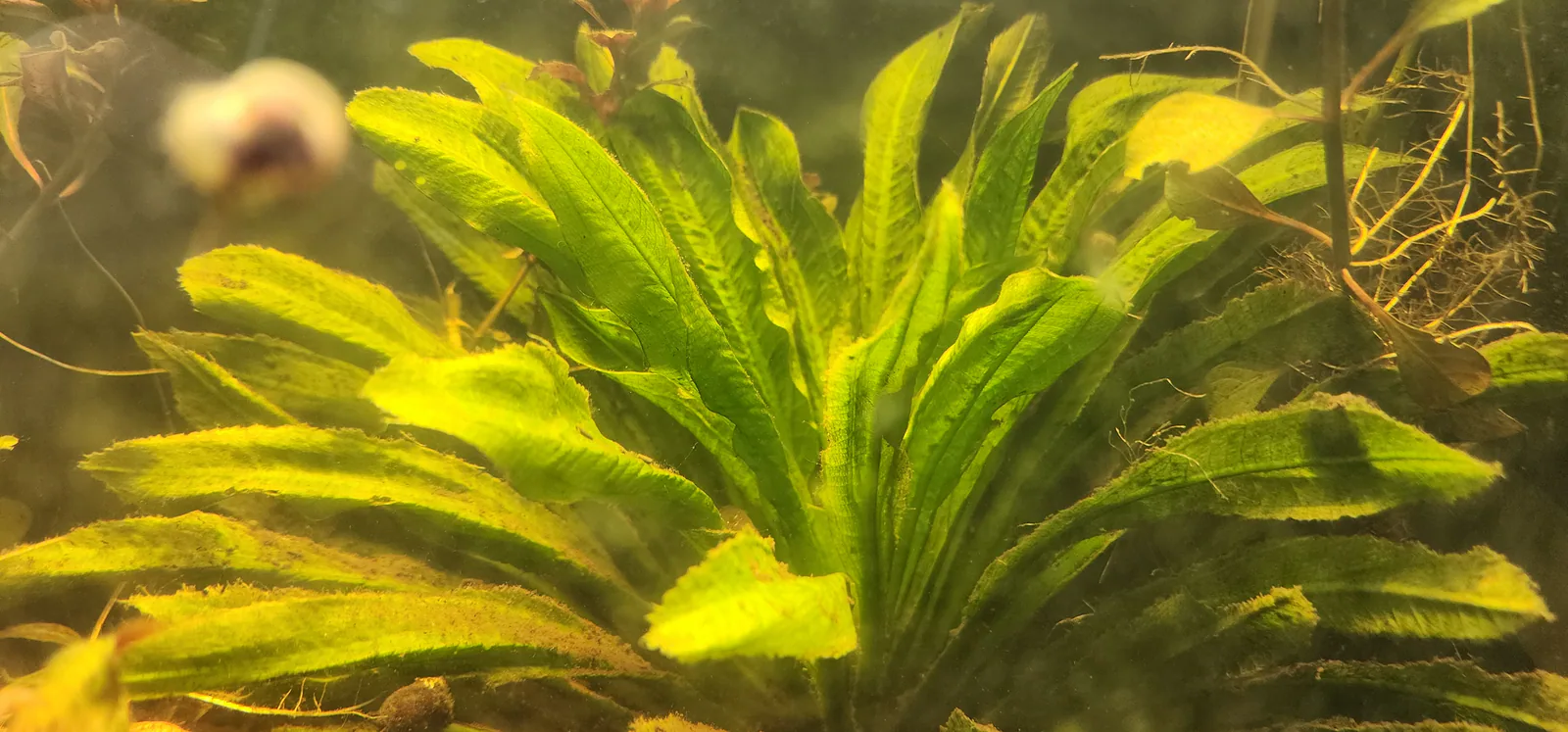
  • Amazon Sword (Echinodorus sp.): broad-leaf submerged plant; structural habitat plant
  • Sagittaria (Sagittaria sp.): submerged or emergent freshwater plant; arrowhead-family; adds vertical structure
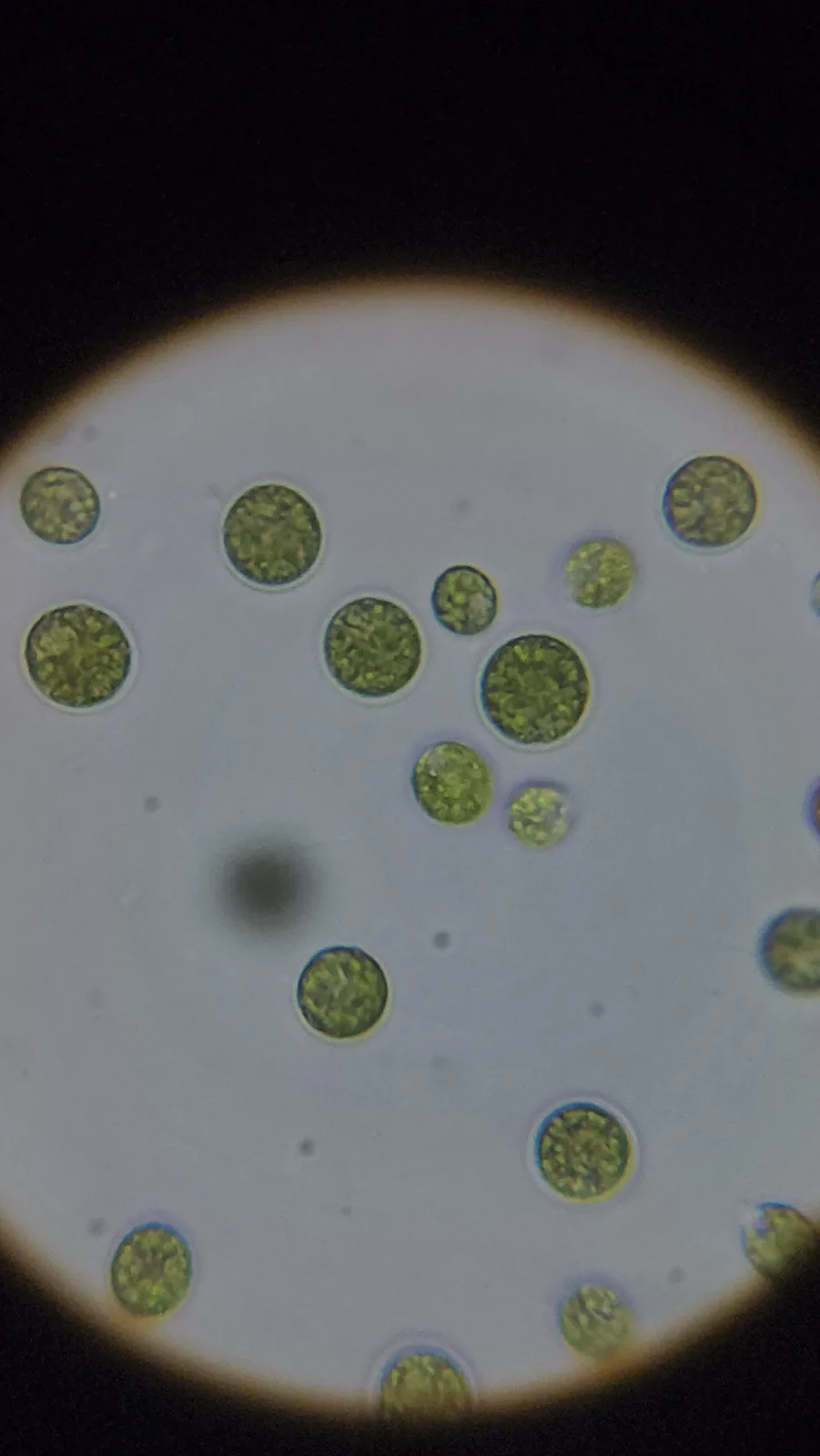
  • Suspended algae and phytoplankton: water-column producers; subject to grazer control by Cladocera; turbidity varies with grazer pressure
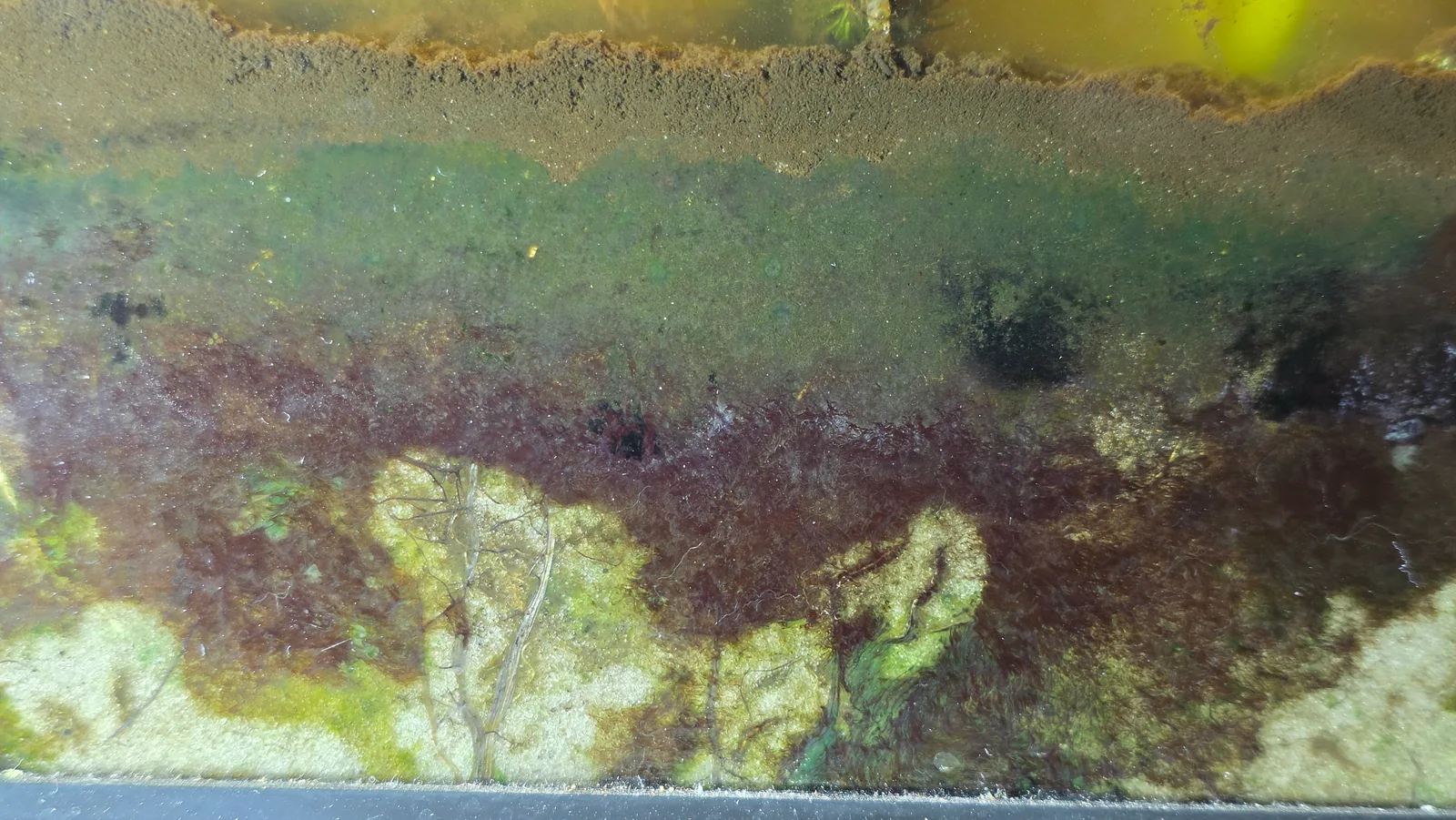
  • Biofilm: attached microbial and algal mat on surfaces; primary food source for snails, amphipods, and small invertebrates
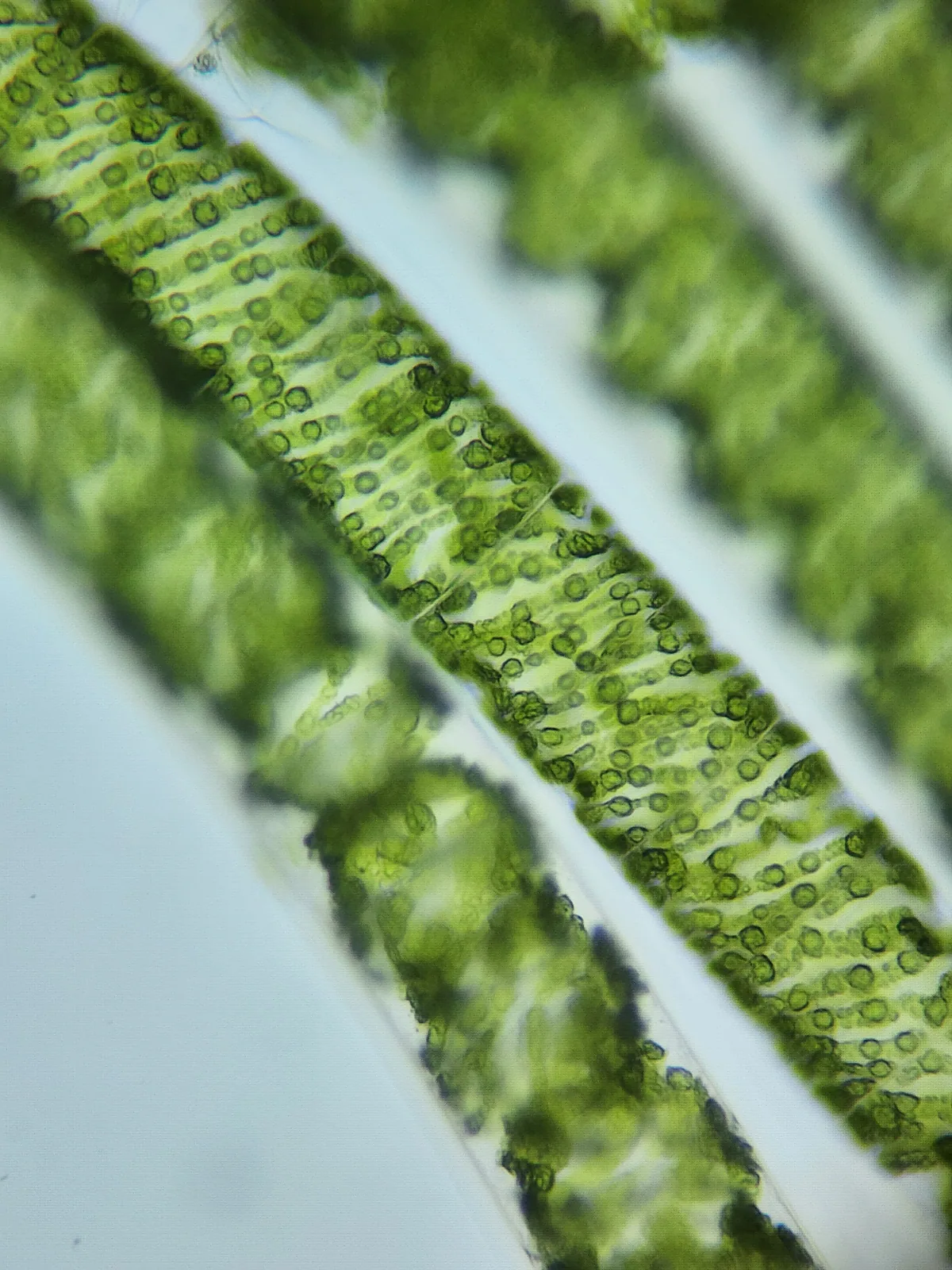
  • Macroalgae: temporary; appears and is grazed; presence varies

Filter Feeders and Microcrustaceans

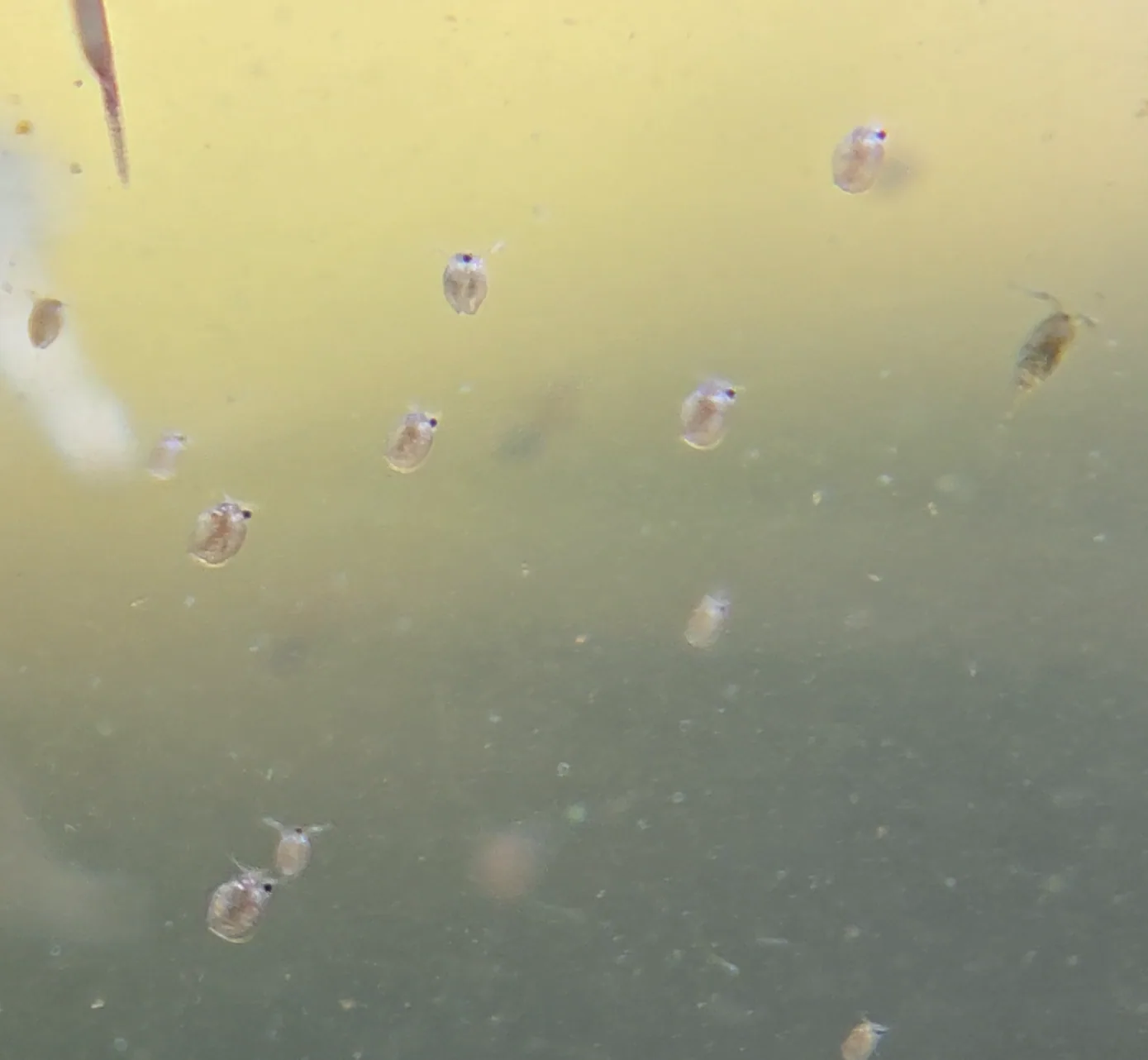
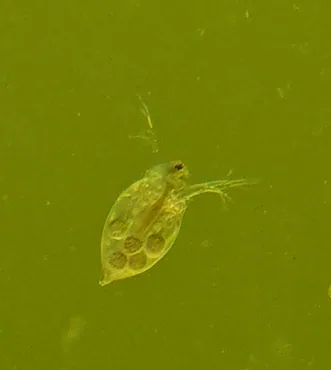
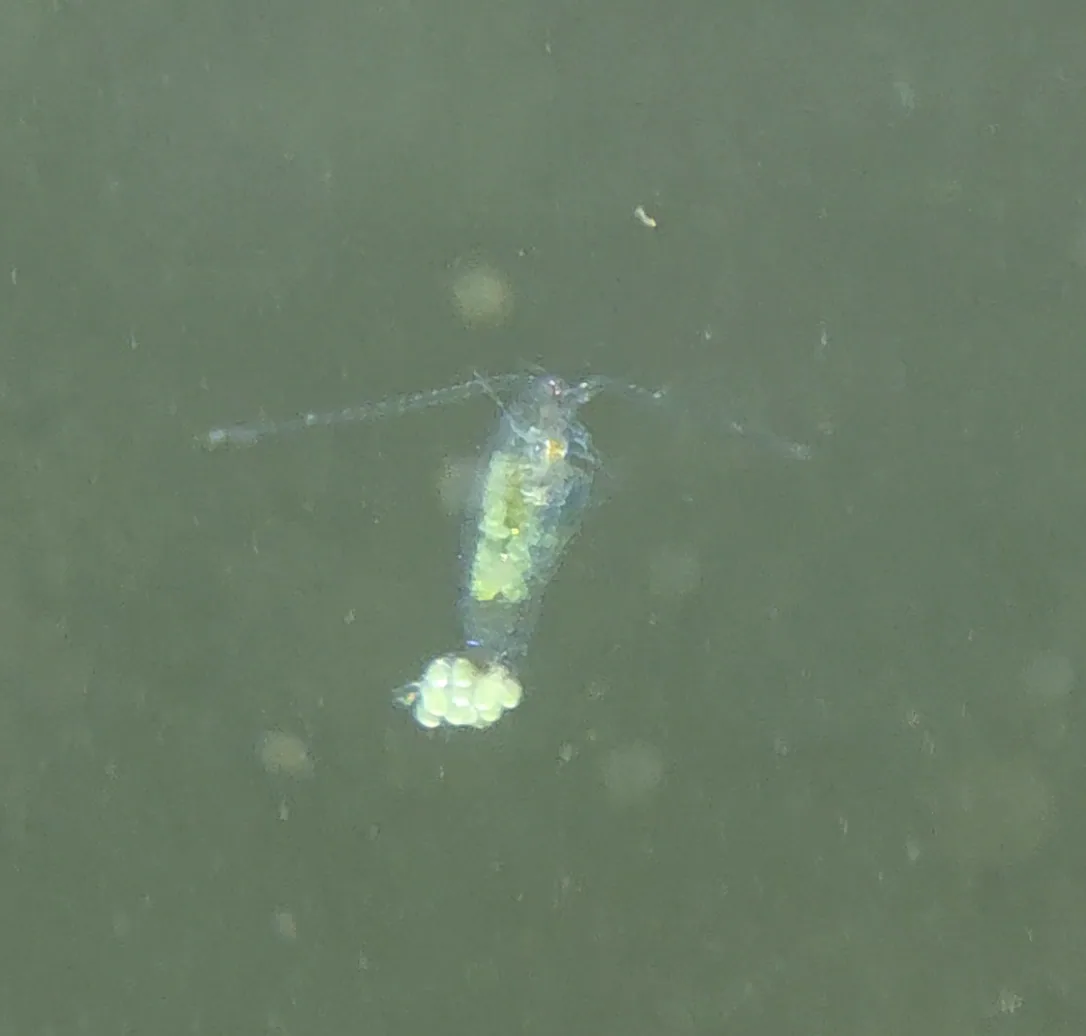
  • Daphnia-like microcrustaceans (wild-collected): large-bodied Cladocera; introduced April 8, 2026 with ostracods and hitchhikers; short-term visible persistence confirmed; long-term fate unresolved
  • Moina (Moina sp.): small Cladocera; filter feeder of fine particles and phytoplankton; introduced as part of the microcrustacean layer; fate unresolved
  • Copepods: nauplii and adult copepods; zooplankton layer; status uncertain
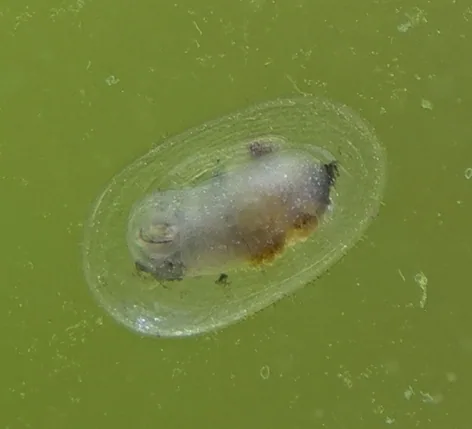
  • Seed Shrimp / Ostracods: small bivalved crustaceans; introduced April 8, 2026; benthic and pelagic; current status uncertain

Grazers and Scavengers

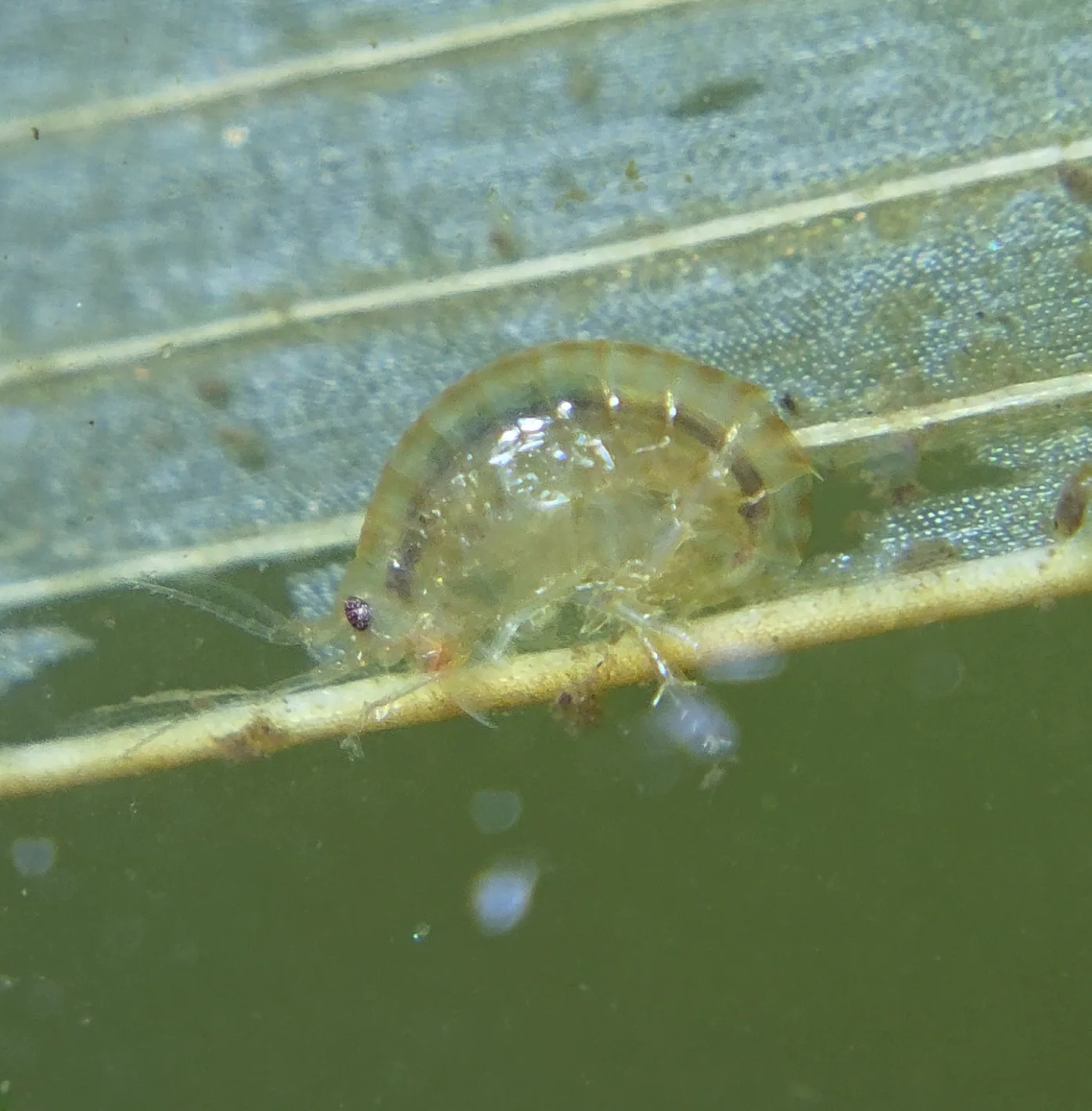
  • Freshwater Amphipods: confirmed grazing visible surface growth and biofilm (direct observation); benthic and substrate-associated; key early colonizer of the post-fish-removal recovery window
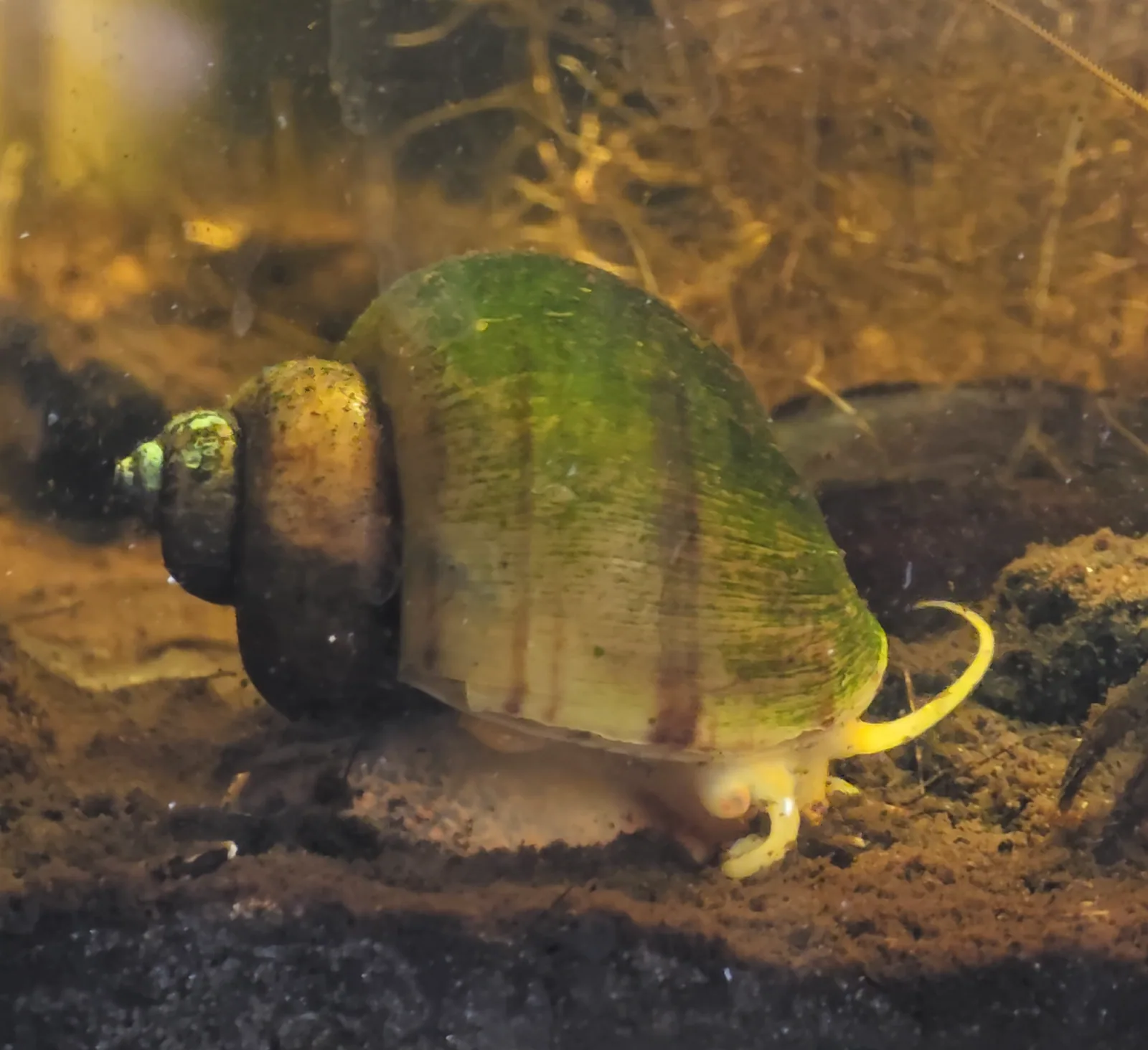
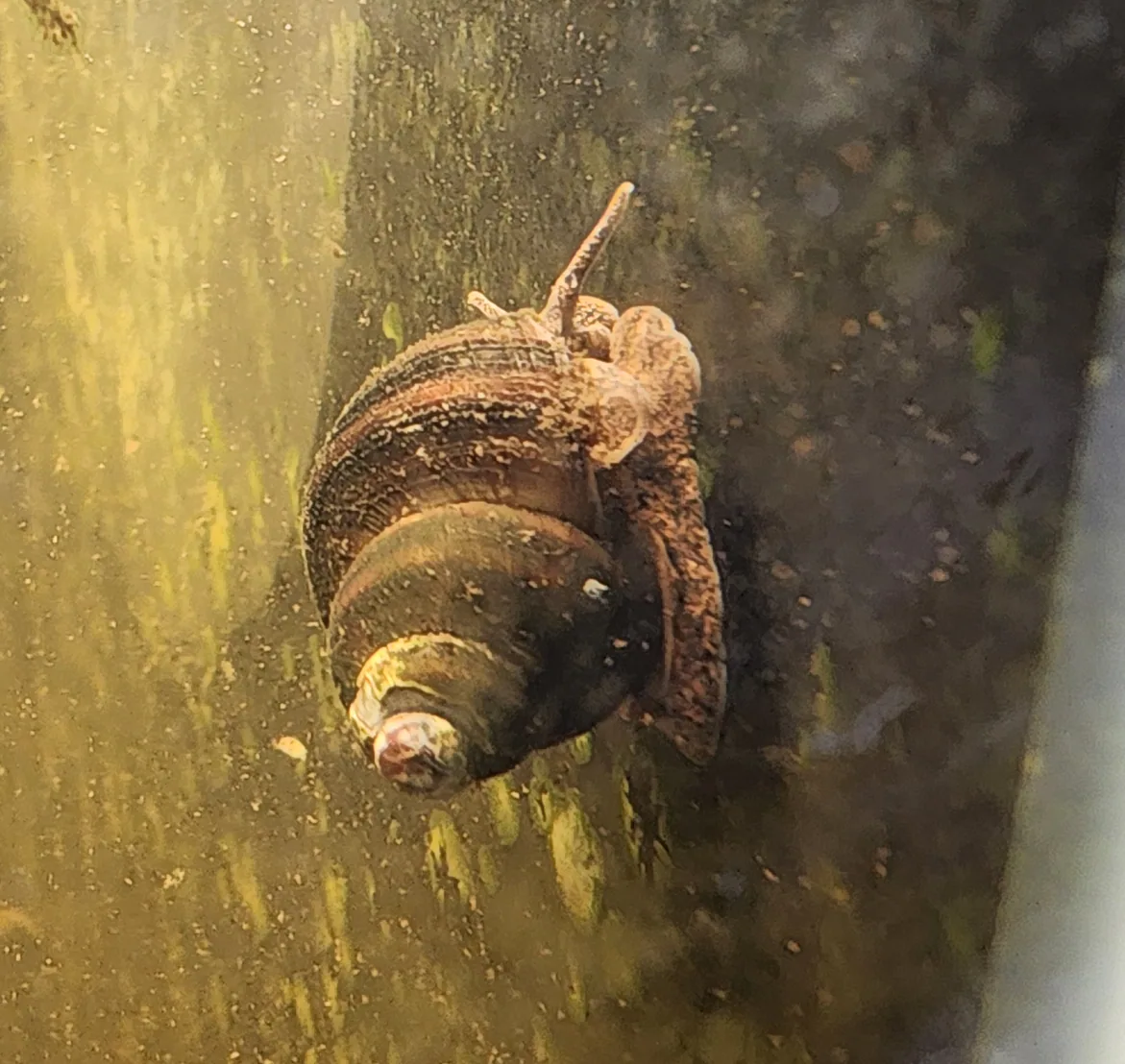
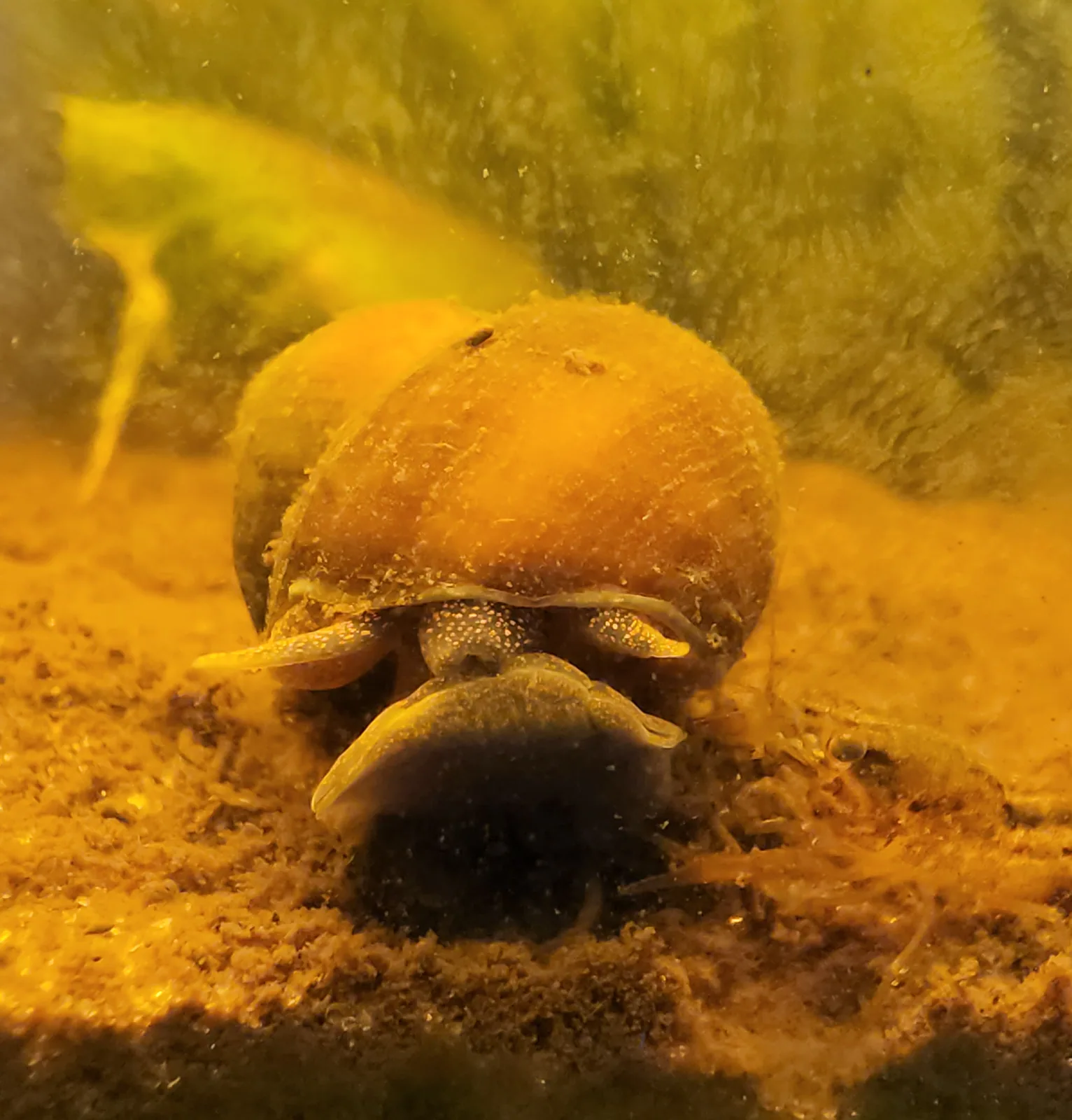
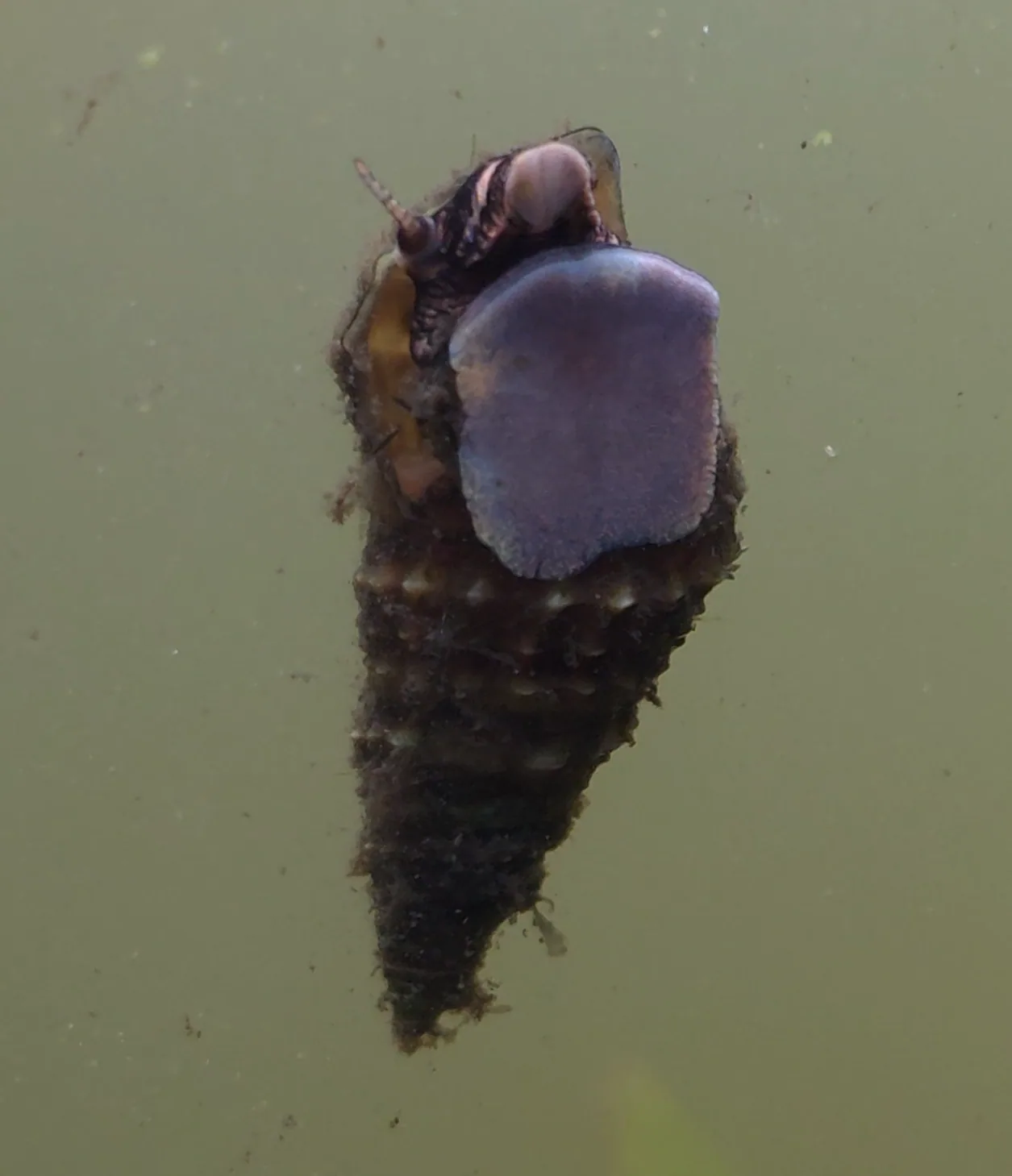
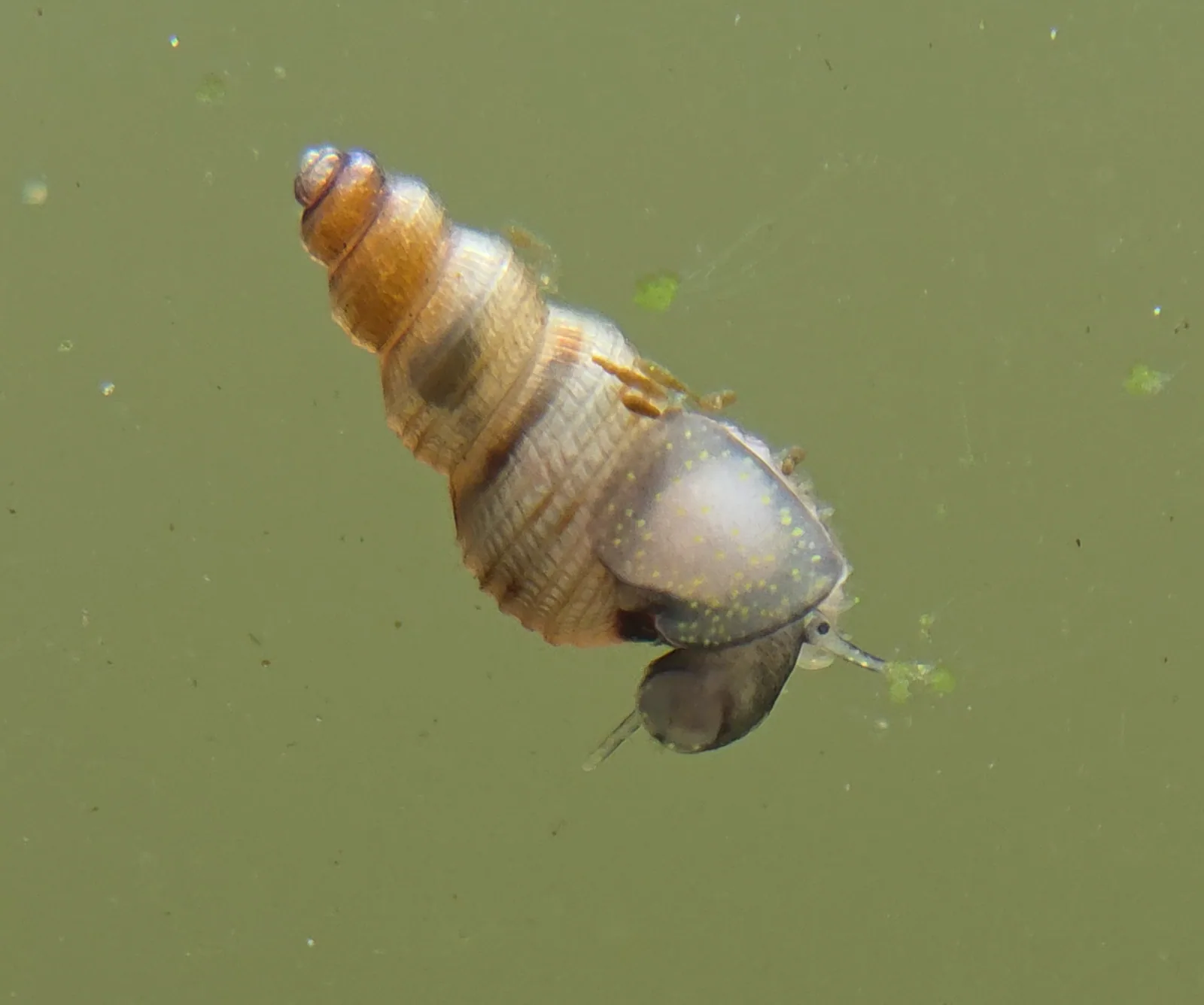
  • Bladder Snails (Physella sp.): graze biofilm and algae on plant surfaces, glass, and substrate; mobile detritivores
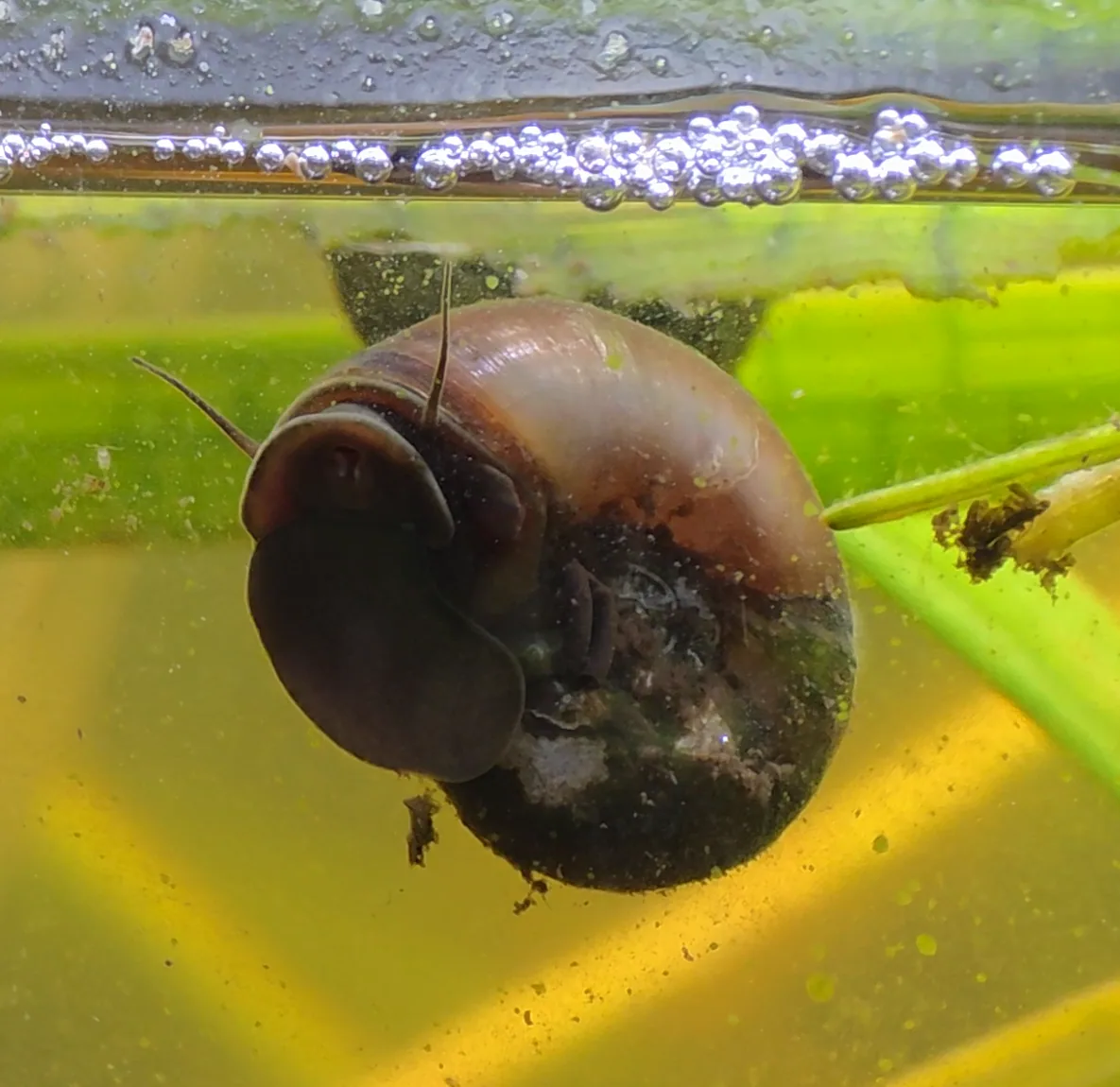
  • Seminole Ramshorn Snails (Seminolina phreatica): Florida native freshwater snails; graze algae and biofilm; possibly partitioning habitat use between Lakeshore vegetation and open Freshwater Lake areas
  • Ghost Shrimp (freshwater; Palaemonetes sp.): scavenger and grazer; breeding confirmed (zoea observed); juvenile recruitment from zoea unresolved
  • Slough Crayfish (Procambarus fallax): generalist omnivore; confirmed interactions with detritus, submerged roots, biofilm, cyanobacterial surface growth, and tapegrass tissue; benthic disturbance from digging activity

Predators (Current and Historical)

  • Mesostoma (turbellarian flatworm): documented as predation risk to microcrustaceans (Daphnia, Moina, copepods) in small freshwater systems; presence in miniBIOTA noted; current status unresolved
  • Flagfish (Jordanella floridae): Florida-endemic killifish; was the single fish in the Freshwater Lake as omnivore and microcrustacean predator; deliberately removed April 5, 2026 to reduce predation pressure; no longer present

miniBIOTA Evidence

Establishment

The Freshwater Lake was established November 14, 2022, making it the oldest biome in miniBIOTA by more than a year. It preceded the marine biomes and has been the primary freshwater reference point for the system since its founding. The lake was stocked with submerged macrophytes, freshwater invertebrates, and one Flagfish as a mid-level fish. Over the following years, snails, amphipods, shrimp, crayfish, and microcrustaceans were introduced or colonized through shared water or deliberate stocking.

Observation Timeline

  • November 14, 2022: Freshwater Lake established; first biome in miniBIOTA; stocked with macrophytes, freshwater invertebrates, and one Flagfish.
  • [Dates unconfirmed, pre-2026]: Ghost Shrimp breeding confirmed; zoea observed in the lake. Juvenile shrimp recruitment from zoea remains unresolved.
  • [Dates unconfirmed, pre-2026]: Mesostoma noted as a predation concern for microcrustaceans in the Freshwater Lake; current status unresolved.
  • [Dates unconfirmed, pre-2026]: Freshwater amphipods documented grazing visible surface growth and biofilm.
  • April 5, 2026: Flagfish (Jordanella floridae) deliberately removed to reduce predation pressure on microcrustaceans.
  • April 8, 2026: Wild-collected Daphnia-like microcrustaceans, ostracods, and associated hitchhikers introduced to the Freshwater Lake. Short-term Daphnia-like persistence confirmed visually over the following days.
  • [Post-April 8, 2026, exact dates unconfirmed]: Water clarity improved visually from the top downward. Cause not confirmed as Daphnia, Moina, or other single factor. Long-term Daphnia and Moina fate unresolved.
  • May 24, 2026: Slough Crayfish filmed feeding on older Tapegrass tissue after many weeks or months of little visible Tapegrass grazing pressure. Cautious interpretation: Tapegrass may be re-entering the active food web for some crayfish; broader grazing pattern remains unresolved.
  • June 17, 2026: Owner assessed lake condition and concluded water quality is not moving in the intended direction. Water oscillating between slightly improved clarity and nearly opaque green. Moina and calanoid copepods confirmed present but populations appear modest and stable, not rapidly expanding, insufficient to significantly reduce algae load. Snails not observed at water surface, suggesting oxygen stress is not the primary current limitation. Owner beginning to consider introducing a nutrient-absorbing aquatic plant (Ludwigia-type function, crayfish-palatable) as the next management phase.
  • June 25, 2026: A substantial Daphnia population confirmed in the lower water column of the Freshwater Lake; green algae remains abundant and persistent despite Daphnia presence. Moina confirmed in dense vegetation. The owner proposes that elevated water temperature is limiting Daphnia and Moina population growth, preventing them from keeping pace with the algae growth rate. The heat exchanger is flagged as the priority intervention to address the temperature-limitation hypothesis. This observation resolves the prior open question of whether Daphnia-like microcrustaceans persisted beyond the April 2026 introduction window: they did. Observation record, June 25, 2026.
  • June 28, 2026: Twelve Amazon Sword leaves found floating at the surface of the Freshwater Lake. Water column too opaque to inspect the plant base directly. The volume of detached leaves suggests the remaining Amazon Sword plant may have collapsed; extirpation from the Freshwater Lake is possible but unconfirmed. Observation record, June 28, 2026.
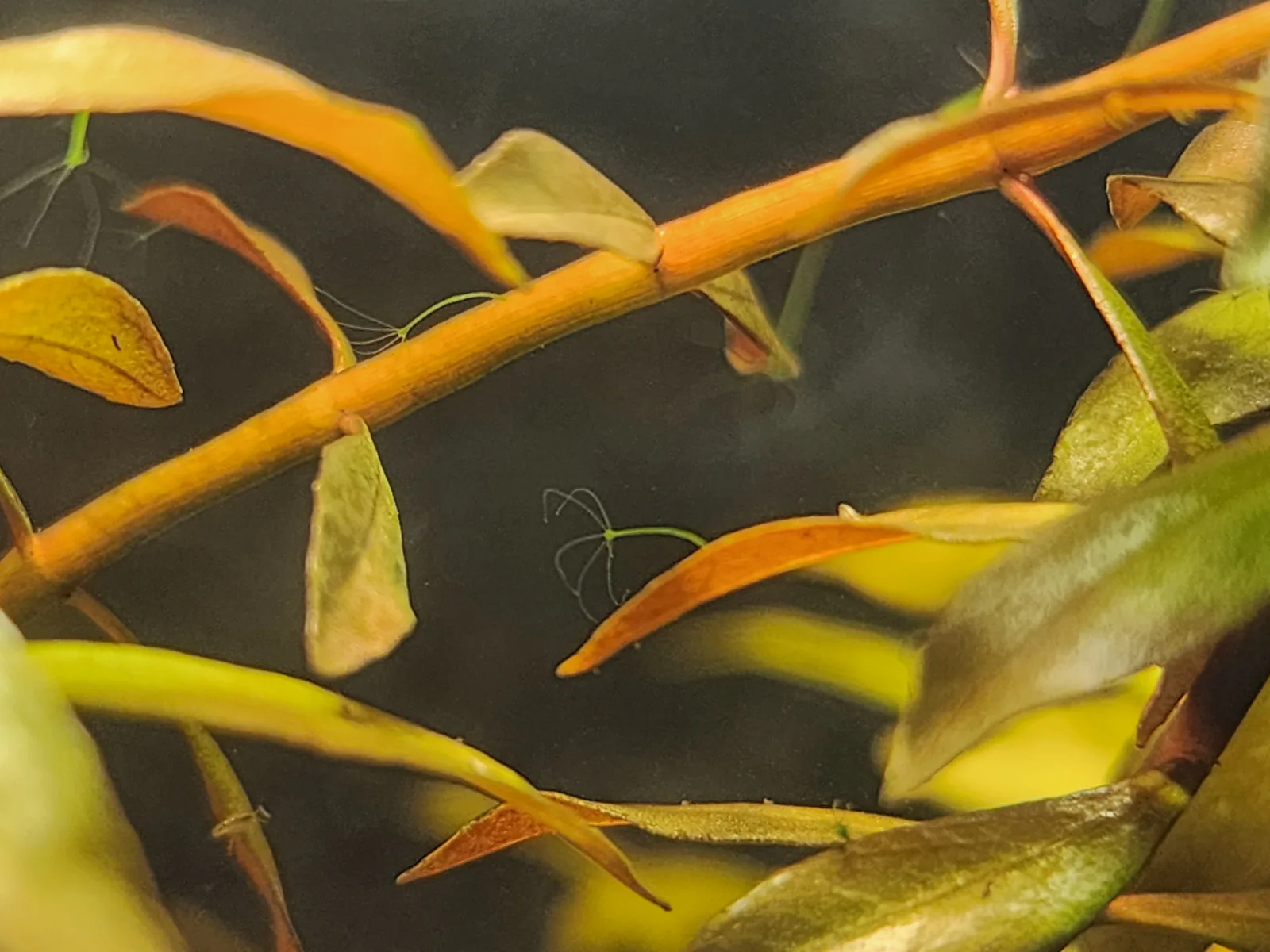
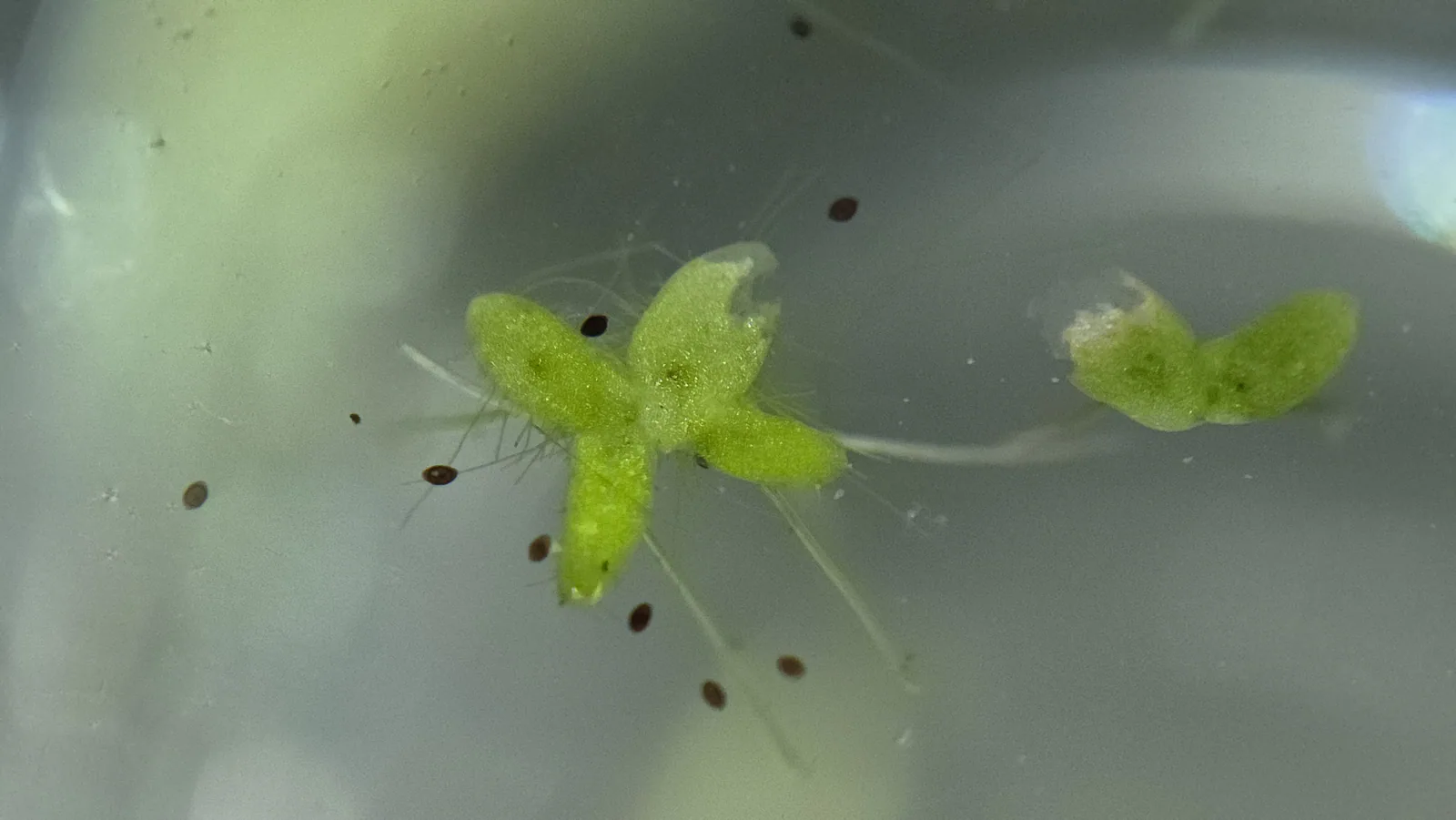
  • June 30, 2026: Four floating plant species introduced to the Freshwater Lake as a final evaluation of whether floating vegetation can shift nutrient dynamics and improve water clarity in response to persistent green water: Valdivia Duckweed (Lemna valdiviana), Lesser Duckweed (Lemna aequinoctialis), Dotted Duckweed (Landoltia punctata), and Water Spangles (Salvinia minima). A prior decision against duckweed reintroduction was reversed by the persistent green water. No fish are currently present to graze the plants; surface access more limited compared to prior attempts. Valdivia Duckweed identified to species level for the first time. Framed as a final evaluation, not an expectation of stable establishment. Video documented. Observation record, June 30, 2026.
  • June 30, 2026: Hornwort (Ceratophyllum sp.) and a generous amount of filamentous algae also introduced to the Freshwater Lake as part of the same nutrient-reduction session. Both species are fast-growing and capable of absorbing dissolved nutrients from the water column. Slough Crayfish are expected to consume both; the observer's strategy is that if plant growth rate exceeds consumption rate, they function simultaneously as a nutrient sink and a crayfish food source. Light intensity briefly reduced following the introduction to minimize plant stress during acclimation, then restored to full intensity the same day. Observation record, June 30, 2026.
  • June 30, 2026: After restoring light to full intensity, the observer noted that floating plants introduced earlier the same day were already casting a noticeable shadow on submerged vegetation below. Based on this, the observer revised expectations for the floating plant trial: strap-leaf sagittaria and tapegrass are predicted to elongate their leaves toward the surface in response to shading; those leaves are expected to give Slough Crayfish physical access to the floating duckweed, replicating the consumption pattern of prior failed trials. The observer now predicts the duckweed will be extirpated again within approximately three months, even without fish present. Hypothesis recorded for future evaluation: floating plants such as duckweed may be better suited to a future open-water lake design with few or no submerged emergent plants beneath them, where crayfish would have far less physical access to the surface. Observation record, June 30, 2026.
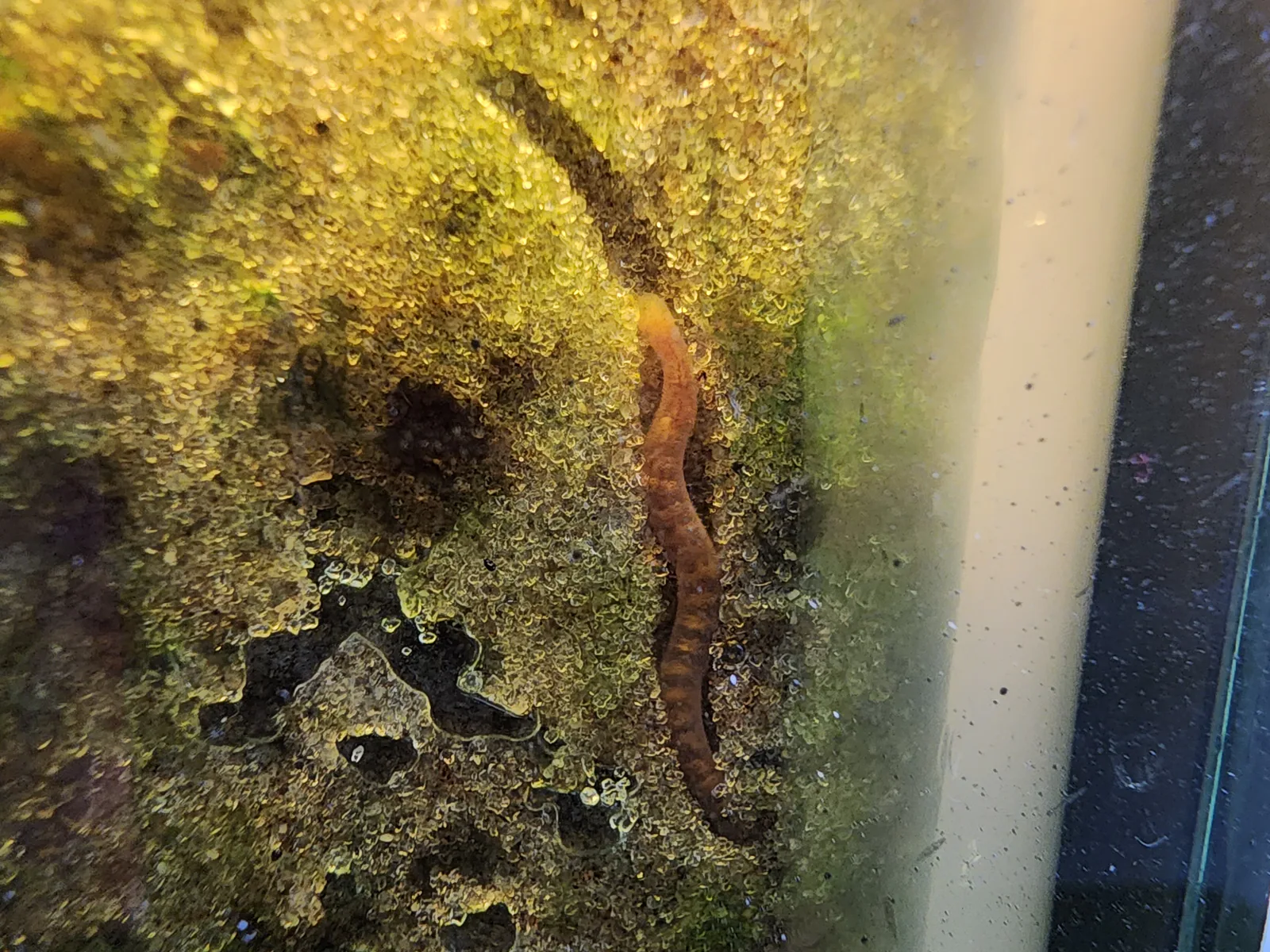
  • June 30, 2026: Freshwater Limpet and a planarian (new to the records) both observed in the Freshwater Lake. First sighting of either species in some time. Origin is uncertain: both may have persisted undetected in the system, or may have arrived as hitchhikers on the plant material introduced the same day. Documented as confirmed present only; no population estimate. Video documented. Observation record, June 30, 2026.
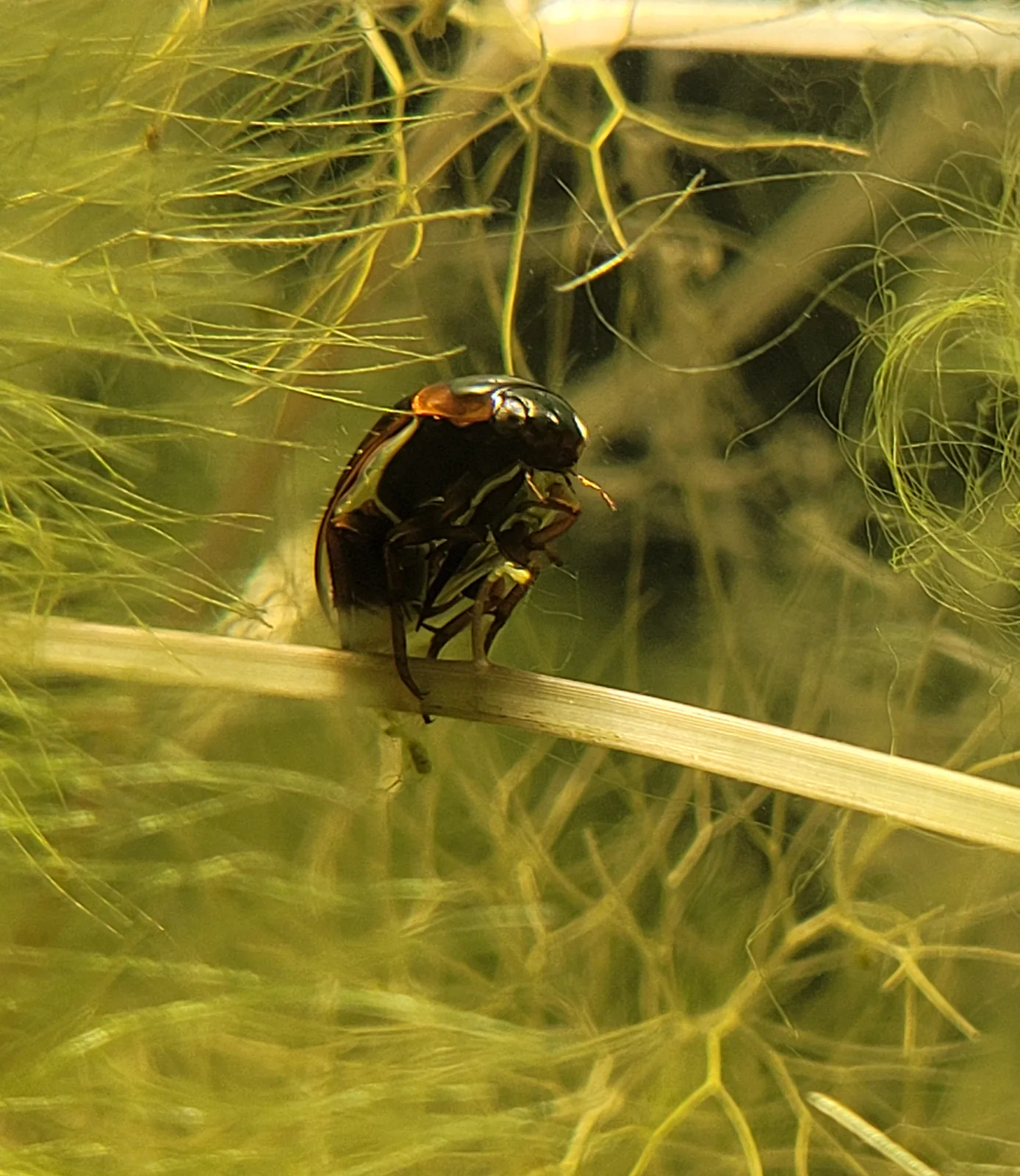
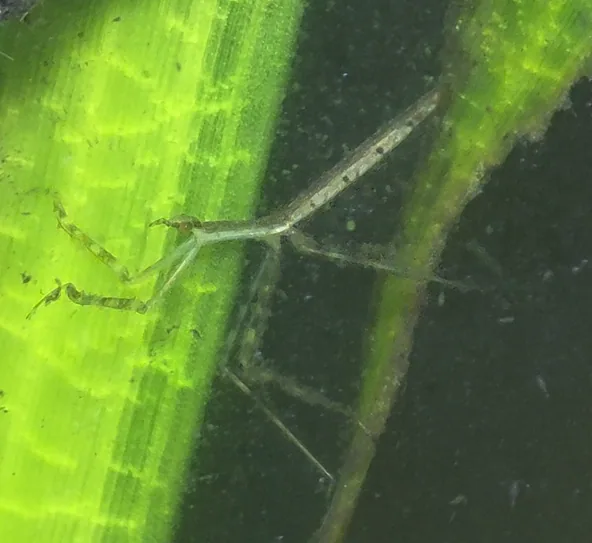
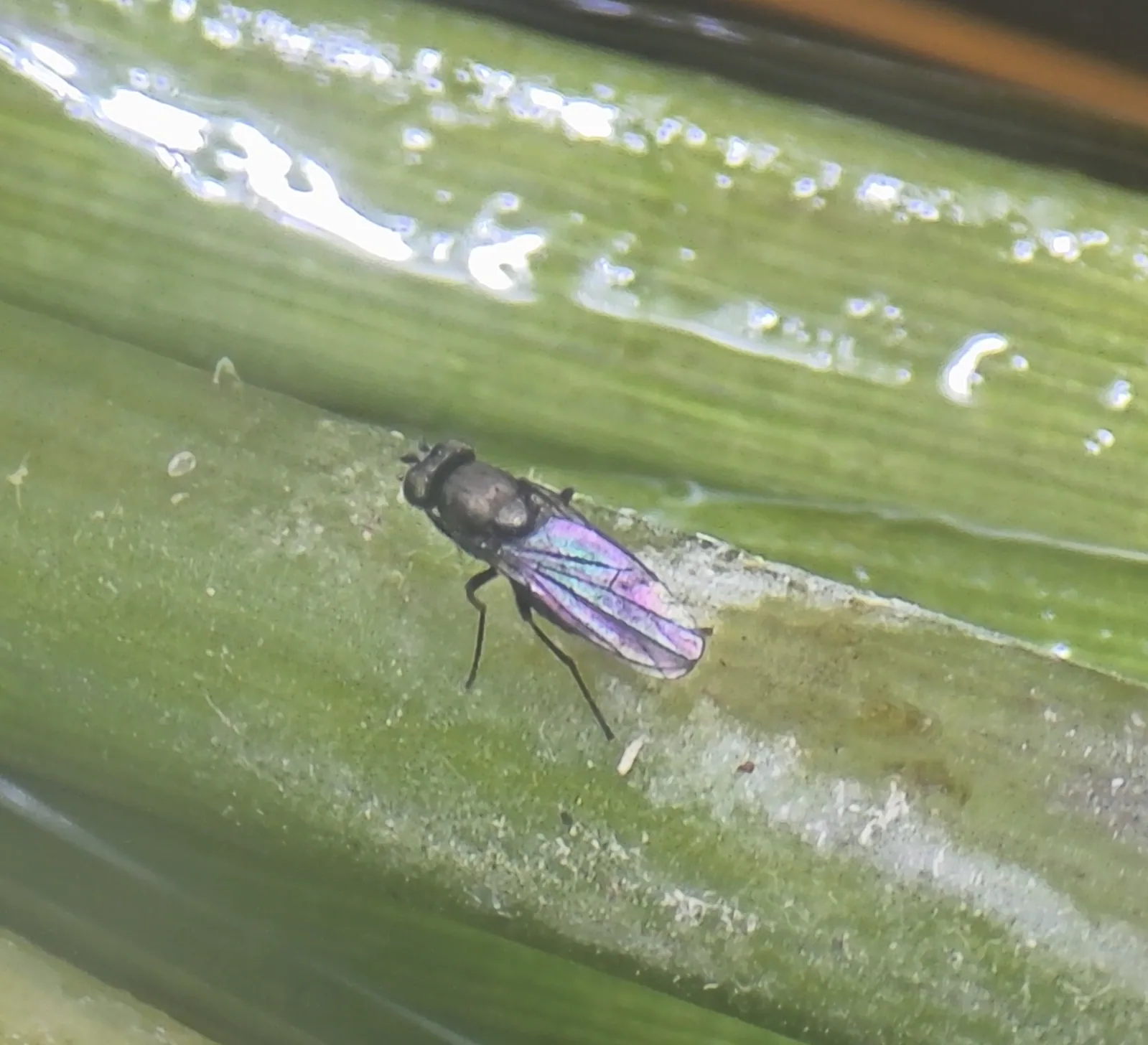
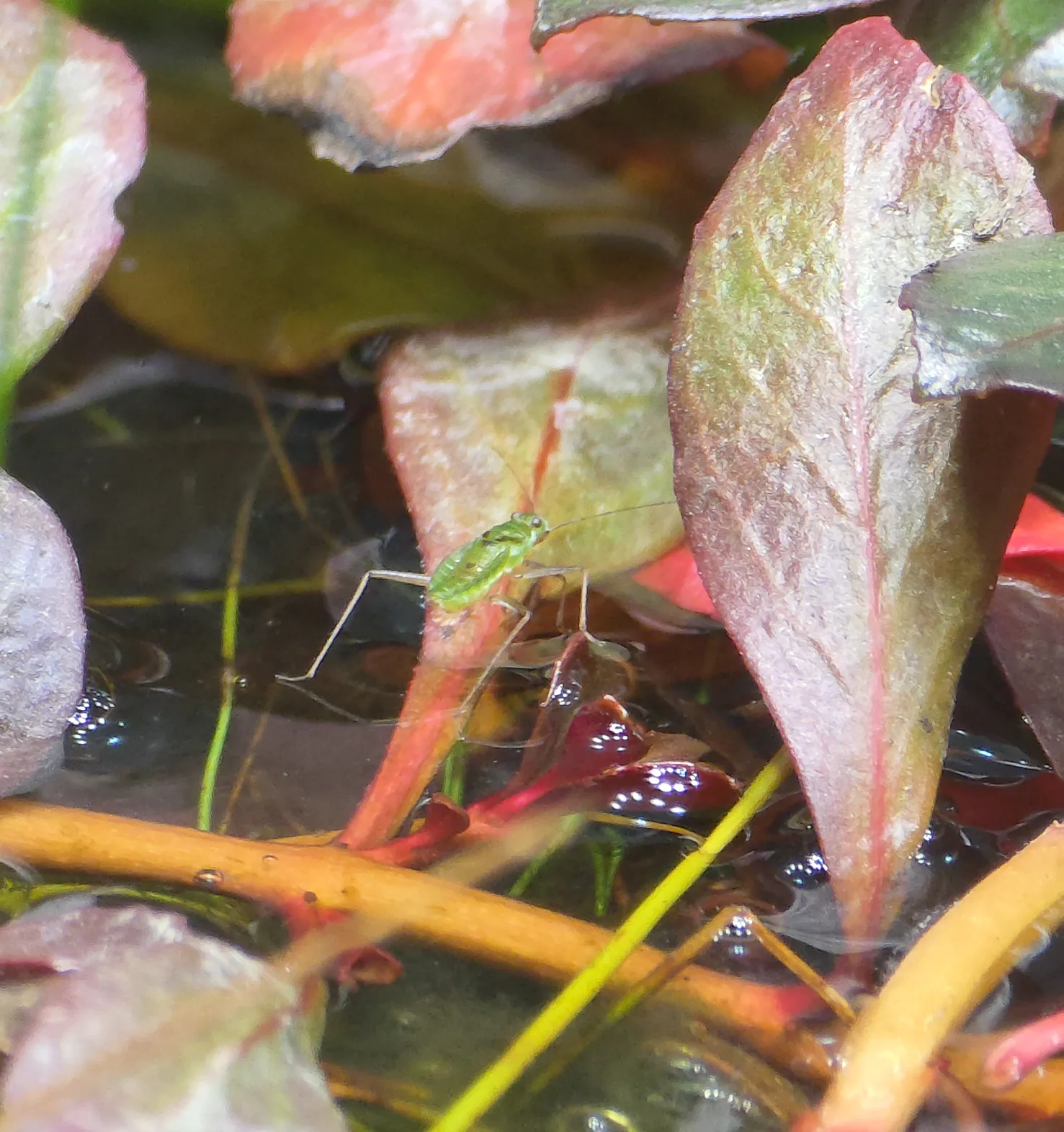
  • June 30, 2026: Aquatic Beetle (very small, approximately 1 to 2 mm, with enlarged hook-like front legs) observed and video documented in the Freshwater Lake. First detailed video footage of this species, captured at sufficient magnification to reveal morphological detail. The individual has been observed occasionally since the wetland collection that introduced Daphnia and other organisms to the system; this is the first video record. Active movement through open water documented. Predatory role hypothesized based on front leg morphology; not confirmed by direct feeding observation. Species unidentified. Video documented. Observation record, June 30, 2026.
  • July 1, 2026: One day after the introduction of four floating plant species, hornwort, and filamentous algae, Slough Crayfish were observed climbing to the water surface and hanging beneath floating vegetation to feed on duckweed and other floating plants from below, while concentrating heavily on hornwort and the filamentous algae intertwined with it. The observer predicts the introduced plants may again be eliminated before establishing, reinforcing the hypothesis that floating and fast-growing aquatic plants cannot persist in the Freshwater Lake under current crayfish population pressure. Video documented. Observation record, July 1, 2026.
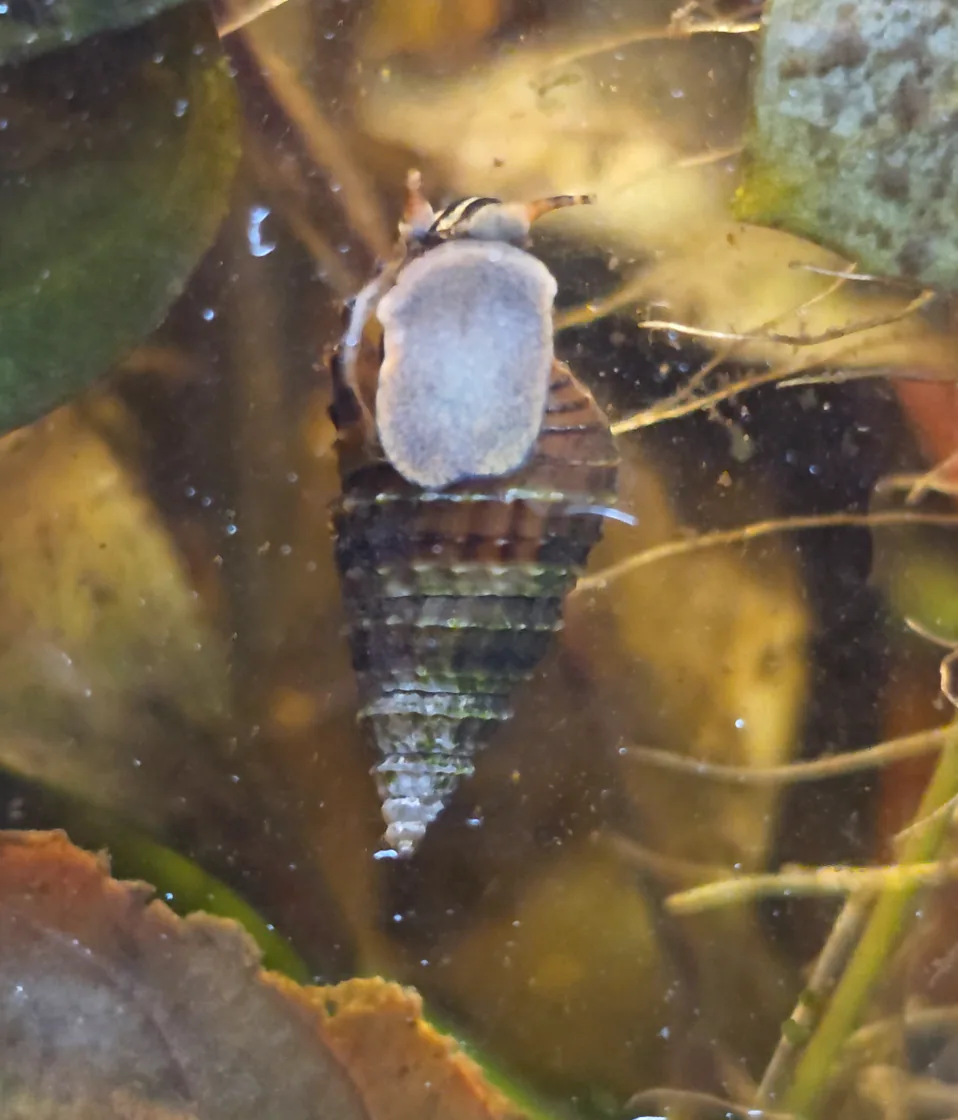
  • July 1, 2026: The highest number of Malaysian Trumpet Snails yet observed on the Freshwater Lake glass at one time was recorded, mostly juveniles climbing upward. This behavior raised a working hypothesis of developing oxygen stress, tentatively linked to the floating plants introduced June 30, 2026: increased surface coverage may reduce atmospheric gas exchange, and shading of submerged vegetation may reduce photosynthetic oxygen production. Not confirmed; flagged for monitoring. Video documented. Observation record, July 1, 2026.

What Is Confirmed

  • Freshwater Lake established November 14, 2022.
  • Tapegrass, Amazon sword, and sagittaria present as submerged macrophytes.
  • Ghost Shrimp breeding confirmed (zoea observed); juvenile recruitment unresolved.
  • Freshwater amphipods observed grazing surface growth and biofilm.
  • Flagfish removed April 5, 2026.
  • Daphnia-like microcrustaceans, ostracods, and hitchhikers introduced April 8, 2026; short-term persistence confirmed.
  • Water clarity improved visually after fish removal; cause unconfirmed.
  • Moina and calanoid copepods confirmed present as of June 17, 2026; populations modest and stable, not rapidly expanding.
  • Green water condition persisting as of June 17, 2026; water oscillating between slightly improved clarity and nearly opaque green.
  • Daphnia confirmed present in the Freshwater Lake lower water column as of June 25, 2026; persistent eleven weeks beyond the last prior confirmed sighting on April 13, 2026.
  • Moina confirmed present in dense vegetation as of June 25, 2026.
  • Green algae remains abundant and persistent despite Daphnia and Moina presence as of June 25, 2026; elevated water temperature proposed as the limiting factor.
  • Twelve Amazon Sword leaves found floating at the Freshwater Lake surface on June 28, 2026.
  • Four floating plant species (Valdivia Duckweed, Lesser Duckweed, Dotted Duckweed, Water Spangles), hornwort, and filamentous algae introduced June 30, 2026 as a nutrient-reduction trial.
  • Freshwater Limpet confirmed present June 30, 2026; first sighting in some time; origin uncertain.
  • Planarian confirmed present June 30, 2026; first recorded observation; origin uncertain.
  • Aquatic Beetle (approximately 1-2 mm, hook-like front legs) confirmed present in the Freshwater Lake June 30, 2026; first video documentation.
  • Slough Crayfish feeding on older Tapegrass tissue confirmed.
  • Bladder Snails and Seminole Ramshorn Snails present.
  • Mesostoma noted as a documented predation risk; current presence unresolved.
  • Slough Crayfish confirmed rapidly exploiting newly introduced floating plants, hornwort, and filamentous algae within one day of introduction, July 1, 2026.
  • Highest number of Malaysian Trumpet Snails yet observed on the Freshwater Lake glass at one time, mostly juveniles climbing upward, July 1, 2026.

What Is Inferred

  • Reducing fish (Flagfish) predation pressure likely opened ecological space for microcrustaceans and amphipods; whether any specific population recovered durably is unresolved.
  • The visual water clarity improvement is consistent with zooplankton grazing pressure on phytoplankton, but cannot be assigned to a single organism or mechanism.
  • Substrate anaerobic zones are likely developing given the organic detritus accumulation; dissolved oxygen in the substrate zone has not been measured.
  • Macrophytes are providing oxygen production and invertebrate refuge; their health and growth rate have not been formally assessed.

What Remains Unknown

  • Whether elevated water temperature is the primary factor preventing Daphnia and Moina from keeping pace with algae growth rate (proposed June 25, 2026; heat exchanger flagged as priority intervention; not yet confirmed).
  • Whether Moina established any durable open-water population.
  • Whether Mesostoma are currently present and actively predating microcrustaceans.
  • Whether ostracods/seed shrimp persist at low levels or are effectively gone.
  • Whether Ghost Shrimp zoea ever recruited into settled juveniles.
  • What is currently causing or maintaining the improved water clarity.
  • Dissolved oxygen, pH, alkalinity, temperature, and nutrient levels in the Freshwater Lake.
  • Whether the Slough Crayfish tapegrass-feeding signal represents a recurring pattern or a brief individual event.
  • Current species roster after fresh readback; which species in species_to_biomes are currently active.
  • Whether Amazon Sword has been extirpated from the Freshwater Lake; the plant base could not be inspected due to water opacity as of June 28, 2026.
  • Whether the June 30, 2026 floating plant introduction will be eliminated by crayfish grazing before establishing, as predicted July 1, 2026.
  • Whether dissolved oxygen is declining in the Freshwater Lake, and whether floating plant surface coverage is a contributing cause (hypothesis raised July 1, 2026).

Active Ecological Tensions

Amazon Sword possible extirpation (new as of June 28, 2026): Twelve detached Amazon Sword leaves were found floating at the Freshwater Lake surface on June 28, 2026. The volume of detached leaves suggests the remaining plant may have collapsed. Water opacity prevented direct inspection of the plant base. If extirpated, Amazon Sword is lost as a structural macrophyte alongside Tapegrass and Sagittaria, reducing the lake's submerged canopy and biofilm-colonized surface area for snails, amphipods, and small invertebrates. Confirmation requires improved water clarity or direct observation of the plant base.

Microcrustacean persistence confirmed; cascade still not clearing algae (assessment June 25, 2026): Daphnia confirmed in the lower water column and Moina confirmed in dense vegetation as of June 25, 2026, resolving the prior question of whether microcrustaceans persisted at all. However, green algae remains abundant and persistent despite their presence. The owner proposes that elevated water temperature is the limiting factor, preventing Daphnia and Moina populations from growing fast enough to keep pace with algae growth rate. The heat exchanger is flagged as the priority intervention. What is limiting microcrustacean expansion from a grazing standpoint, whether it is temperature, Mesostoma predation, system capacity, or a combination, remains unresolved.
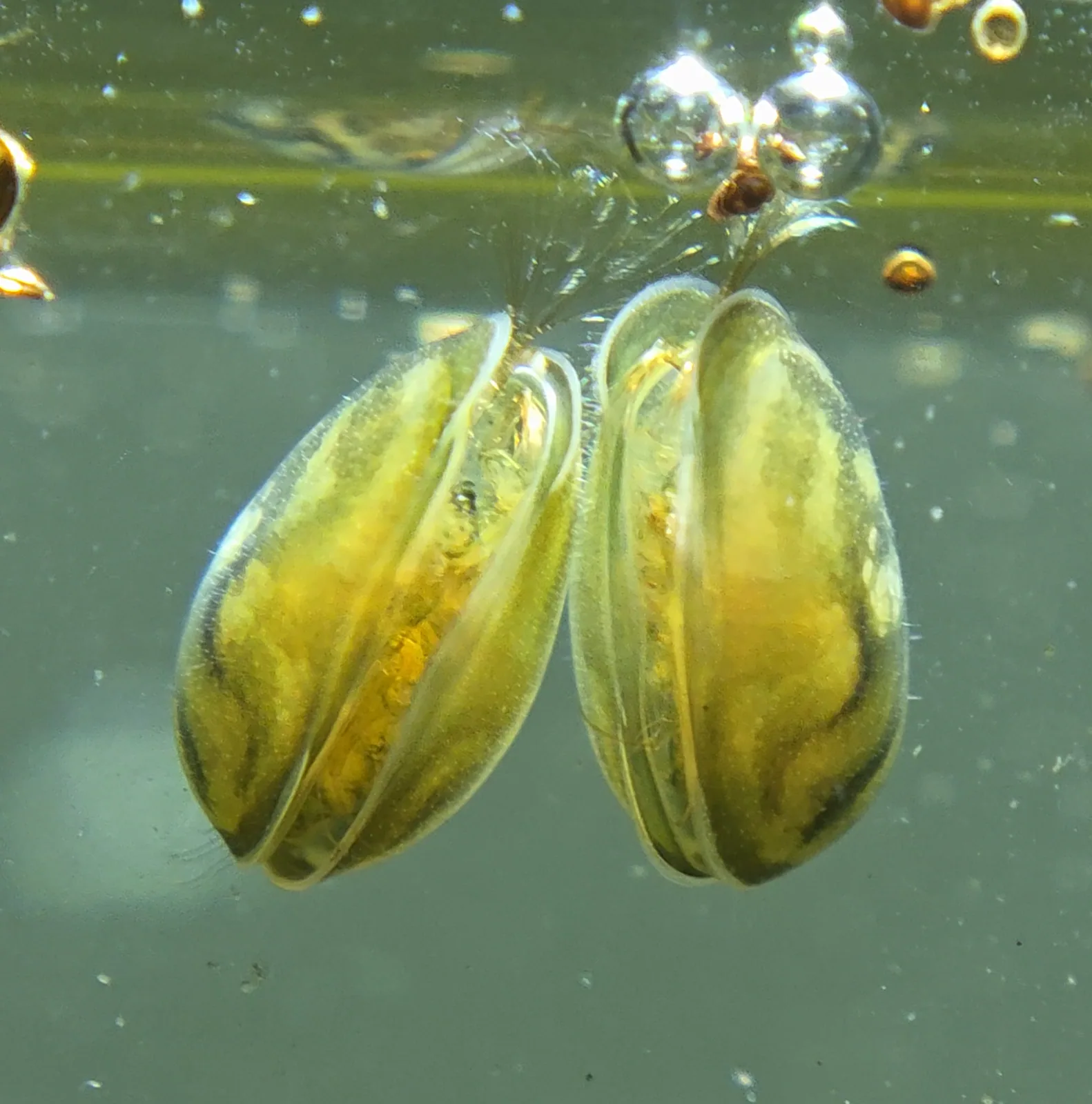
Mesostoma predation (unresolved risk): Mesostoma are documented microcrustacean predators capable of suppressing Daphnia, Moina, and copepod populations in enclosed freshwater systems. Their presence and activity in miniBIOTA have been noted but not resolved. If Mesostoma are active, they represent a major constraint on microcrustacean recovery regardless of fish removal.

Ghost Shrimp recruitment (unresolved): Ghost Shrimp zoea have been observed but juvenile shrimp recruitment has not been confirmed. Whether the Ghost Shrimp population is self-sustaining or depends on adult introductions remains unresolved.
Crayfish and tapegrass grazing balance (watch): Slough Crayfish were observed feeding on tapegrass tissue after a period of little visible grazing. If grazing resumes at the intensity it had during prior high-pressure periods, tapegrass may be reduced. The balance between crayfish population size, tapegrass growth rate, and snail grazing will determine plant cover trajectory.

Dissolved oxygen risk in substrate (unmeasured): Organic detritus accumulation in the substrate creates conditions for anaerobic decomposition and potential hydrogen sulfide production at depth. Dissolved oxygen in the substrate and near-substrate water column has not been measured. This is a documented measurement gap with potential consequences for benthic invertebrates.

Rapid crayfish exploitation of the June 30, 2026 floating plant introduction (new July 1, 2026): One day after four floating plant species, hornwort, and filamentous algae were introduced, Slough Crayfish were observed climbing to the surface and feeding on all of them from below, concentrating heavily on hornwort and filamentous algae. The observer predicts the introduced plants may again be eliminated before establishing, consistent with the June 30, 2026 hypothesis that floating and fast-growing plants cannot persist in the lake under current crayfish pressure. Whether growth rate can outpace this grazing pressure for any of the introduced species remains unresolved.
Possible dissolved oxygen decline linked to floating plant surface coverage (new July 1, 2026, hypothesis): The highest number of Malaysian Trumpet Snails yet observed on the Freshwater Lake glass at one time, mostly juveniles climbing upward, raised a working hypothesis that floating plant surface coverage introduced June 30, 2026 may be reducing atmospheric gas exchange and shading submerged vegetation, potentially compounding a decline in dissolved oxygen. No dissolved oxygen measurement has been taken to confirm this. If oxygen stress is developing, it could affect the broader invertebrate community beyond Malaysian Trumpet Snails.