Palaemon paludosus

Ghost Shrimp

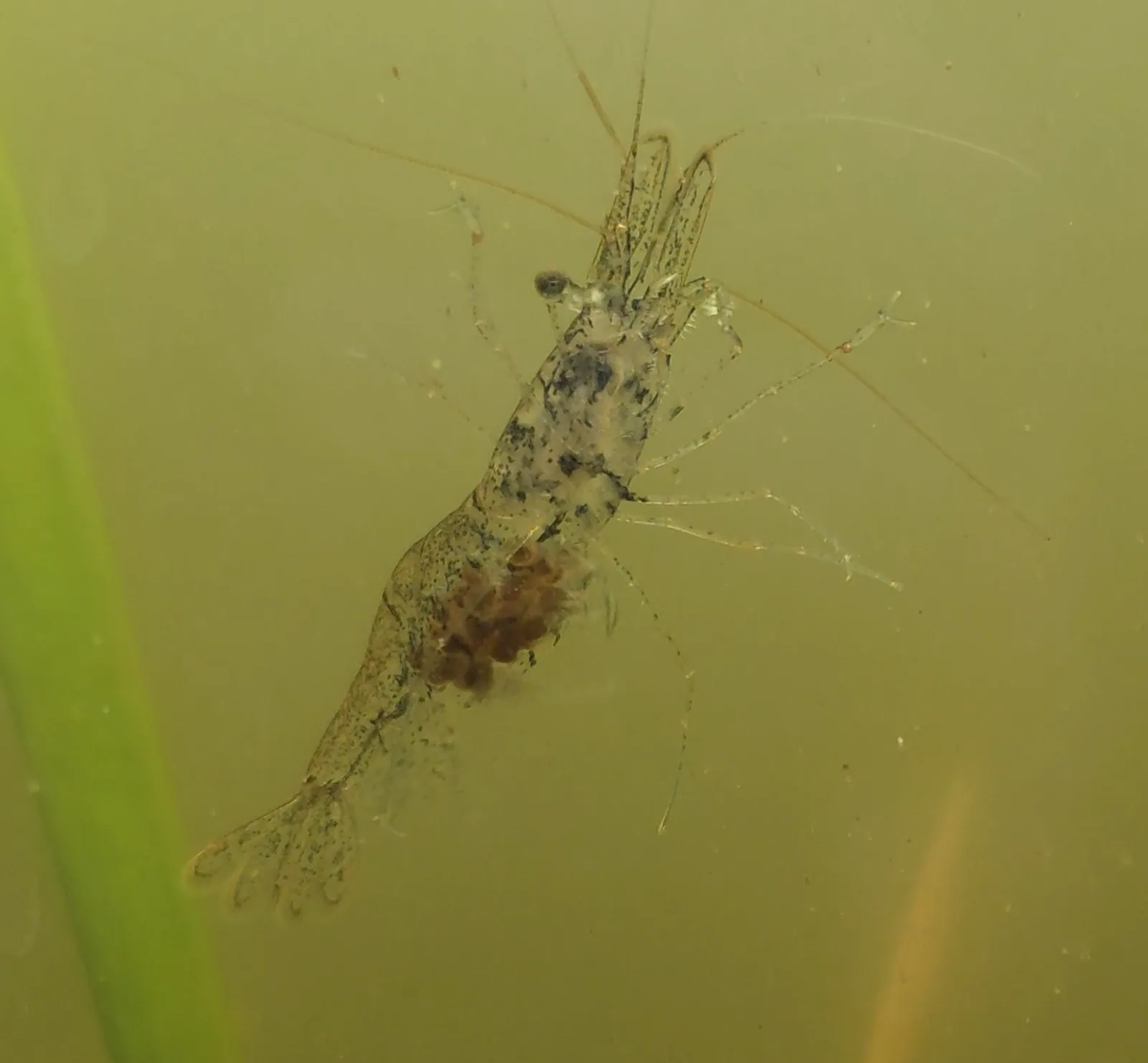
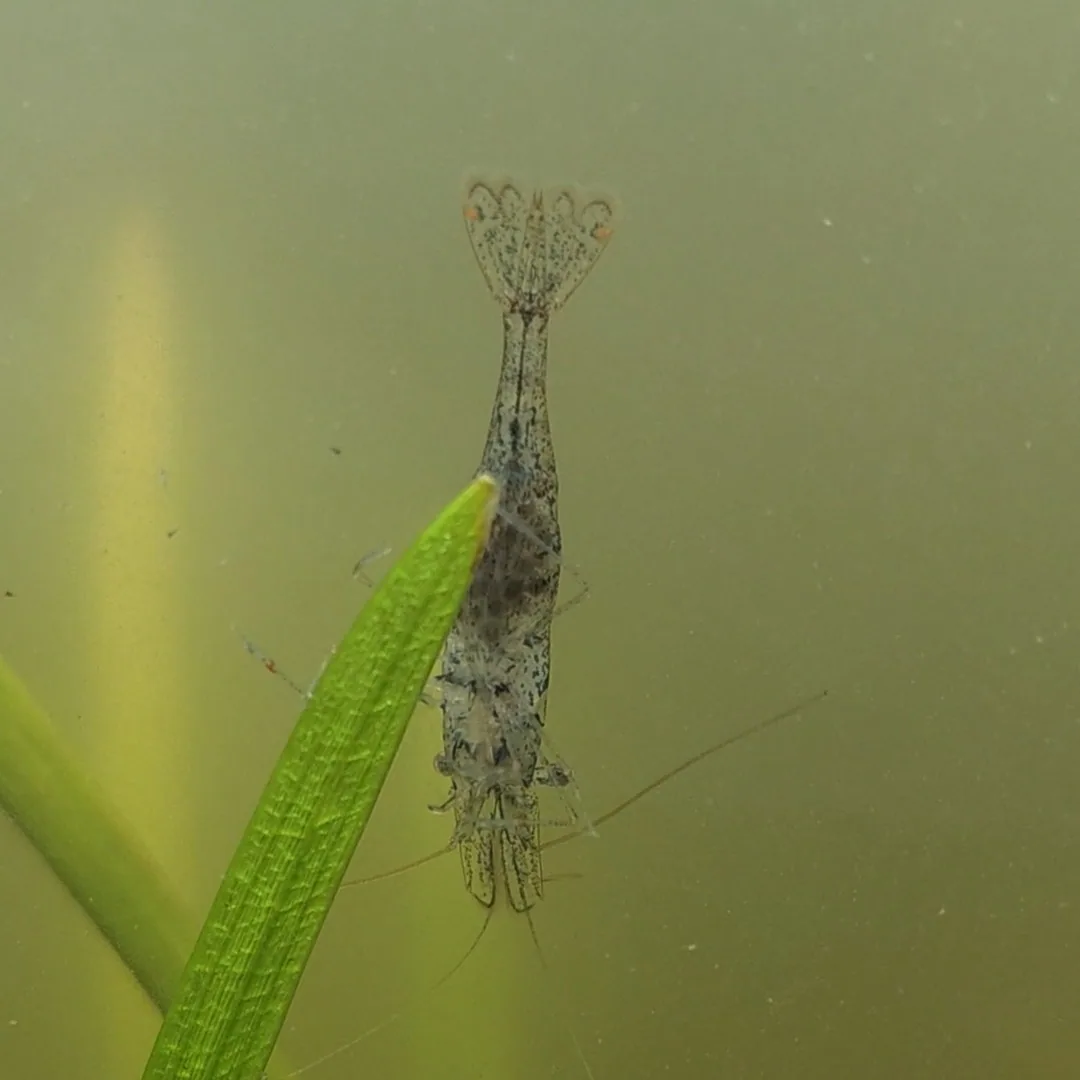
A nearly transparent freshwater shrimp that grazes algae and biofilm along plant surfaces and substrate in the Freshwater Lake, Ghost Shrimp produced the first zoea documented in miniBIOTA in April 2026, marking the system's first confirmed crustacean reproduction in the lake biome.

Overview

Ghost Shrimp are small, nearly transparent freshwater shrimp living in the Freshwater Lake, where they graze algae and biofilm and process detritus along the substrate and plant surfaces. In April 2026 they produced the first zoea documented in miniBIOTA, marking the system's first recorded crustacean reproduction in the lake biome. Whether those larvae survived to the juvenile stage remains unconfirmed.

Identity

  • Common name: Ghost Shrimp
  • Alternate names: Glass shrimp, eastern grass shrimp, riverine grass shrimp, freshwater glass shrimp
  • Scientific name: Palaemon paludosus (syn. Palaemonetes paludosus)
  • Identification confidence: Species-level ID applied; consistent with freshwater shrimp from Florida sources
  • Uncertainty label: Confirmed

Taxonomy

  • Kingdom: Animalia
  • Phylum: Arthropoda
  • Subphylum: Crustacea
  • Class: Malacostraca
  • Order: Decapoda
  • Family: Palaemonidae
  • Genus: Palaemon
  • Species: Palaemon paludosus

Natural History

Palaemon paludosus is a small, largely transparent freshwater shrimp native to the coastal plain rivers, swamps, marshes, and lake margins of the southeastern United States, with a strong presence in Florida. It is common in vegetated, slow-moving or still freshwater habitats where it shelters among aquatic plants, roots, and submerged debris. Adults are typically one to two centimeters long and nearly invisible against plant surfaces, relying on their transparency for camouflage.

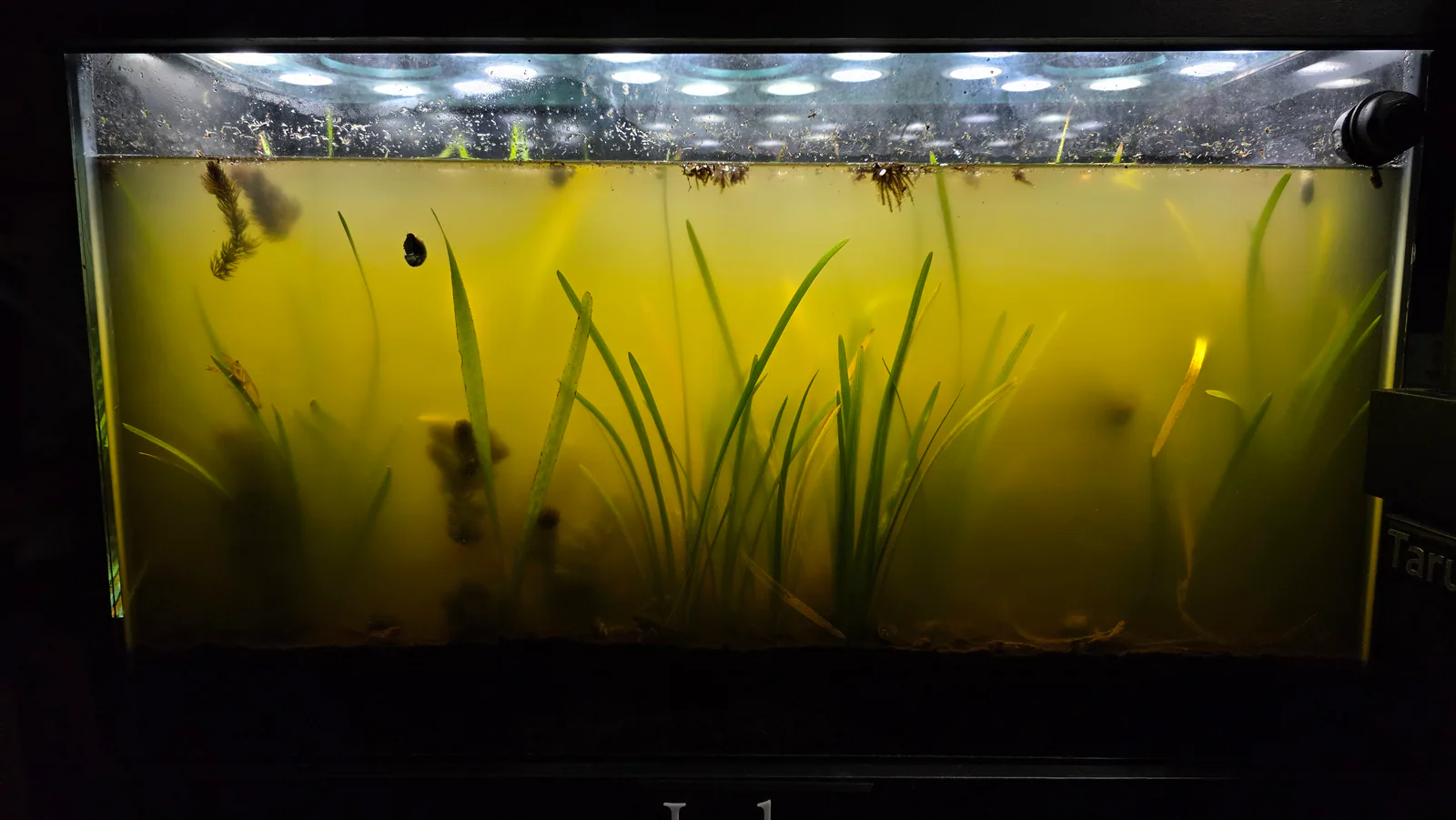
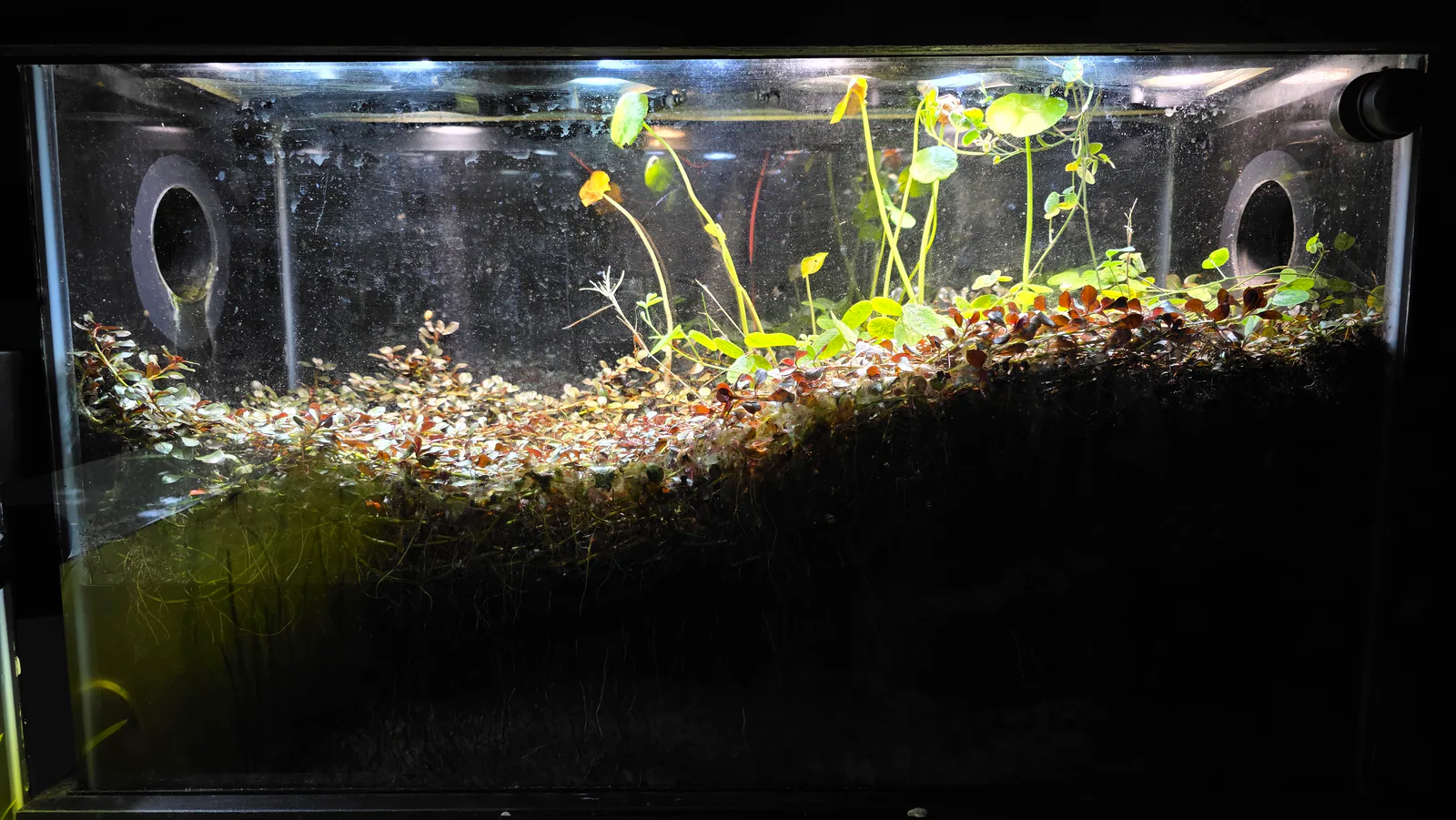
Ghost Shrimp are omnivores, grazing algae and biofilm from hard surfaces, processing detritus and fine organic particles, and occasionally consuming small animal material. They are most active in low-light conditions and prefer habitats with submerged plant cover, glass and substrate margins, and detritus-rich sheltered zones. In miniBIOTA they occupy the Freshwater Lake and may range into the Lakeshore aquatic edge.

The species is primarily freshwater but can tolerate brief low-brackish exposure. Expected lifespan is often annual in wild populations, with adults sometimes dying after spawning. Females carry eggs on swimmerets until they hatch into free-swimming zoea larvae, which must survive in the water column before settling and metamorphosing into juveniles. In enclosed systems, zoea survival is a significant bottleneck because larvae are small, vulnerable to predation, and dependent on available microscopic food in the water column.

Ecological Role

Ghost Shrimp occupy a middle trophic layer in the Freshwater Lake food web. By grazing algae and biofilm from plant stems, substrate, and glass surfaces, and by processing detritus into smaller particles and waste, they move organic matter through the system and make nutrients available in different forms. Their biomass is a potential food source for fish and other predators; Flagfish were the major historical water-column predator risk before their removal from the lake biome in early 2026.

In miniBIOTA, the long-term ecological role of Ghost Shrimp depends on whether their population can persist and recruit. A small adult population with confirmed breeding but unconfirmed juvenile survival does not yet establish a durable food-web role. Their value as a grazer and nutrient recycler is real at the individual level; whether the population is large enough and stable enough to function as a consistent trophic link remains under observation.

miniBIOTA Evidence

Ghost Shrimp have been part of miniBIOTA since at least 2022, with historical observations from an earlier system configuration. The current Freshwater Lake population traces to an intentional introduction on May 12, 2025.

May 12, 2025: Twelve Ghost Shrimp were added to the Freshwater Lake. Four were confirmed pregnant females; the remainder were presumed males.

April 10 to 11, 2026: Following a low-visibility period, at least four adults were confirmed present in the Freshwater Lake. Visibility conditions limited the full count.

April 19, 2026: Newly hatched shrimp zoea were observed in the Freshwater Lake, the first time this early life stage had been documented in miniBIOTA. The observation noted the absence of Flagfish likely increased survival chances. Video evidence showed zoea on the glass surface and swimming through the water column.

May 1, 2026: After nightly monitoring from April 19, zoea were visible for only the first three nights after discovery. Some appeared to grow larger during those sightings. By approximately May 1, zoea were no longer visible despite continued nightly checks. The note described the outcome as uncertain: larvae may have been consumed, may have failed to reach the juvenile stage, or may be too small to detect.

Confirmed:

  • Presence in the Freshwater Lake from at least May 12, 2025
  • At least four adults present as of April 11, 2026
  • Confirmed breeding: zoea documented April 19, 2026 (video)
  • Zoea visible and growing for approximately three nights

Inferred:

  • Ongoing algae and biofilm grazing along surfaces in the Freshwater Lake
  • Some larval growth between the first sighting and the last

Unknown:

  • Whether any zoea survived to the juvenile stage
  • Current adult population size; four is a minimum count from limited visibility
  • Whether further spawning events have occurred since April 2026
  • What caused the zoea to disappear (predation, starvation, development failure, or detection limit)
  • Whether the population is growing, stable, or declining