Lakeshore

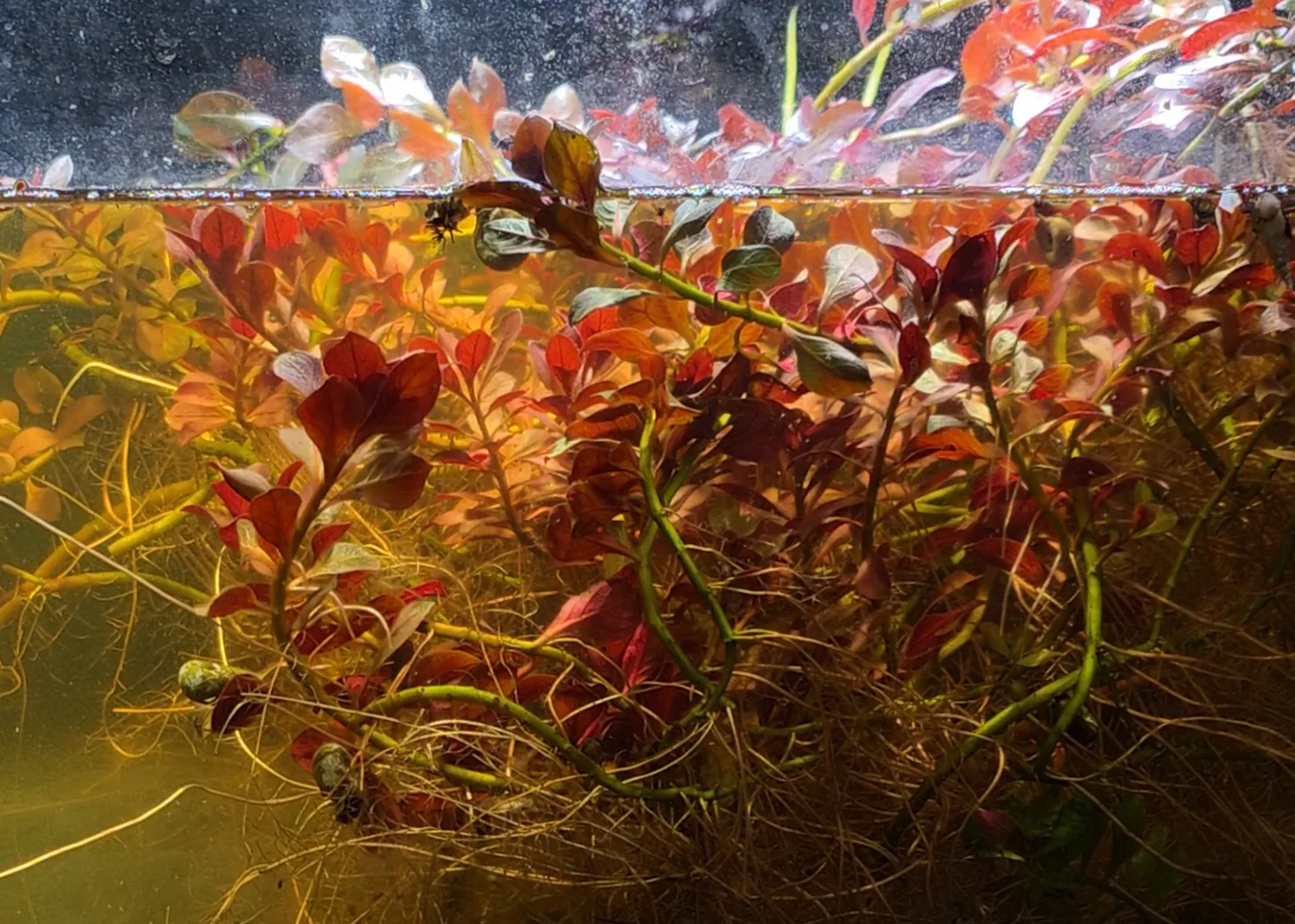
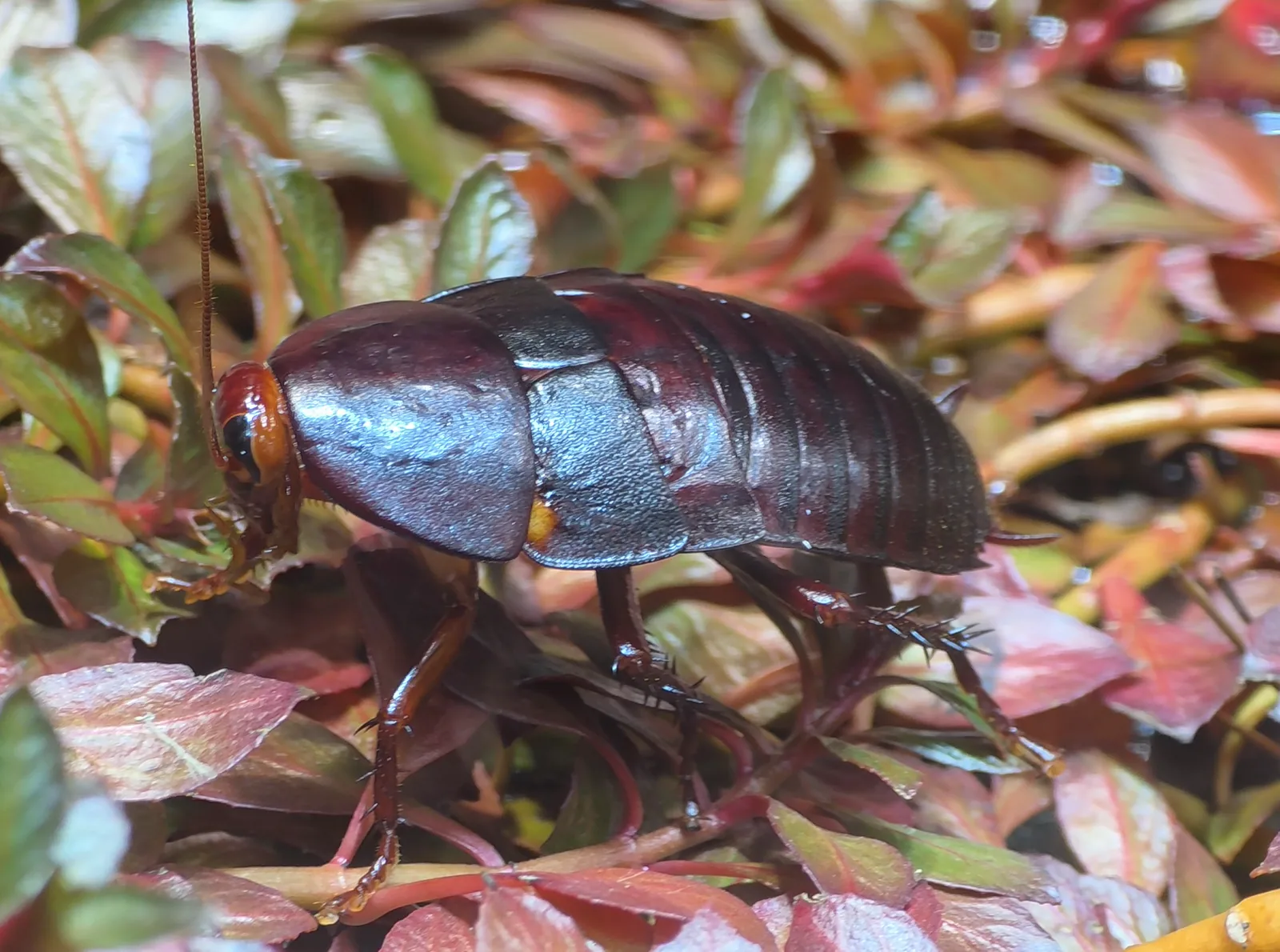
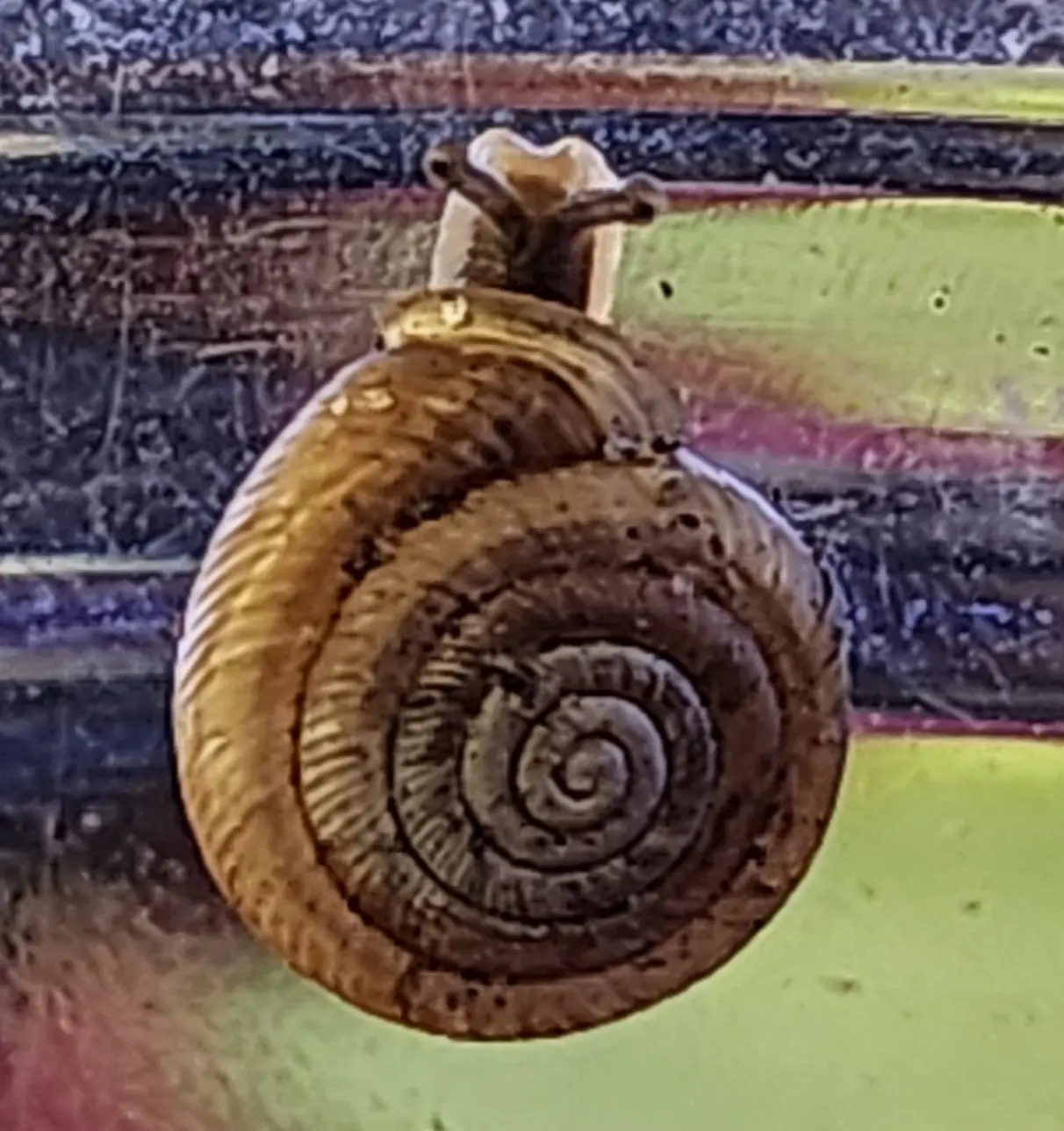
A damp freshwater shoreline where ludwigia, dollarweed, and sedges root in moist sand along the glass edge of the lake, sheltering amber snails, bladder snails, baby crayfish, ants, worms, and visiting crabs in a nursery and corridor zone between the water and the terrestrial habitats above.

Habitat
Transitional freshwater shoreline and wetland edge.
Realm
Freshwater

Overview

The Lakeshore is miniBIOTA's freshwater shoreline biome, occupying the damp gradient between the Freshwater Lake and the terrestrial habitats above it. Established November 14, 2022, it is defined by a moisture gradient from semi-submerged to moist-terrestrial, dense emergent and shoreline plants, and a role as nursery, refuge, movement corridor, and apparent primary Daphnia habitat for aquatic, semi-aquatic, and terrestrial organisms. Defining events in the Lakeshore's active ecology include the Amber Snail introduction, egg-laying, hatch, and attrition sequence; Common Crypt Ant reproductive phase signaled by alates; Mangrove Tree Crab movement through the terrestrial Lakeshore edge on June 9, 2026; a multi-species crab interaction on June 11, 2026 in which two Caribbean hermit crabs, one Mangrove Tree Crab, and one Humic Marsh Crab foraged in close proximity, maintained buffer spacing throughout, and passed sequentially through a narrow passage toward the lowland meadow; and a July 2, 2026 night observation confirming the Daphnia population is concentrated in dense Lakeshore vegetation and considerably stronger than previously believed, alongside a first documented Freshwater Limpet sighting the same day. On August 3, 2026, five Greenhouse Frogs (two adults, three likely-newborn juveniles) were introduced to the Lakeshore, the first amphibian and first attempted terrestrial vertebrate in miniBIOTA since a prototype-era house gecko. Whether Amber Snails have established a self-sustaining population remains the central unresolved question.

What This Biome Is

Habitat Type and Global Context

Freshwater shorelines: also called the littoral zone, riparian edge, or wetland fringe depending on context: are among the most biologically productive zones in any freshwater system. In limnology, the littoral zone is the shallow-water area near shore where light reaches the substrate, rooted plants can grow, and aquatic and terrestrial food webs overlap. In a broader ecological sense, the freshwater shoreline encompasses the full gradient from open water through emergent aquatic plants, semi-aquatic vegetation, and moist-substrate terrestrial edge.

This gradient structure is the defining feature of shoreline ecology: because no single species can equally exploit all points on the moisture gradient, the shoreline supports a mosaic of species assemblages stacked across a very short horizontal distance. The result is unusually high local biological diversity for a narrow zone: aquatic invertebrates in the submerged zone, semi-aquatic plants and amphibious organisms in the emergent zone, and terrestrial detritivores, insects, and snails in the moist-terrestrial edge, all potentially within centimeters of one another.

Key ecological roles of freshwater shorelines:

  • Nursery habitat: Shallow, plant-rich, physically complex structure provides refuge from predation and stable microclimate for juvenile invertebrates, hatchling crustaceans, and early-stage snails and insects.
  • Moisture gradient resource: The continuous gradient from submerged to moist supports different functional groups at each level, concentrating production and detritus breakdown at the water edge.
  • Movement corridor: Physical continuity between water and land makes shorelines natural paths for semi-aquatic and terrestrial animals crossing between habitats.
  • Reproduction node: Damp, sheltered, plant-rich structure supports egg-laying, brooding, and early juvenile stages for multiple species simultaneously.
  • Nutrient processing: Plant roots filter runoff, absorb nutrients, and anchor substrate; decaying plant matter from the shoreline fuels both aquatic and terrestrial detritivore communities.

Florida and Regional Relevance

Florida freshwater shorelines are typically dominated by a mix of emergent aquatic plants (pickerelweed, sagittaria, bulrush, cattails) and semi-aquatic terrestrial plants (rushes, sedges, grasses, dollarweed, ferns) that vary in composition with water level and salinity. The freshwater shoreline is one of Florida's most diverse habitat types by species count per unit area.

Ludwigia (Ludwigia sp.) is one of the most common plants at Florida freshwater edges. Multiple native and introduced species occur across Florida; they grow as submerged, emergent, or fully terrestrial plants depending on water availability, making them ideal colonizers of the moisture-gradient shoreline zone. In miniBIOTA's Lakeshore, Ludwigia has responded to humidity and shoreline conditions and has been grazed by terrestrial herbivores: first the Ridgeback Sand Grasshopper (April 2026, now extirpated), then the Field Cricket (September 1, 2026).

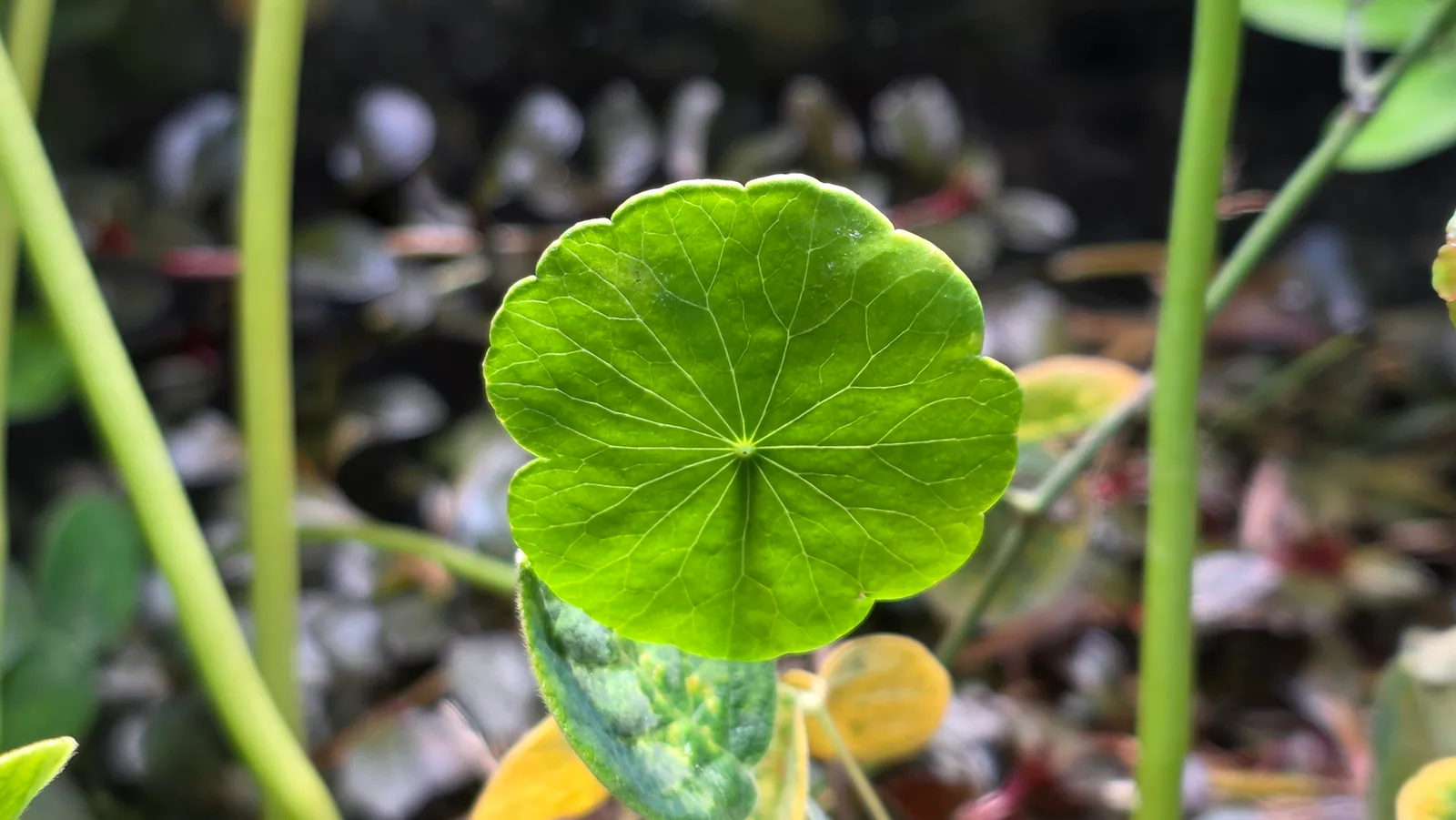
Dollarweed (Hydrocotyle sp.) is a creeping, round-leafed aquatic and semi-aquatic plant common in Florida freshwater edges and moist lawns. Its rhizomatous growth pattern allows it to spread across moist substrate and partially submerged surfaces.

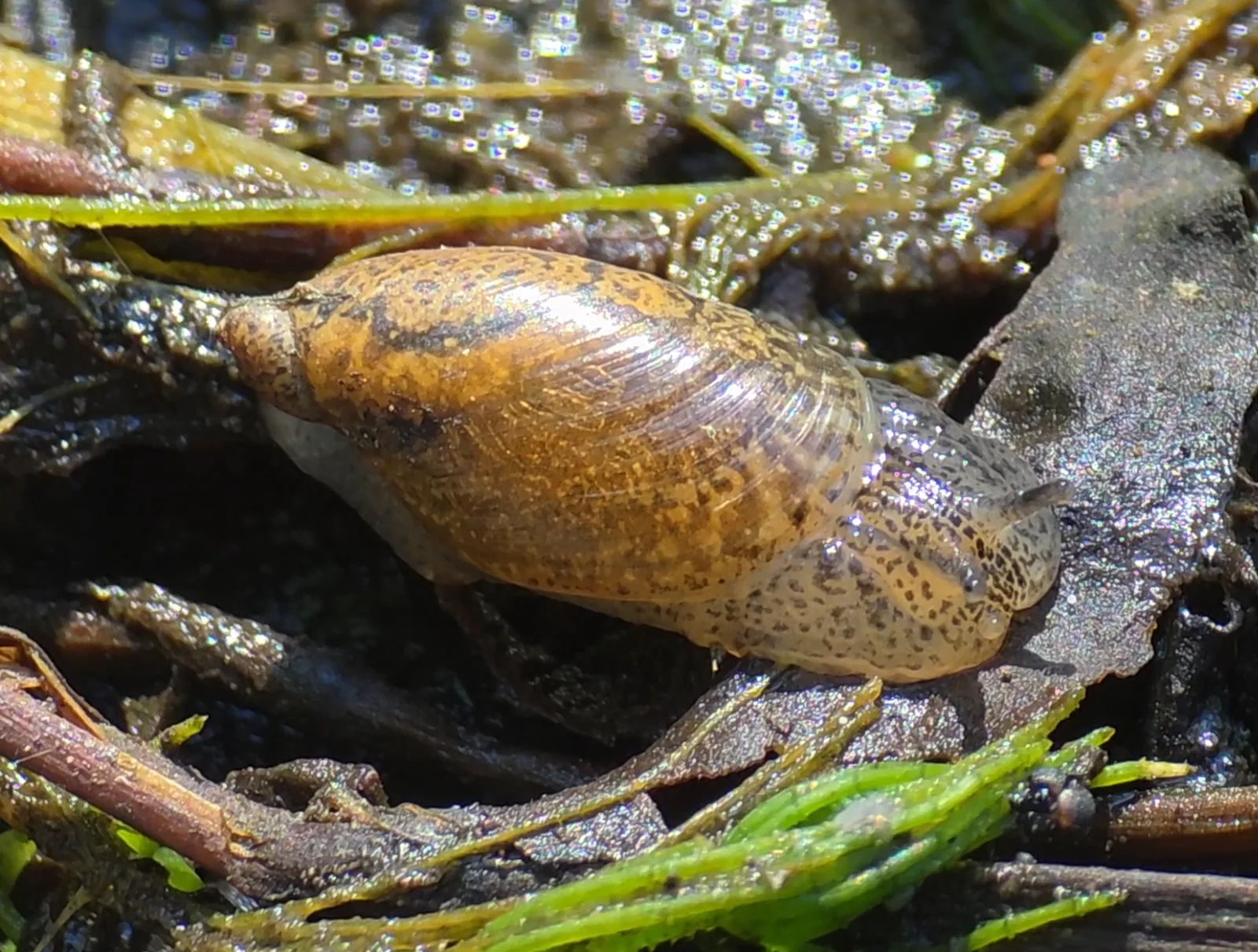
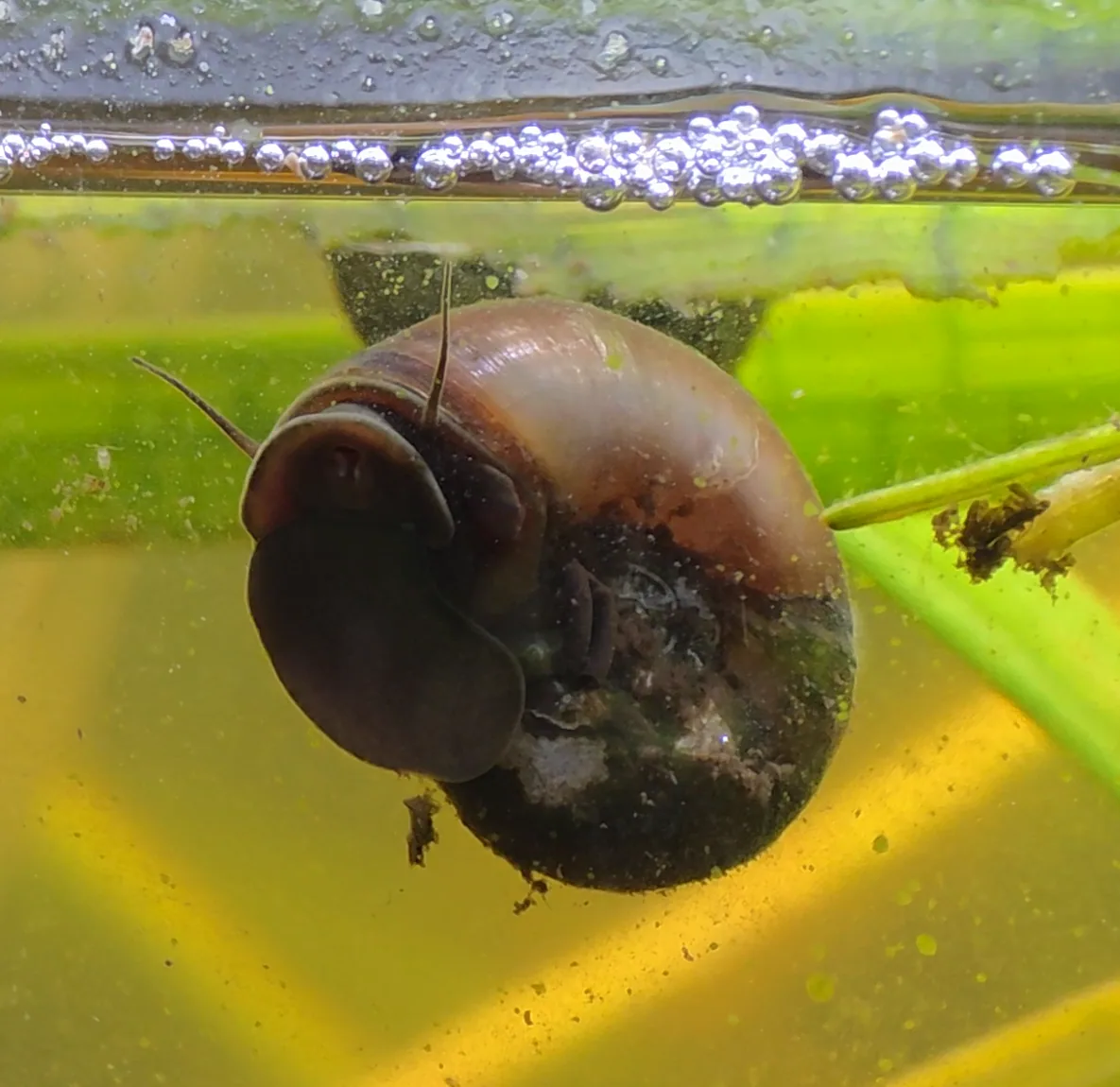
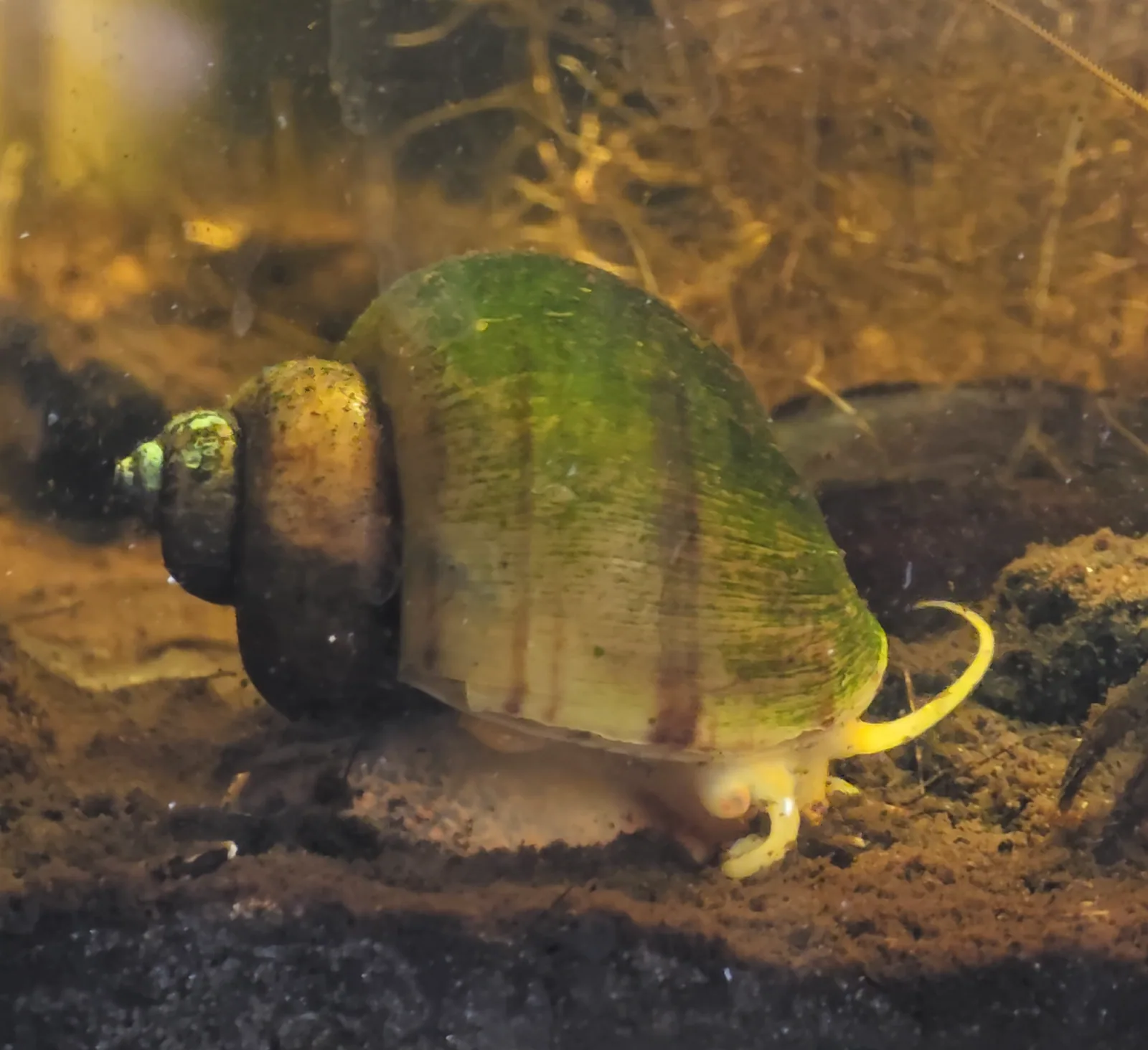
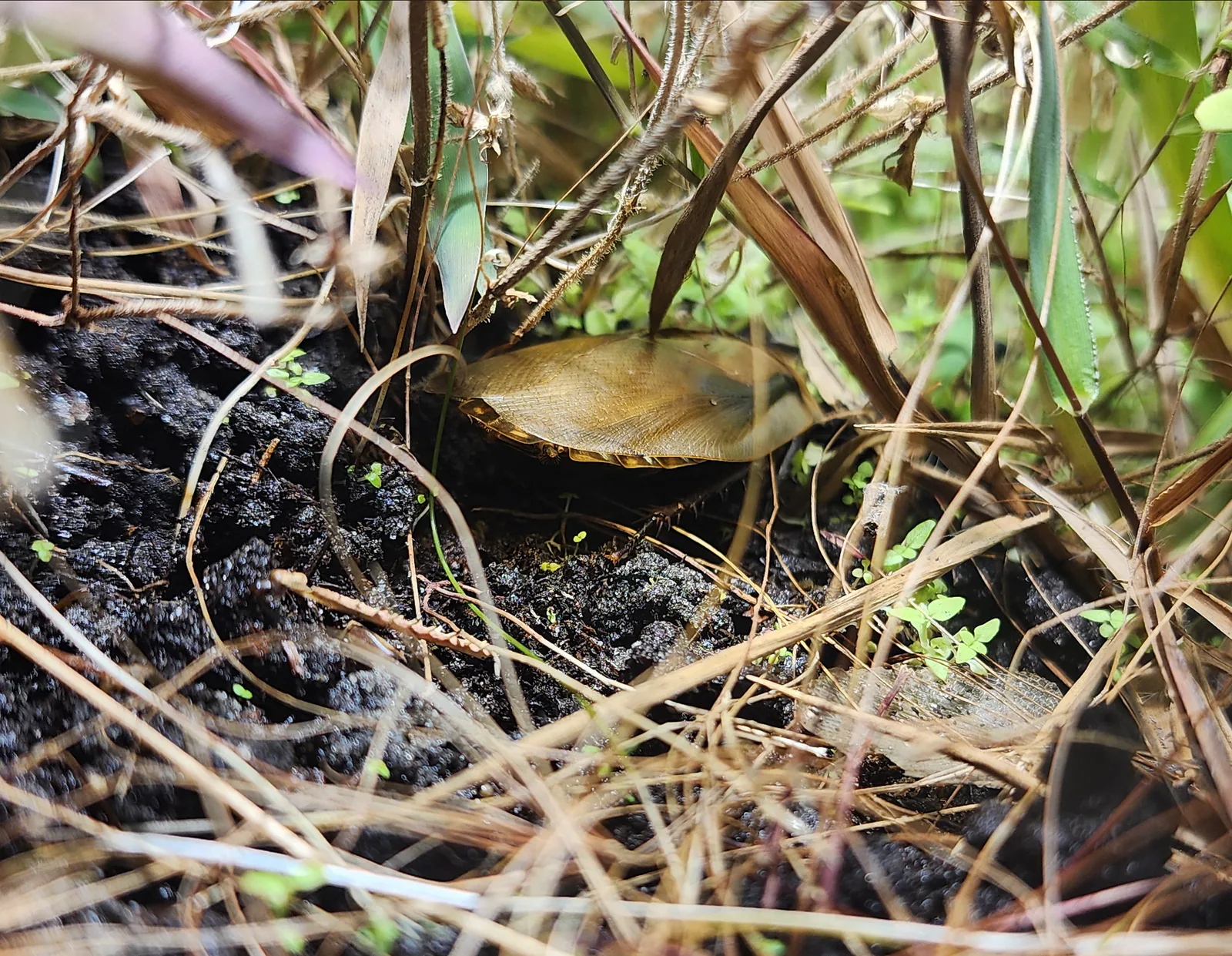
Amber Snails (Succinea sp. and related Succineidae) are semi-aquatic land snails found at the edges of freshwater bodies across North America. They are not fully aquatic; they live on moist surfaces, vegetation, and wet substrate at the shoreline, grazing biofilm and algae on plant surfaces. Their biology makes the Lakeshore an ideal habitat, and their reproductive biology (egg masses laid on moist surfaces) makes the Lakeshore a potential recruitment zone.

Key Ecological Processes

Moisture gradient-driven species assembly: The Lakeshore's most fundamental ecological feature is the moisture gradient from submerged edge to moist-but-emergent shoreline. Aquatic species (amphipods, bladder snails, zooplankton) use the submerged root zone; semi-aquatic species (amber snails, crayfish hatchlings, blackworms) use the wet-substrate and emergent plant zone; terrestrial species (ants, isopods, millipedes, visiting insects) use the moist but non-submerged edge. This stacking creates the biome's unusual diversity density.

Nursery and refuge function: The dense plant root and stem structure of the Lakeshore provides physical refuge from predation for juvenile organisms. Baby Slough Crayfish hatchlings were documented using root-refuge structure in the Lakeshore. Daphnia go further than incidental refuge use: a July 2, 2026 night observation found the majority of the Daphnia population concentrated in dense Lakeshore vegetation, emerging into the water column at night to feed, consistent with the Lakeshore functioning as their primary habitat rather than an occasional predator refuge.

Reproduction concentration: Multiple reproduction signals are documented at the Lakeshore: Amber Snail eggs and hatchlings, baby Slough Crayfish hatch, and Common Crypt Ant alates. The Lakeshore's damp, covered plant structure appears to attract reproductively active organisms across trophic levels.

Plant herbivory: Ludwigia leaf herbivory at the Lakeshore has been observed for the Ridgeback Sand Grasshopper (April 2026, since extirpated) and the Field Cricket (September 1, 2026), and Bladder Snails graze biofilm and algae on plant surfaces and glass. The combination of grazer pressure (insects on leaves, snails on surfaces) and plant productivity shapes the Lakeshore's vegetative cover over time.

Cross-biome corridor function: The Lakeshore is the primary crossing zone between the Freshwater Lake and all terrestrial habitats in miniBIOTA. The Mangrove Tree Crab movement event (June 9, 2026) was the first clear example: six Mangrove Tree Crabs moved through the terrestrial Lakeshore edge as part of their range across Marine Shore, Mangrove Forest, and Lakeshore without entering the lake water. The June 11, 2026 multi-species crab interaction reinforced this: two Caribbean hermit crabs, one Mangrove Tree Crab, and one Humic Marsh Crab were all observed in the lakeshore biome together, foraging in close proximity and then passing sequentially through a narrow passage toward the lowland meadow. On August 3, 2026, a Greenhouse Frog became the first vertebrate documented using this corridor, moving from the Lakeshore into the Lowland Meadow the same night it was introduced. The Lakeshore thus functions as a terrestrial corridor and meeting zone for species from multiple saltwater-adjacent and terrestrial biomes.

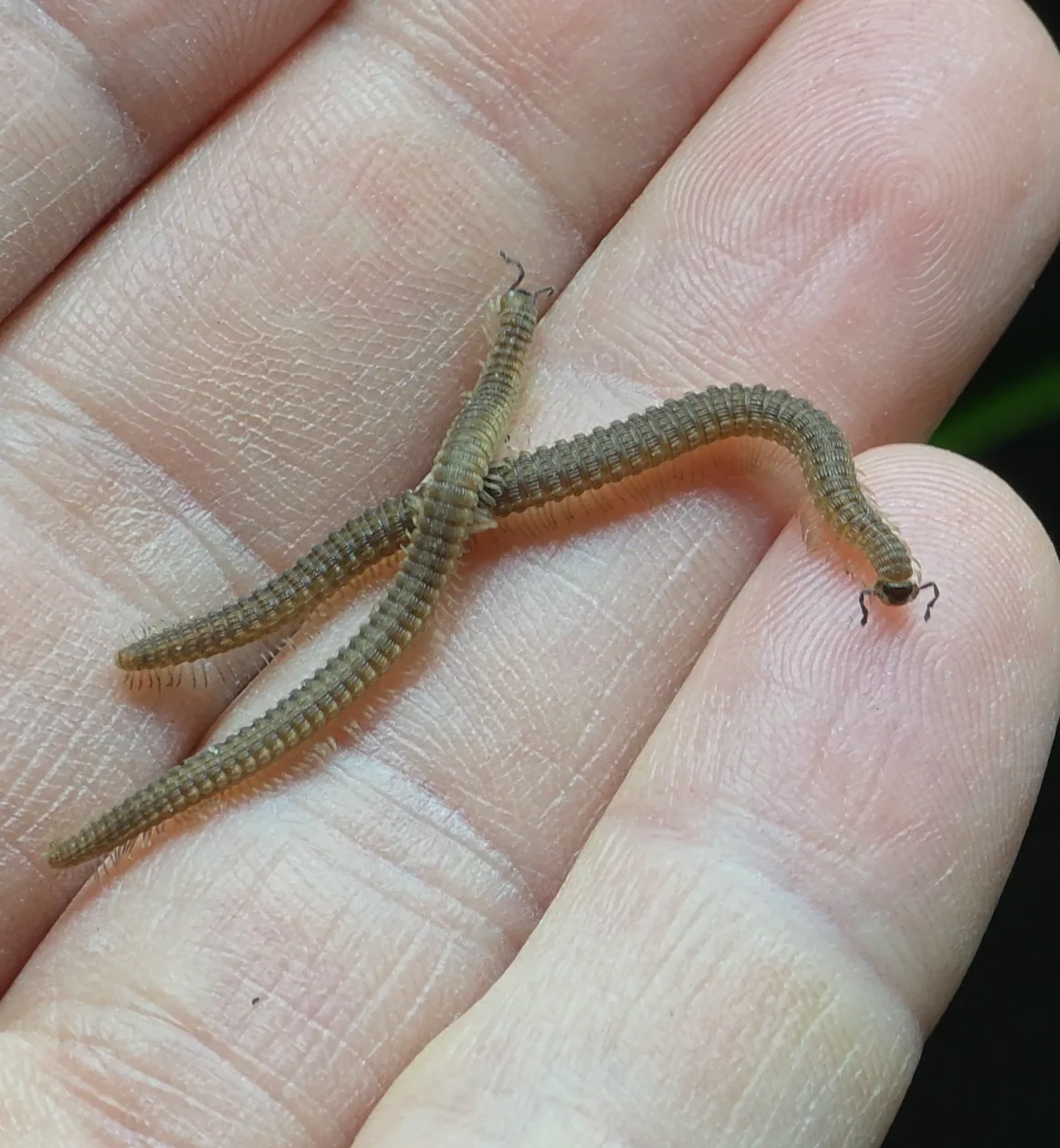
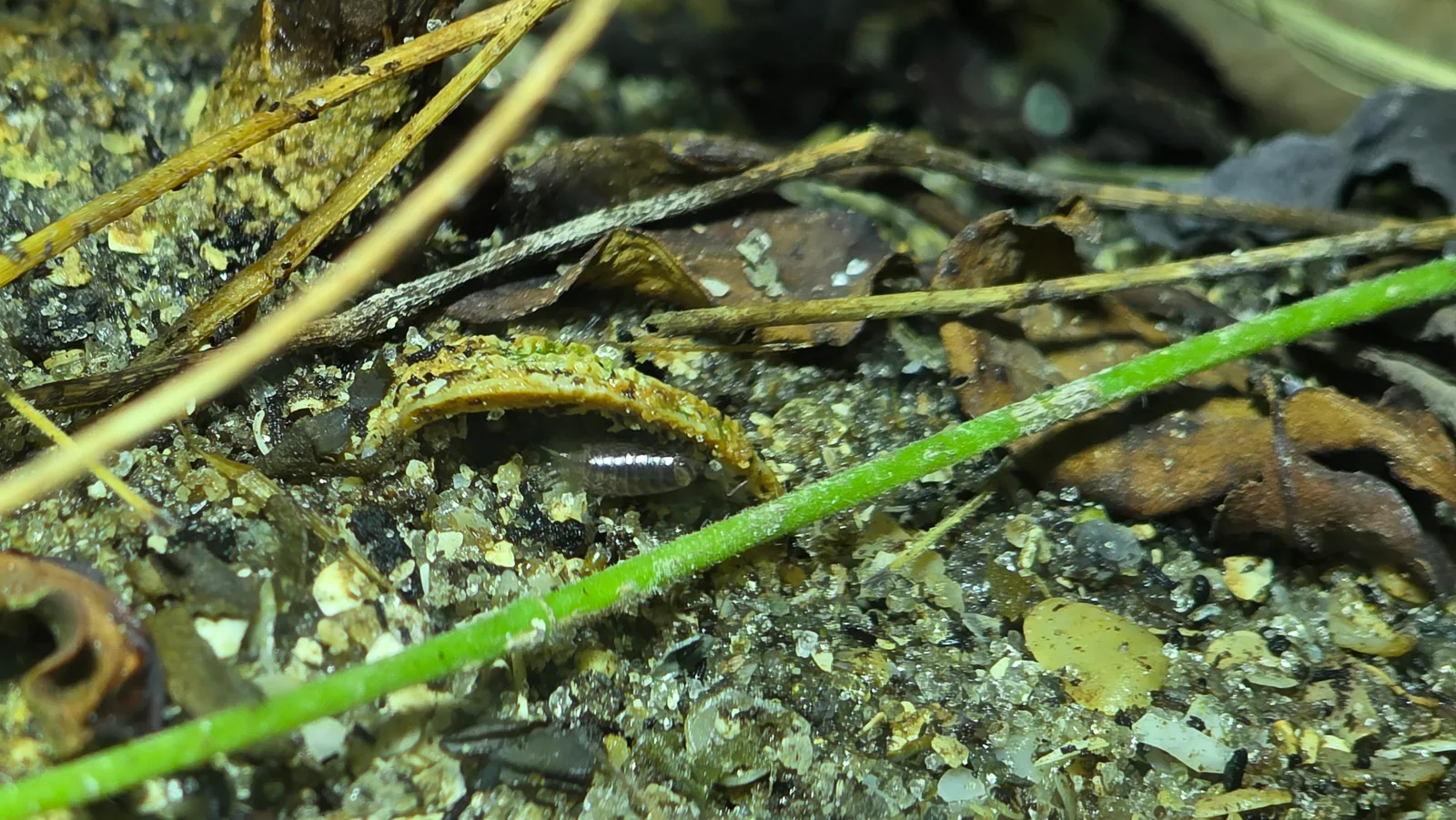
Detritus processing at the waterline: The Lakeshore accumulates organic matter from both the lake and the terrestrial side: fallen plant material, dead invertebrates, shed exoskeletons, and biofilm all concentrate at the shoreline. Isopods, millipedes, amphipods, blackworms, and worms process this material on the moist-terrestrial side.

Physical Structure

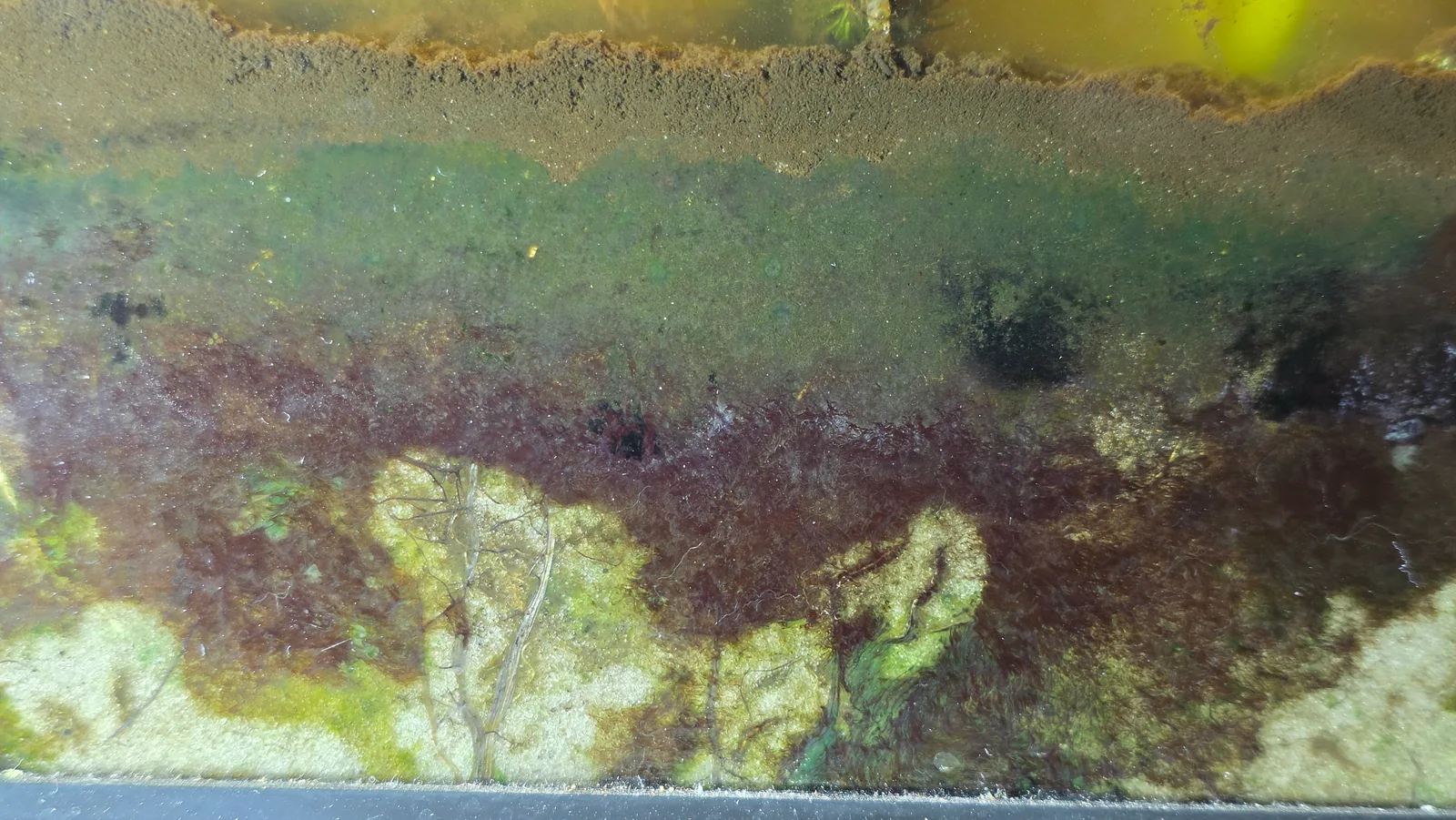
The Lakeshore is the physical edge zone along the inner perimeter of the Freshwater Lake container, where substrate transitions from submerged lake sand to quartz sand mixed with soil and organic plant matter across a moisture gradient. Dense emergent plants: ludwigia, dollarweed, shoreline grasses and sedges: root in this moist substrate and extend upward through the water surface and above. The glass wall of the aquarium is a physical feature of the Lakeshore: organisms living at the shoreline use the glass surface for attachment, grazing, and movement. This makes the miniBIOTA Lakeshore unusually visible and observable: the glass edge provides a direct window into the root zone, moist substrate, and early-stage organism behavior.

Ecological Role in miniBIOTA

The Lakeshore is the physical and biological bridge between the Freshwater Lake and all terrestrial habitats. It is simultaneously the littoral fringe of the lake and the lowest, dampest edge of the terrestrial system. Its primary roles:

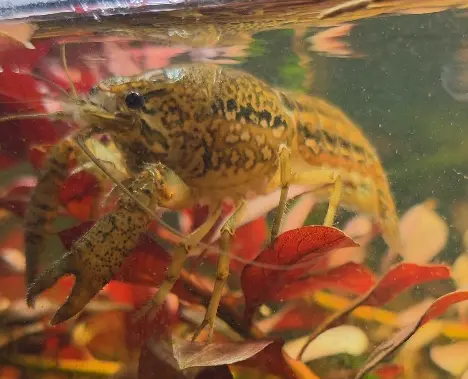
Nursery: Baby Slough Crayfish, Amber Snail hatchlings, and potentially other early-stage invertebrates use the Lakeshore's root and plant structure as their first habitat after hatching. The Lakeshore concentrates reproduction events across multiple species simultaneously.

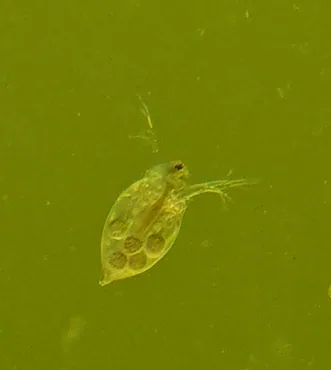
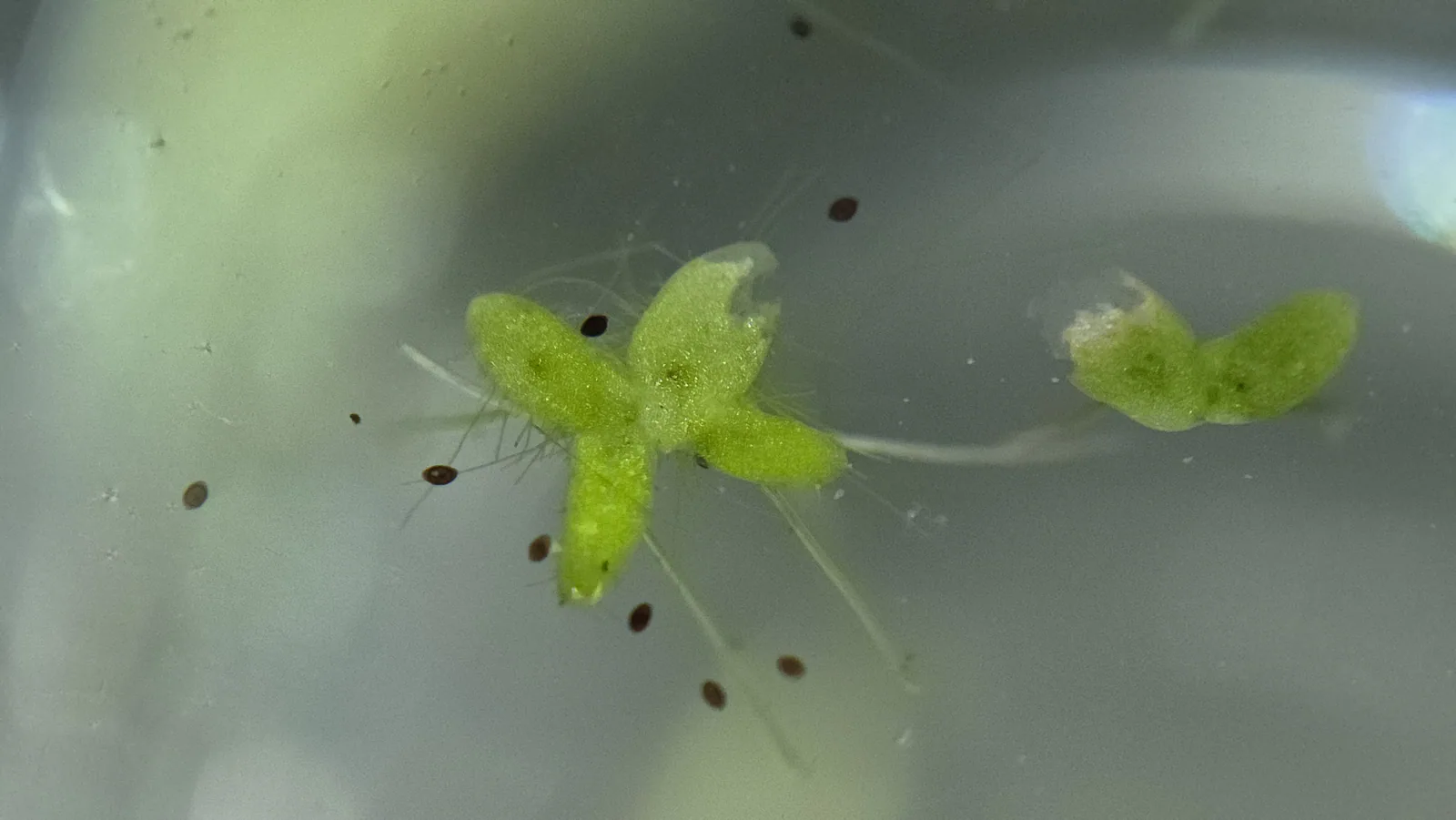
Refuge and primary habitat: Daphniid microcrustaceans have been documented in Lakeshore root structure, and a July 2, 2026 night observation found the majority of the population concentrated in dense Lakeshore vegetation, actively feeding there at night, rather than merely sheltering there occasionally. This population was at the time attributed to Daphnia; an August 7, 2026 identification correction determined it is most likely Moina, present in the Freshwater Lake and Lakeshore since approximately September 2025. This suggests the Lakeshore functions as primary habitat for Moina, not just a partial refuge from open-water predation pressure in the lake.

Corridor: The Lakeshore is the transit zone for any organism moving between the water and the terrestrial interior. The Mangrove Tree Crab movement event (June 9, 2026) first demonstrated that the Lakeshore functions as a corridor even for primarily arboreal marine species. The June 11, 2026 multi-species crab interaction extended this: two Caribbean hermit crabs, one Mangrove Tree Crab, and one Humic Marsh Crab all converged in the lakeshore biome and passed sequentially toward the lowland meadow.
Reproduction node: The concentration of egg-laying, hatching, and alate events in the Lakeshore points to a biome that is disproportionately important for reproductive output across multiple functional groups.

Cross-biome connections are strongest with the Freshwater Lake (immediate adjacency, shared water and organisms), the Prairie (above; receives organisms moving up the moisture gradient), and the Mangrove Forest (connected through the Lakeshore corridor; Mangrove Tree Crabs transit through).

Key Species and Functional Groups

Primary Producers

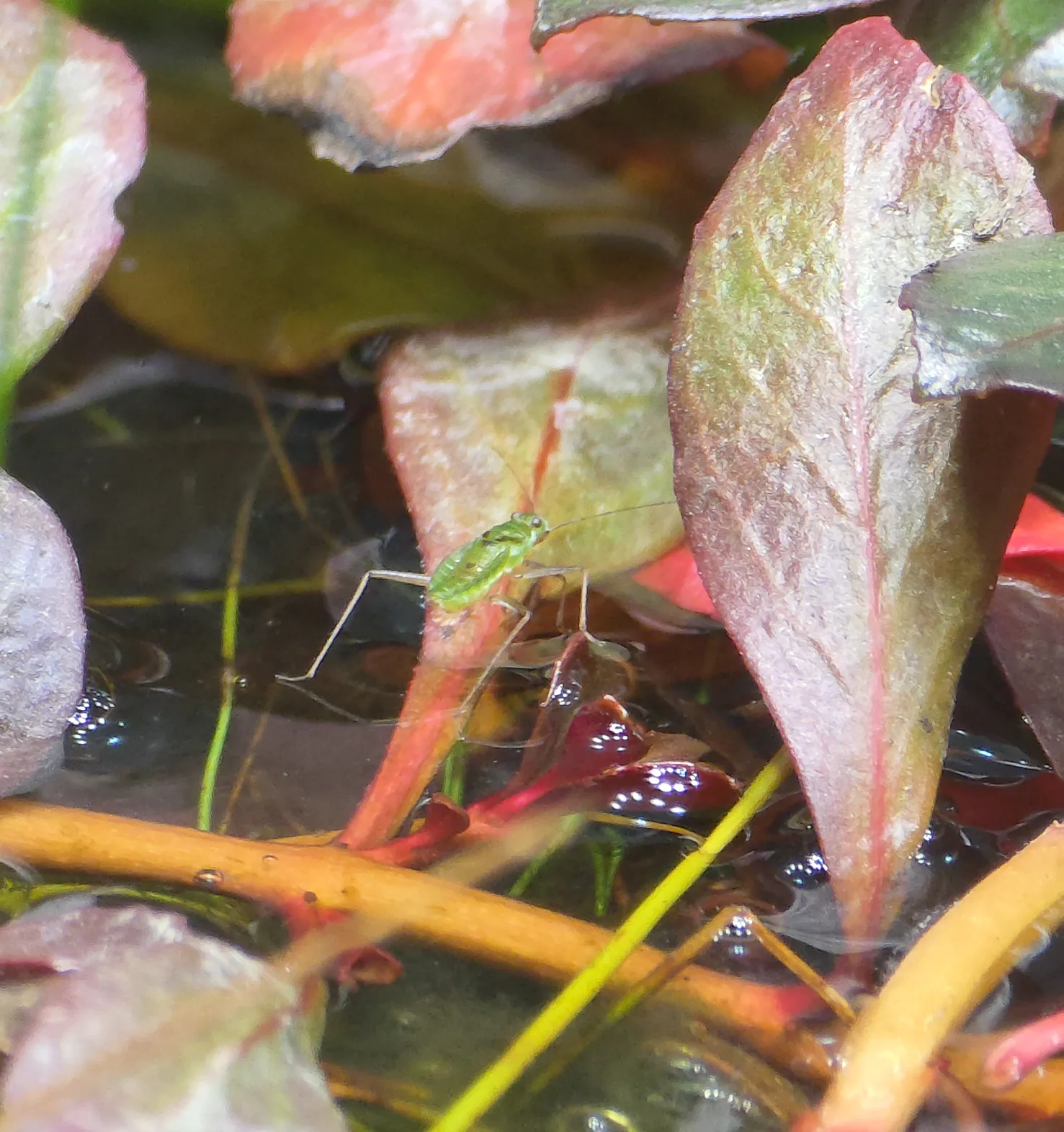
  • Ludwigia (Ludwigia sp.; the Lakeshore planting is Creeping Primrose-Willow, Ludwigia repens): dominant shoreline plant; semi-aquatic to fully emergent; leaf herbivory confirmed for the Ridgeback Sand Grasshopper (now extirpated) and the Field Cricket (September 1, 2026); responds actively to humidity and shoreline moisture; native Florida freshwater edge species
  • Dollarweed (Hydrocotyle sp.): creeping semi-aquatic plant; round leaves; rhizomatous spreading on moist substrate; common Florida freshwater edge
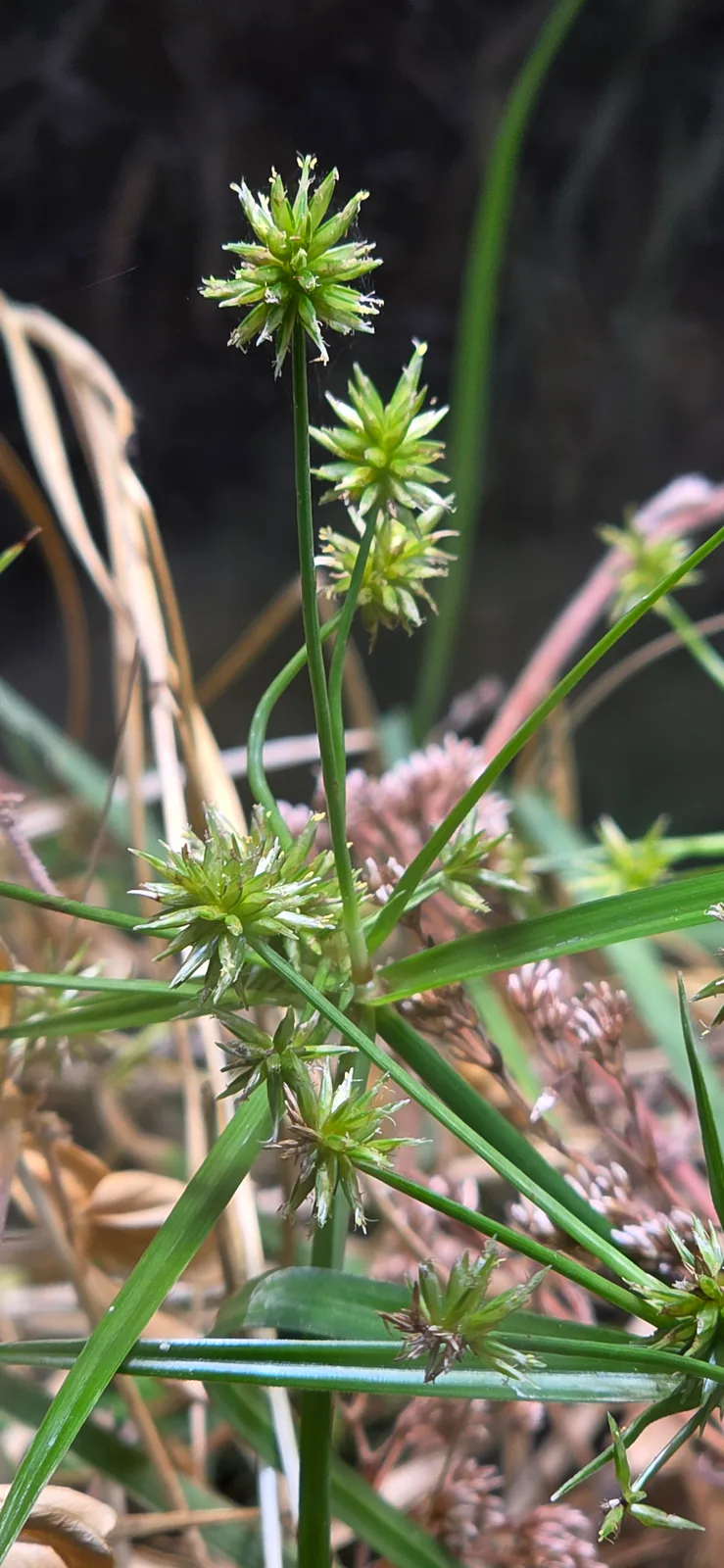
  • Shoreline grasses and sedges: emergent and semi-aquatic monocots rooted in moist substrate
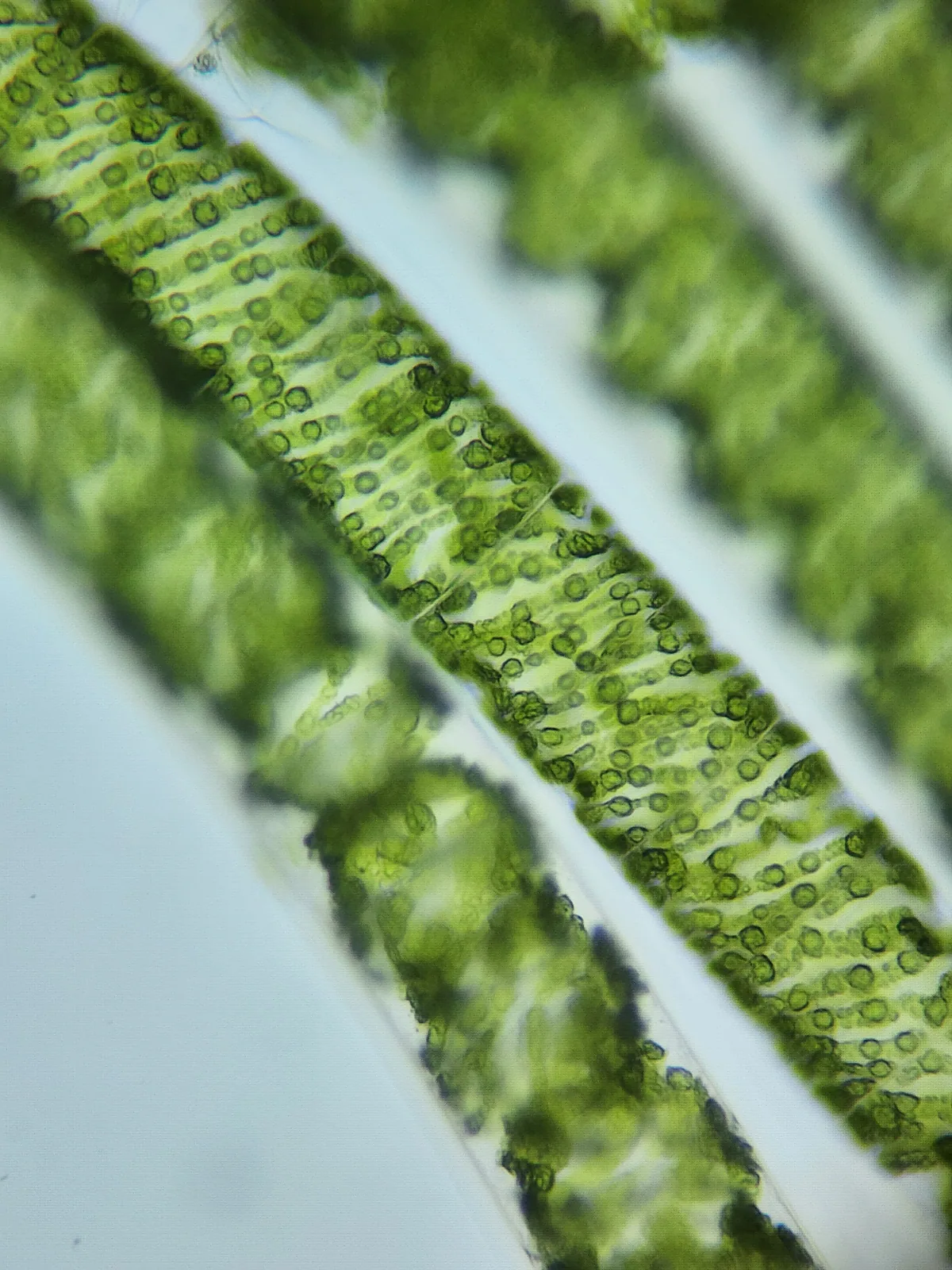
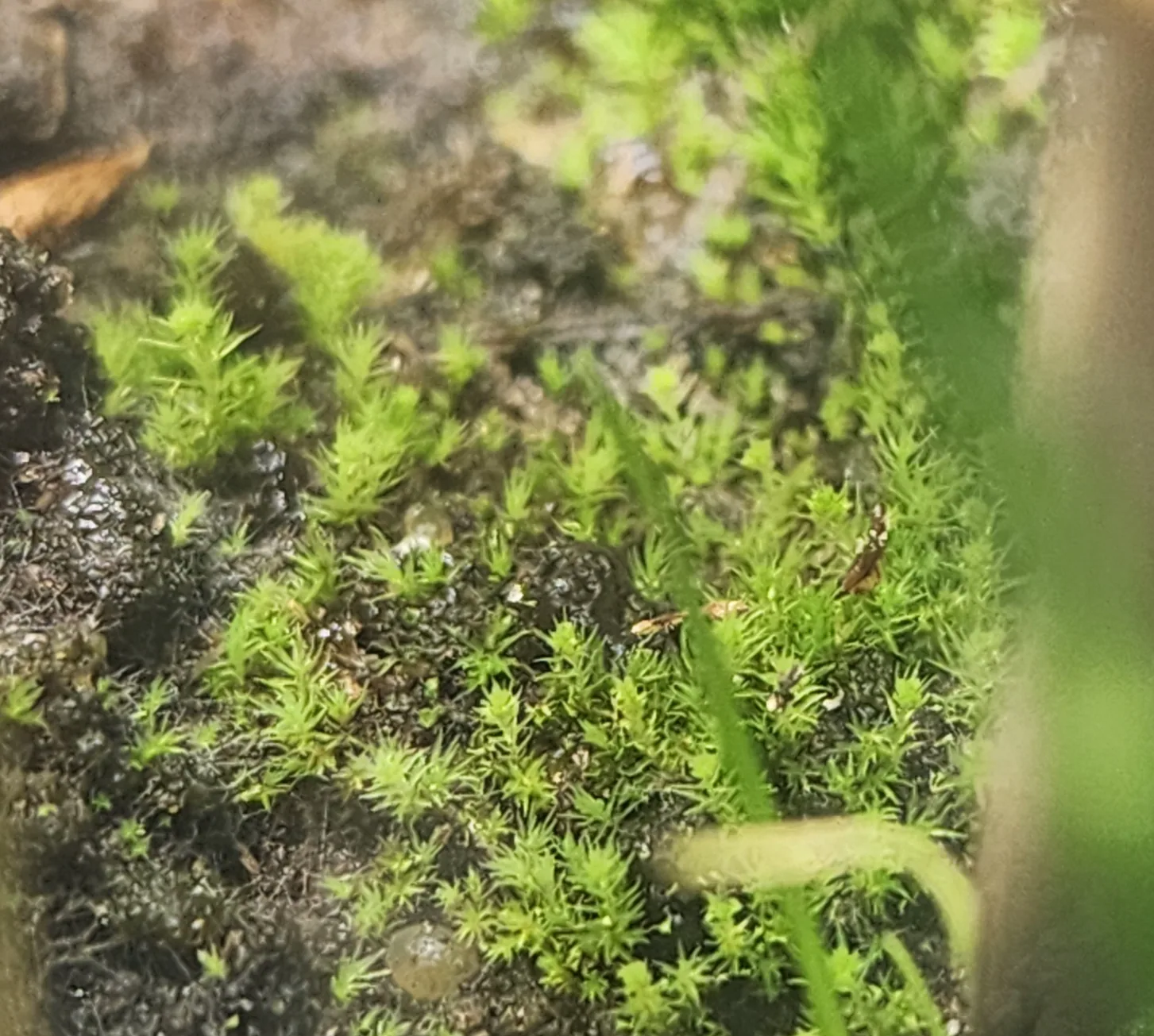
  • Algae and biofilm: attached on glass, root surfaces, and wet substrate; primary food source for snails, amphipods, and small invertebrates in the submerged and semi-submerged zones

Grazers and Herbivores

  • Amber Snails (Succinea sp. or related Succineidae): semi-aquatic land snails; introduced to the Lakeshore; eggs and hatchlings observed; subsequent attrition and broken shells noted; predation pressure or desiccation likely; establishment and self-sustaining recruitment unresolved
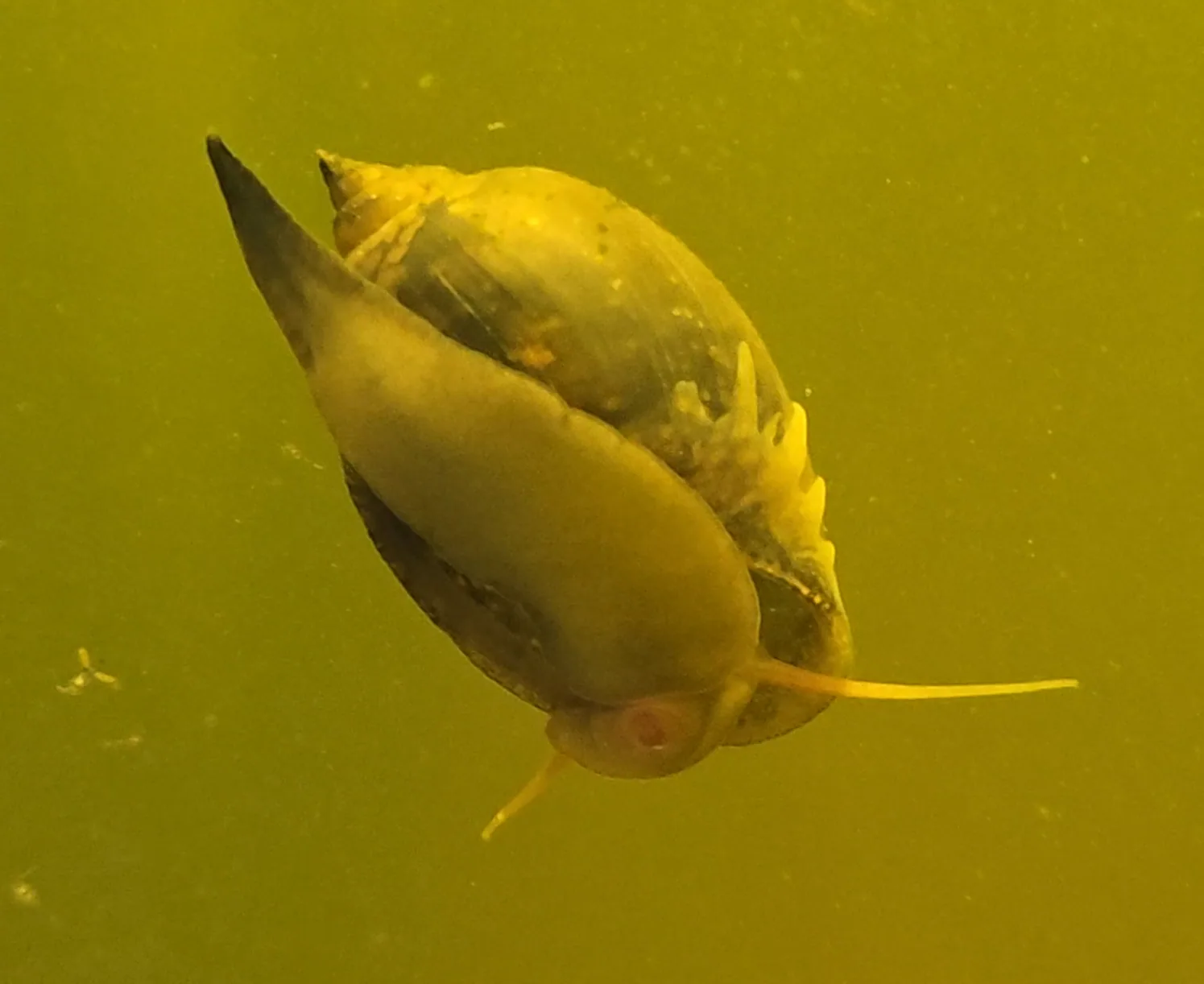
  • Bladder Snails (Physella sp.): eight individuals observed in dense aquatic vegetation at the Lakeshore on May 22, 2026; graze biofilm and algae on plant surfaces and glass; may be moving between Freshwater Lake and Lakeshore
  • Ridgeback Sand Grasshopper: confirmed feeding on Ludwigia at the Lakeshore (April 26, 2026); semi-terrestrial herbivore that ranged between Lakeshore, Marine Shore, and Lowland Meadow; now extirpated from miniBIOTA (mid-2026), so this herbivory link is historical
  • Field Cricket (Gryllus sp.): ground-dwelling omnivore ranging in from the Lowland Meadow; directly observed eating Ludwigia (Creeping Primrose-Willow) leaves in the Lakeshore on September 1, 2026, the first Field Cricket record in this biome and the current carrier of the Ludwigia plant-to-herbivore link after the Ridgeback Sand Grasshopper's extirpation
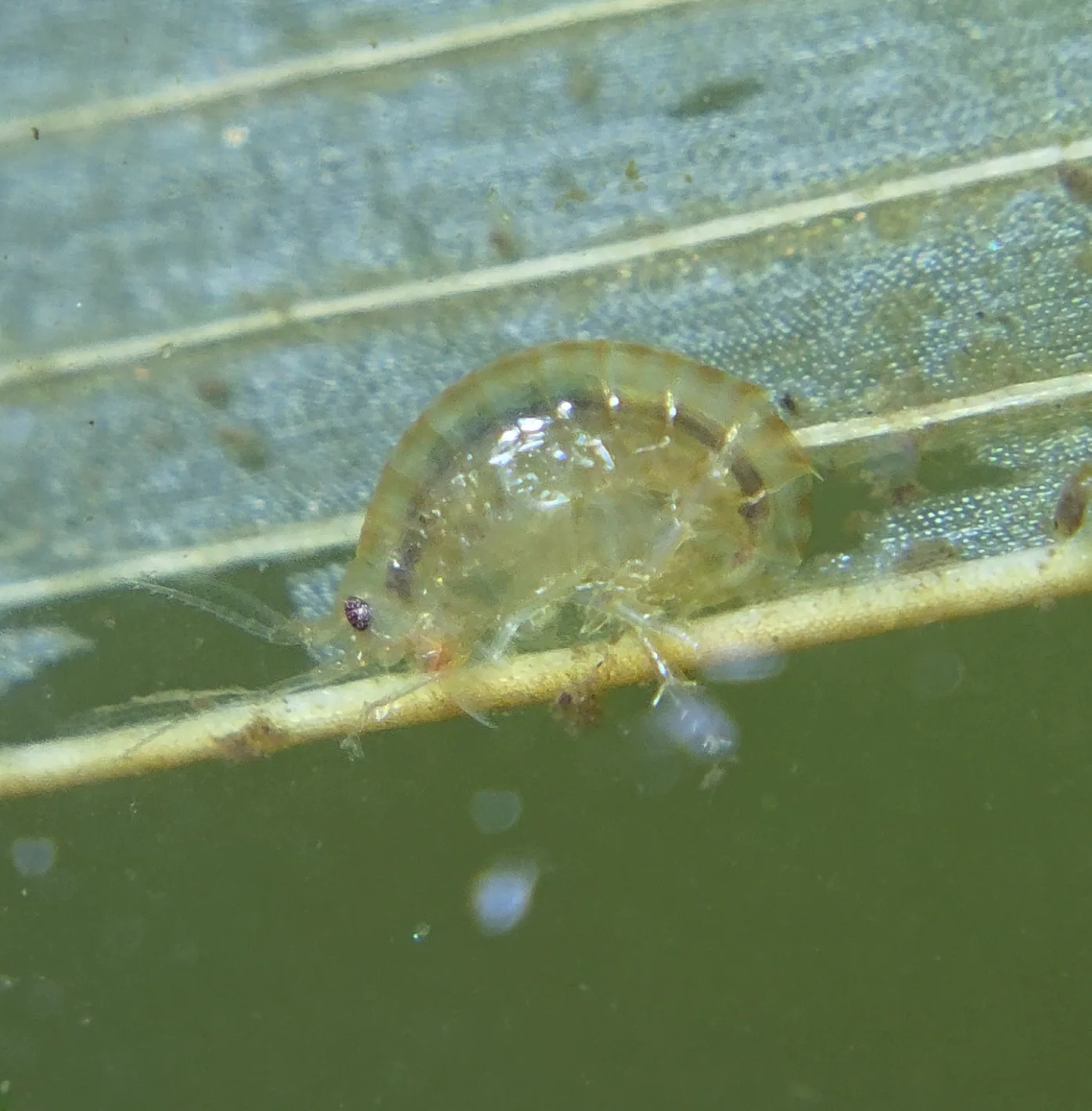
  • Freshwater Amphipods: aquatic and semi-aquatic; graze biofilm and detritus in the submerged shoreline zone

Detritivores

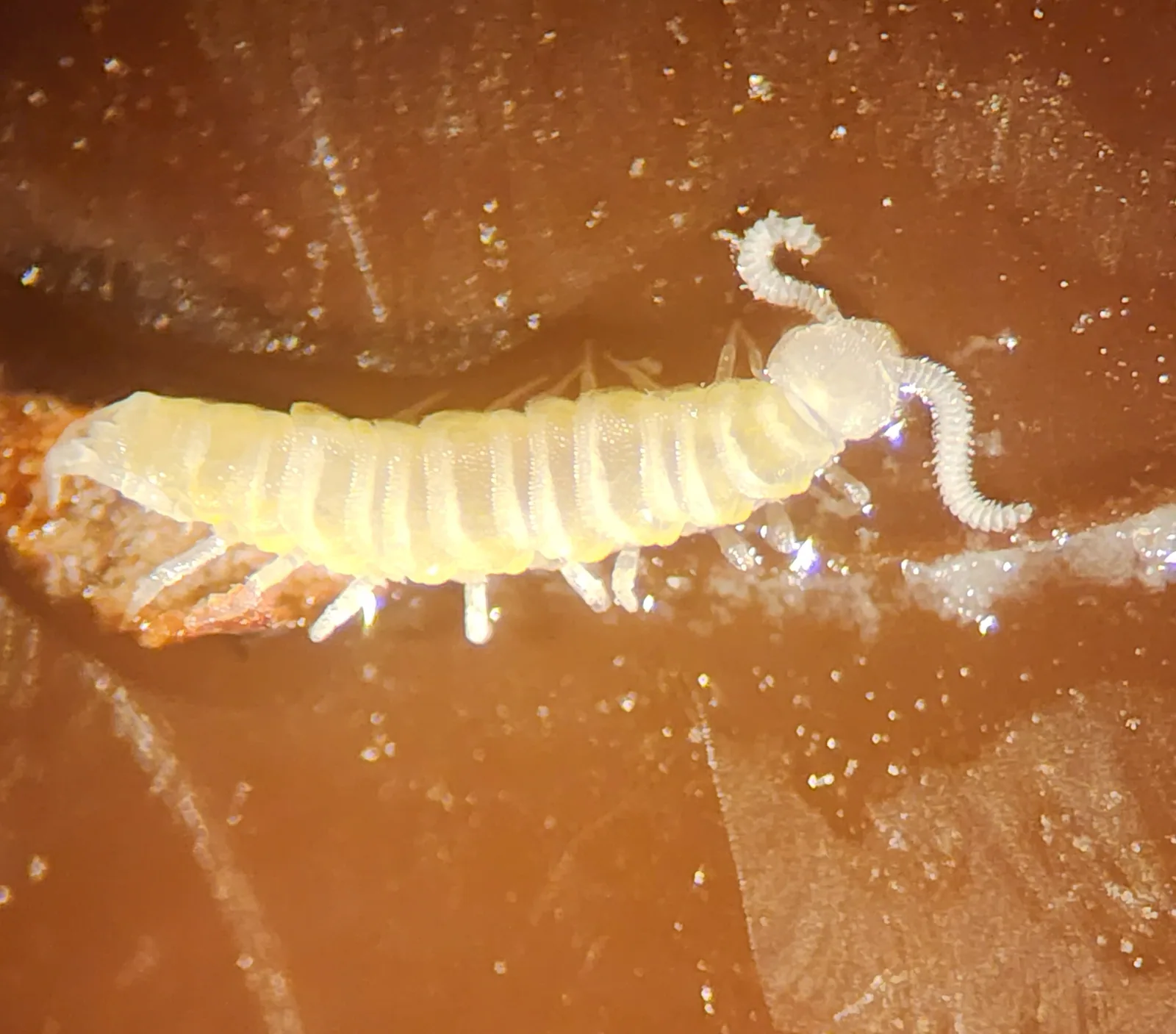
  • Isopods: terrestrial and semi-aquatic detritivores; process decaying plant matter in the moist shoreline zone
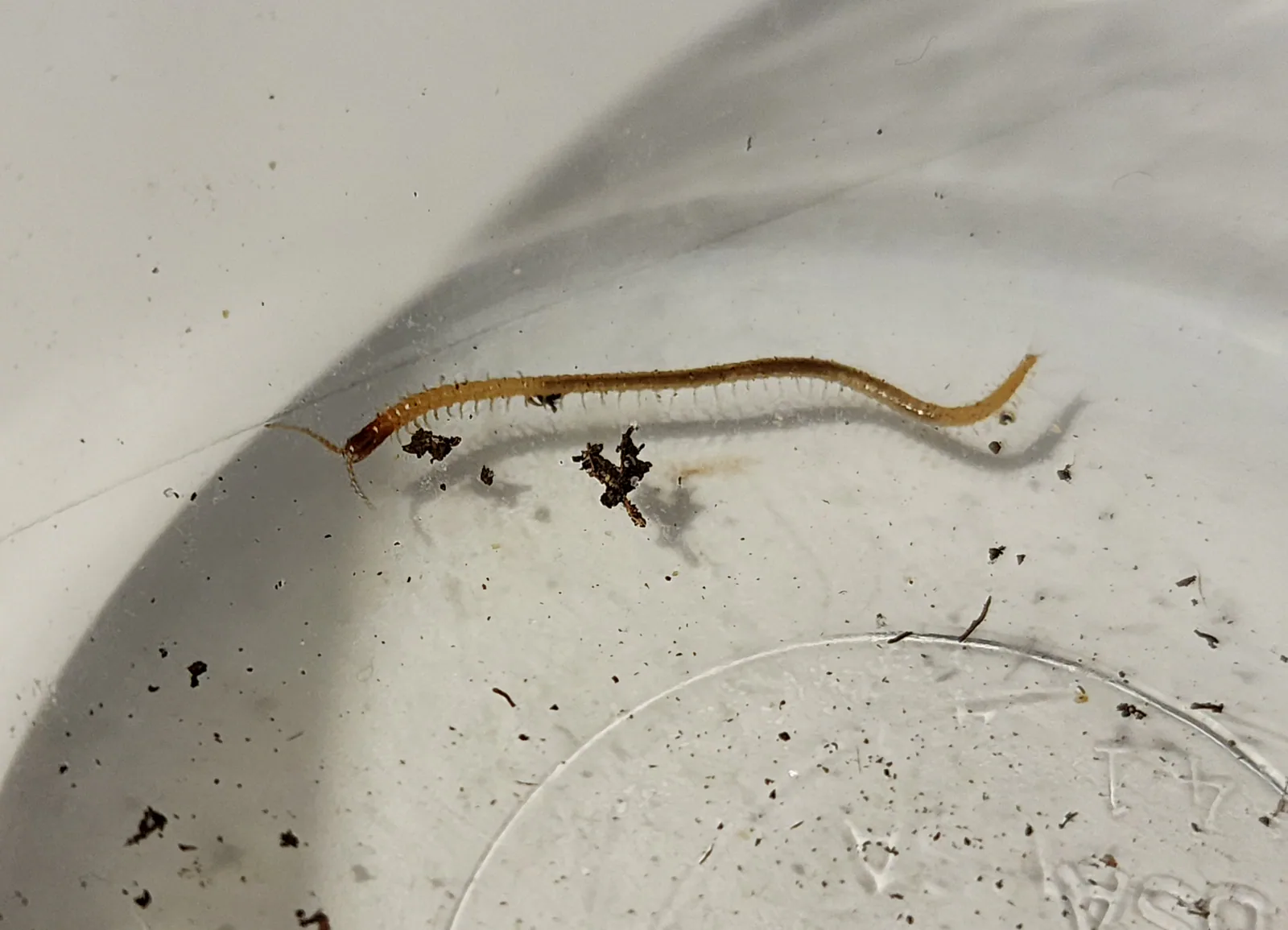
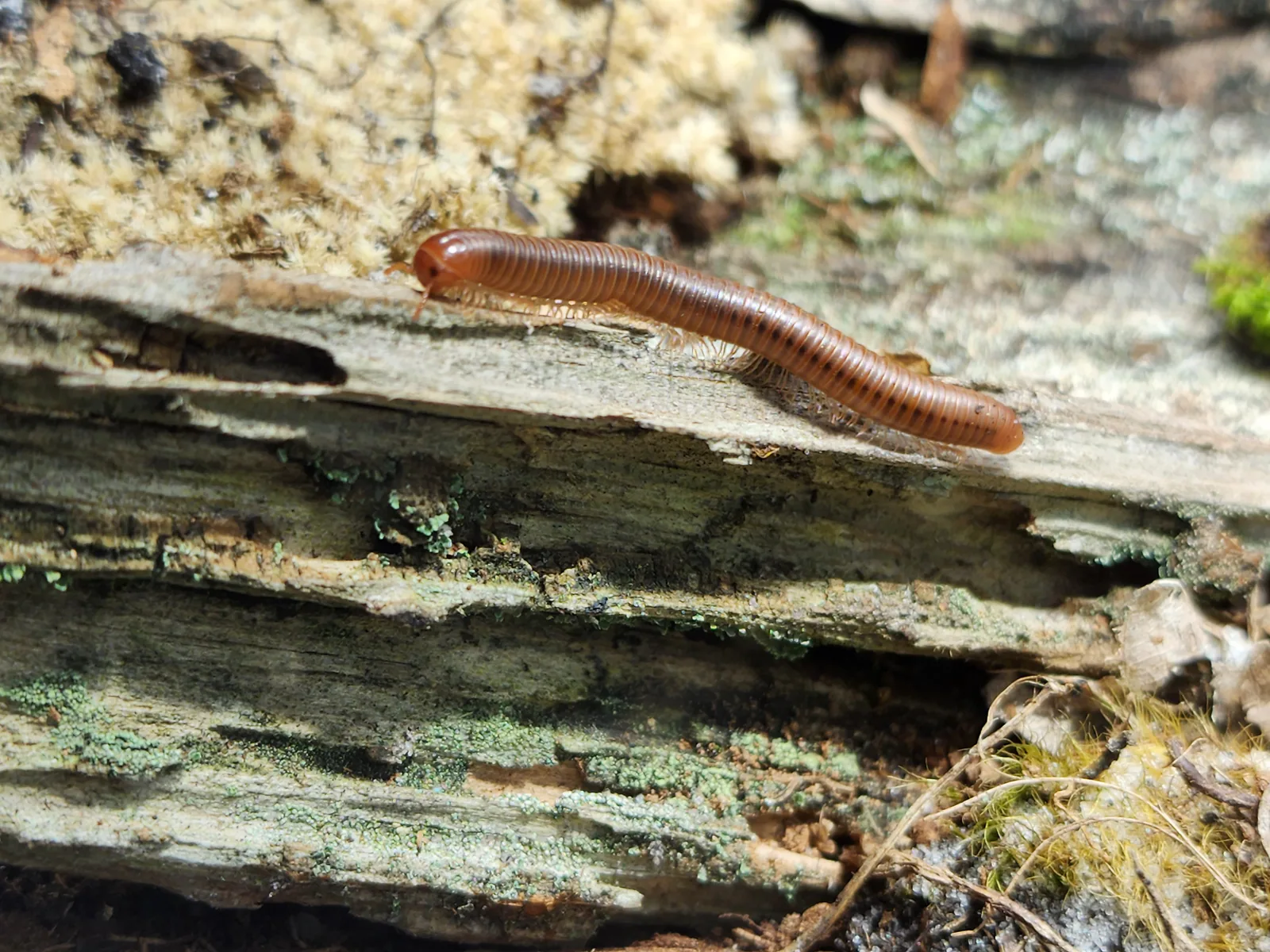
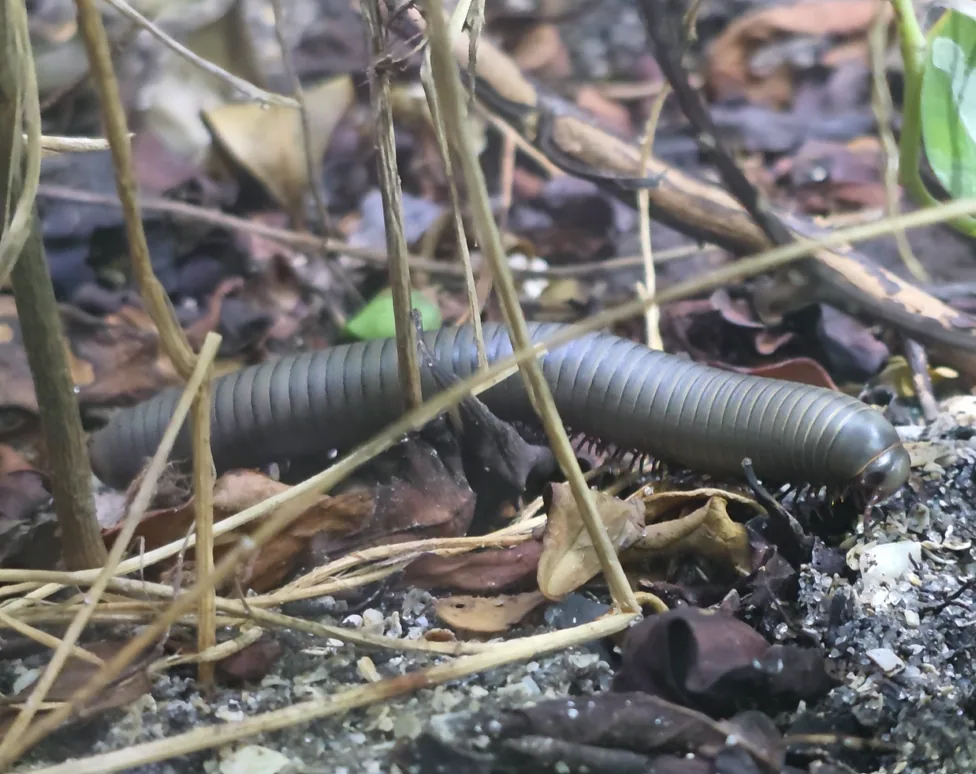
  • Millipedes: terrestrial detritivores in moist substrate
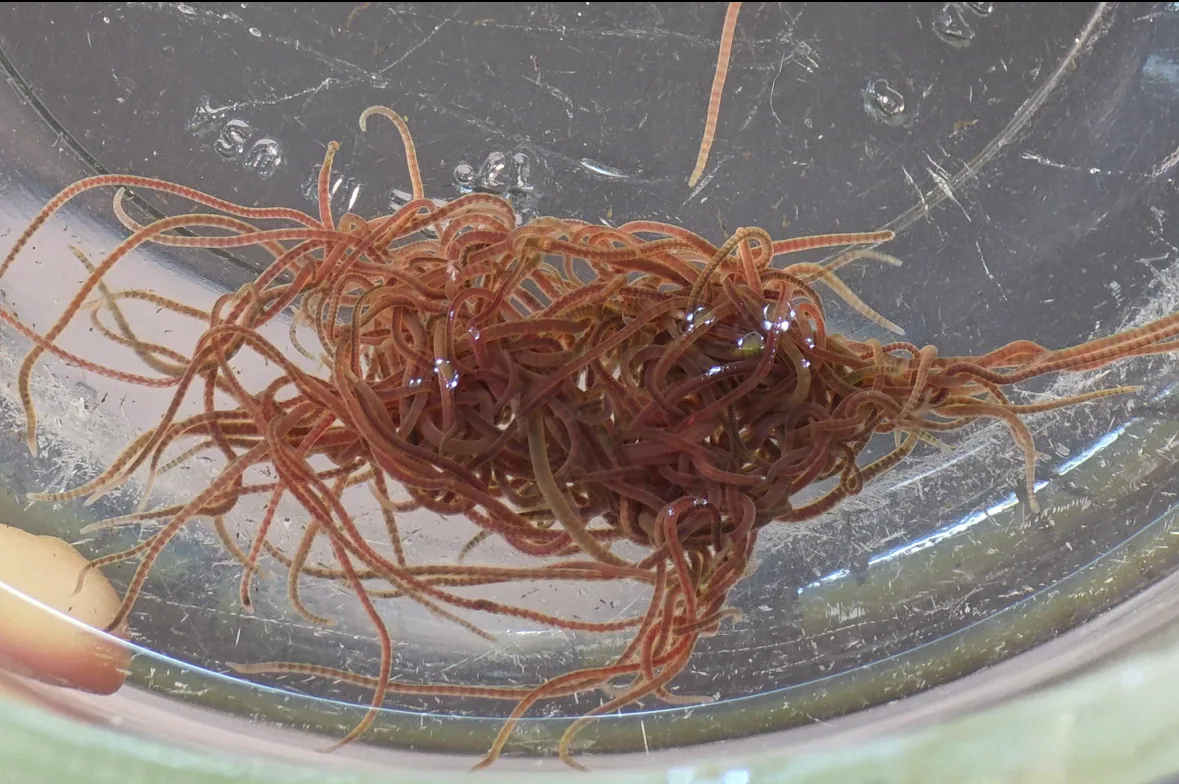
  • Blackworms (Lumbriculus variegatus): aquatic tubificid worms; documented in Lakeshore substrate; fragment when disturbed and can regenerate; establishment persistence unresolved
  • Earthworms and other worms: substrate-processing detritivores in organic-rich moist substrate
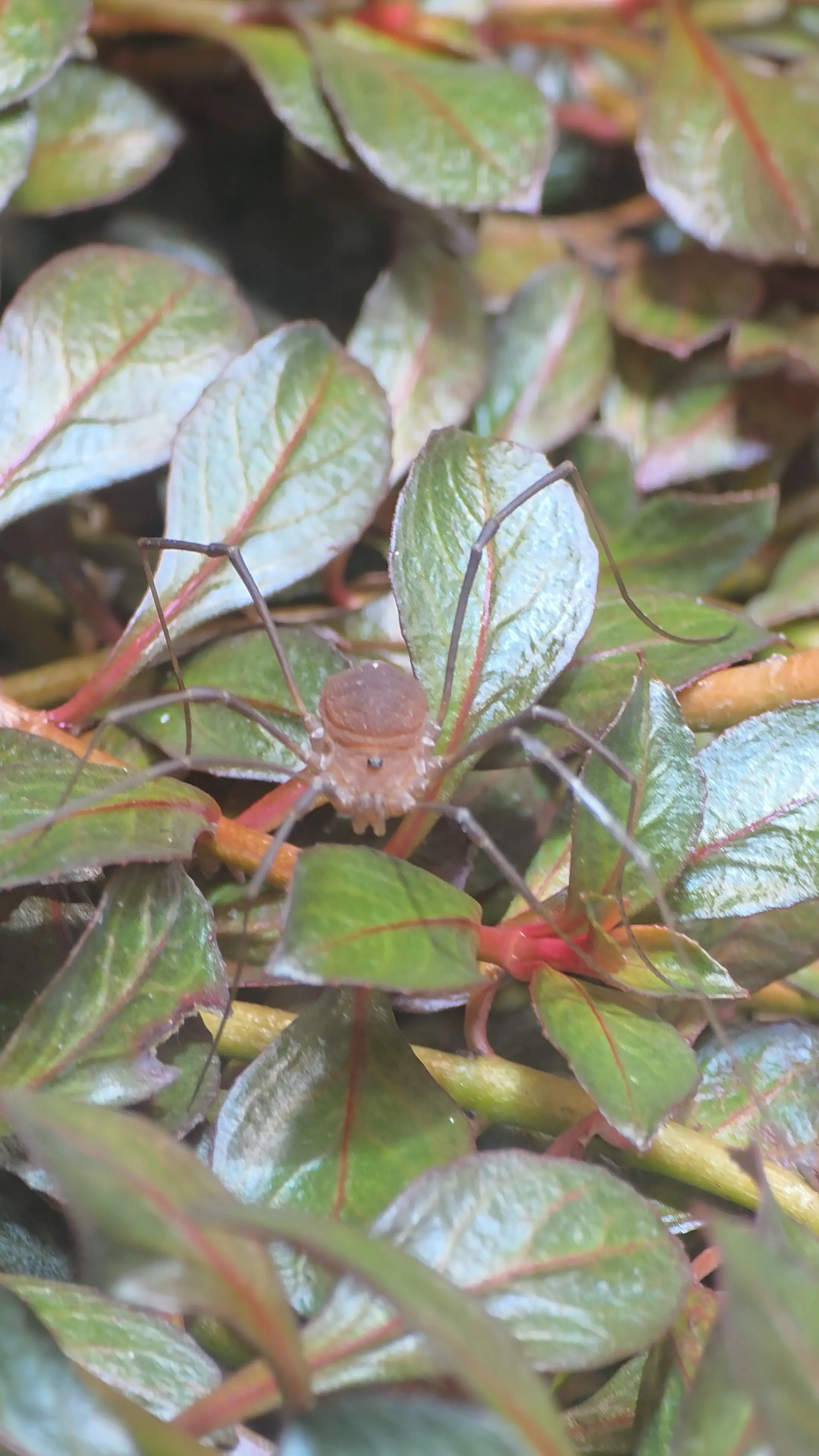
  • Harvestmen (Order Opiliones, species-level identification unverified): two released in Lakeshore September 27. Two were seen together here September 29, one apparently consuming unidentified material from a glass-surface clump near Ludwigia leaves. Individual continuity from the release, sexes, regular diet and establishment remain unknown.

Predators and Reproduction Signals

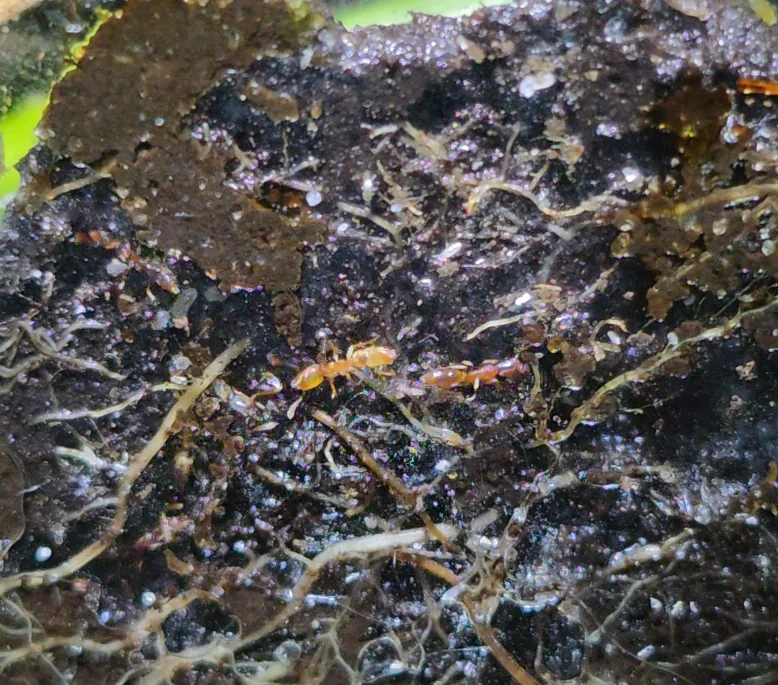
  • Common Crypt Ant (Proceratium sp. or related): alates observed in the Lakeshore, indicating a reproductive phase; colony expansion or new colony formation from the alate event unresolved; cryptic nester in moist or decomposing material
  • Unknown beetle larva: identity unresolved; present in Lakeshore substrate; adult identity not established
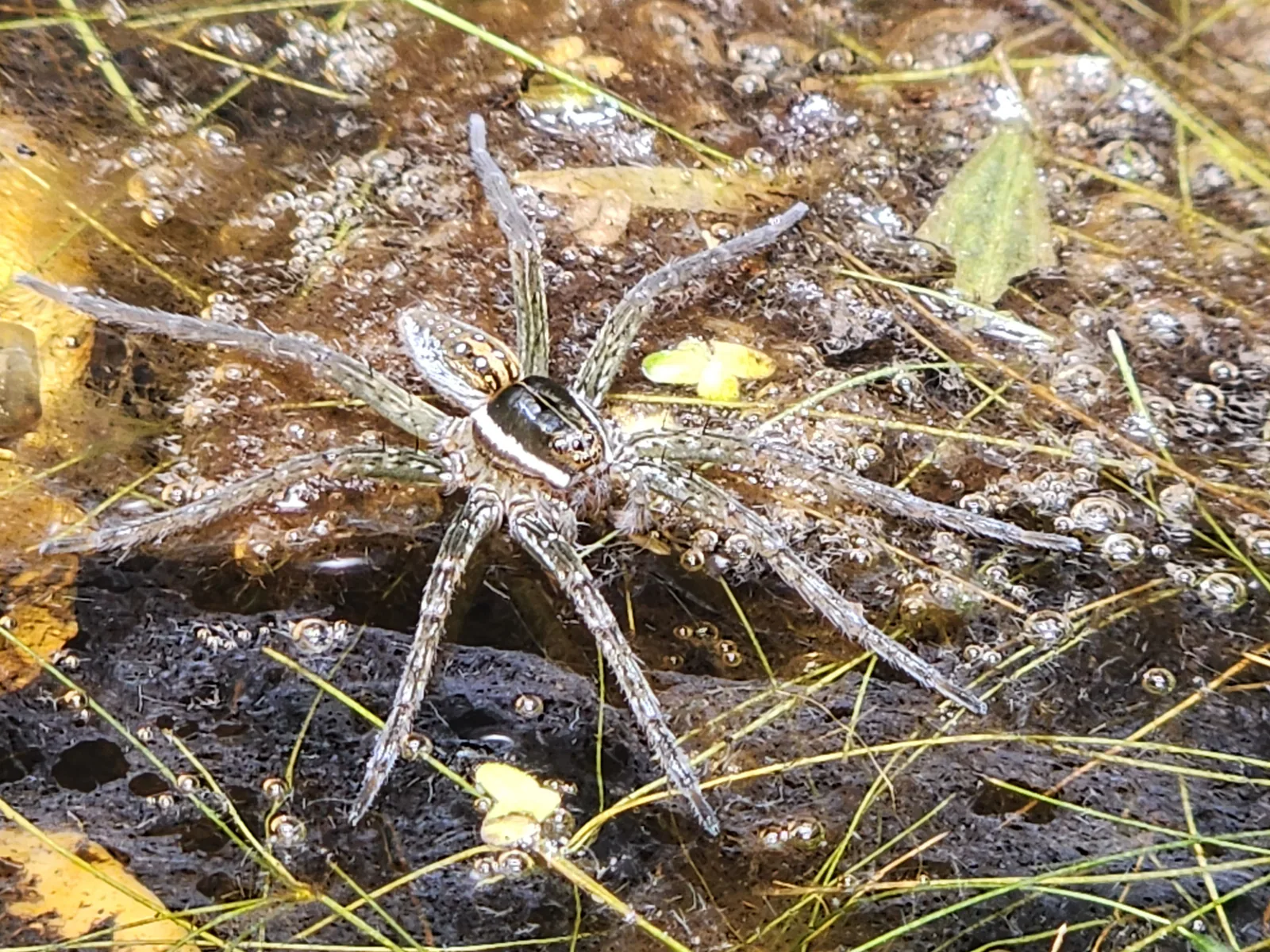
  • Red House Spider (Nesticodes rufipes): long-standing range into the Lakeshore, part of a system-wide range spanning every biome except the Seagrass Meadow, first documented in full August 3, 2026; builds tangled cobwebs in sheltered corners and dense vegetation
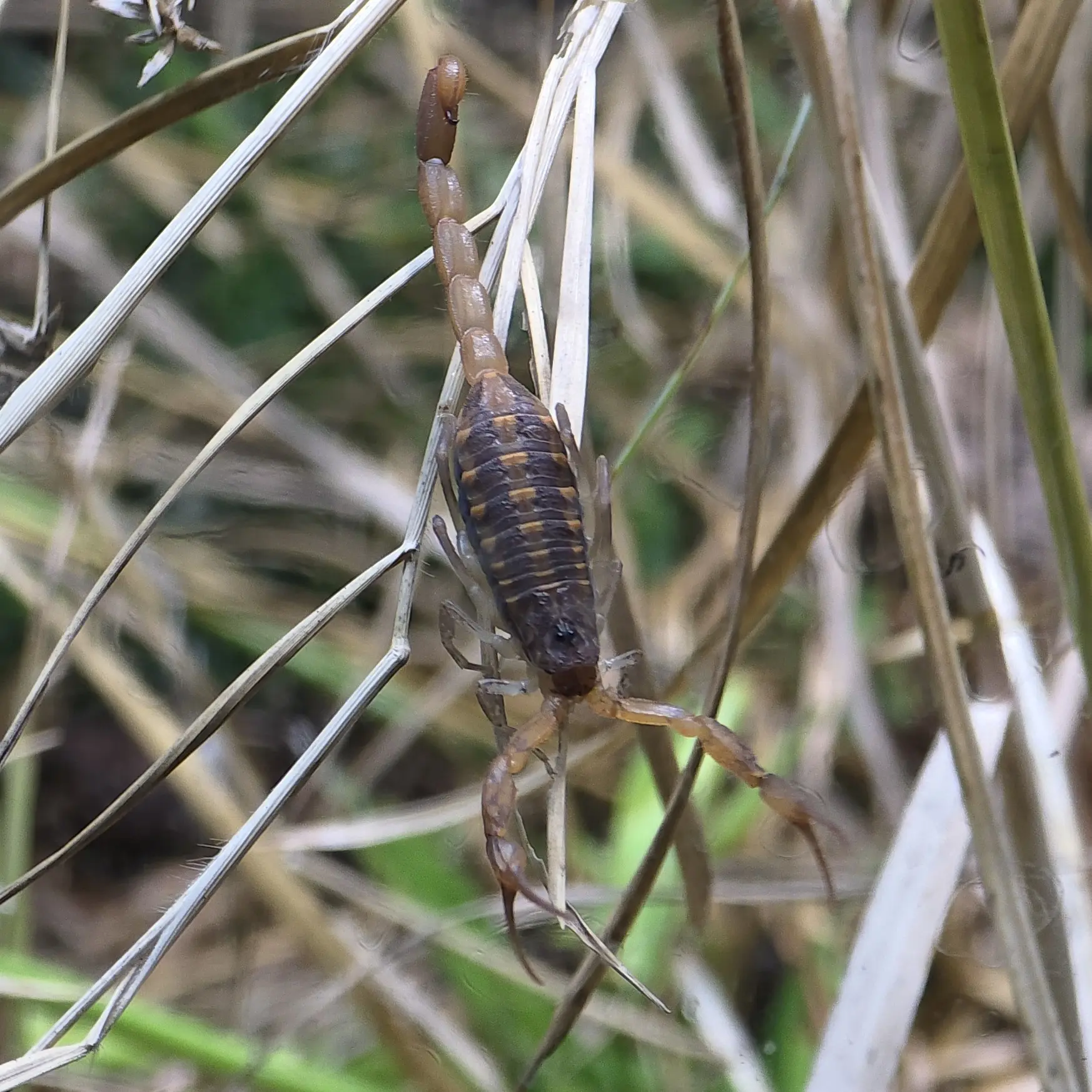
  • Hentz Striped Scorpion (Centruroides hentzi): long-standing range into the Lakeshore, in addition to its previously documented Lowland Meadow and Mangrove Forest range, first documented August 3, 2026; nocturnal ambush predator sheltering under bark and litter by day

Visitors and Corridor Users

  • Mangrove Tree Crab (Aratus pisonii): documented using the terrestrial Lakeshore edge as a movement corridor; observed June 9, 2026 and June 11, 2026; does not enter lake water; Lakeshore used as corridor, not resident habitat; population declined to two consistently found individuals as of July 15, 2026, down from six introduced June 4, 2026, which may affect the frequency of future Lakeshore corridor use
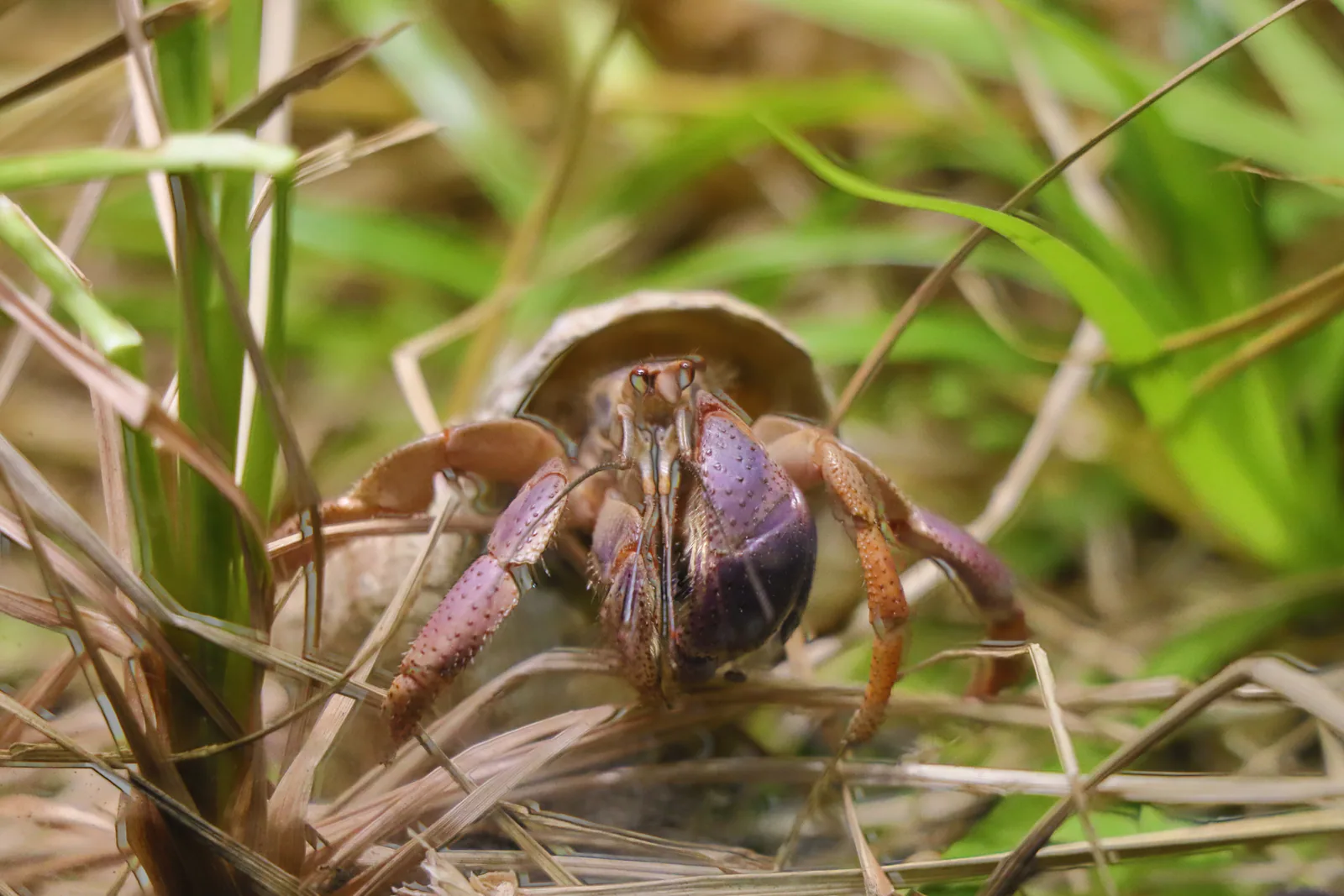
  • Caribbean Hermit Crab (Coenobita clypeatus): two individuals observed in the lakeshore biome on June 11, 2026 as part of a multi-species crab interaction; passed through sequentially toward the lowland meadow; Lakeshore appears to function as a movement corridor for this species
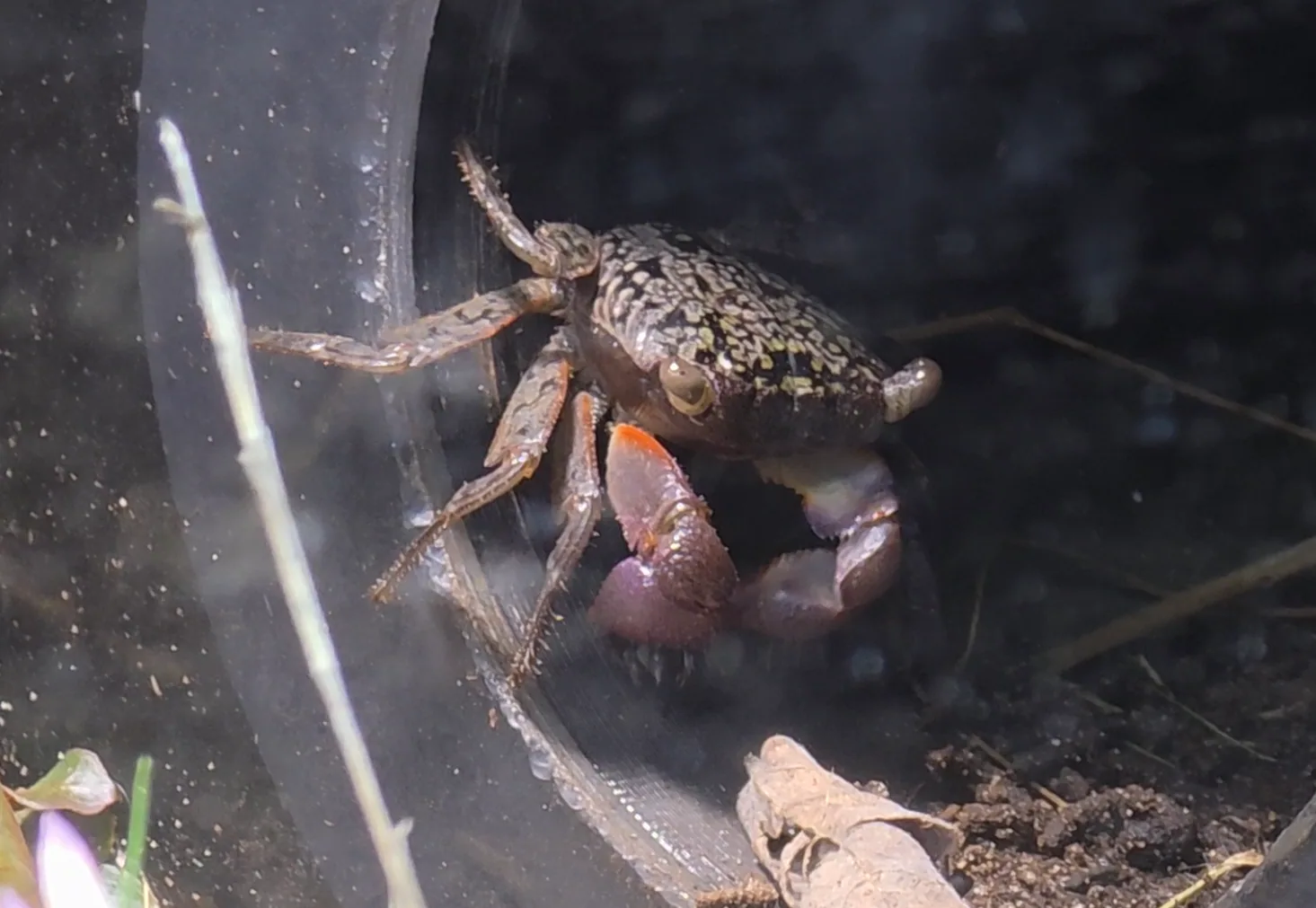
  • Humic Marsh Crab (Armases ricordi): one individual observed in the lakeshore biome on June 11, 2026 alongside Caribbean hermit crabs and Mangrove Tree Crab; no aggression; sequential passage through bottleneck toward lowland meadow; removed from miniBIOTA August 11, 2026 as a predation-pressure management decision, no longer part of this biome's range
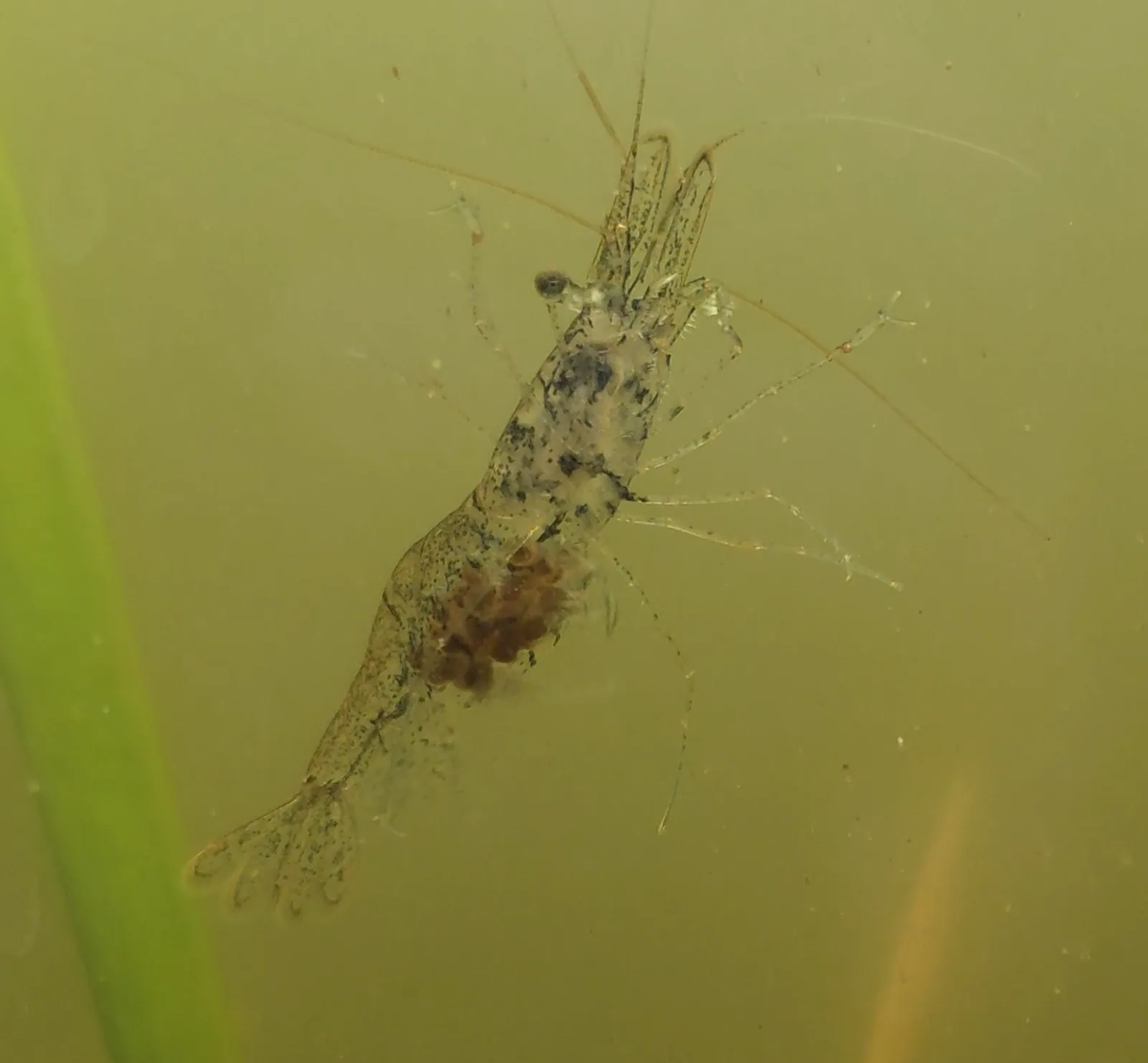
  • Slough Crayfish (Procambarus fallax): visitor to Lakeshore shoreline; baby crayfish hatchlings documented in root-refuge context; adults use shoreline plant zone during movement; the Lakeshore's dense structural cover is cited as concealing part of the freshwater-realm population from lake counts (September 1, 2026 count of fifteen visible simultaneously is a minimum only)

Grazers and Herbivores (additions)

  • Freshwater Limpet: tiny cap-shaped grazer; first documented in the Lakeshore biome July 2, 2026, shortly before a same-night Freshwater Lake sighting; timing evidence favors continuous persistence in the system over a fresh hitchhiker arrival; primarily documented in the Freshwater Lake prior to this sighting

Filter Feeders and Microcrustaceans

  • Moina: present in the Freshwater Lake and Lakeshore since approximately September 2025. A July 2, 2026 night observation found the majority of the population concentrated in the Lakeshore's dense vegetation rather than the open Freshwater Lake water column, at the time attributed to Daphnia; an August 7, 2026 identification correction determined it is most likely Moina, with daytime concealment there explaining prior underestimation of abundance, emerging into the Lakeshore water column to feed at night. This revises the species' prior characterization as an incidental refuge-seeker toward the Lakeshore functioning as its primary habitat.
  • Ceriodaphnia dubia: tiny daphniid distinguished from Moina in the Freshwater Lake in May 2026; may also be present in the Lakeshore's vegetated margins, not separately confirmed here.

Terrestrial Vertebrates (new, August 2026)

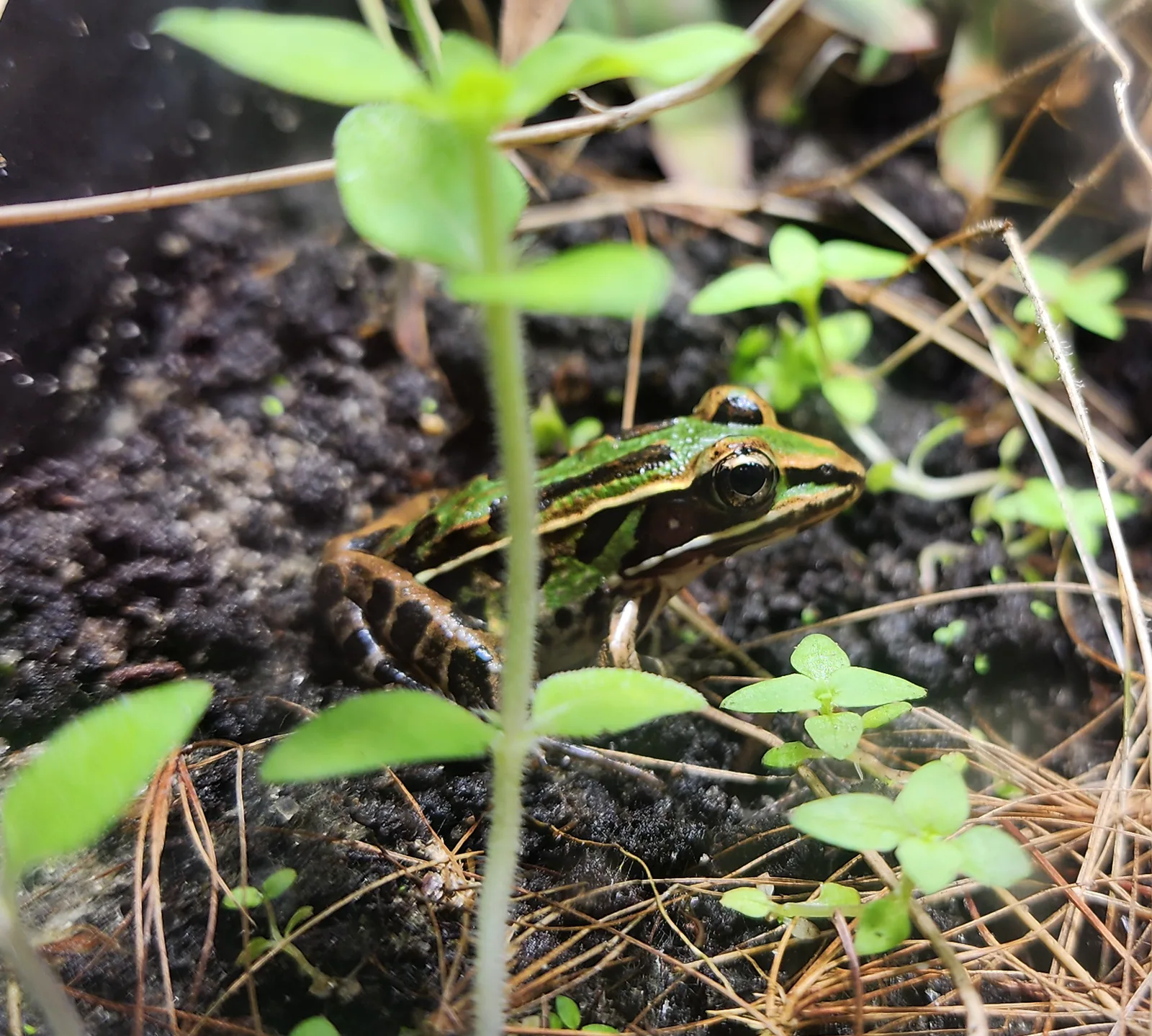
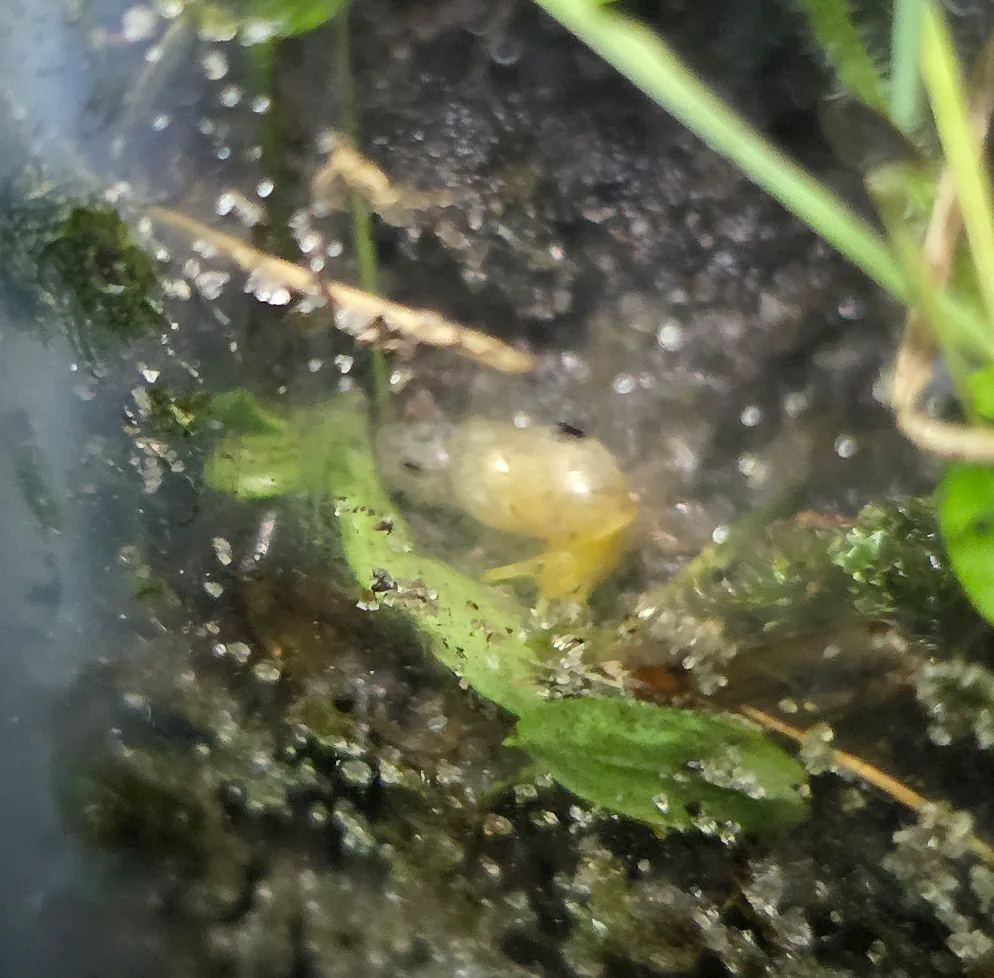
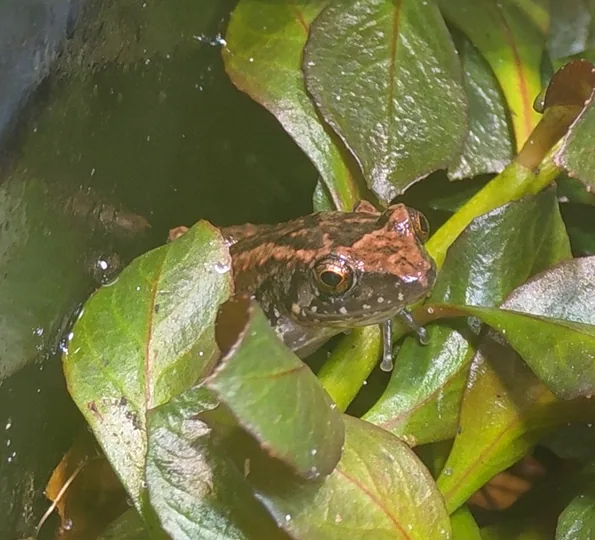
  • Greenhouse Frog (Eleutherodactylus planirostris): five individuals (2 adults, 3 likely-newborn juveniles) introduced August 3, 2026, sourced from a backyard discovery outside miniBIOTA; the first amphibian and first attempted terrestrial vertebrate since a prototype-era house gecko; direct-developing species with no tadpole stage; expected to feed on the Lakeshore's ant, isopod, and small-roach populations; survival is unconfirmed, and predation risk from Hentz Striped Scorpion, Red House Spider, and Humic Marsh Crab (all with a long-standing range in the Lakeshore) is a confirmed co-occurrence but not a confirmed predation event

miniBIOTA Evidence

Establishment

The Lakeshore was established November 14, 2022, the same day as the Freshwater Lake. As the physical shoreline of the original freshwater enclosure, it has existed as a biome zone since the system's first day. Shoreline plants, substrate, and a moisture gradient have been present throughout.

What Is Confirmed

  • Lakeshore established November 14, 2022.
  • Ludwigia, dollarweed, shoreline grasses and sedges, algae, and biofilm present as producers.
  • Amber Snails introduced; eggs and hatchlings observed; subsequent attrition and broken shells documented.
  • Baby Slough Crayfish used Lakeshore root-refuge structure after hatching.
  • Common Crypt Ant alates observed (reproductive phase signal).
  • Ridgeback Sand Grasshopper feeding on Ludwigia documented (April 26, 2026; species since extirpated).
  • Field Cricket directly observed eating Ludwigia leaves in the Lakeshore, September 1, 2026, the first Field Cricket record in this biome.
  • Blackworms present in Lakeshore substrate.
  • Unknown beetle larva present; identity unresolved.
  • Eight Bladder Snails in dense aquatic vegetation.
  • Mangrove Tree Crabs moved through terrestrial Lakeshore edge without entering lake water.
  • Two Caribbean hermit crabs, one Mangrove Tree Crab, and one Humic Marsh Crab observed simultaneously in the lakeshore biome; no aggression, buffer spacing, and sequential passage through a narrow bottleneck toward the lowland meadow.
  • One second-generation amber snail observed June 14, 2026, noticeably larger than original hatchlings; confirms at least one juvenile survived past the earliest life stages.
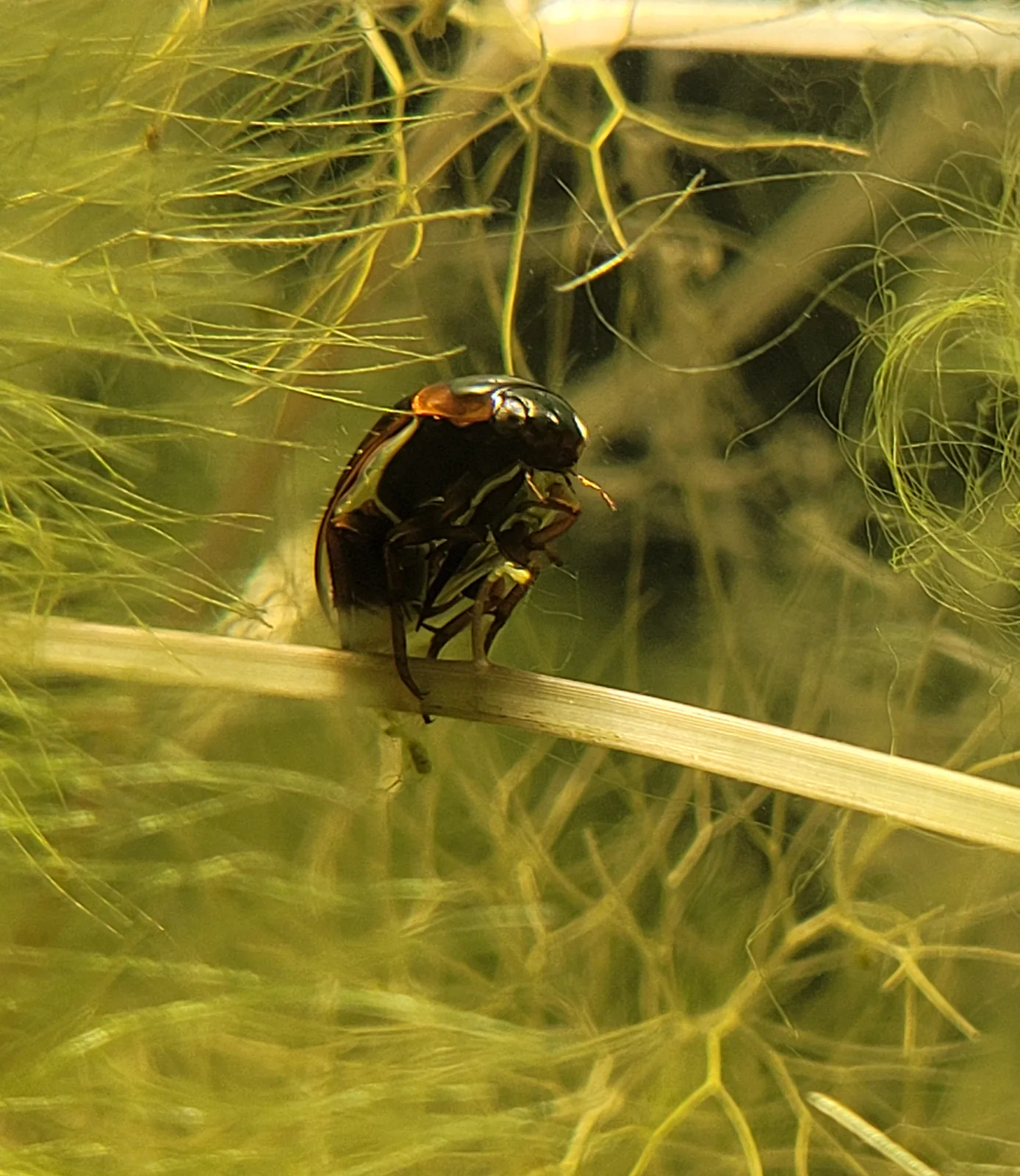
  • Aquatic Beetle (approximately 1-2 mm, hook-like front legs) video documented in the Lakeshore biome on June 30, 2026; present since the wetland collection; first detailed video record.
  • Freshwater Limpet documented in the Lakeshore for the first time July 2, 2026.
  • A daphniid population confirmed concentrated in dense Lakeshore vegetation and actively feeding there at night, July 2, 2026 (at the time attributed to Daphnia; per the August 7, 2026 correction, most likely Moina); video documented. The Lakeshore functions as primary daytime concealment habitat rather than an incidental refuge.
  • Moina confirmed, August 7, 2026, to have been present in the Freshwater Lake and Lakeshore since approximately September 2025; a separate, smaller daphniid confirmed as Ceriodaphnia dubia.
  • Five Greenhouse Frogs (two adults, three likely-newborn juveniles) introduced to the Lakeshore August 3, 2026, the first amphibian and first attempted terrestrial vertebrate since a prototype-era house gecko.
  • Hentz Striped Scorpion and Red House Spider both have a long-standing range into the Lakeshore, documented for the first time August 3, 2026.
  • One adult Greenhouse Frog confirmed remaining in the Lakeshore the night of introduction (August 3, 2026); the Lakeshore functioned as the launch point for the other adult's move into the Lowland Meadow, the first confirmed vertebrate use of the Lakeshore corridor.
  • Two of the three juvenile Greenhouse Frogs reconfirmed alive in the Lakeshore August 23, 2026, appearing slightly larger than at introduction; the third juvenile has not been located since introduction.
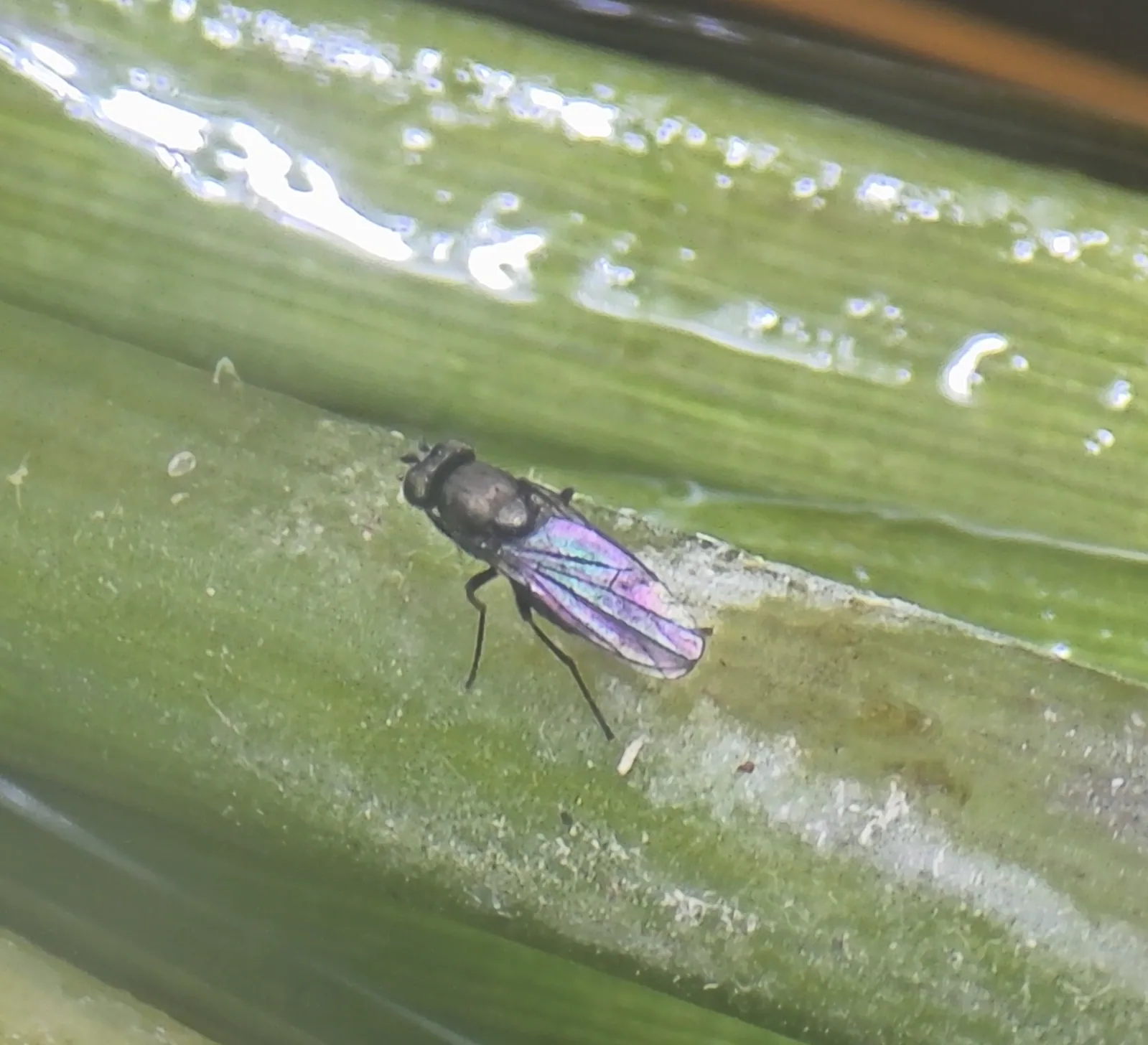
  • Seven flies identified by Josue as sink flies were introduced September 19, 2026; their identity and later persistence remain unverified.
  • A Gulf Marsh Crab was directly observed shifting Creeping Primrose Willow in Lakeshore on September 23, 2026.
  • Two harvestmen were released in Lakeshore on September 27, 2026, according to the subsequent location clarification. This records their introduction site, not continuing occupancy.
  • Two harvestmen were sighted together in Lakeshore September 29, and one showed apparent feeding at a glass-surface clump near Ludwigia leaves.

Active Ecological Tensions

September 2026 introductions and disturbance: Seven flies identified as sink flies were introduced September 19 to test use of wet decomposing material; identity, reproduction, and nutrient movement are hypotheses. On September 23, Gulf Marsh Crab digging visibly shifted Creeping Primrose Willow, but lasting habitat effects and a proposed link to Humic Marsh Crab removal remain unconfirmed. Two harvestmen were released here September 27; two were seen together September 29, with one apparently feeding on unidentified glass-surface material. Individual continuity, longer-term survival, sex and reproduction remain unknown. Gulf Marsh Crab predation is a proposed risk rather than an observed interaction.

Amber Snail second generation (partial resolution, monitoring continues): On June 14, 2026, one second-generation amber snail was observed in the Lakeshore, noticeably larger than the original hatchlings from the May 2 hatch event. This confirms that at least one juvenile survived past the earliest life stages. However, only one individual was spotted; total surviving cohort size and founding adult survival remain unresolved. Whether the amber snail population will continue growing, stabilize, or decline is the open question entering July 2026.

Predation on Amber Snails (unknown predator): The broken shells and attrition evidence imply predation, but the predator has not been identified. Candidates include Common Crypt Ants (documented presence, known to prey on soft-bodied invertebrates), other ants, beetles, or mechanical damage. Identifying the source of attrition would change the interpretation of Amber Snail establishment potential.

Nursery outcomes for baby crayfish (unresolved): Baby Slough Crayfish used root-refuge structure in the Lakeshore following hatching, but juvenile survival and maturation are not confirmed. Whether the Lakeshore successfully functions as a crayfish nursery or whether juveniles were predated or starved remains open.

Common Crypt Ant reproductive phase (unresolved): Alates signal a reproductive event, but whether the colony expanded, dispersed, or declined after the alate flight is not confirmed. The Common Crypt Ant's presence at the Lakeshore and potential predation role (on amber snails, beetle larvae, or other invertebrates) is ecologically relevant to the Lakeshore's balance.

Plant cover and terrestrial herbivory on Ludwigia (watch): Ludwigia herbivory in the Lakeshore was first documented for the Ridgeback Sand Grasshopper (April 26, 2026), a species since extirpated from miniBIOTA. On September 1, 2026, a Field Cricket was directly observed eating Ludwigia leaves in the Lakeshore, taking over the plant-to-terrestrial-herbivore link. Current grazing pressure is negligible (one cricket, one event), but if the Field Cricket population grows following the August 11, 2026 removal of one of its predators, sustained feeding could reduce Ludwigia cover and alter the Lakeshore's plant structure and moisture-retention capacity.

Daphnia habitat reassessment (new July 2, 2026): A night observation found the majority of the freshwater system's Daphnia population concentrated in dense Lakeshore vegetation rather than the open Freshwater Lake water column, emerging to feed at night. This revises the Lakeshore's role for this species from an occasional refuge to an apparent primary habitat, and suggests the population is considerably stronger than prior, largely daytime and open-water-focused observations indicated. Whether this changes the assessment of Daphnia grazing pressure on the Freshwater Lake's persistent algae bloom is unresolved.

Greenhouse Frog survival and predation-risk watch (updated September 24, 2026): Five Greenhouse Frogs, two adults and three likely-newborn juveniles, were introduced to the Lakeshore as the first amphibian and first attempted terrestrial vertebrate in miniBIOTA since a prototype-era house gecko. The Lakeshore's documented terrestrial invertebrate community (ants, isopods, small cockroaches) is the basis for expecting a viable food supply, though this is a general biome assessment rather than a fresh census of those specific prey species. At introduction, possible predation risk included Humic Marsh Crab (observed here June 11, 2026), Hentz Striped Scorpion, and Red House Spider. Humic Marsh Crab was removed August 11, 2026; no Greenhouse Frog predation by any of these species has been observed. Red House Spider has been observed taking Hentz Striped Scorpions, which supports its predatory capability but does not establish frog predation. On the night of August 3, 2026, both adult frogs were confirmed alive: one remained in the Lakeshore, the other moved into the Lowland Meadow. None of the three juveniles were located then. On August 23, 2026, two juveniles were located in the Lakeshore, appearing slightly larger, though feeding itself was not directly observed. The third juvenile remains unlocated. Later survival and predator interactions remain open questions.