Calcinus tibicen
Orangeclaw Hermit Crab
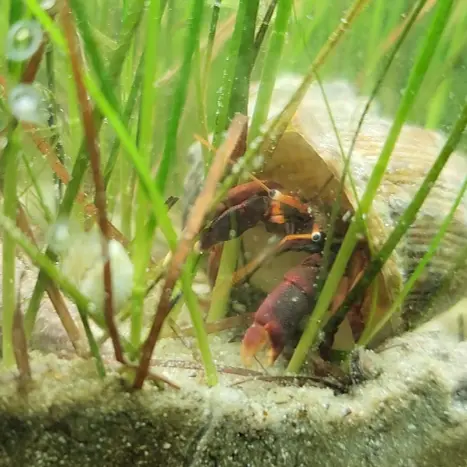
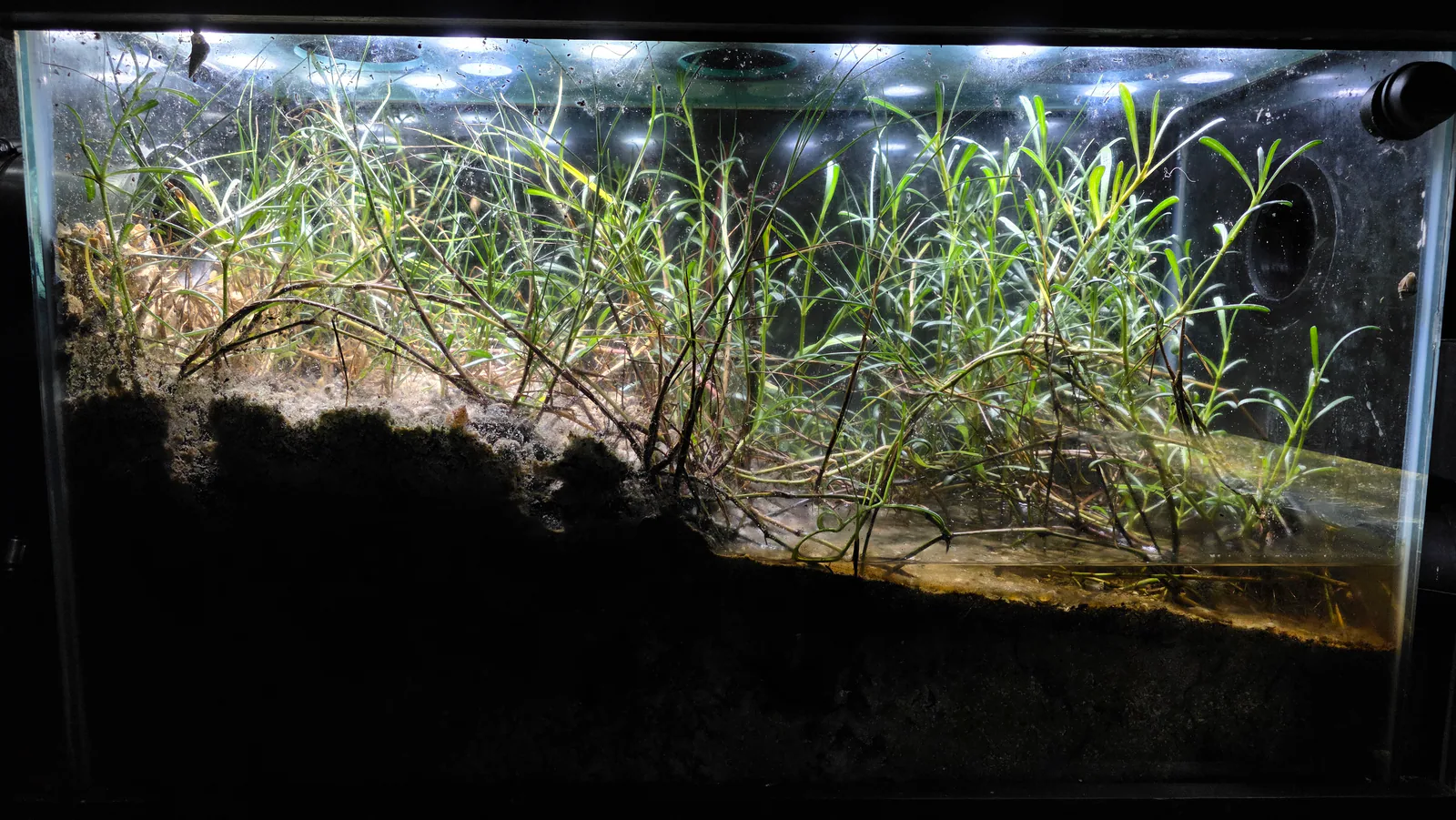
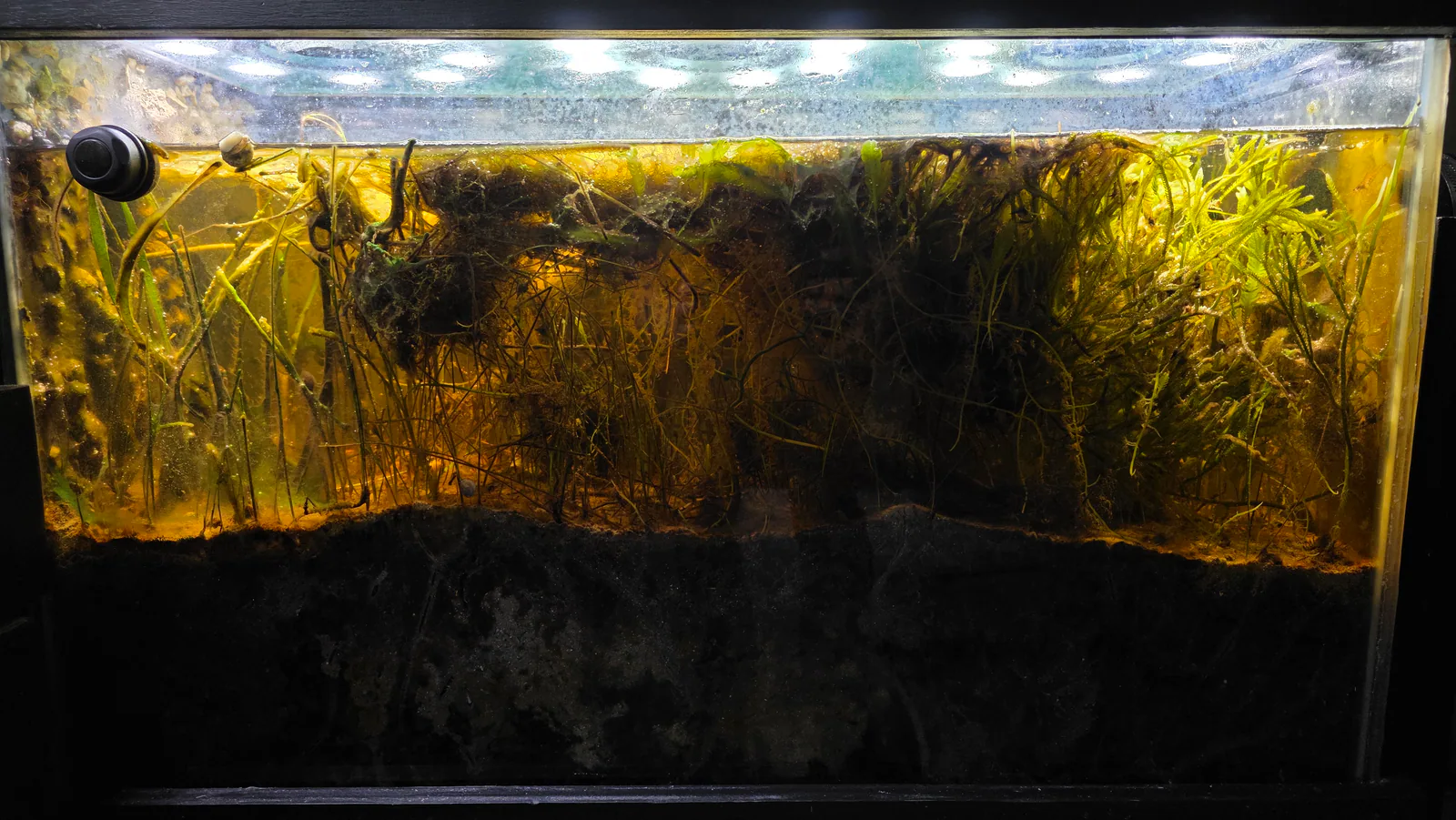
A bold orange-clawed hermit crab bridging Marine Shore and Seagrass Meadow surfaces, grazing algae, scavenging organic material, and using empty shells as mobile shelter.
Calcinus tibicen
A bold orange-clawed hermit crab bridging Marine Shore and Seagrass Meadow surfaces, grazing algae, scavenging organic material, and using empty shells as mobile shelter.
The profile remains vulnerable and low-count. Public records show ongoing movement, grazing, shell use, corridor activity, and predator/scavenger context, but the reviewed evidence does not support a broad breeding population claim.
Travels between the seagrass and coastal biome in search of food but remains entirely underwater at all times.
This section will expand as more information is documented for this species.
Sexing unknown
Follow this species across the habitats where it currently appears in the miniBIOTA biosphere.
Hermit crabs are calcium consumers / snail predators in the record.
Hermit crab was the local grazing context for the grub introduction.
Orangeclaw Hermit Crab remains nutrient-processing context.
This chronicle is connected here as related context. Open the primary chronicle for the full story.
Orangeclaw Hermit Crab remains detritus-processing context.
This chronicle is connected here as related context. Open the primary chronicle for the full story.
The Lowland Meadow was losing nitrogen through the water cycle, and white Dutch clover seedlings were being heavily grazed by abundant snails. A second legume-like plant was added as a possible nitrogen fixer that might establish faster, tolerate wet soil, and avoid the same grazing pressure.
Resolved White Dutch Clover to species 135.
After the squareback marsh crab was removed, southern flat coiled snails were added to test whether the mangrove crab would prey on them or keep eating mangrove leaves. The mangrove crab stayed with leaves, but the orangeclaw hermit crab unexpectedly began hunting the snails, changing the predator story in the Lowland Meadow.
This chronicle is connected here as related context. Open the primary chronicle for the full story.
Two land hermit crabs were added and emerged from molting with immediate digging behavior. Their burrowing and soil-turning could help break up tough substrate, move material around, and reshape the terrestrial side of the biosphere.
This tour records the early coastal marine miniBIOTA as a closed ecosphere with mangrove, shoreline, and marine elements developing inside a sealed system. The video walks through the living habitat and support equipment, showing how plants, crabs, oysters, algae, and external hardware fit into the larger goal of a modular biosphere that can expand into more biomes over time.
A modular marine ecosystem inventory recorded a dense food web: crabs, shrimp, worms, macroalgae, snails, hermit crabs, pipefish, a sea slug, isopods, amphipods, tiny sea anemones, porcelain crabs, and multi-generational marginellas. The entry functions as a snapshot of the system's diversity before later changes.
This chronicle is connected here as related context. Open the primary chronicle for the full story.