Habitat Type and Global Context
The marine intertidal zone: the coastal strip exposed to air at low tide and submerged at high tide: is one of the most physically dynamic and biologically productive habitats on Earth. Organisms living in the intertidal zone must tolerate the most extreme fluctuations of any coastal habitat: cycles of desiccation and submersion, UV radiation during low tide, temperature swings between air-exposed sand and seawater, salinity fluctuations from rain and evaporation, and the mechanical force of wave action. In response, intertidal species have evolved some of the most striking adaptations in nature: periwinkles that climb above the waterline to avoid aquatic predators, fiddler crabs that breathe air through modified gills and retreat to burrows, and pulmonate snails that breathe air directly and graze dead plant matter at the splash zone.
Classic intertidal zones are organized into vertical bands based on the duration of aerial exposure: the spray zone (above high tide, wet only by splash), the upper intertidal (exposed most of the time), the mid-intertidal (alternately exposed and submerged), and the lower intertidal (exposed only at low tide). Each zone is home to distinct organisms tuned to its particular aerial-exposure regime.
Florida and Regional Relevance
Florida's Gulf Coast is microtidal, with typical tidal ranges of 0.3 to 1 meter: far less than the dramatic Atlantic or Pacific rocky intertidal zones. This means Florida marine shores lack the sharp, tide-driven zonation of higher-latitude rocky coasts. Instead, Florida's Gulf Coast marine shores are characterized by gently sloped sand and shell-hash beaches, patches of limestone and coquina, and extensive mangrove fringing at the terrestrial edge. Wave action, wind, rain, and biological forces do more of the physical shaping here than tidal amplitude.
Florida's marine shorelines are ecologically important as:
- Corridors for organisms moving between aquatic and terrestrial habitats
- Depositional surfaces for marine-derived organic matter and shells
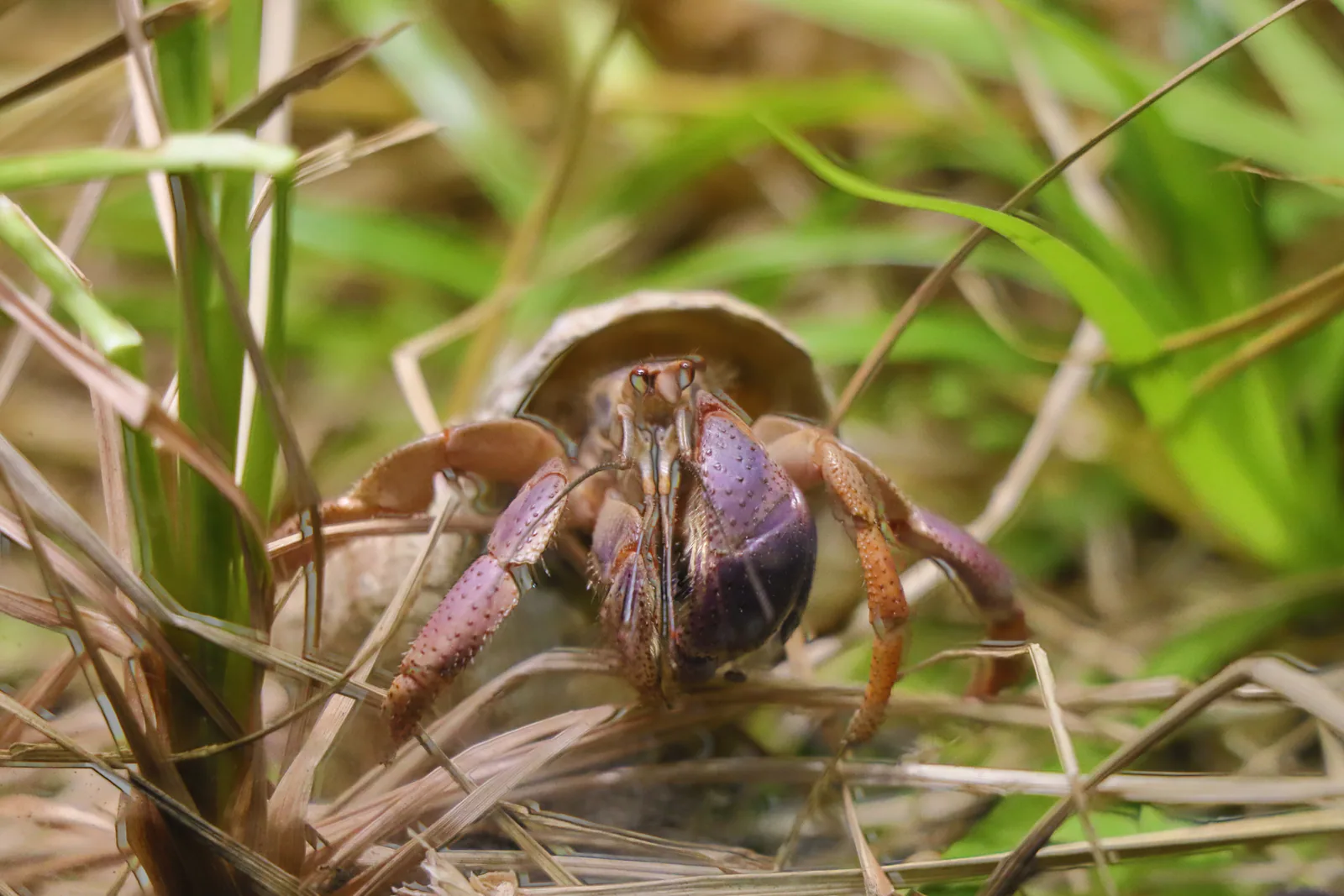
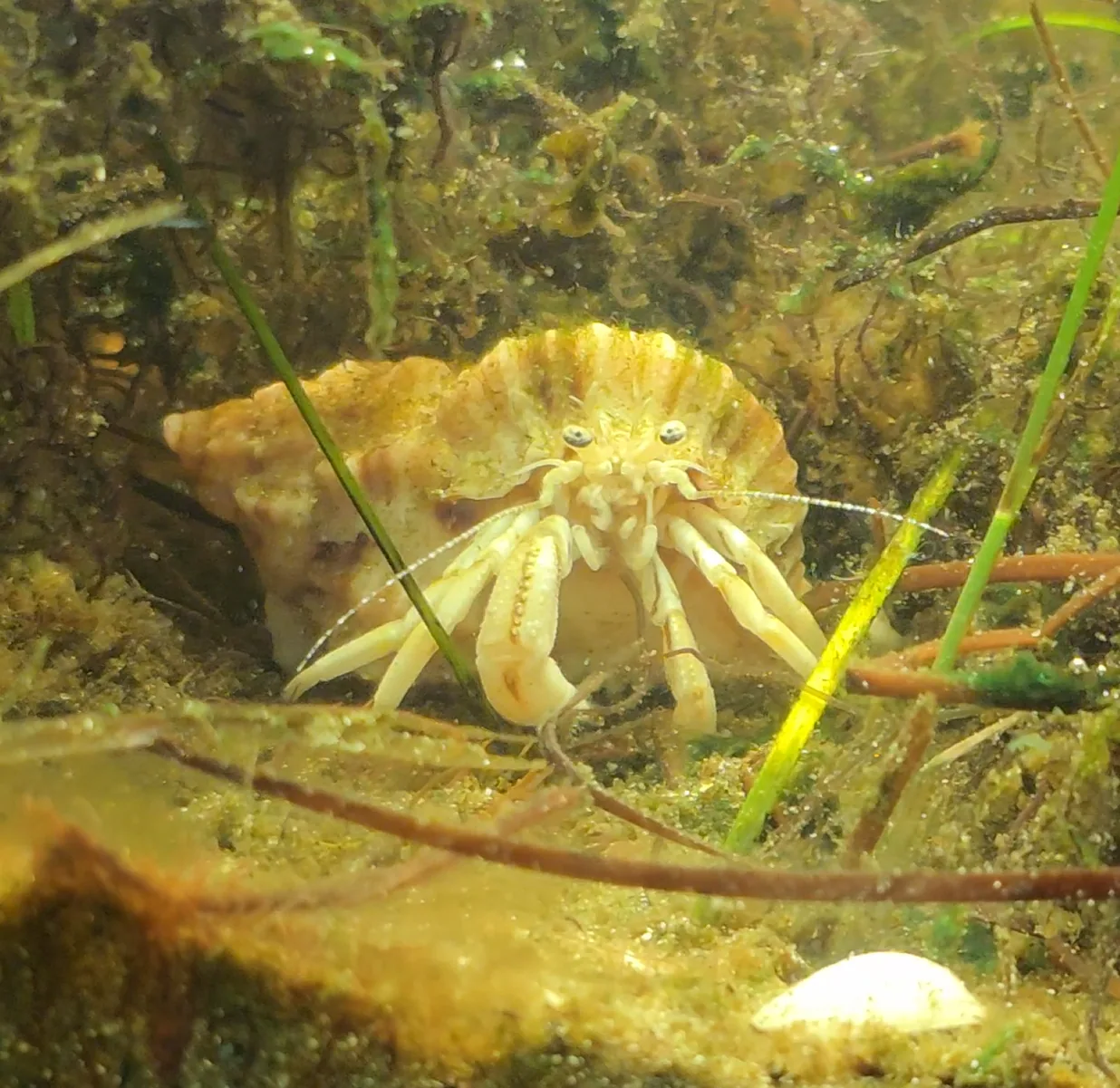
- Habitat for intertidal grazers, detritivores, and semi-terrestrial crabs and snails
- Nursery habitat for juvenile fish and invertebrates in the intertidal pools and shallow edges
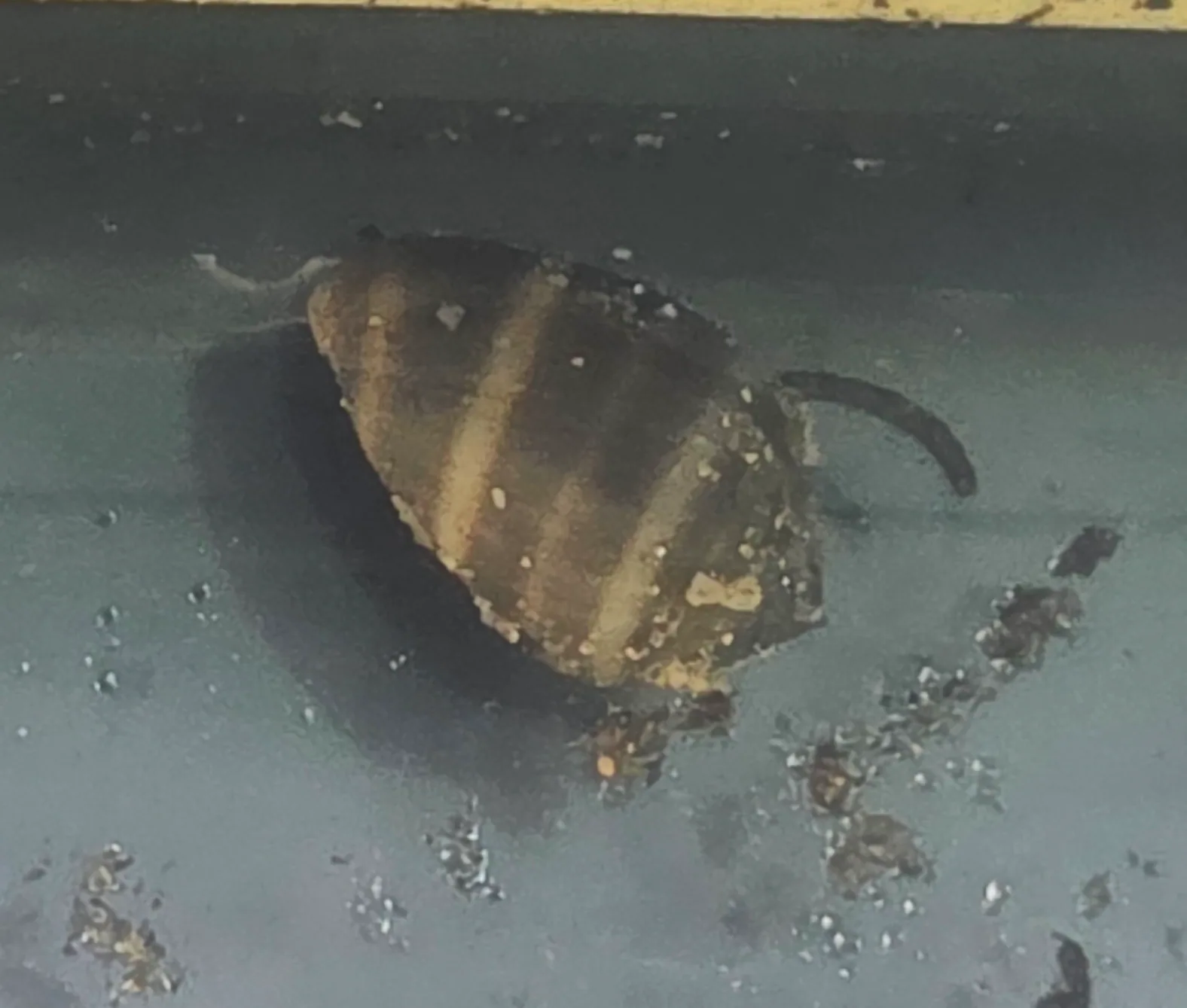
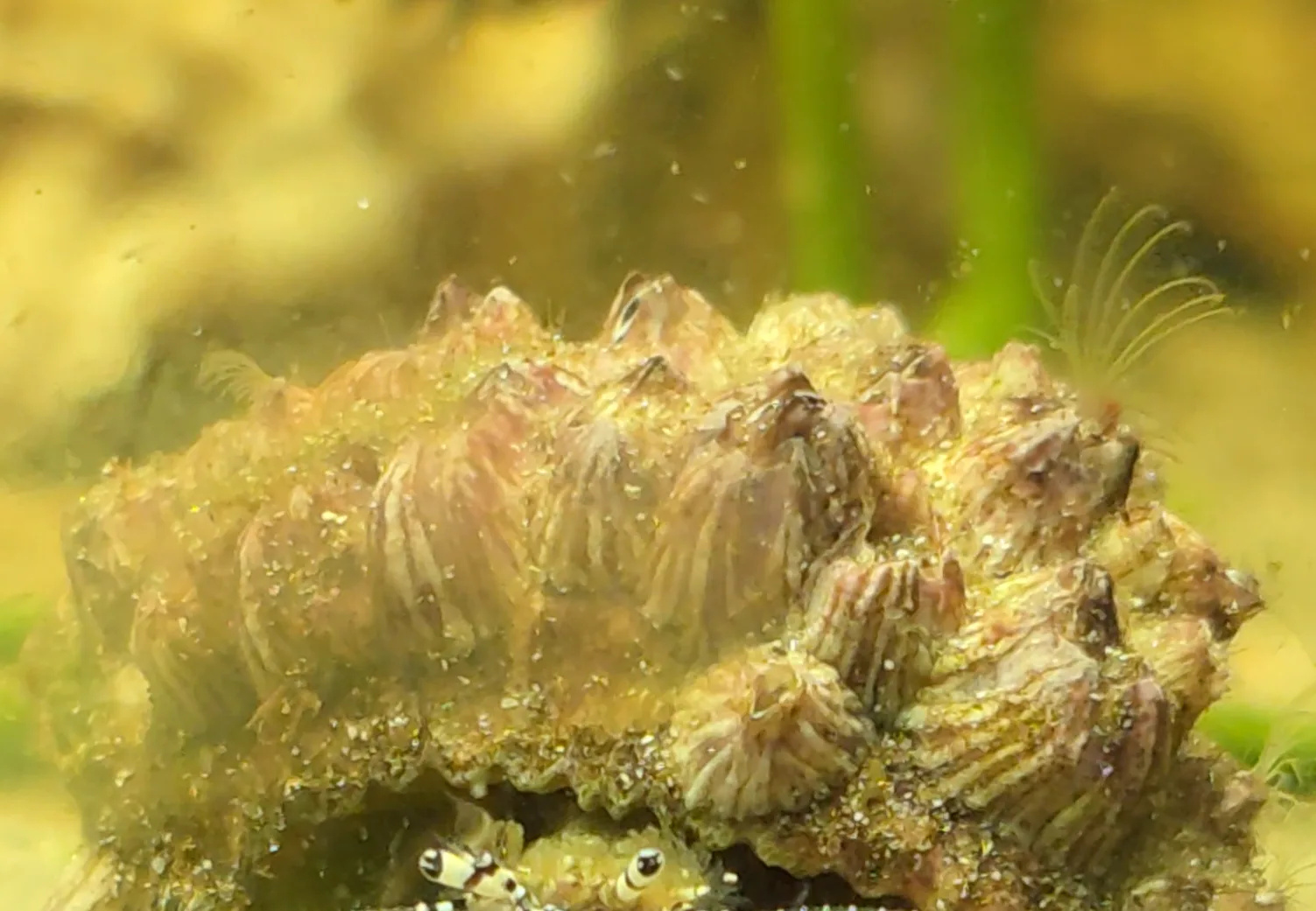
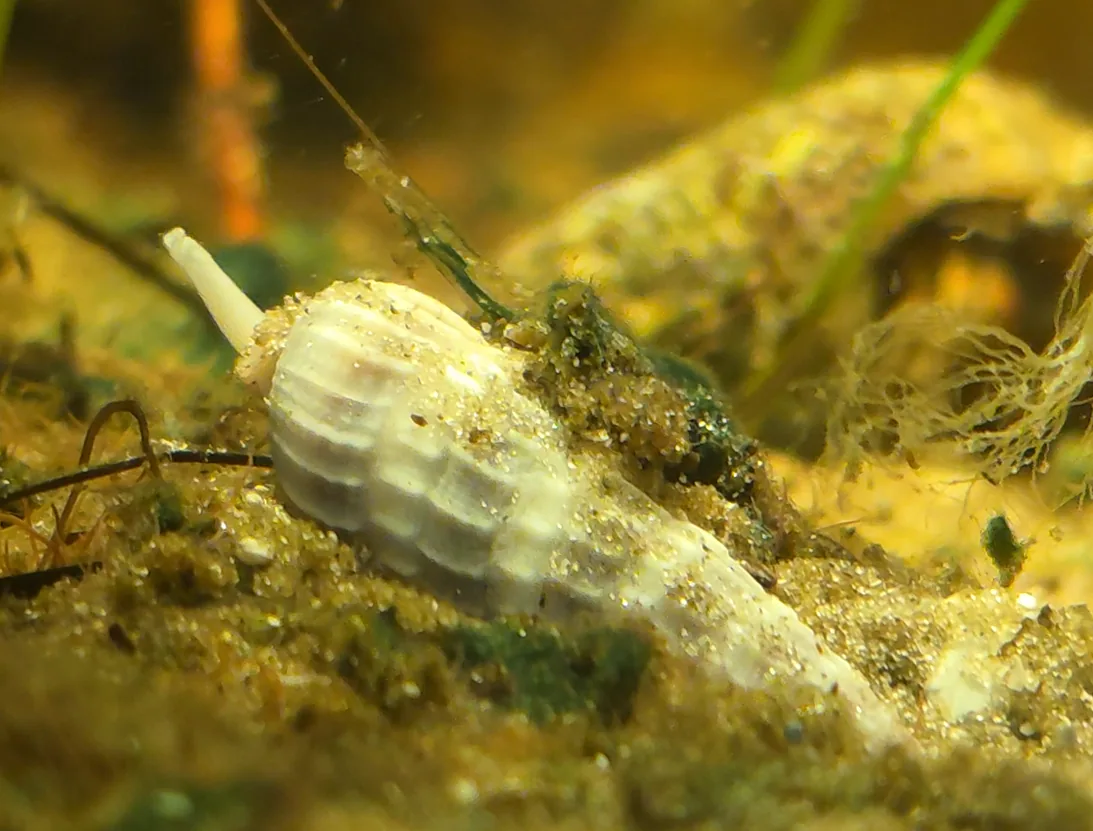
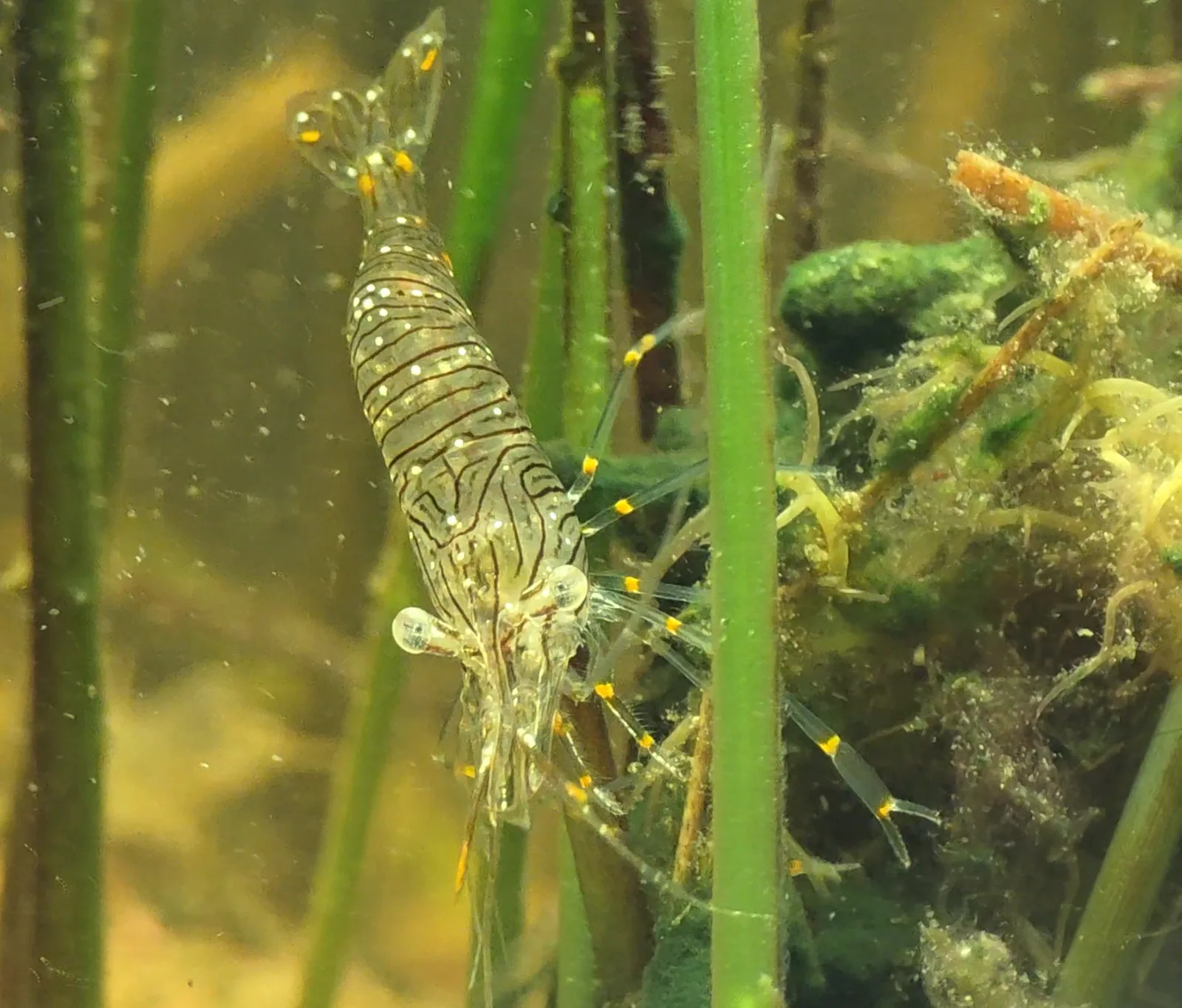
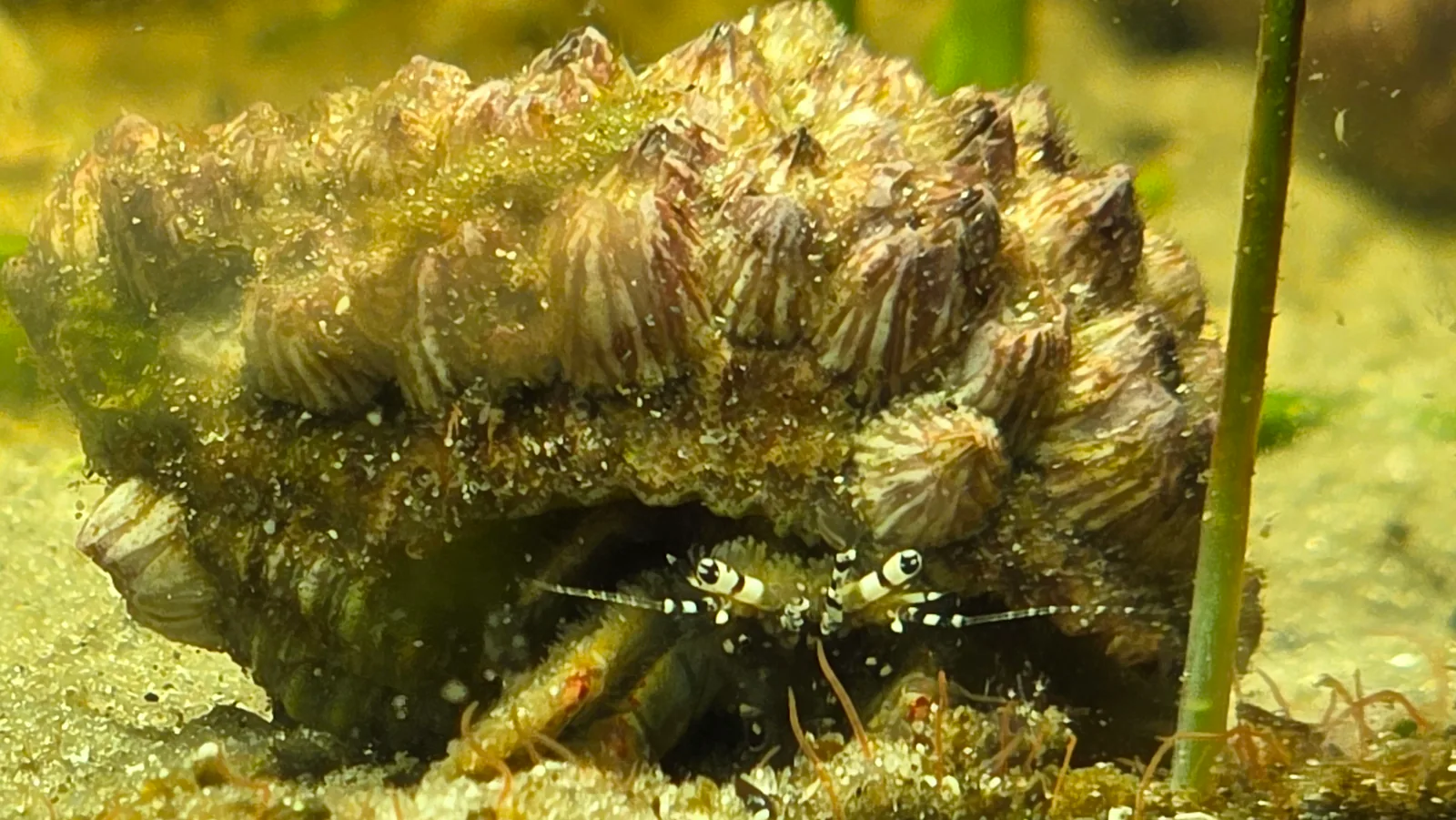
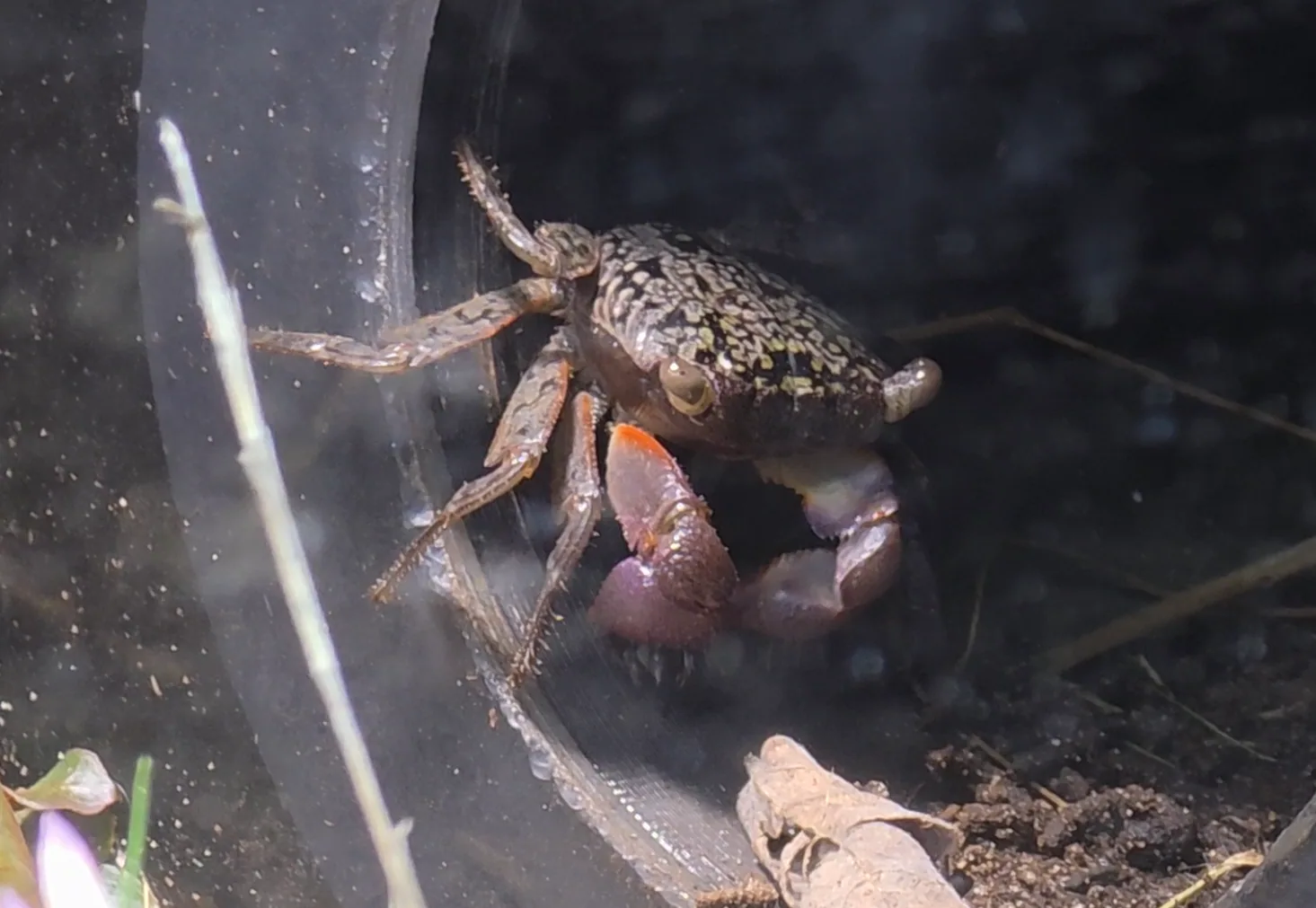
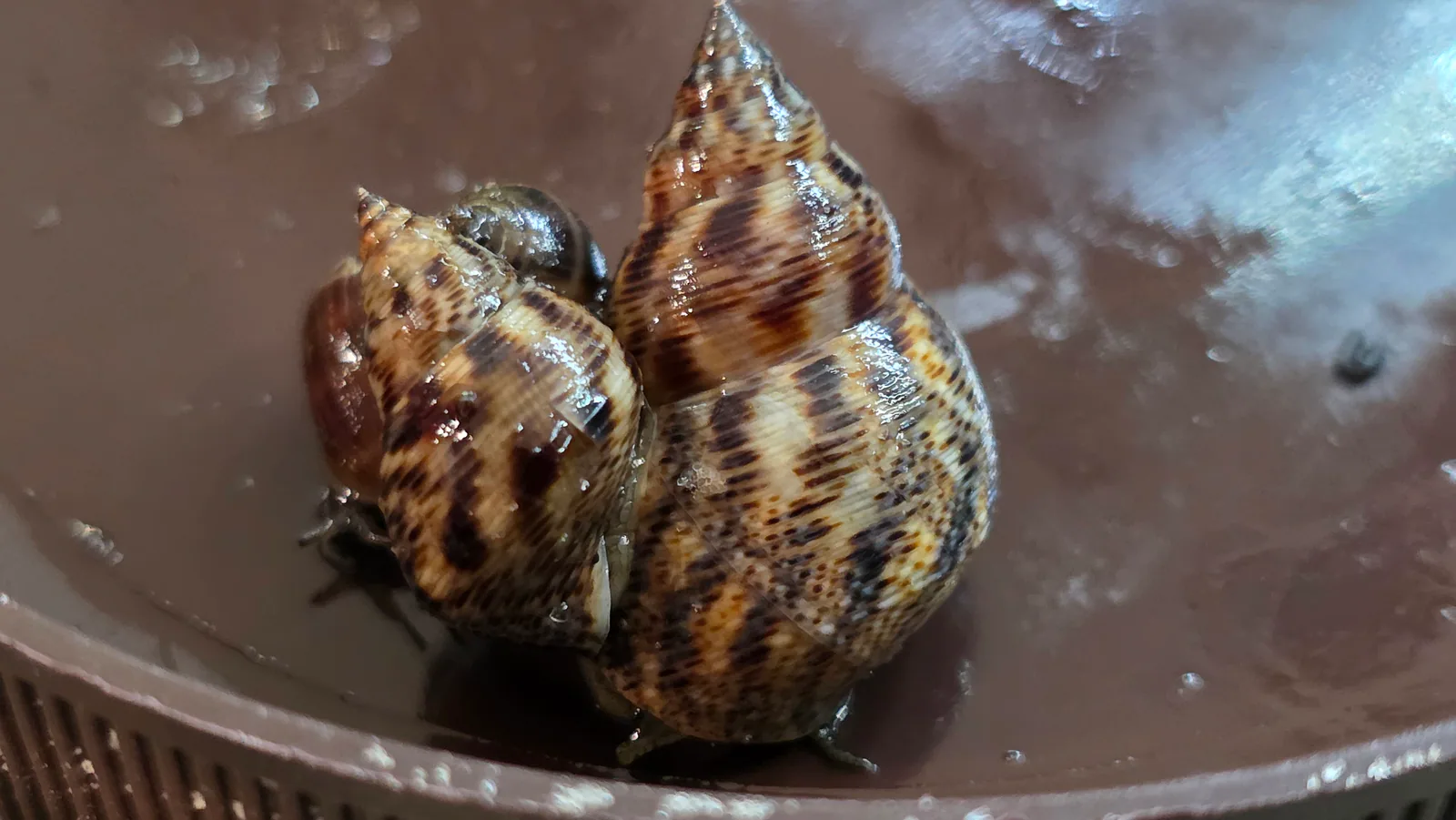
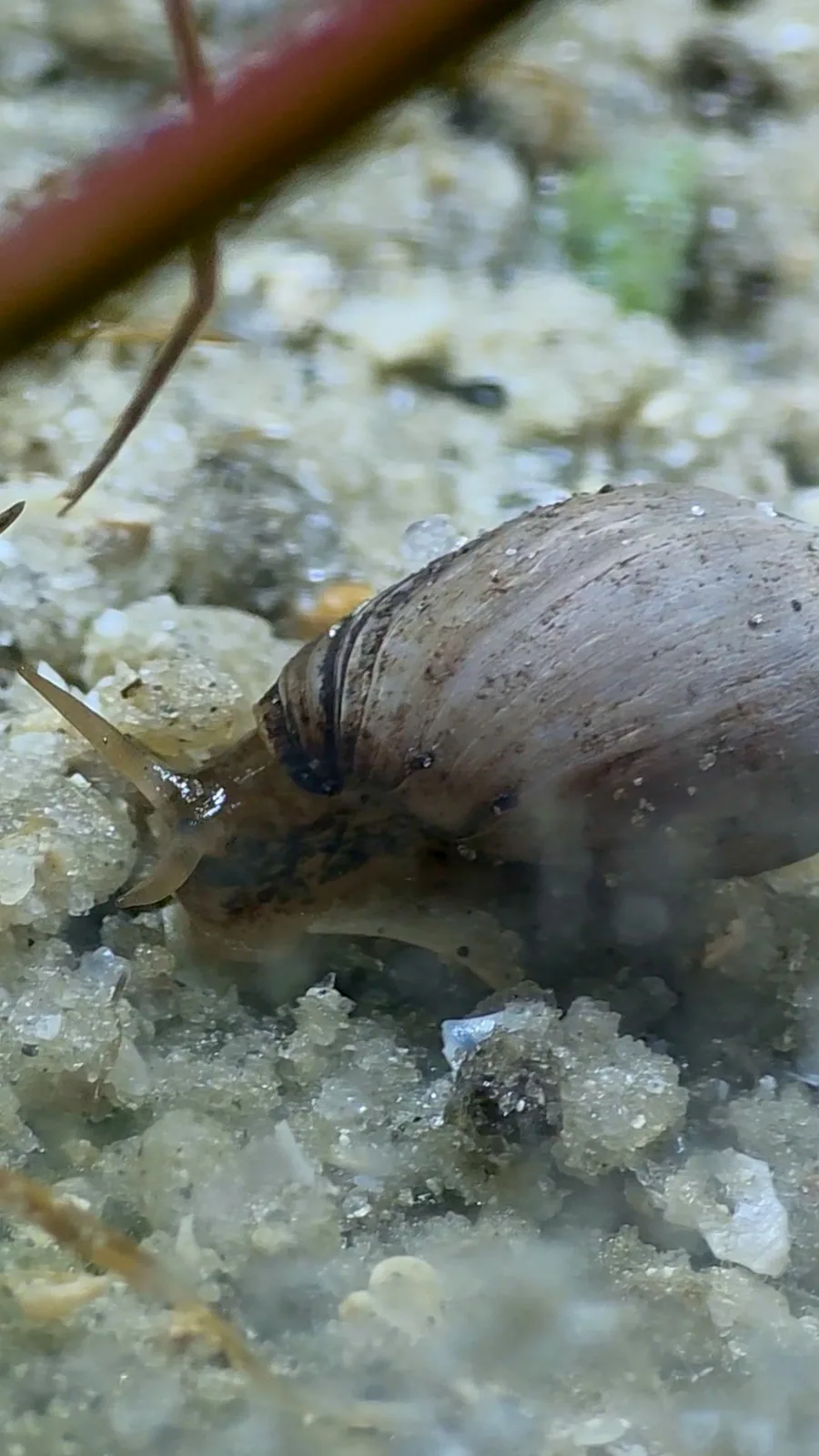
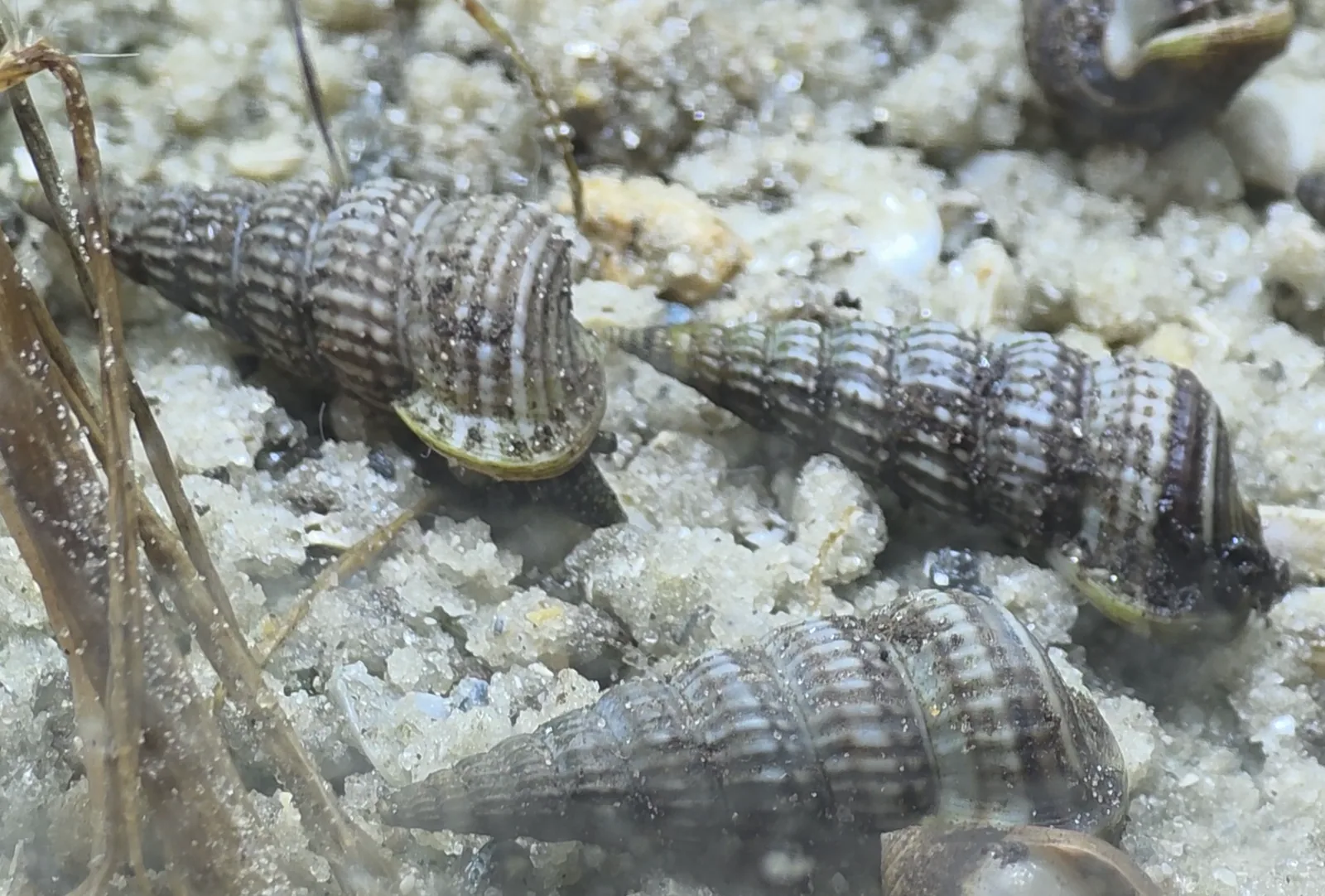
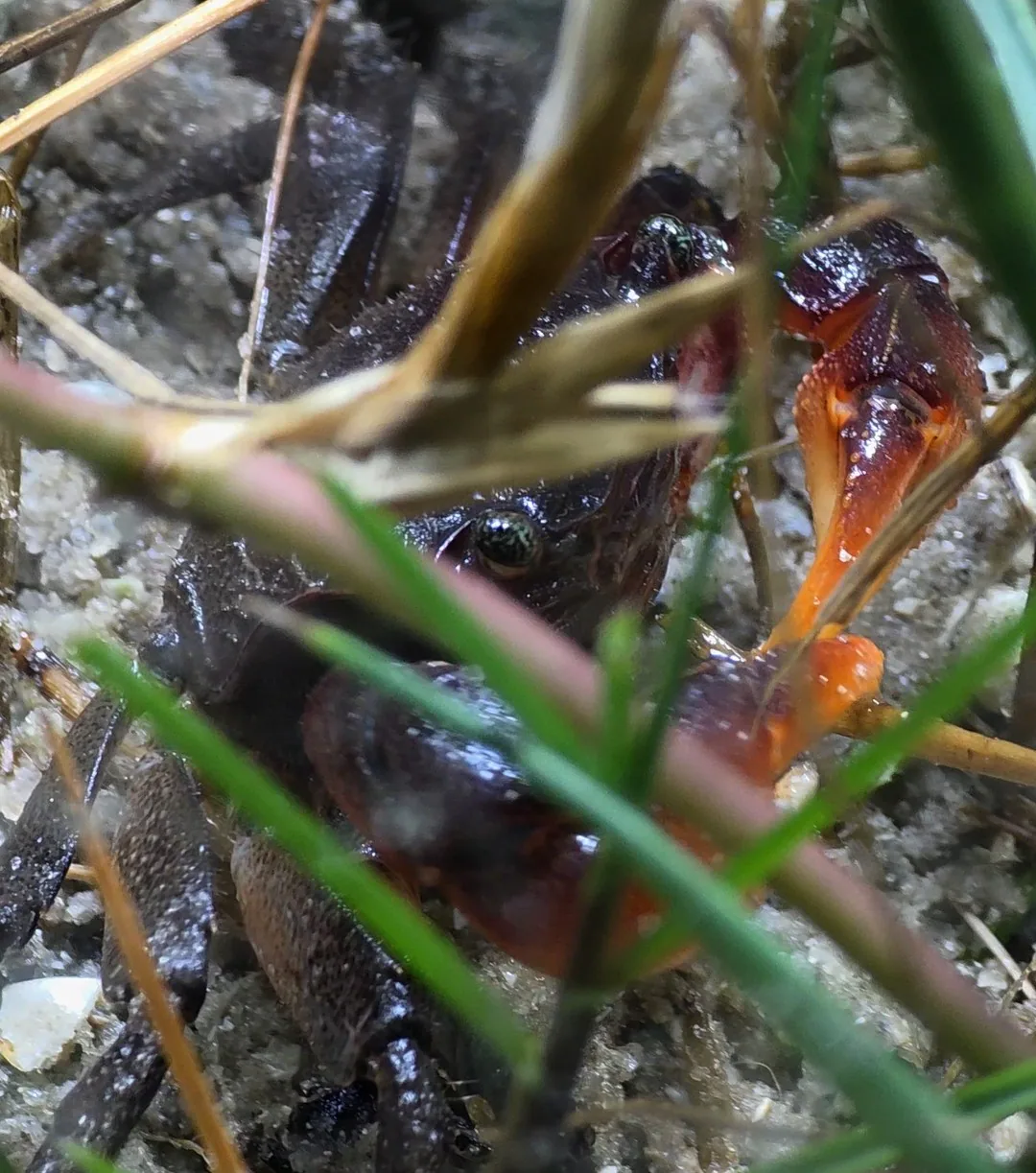
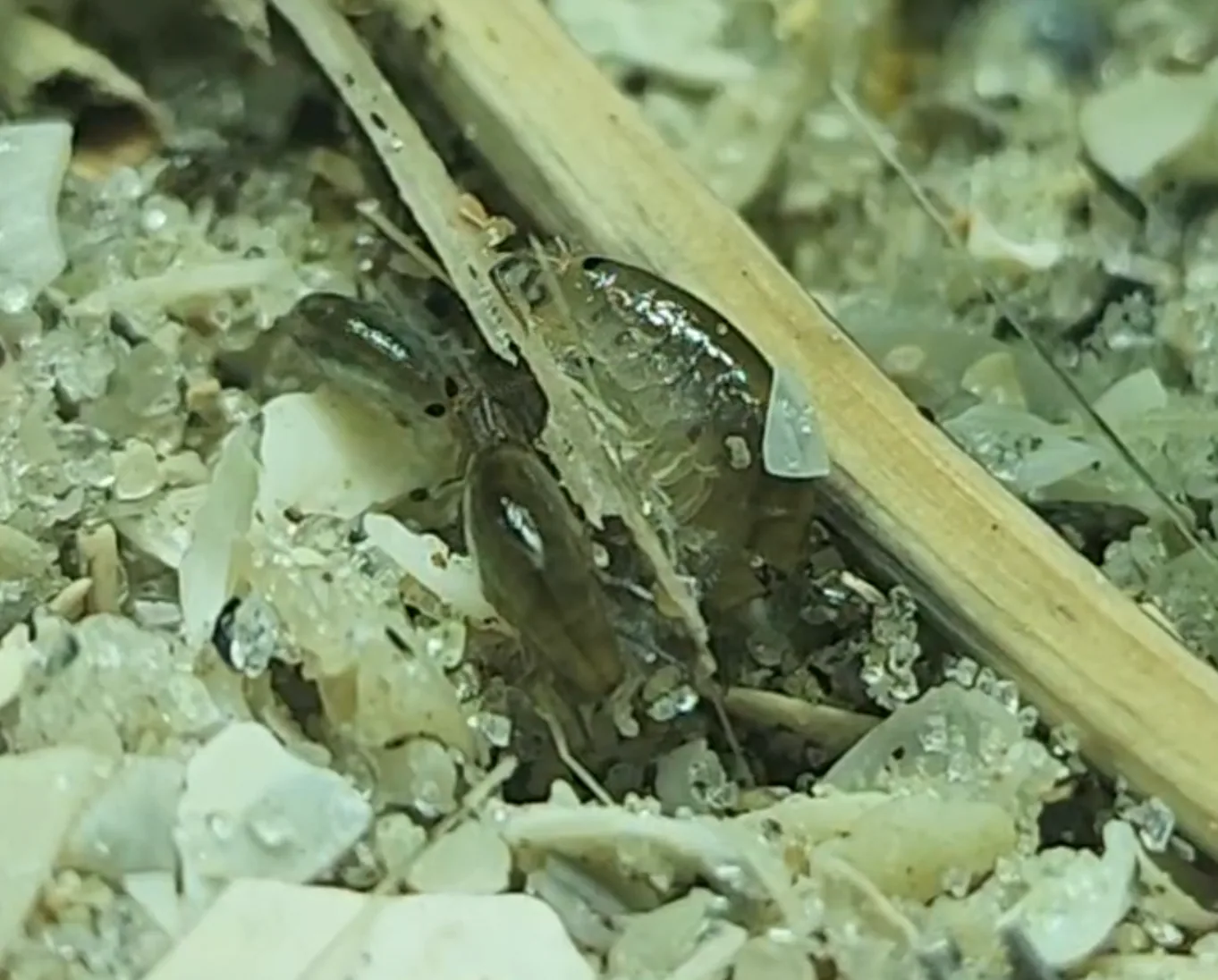
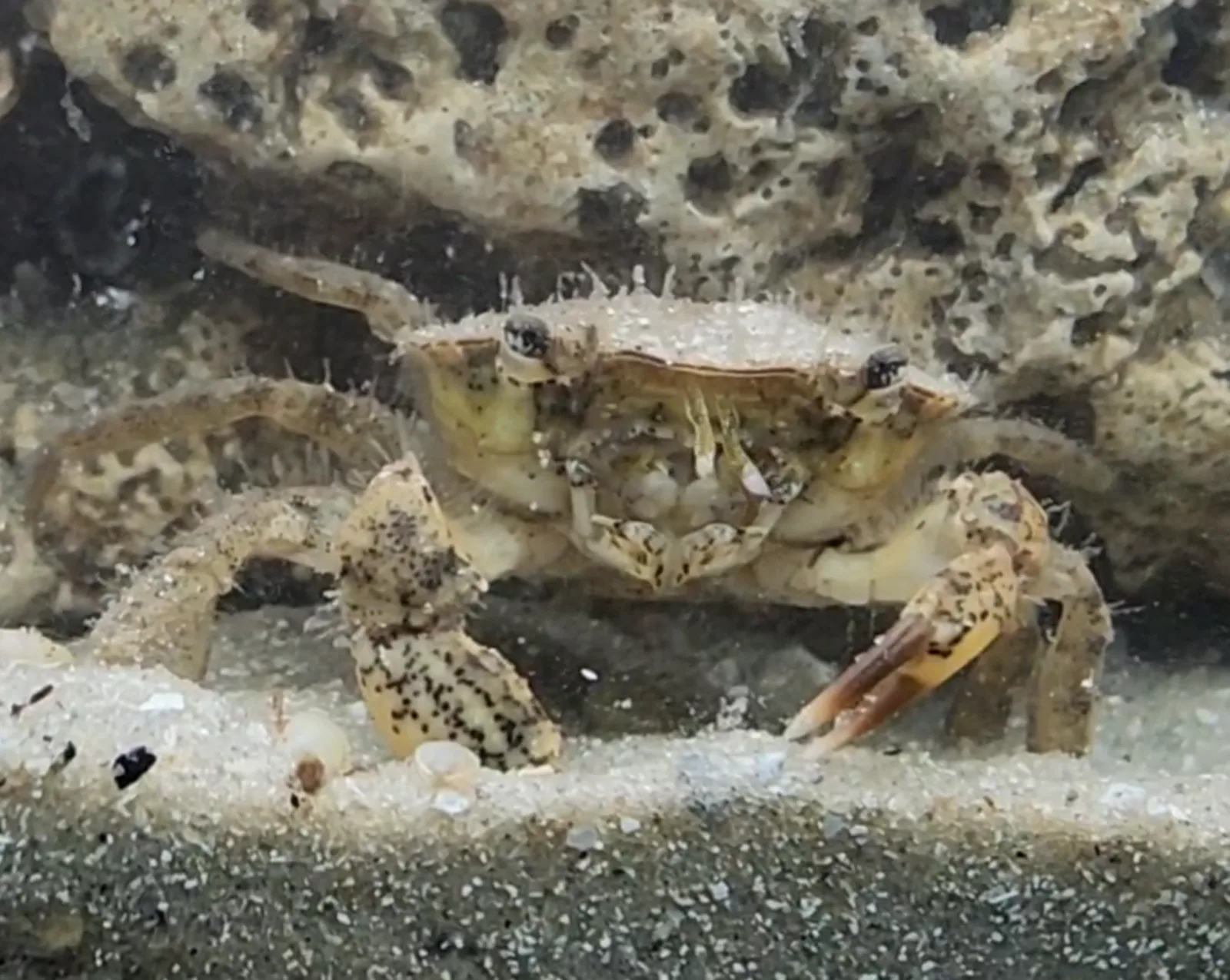
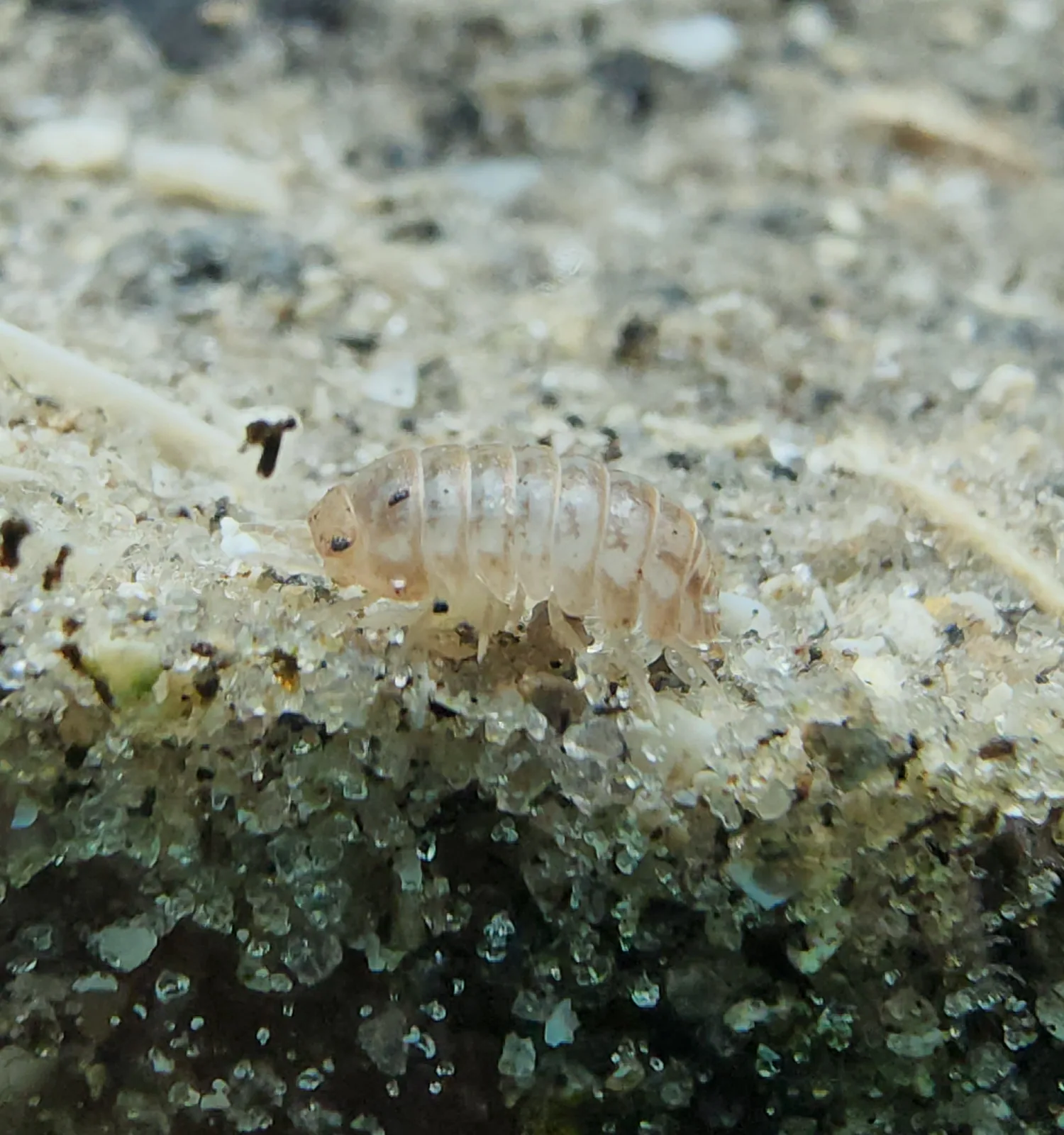
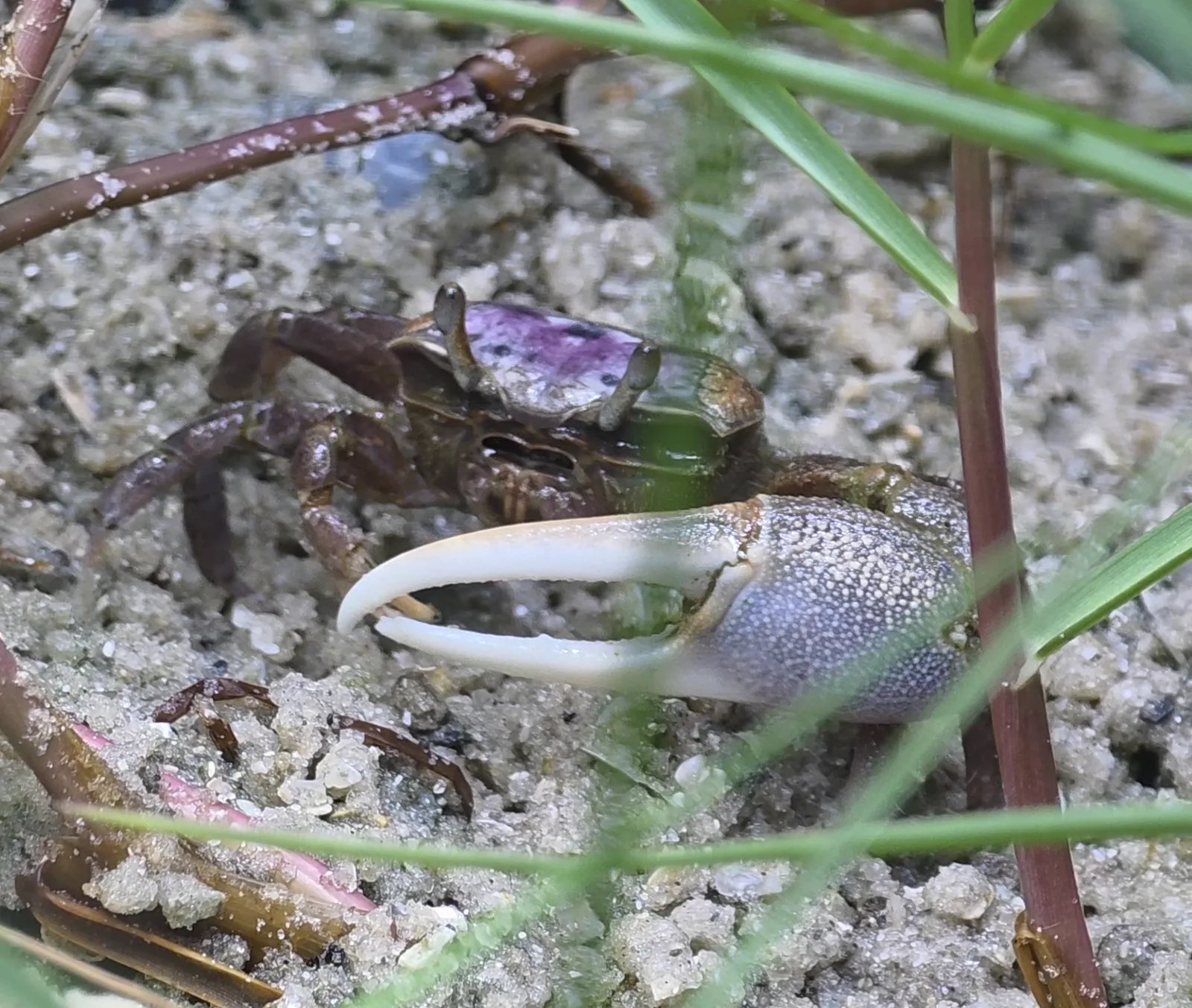
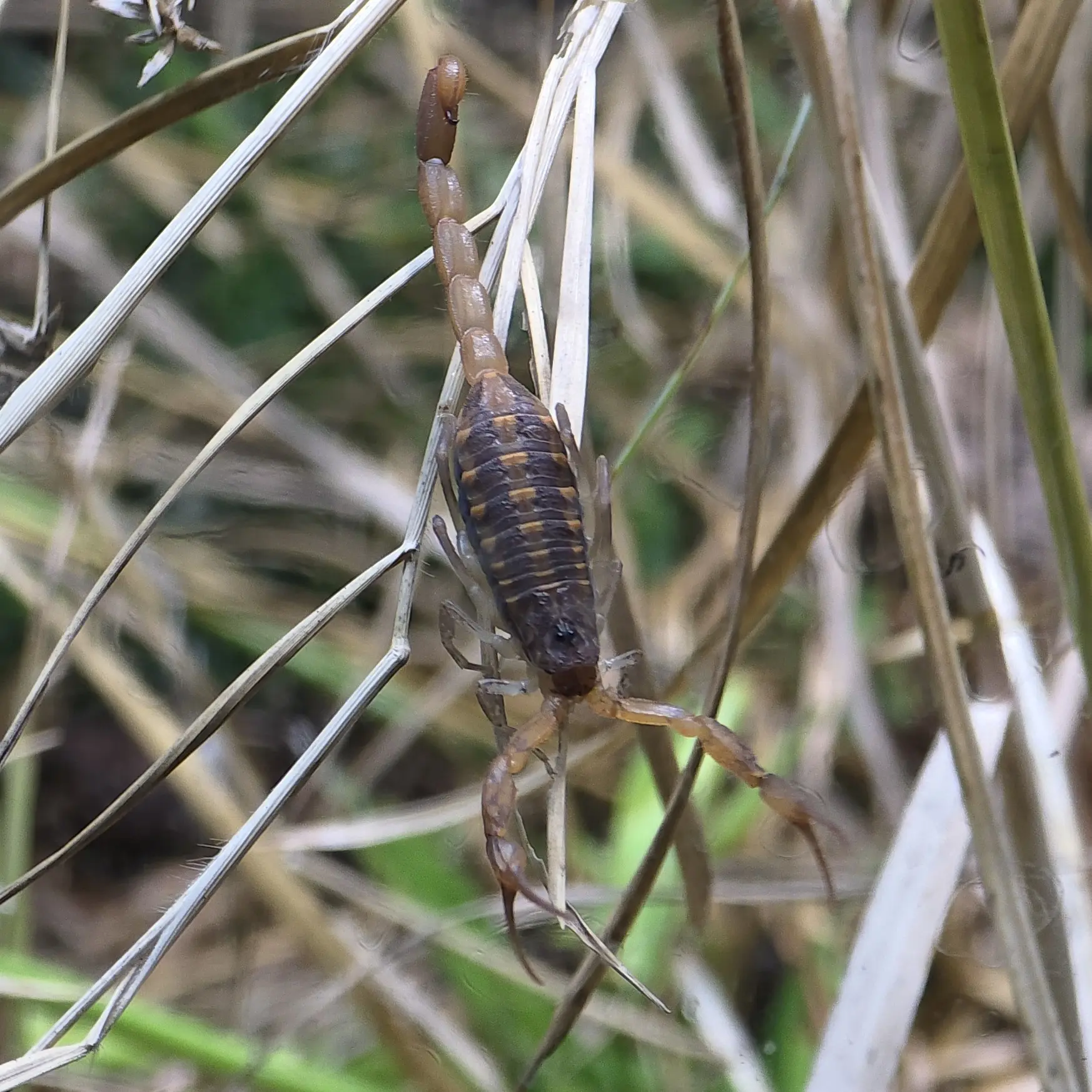
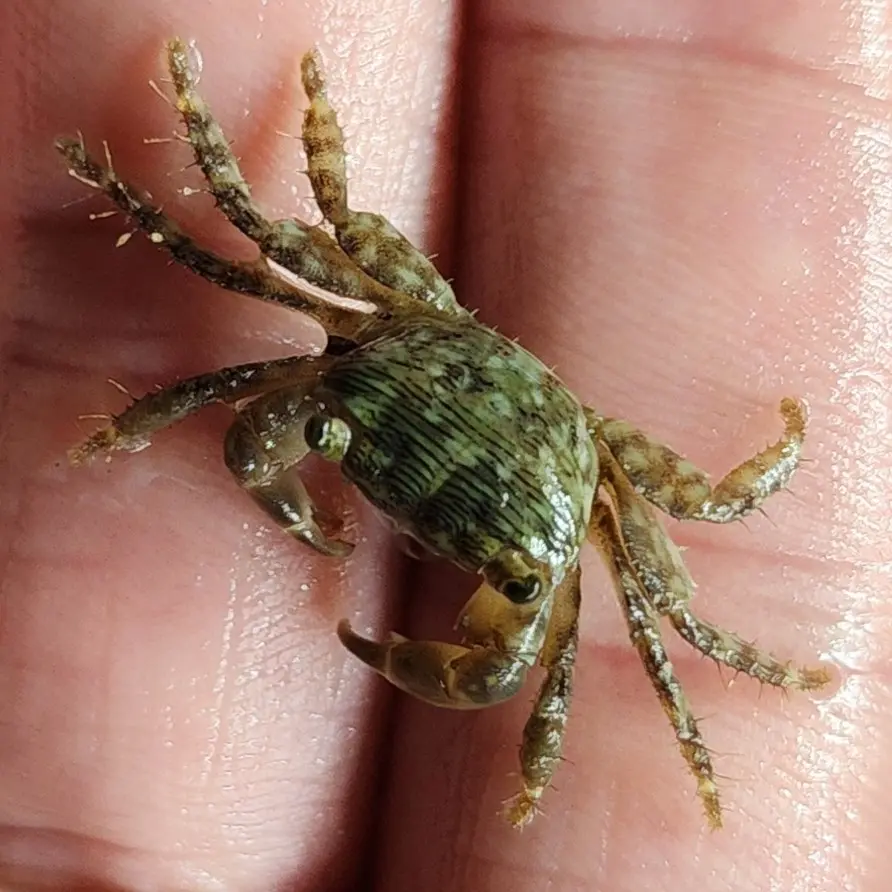
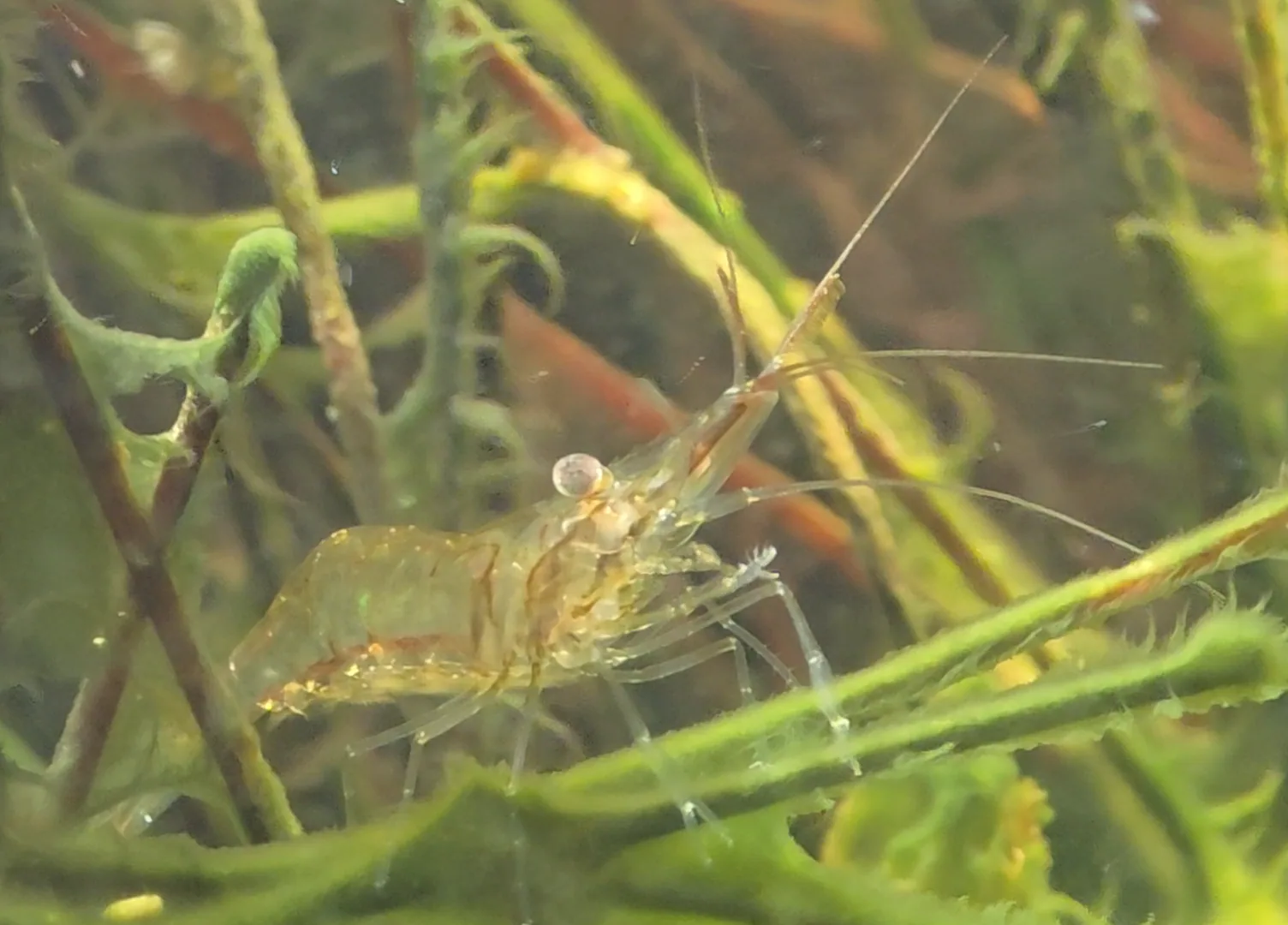
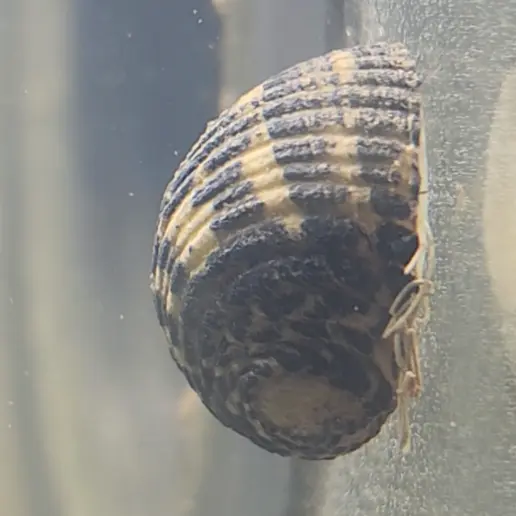
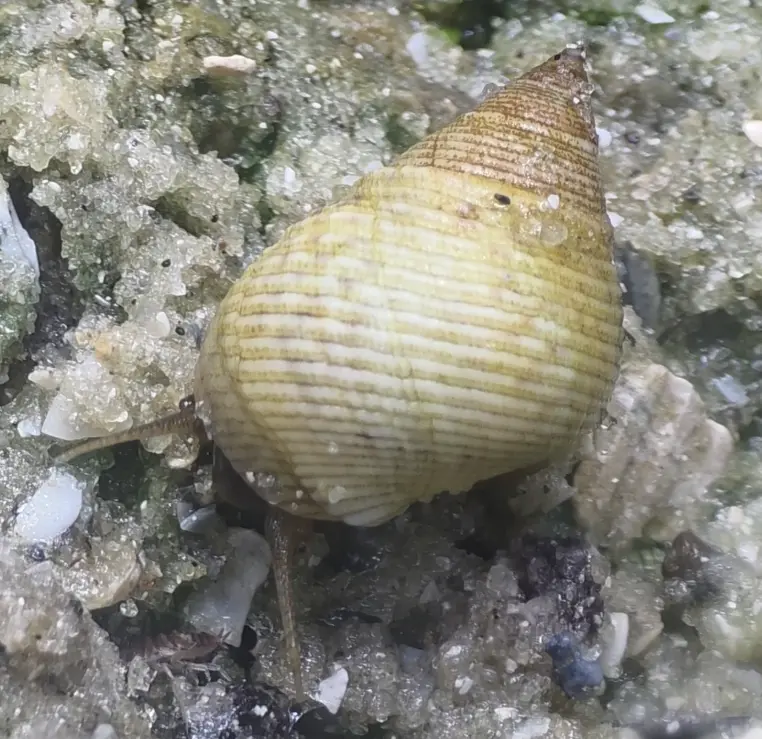
The species present in miniBIOTA's Marine Shore: Eastern Melampus (Melampus bidentatus or related), Mangrove Periwinkle (Littoraria angulifera), Gulf Marsh Crab, Mangrove Tree Crab (Aratus pisonii), and various shoreline grasses and mangroves: are all characteristic of Florida's subtropical Gulf Coast marine shoreline.
Key Ecological Processes
Waterline grazing and detritivory: The most ecologically important process at the Marine Shore is the movement of organisms across the waterline to feed. Eastern Melampus and Mangrove Periwinkle both graze above the waterline on dead plant material, biofilm, and algal surface growth. This moves energy from plant detritus and algae into animal biomass at the shoreline edge.
Herbivory on shoreline vegetation: Gulf Marsh Crab grazes living beach grasses, particularly Seashore Paspalum, removing plant biomass and redistributing it as frass, crab tissue, and detritus. This herbivore pressure on shoreline vegetation shapes which plants persist in the Marine Shore.
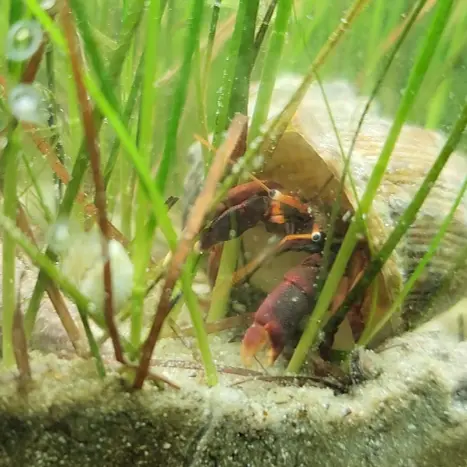
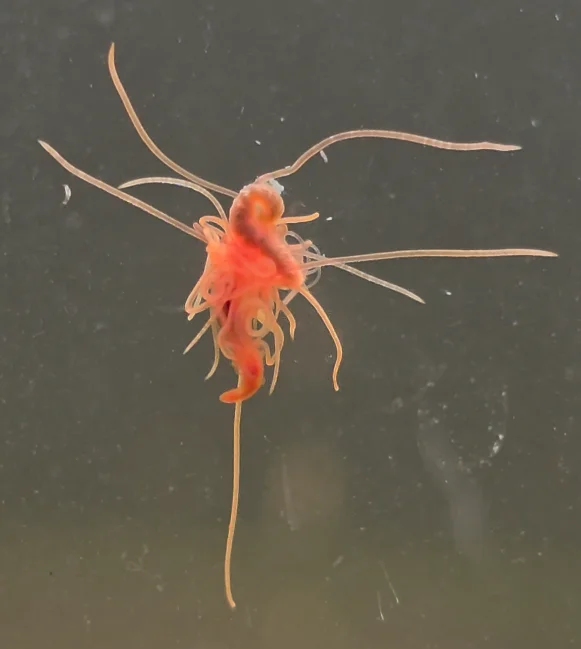
Detritus accumulation and processing: Fallen mangrove leaves, dead grass, and marine-derived organic material accumulate at the high-tide line and on the shoreline surface. Detritivores including Eastern Melampus, Mangrove Tree Crab, and hermit crabs process this material into smaller fragments and animal biomass.
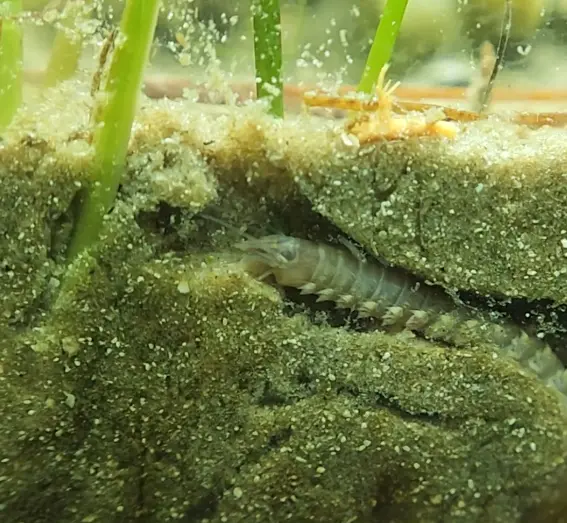
Shoreline erosion and sediment disturbance: The sloped, sand-and-limestone substrate of the Marine Shore is continuously reshaped by water movement, wave action, crab burrowing, and digging activity. Gulf Marsh Crab excavation, Mud Crab sediment disturbance, and physical erosion all contribute. The substrate is described as erosion-prone, and shoreline-profile change is a documented watch item.
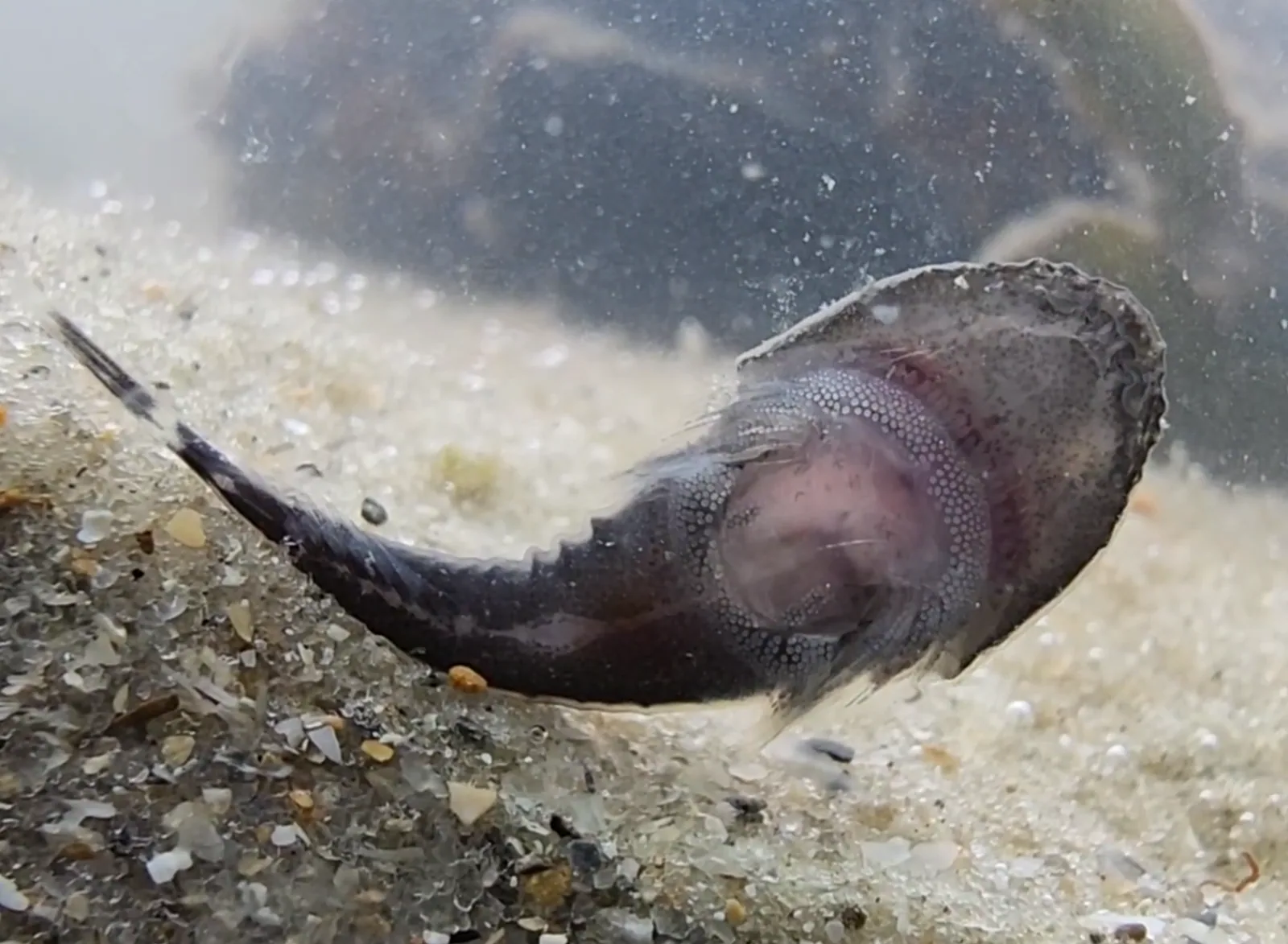
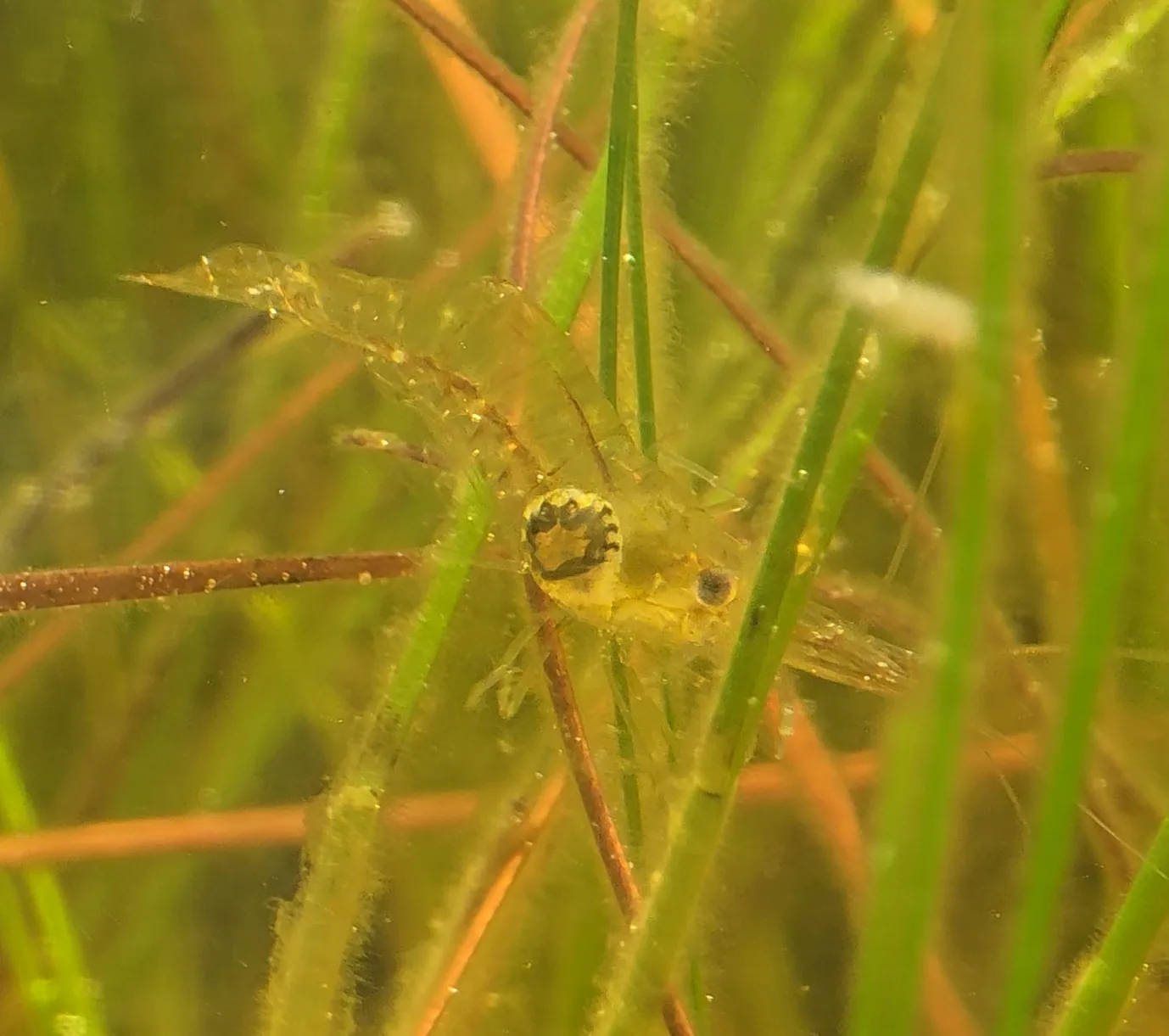
Cross-biome organism movement: The Marine Shore functions as a biological corridor and interchange zone. Organisms from the Seagrass Meadow (Mud Crab, Hermit Crabs, Lightning Nerite, Mottled Shore Crab) move through the Marine Shore. Organisms from the Mangrove Forest (Mangrove Tree Crab) use the Marine Shore as their primary feeding ground. Organisms from the Prairie (Ridgeback Sand Grasshopper) have been documented visiting the Marine Shore sand. This cross-biome movement is the Marine Shore's most ecologically distinctive contribution to the miniBIOTA system.
Rain and freshwater input to the marine side: The Marine Shore is the intermediate shoreline biome of the marine-side subsurface hydraulic network (Mangrove Forest, Marine Shore, Seagrass Meadow), not its low point. It receives direct rain from the atmosphere tank above it, and rain that falls on the Mangrove Forest above drains downhill through it; from here the normal drainage direction continues downhill toward the Seagrass Meadow, which is the lower aquatic end. All three biomes share one connected saltwater volume through passive, bidirectional subsurface connections that equalize water level, with the normal connected level roughly 7 inches below the terrestrial substrate. There is no tidal exchange to offset the rain input. That the rain reaches the marine side is a physical current-state fact; whether it measurably lowers salinity over time, and at what rate, is unmeasured. The marine network stays isolated below the substrate from the freshwater side (Prairie, Lakeshore, Freshwater Lake): there is deliberately no subsurface connection between the Mangrove Forest and the Prairie. The two sides remain connected above ground, through the emergent habitat corridor and the shared atmosphere.
Physical Structure
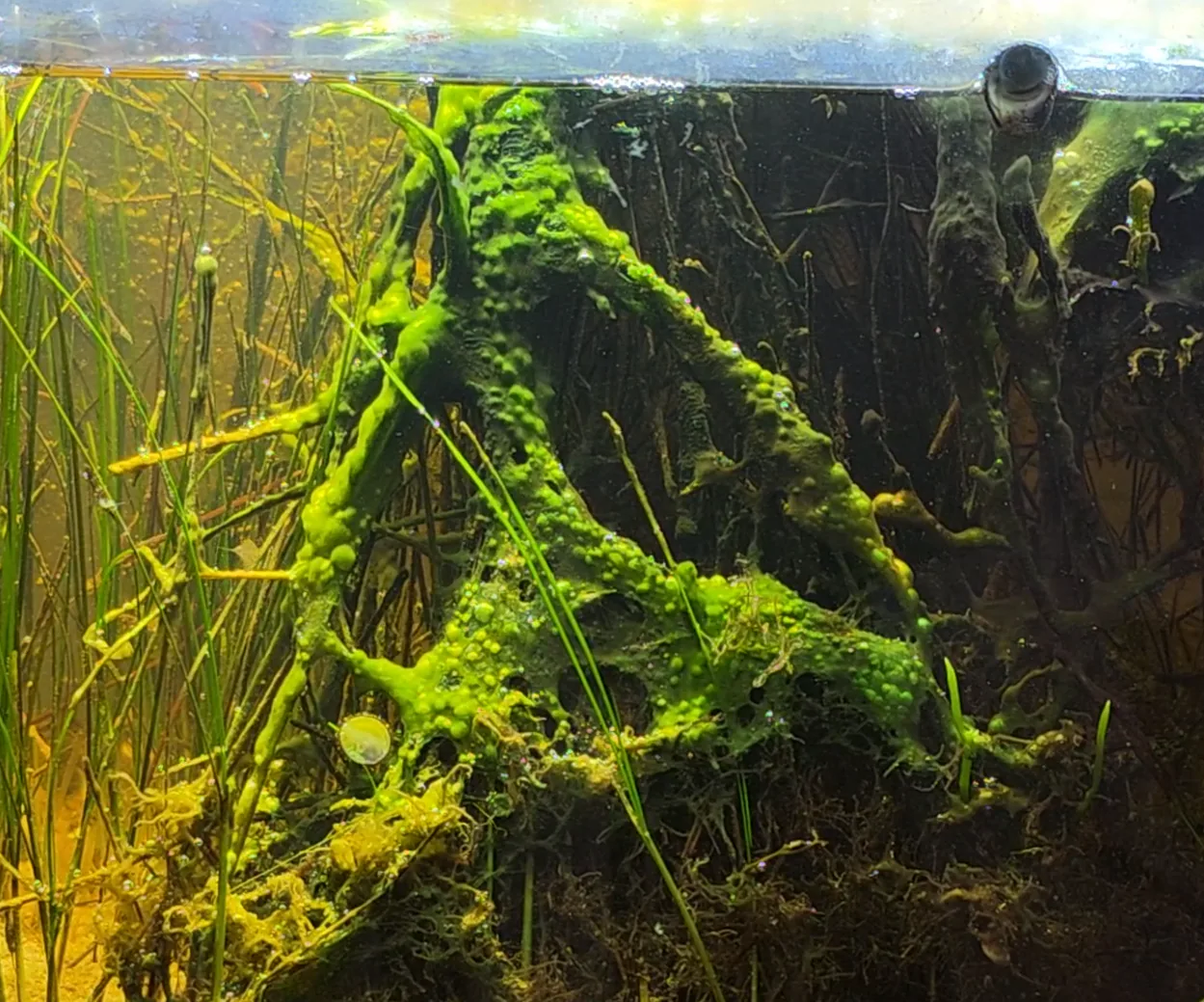
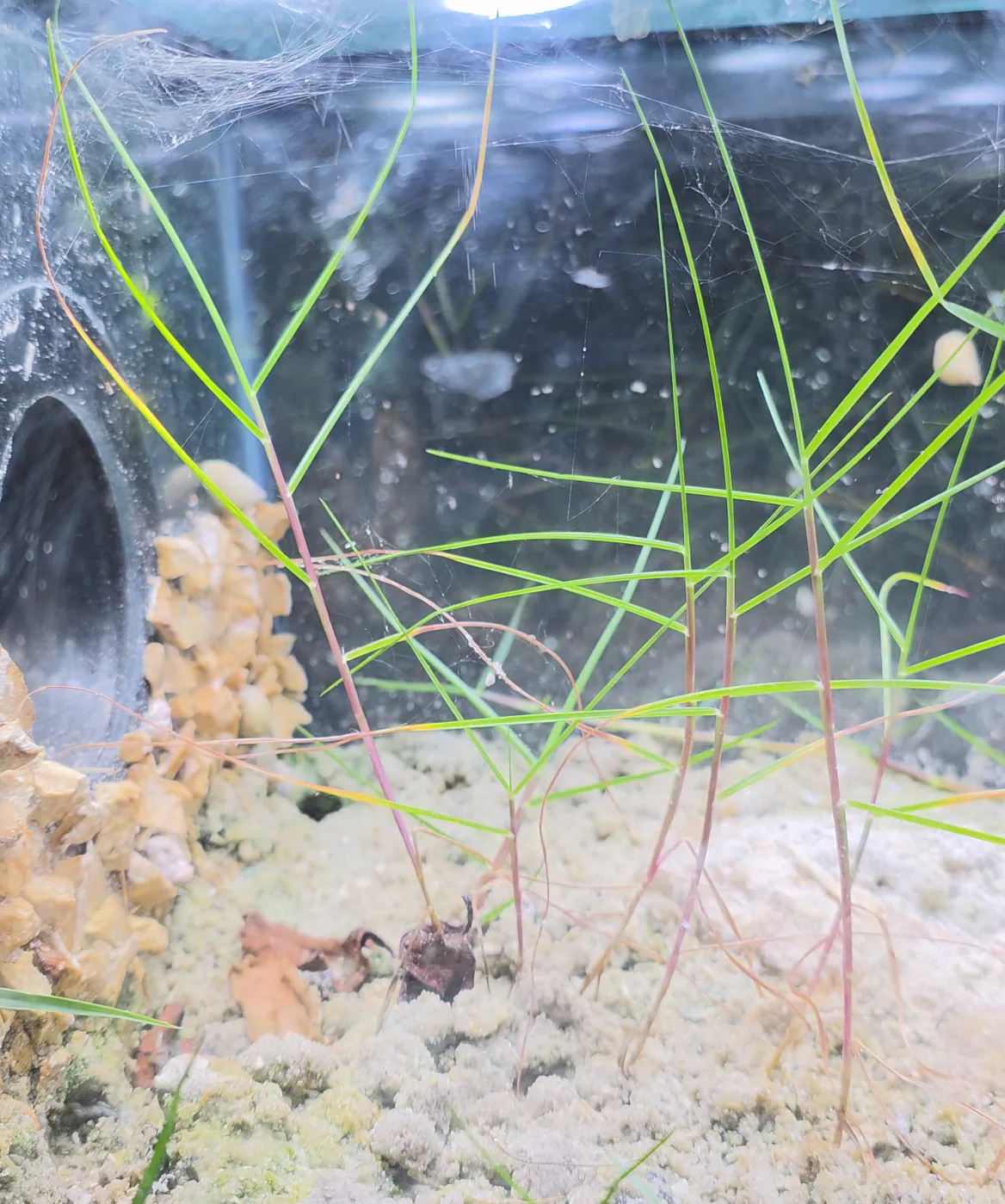
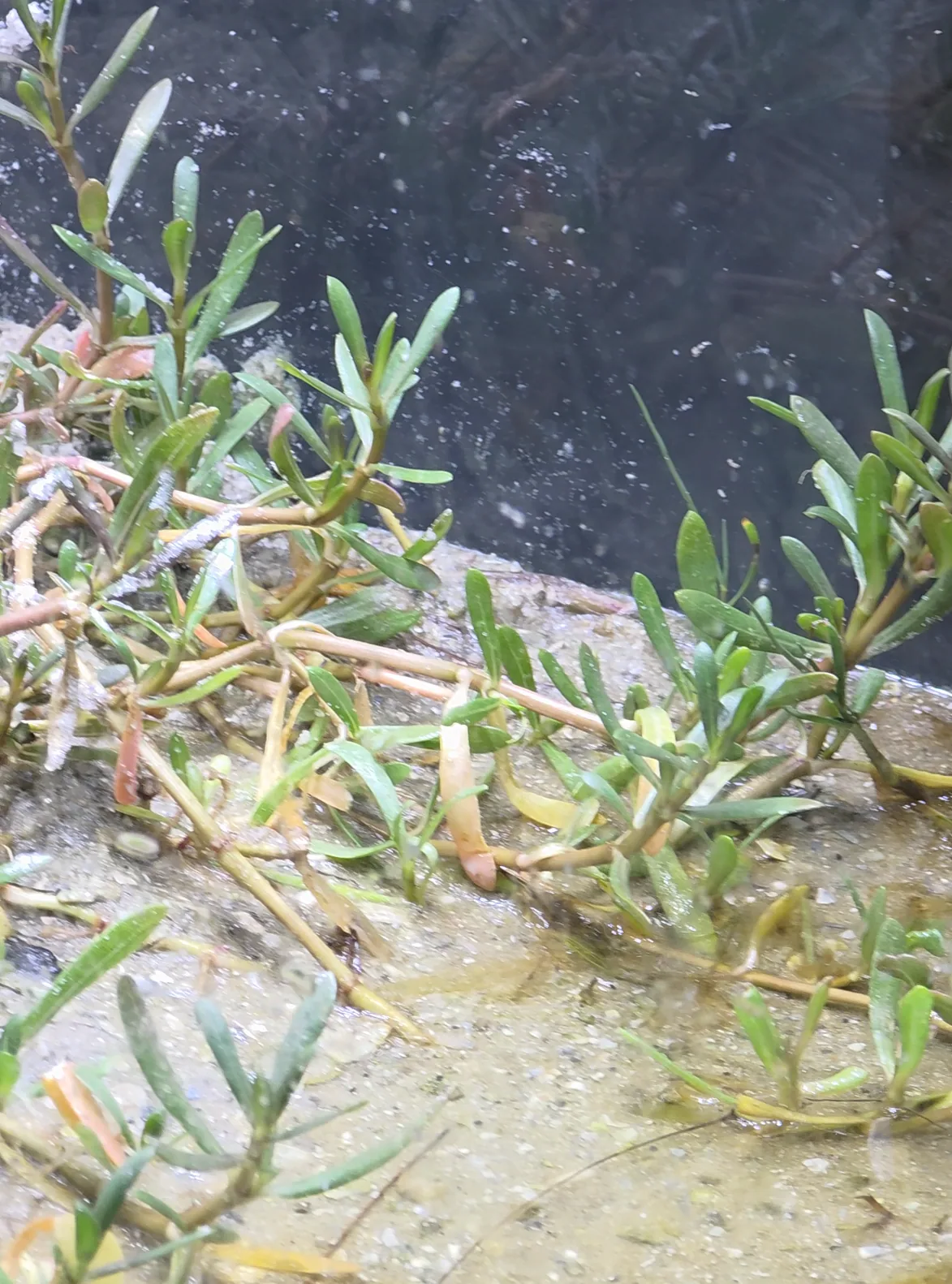
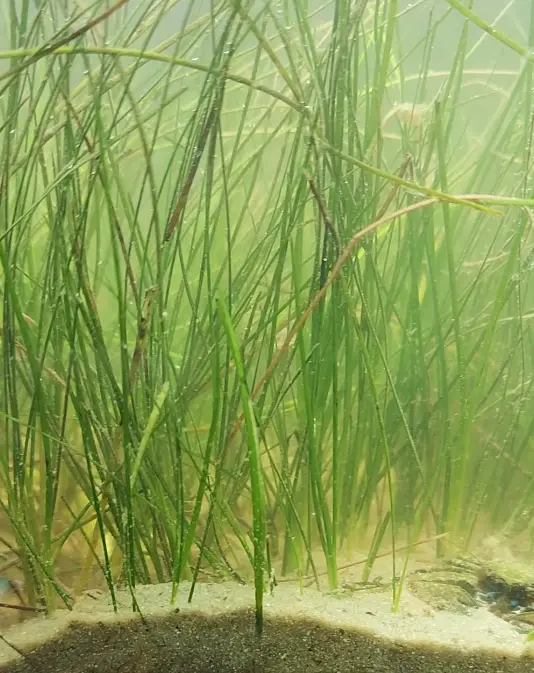
The Marine Shore is a sloped coastal edge of quartz beach sand, crushed shell, and limestone at the saltwater boundary. The slope creates a gradient from the fully aquatic Seagrass Meadow up through the intertidal edge to the Mangrove Forest and Prairie above. Beach grasses and Silverhead occupy the upper shoreline; biofilm and algae coat exposed limestone and sand surfaces lower on the slope; the waterline shifts with water level and wave action. The substrate is loose and erosion-prone; burrowing activity by crabs and digging by Mud Crabs redistributes it.