Oniscidea sp. (unidentified)

Woodlouse

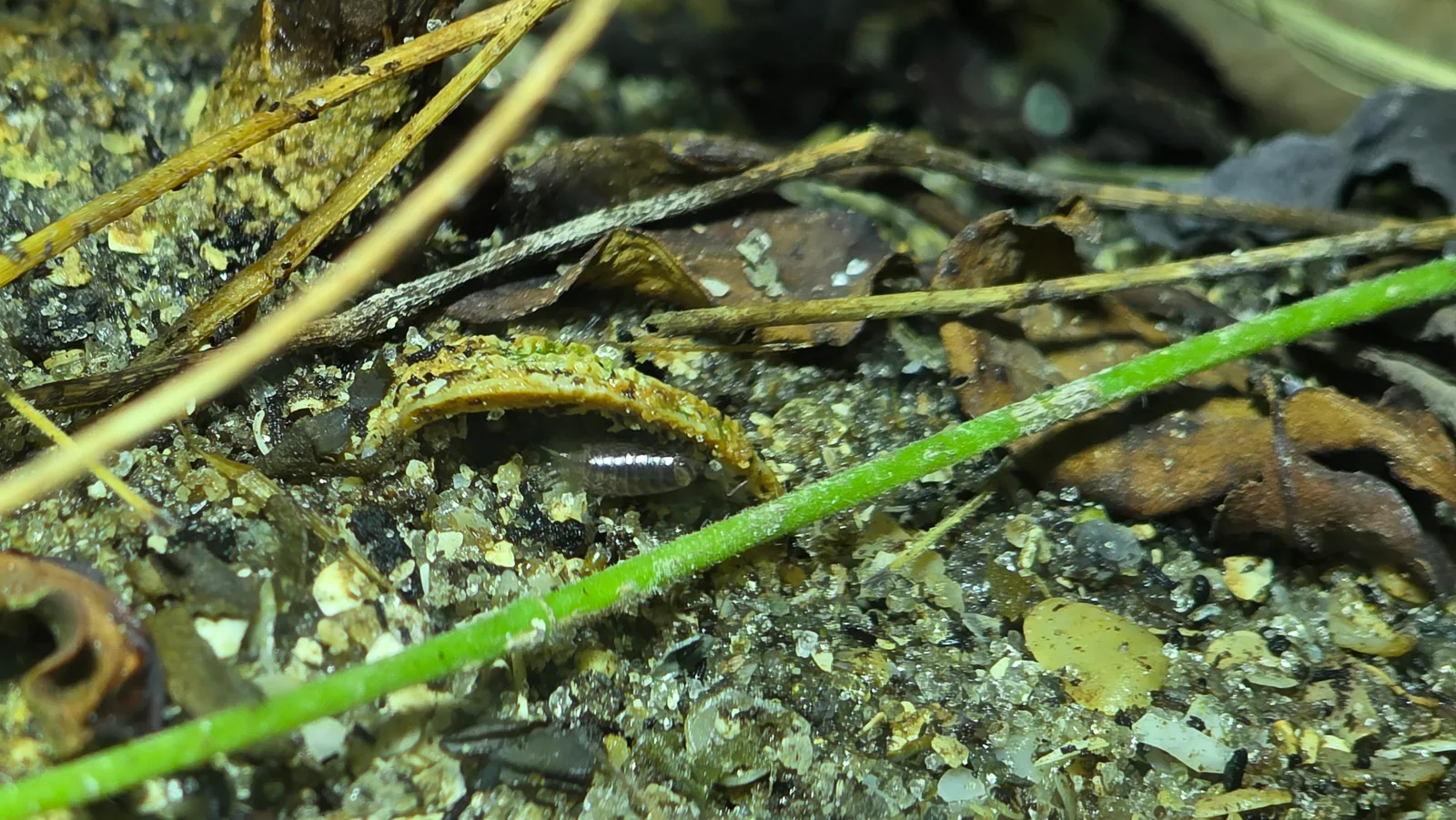
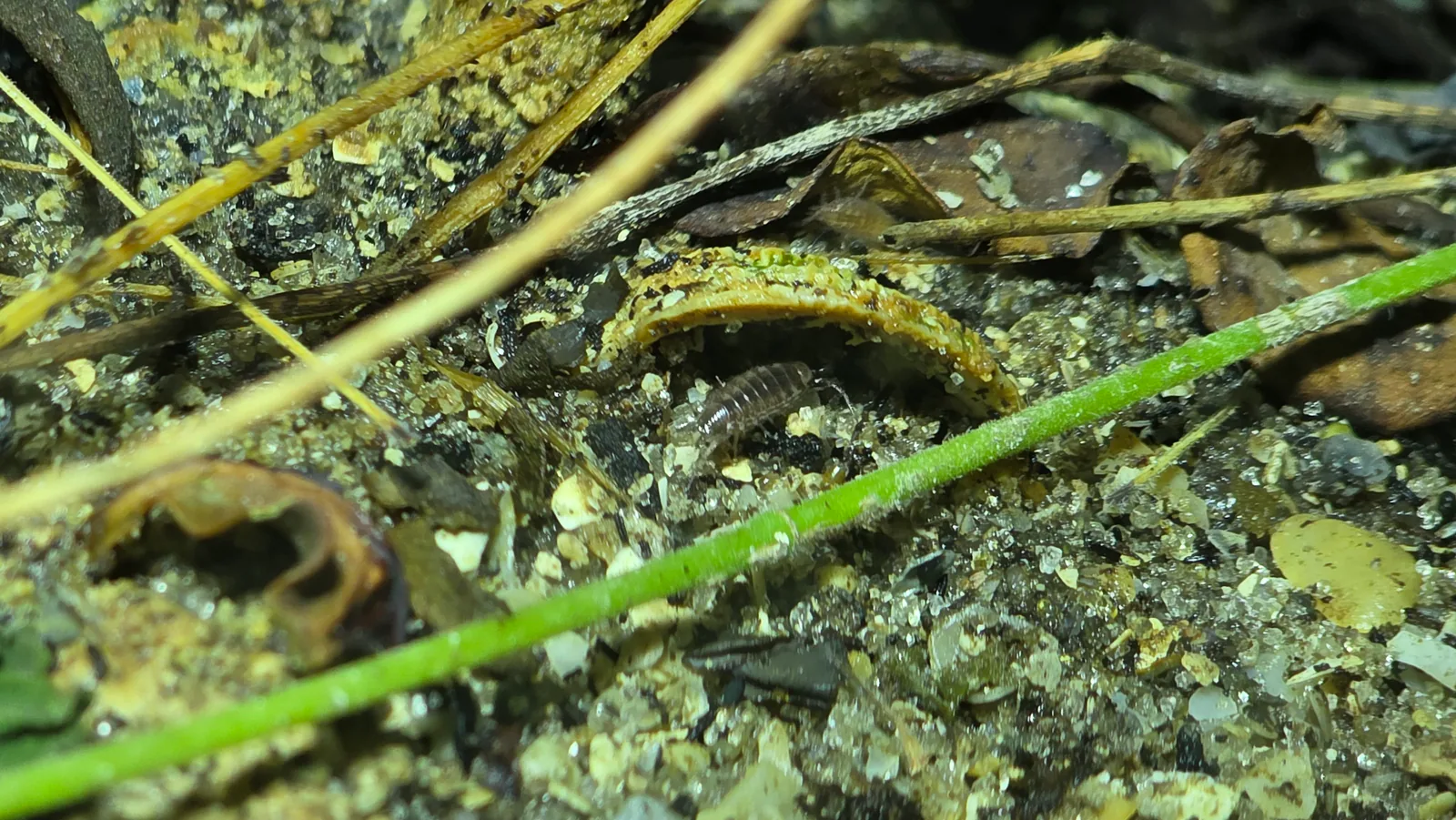
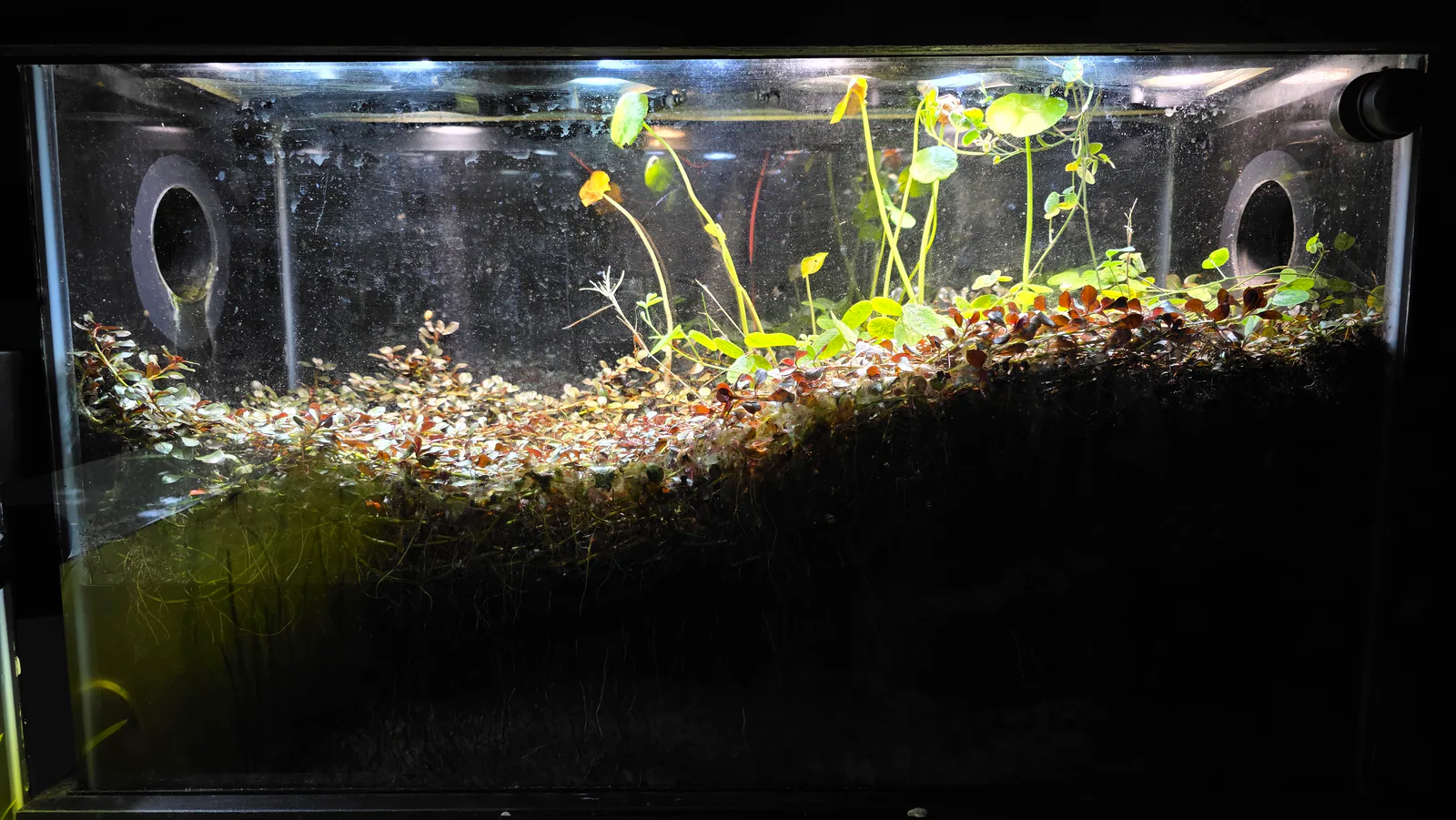
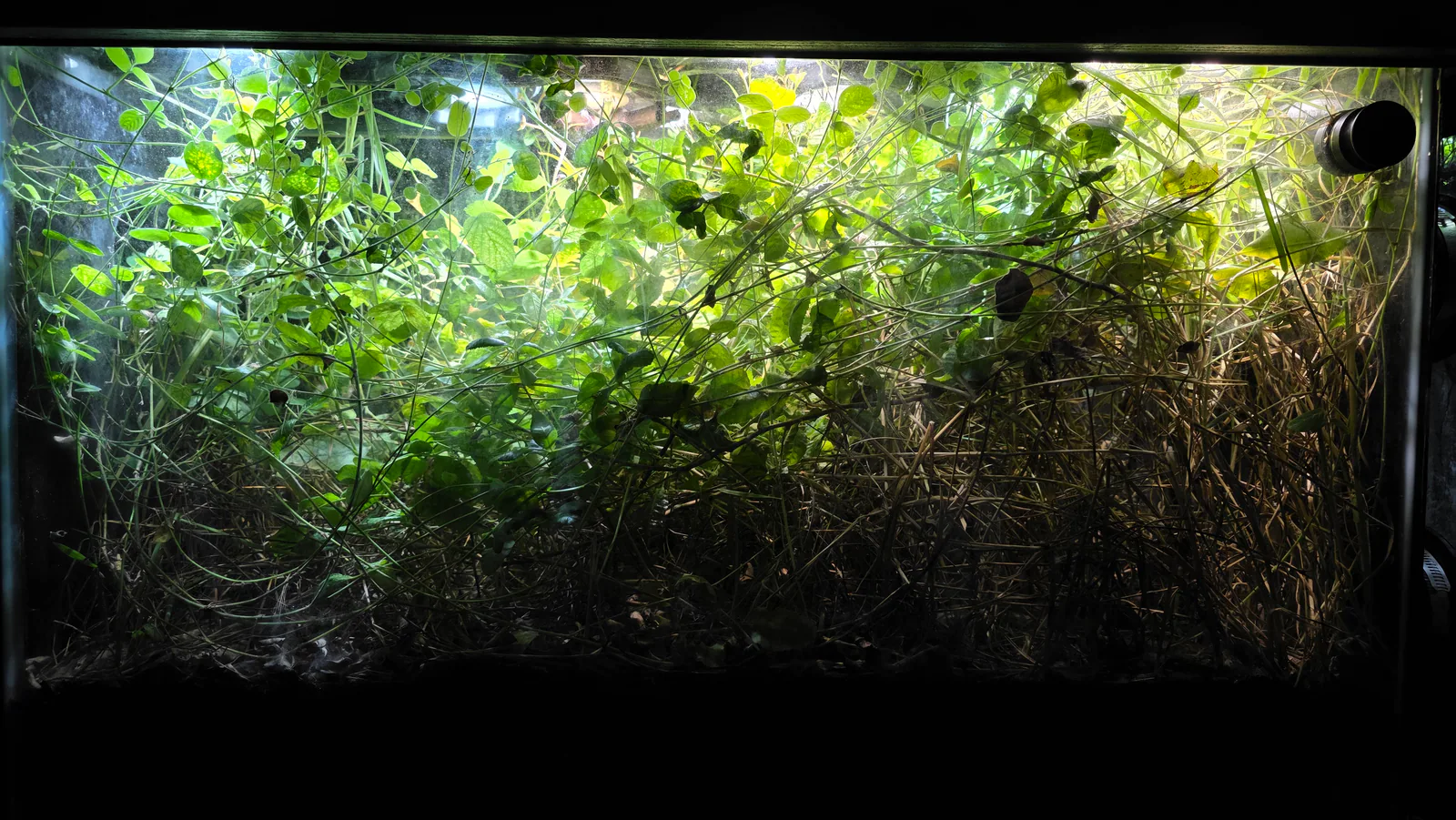
A strong population of terrestrial isopods active throughout the Lakeshore and Lowland Meadow at night, processing ground plant material into topsoil and serving as a living indicator of substrate oxygen availability; genus is unidentified.

Visual Data Unavailable

Overview

A strong population of terrestrial isopods active throughout the Lakeshore and Lowland Meadow at night, processing ground plant material into topsoil and serving as a living indicator of substrate oxygen availability; genus is unidentified.

Identity

  • Common name: Woodlouse
  • Alternate names: Pillbug, roly-poly, roly poly, sowbug, sow bug, slater, armadillo bug, ball bug
  • Scientific name: Oniscidea sp. (unidentified)
  • Identification confidence: Suborder-level only; confirmed as terrestrial isopods (Oniscidea) from behavior and habitat; genus and species unidentified
  • Uncertainty label: Observed

Taxonomy

  • Kingdom: Animalia
  • Phylum: Arthropoda
  • Class: Malacostraca
  • Order: Isopoda
  • Suborder: Oniscidea
  • Family: (unidentified)
  • Genus: (unidentified)
  • Species: (unidentified)

Natural History

Oniscidea is the suborder of terrestrial isopods, commonly called woodlice, pillbugs, roly-polies, or sowbugs. They are crustaceans secondarily adapted to land over evolutionary time, retaining the segmented, armored body plan and seven pairs of legs characteristic of isopods while evolving physiological adaptations for water retention in air. All Oniscidea require humid microhabitats to prevent desiccation through their permeable exoskeleton, and most are nocturnal, retreating to moist sheltered spots during the day and emerging at night when humidity at the surface is higher and desiccation risk is lower.

Two main groups are commonly distinguished by behavior in North American and Florida settings: pillbugs (family Armadillididae), which can roll completely into a ball when disturbed, and sowbugs (families such as Porcellionidae and Trachelipodidae), which cannot roll and have two tail-like appendages (uropods) visible at the rear. Both are detritivores and perform similar ecological functions. Several species are common throughout Florida in moist terrestrial habitats including garden soil, leaf litter, compost, and the margins of freshwater systems.

Woodlice feed primarily on decaying plant matter, fungal hyphae, and organic debris. They break down plant material mechanically and return nutrients to the soil via feces and their own decomposing bodies. Their feeding accelerates the breakdown of leaf litter and fallen plant tissue, shortening the detrital processing cycle. In humid, organically rich microhabitats, woodlouse populations can be very dense, particularly under logs, rocks, and leaf litter where moisture is retained. They are also consumed by a wide range of terrestrial predators including spiders, centipedes, and ground beetles.

Woodlice reproduce via direct development: females carry fertilized eggs in a brood pouch (marsupium) on the underside of the body, and juveniles emerge as miniature adults without a larval stage.

Ecological Role

Woodlice are a key component of the terrestrial detrital pathway. They physically break down dead plant matter, fragmenting leaves and stems into smaller pieces that increase surface area for fungal and bacterial decomposition. Their feces are rich in nitrogen and other nutrients and are directly available to microbes and other soil organisms. Dense populations dramatically accelerate the conversion of plant biomass to topsoil, particularly in enclosed or closed systems where external decomposers may be limited.

In miniBIOTA, the Woodlouse population is documented as an active and strong detritivore layer across both the Lakeshore and Lowland Meadow biomes. The January 24, 2026 observation describes the isopods as a night-active population congregating on ground-up Ludwigia and Creeping Primrose-Willow (two semi-aquatic plants present at the Lakeshore margin) and notes that hermit crab droppings on the same material were visibly contributing to new topsoil formation alongside isopod feeding. This describes a compound detrital processing loop: Caribbean Hermit Crab frass enriches the ground-level organic layer; isopods process that material further into soil.

A particularly distinctive role documented in January 2026 is the use of isopod behavior as a bio-indicator for substrate oxygen availability. On January 29, 2026, four days after the full system was sealed to test enclosed conditions, the observation notes that isopods were "active and normal at soil surface" with no signs of oxygen stress, confirming that substrate oxygen remained adequate in both biomes. This demonstrates that the woodlouse population's surface behavior is being used as an in-situ early warning system for anoxic conditions in the sealed terrestrial environment.

miniBIOTA Evidence

Woodlouse was documented in two observations in January 2026, both with video evidence.

Introduction: Not recorded; no introduction date or source is known. The population was already strong when first archived in January 2026.

Observation timeline:

  • January 24, 2026: Strong isopod population documented active at night in Lakeshore and Lowland Meadow biomes; video evidence. Ground-up Ludwigia and Creeping Primrose-Willow are noted as detritivore hotspots. Caribbean Hermit Crab droppings on the same material contributing to topsoil formation.
  • January 29, 2026: Day 4 of full system seal; isopods observed active and normal at soil surface in both biomes with no signs of oxygen stress; behavior used as an indicator of substrate oxygen availability.

Confirmed:

  • Strong established population in both Lakeshore and Lowland Meadow biomes as of January 2026
  • Nocturnal activity pattern; active at the soil surface at night
  • Feeding on ground-up Ludwigia and Creeping Primrose-Willow plant material at the Lakeshore margin
  • Co-processing of Caribbean Hermit Crab frass in the same detritivore hotspot layer
  • Population used as bio-indicator for substrate oxygen: active surface behavior = adequate oxygen

Inferred:

  • Population was established prior to January 2026; first archived observation does not record their introduction
  • Dense detritivore activity is accelerating soil formation at the Lakeshore margin
  • Night-shift foraging pattern suggests daytime retreat to moist sheltered substrate

Unknown:

  • Genus and species identity
  • Whether ID 46 and ID 173 (Unknown Terrestrial Isopod) represent one or two distinct species in miniBIOTA
  • Introduction date and source
  • Current population size and distribution
  • Whether reproduction has been confirmed in miniBIOTA