Oniscidea sp. (unidentified)

Unknown Terrestrial Isopod

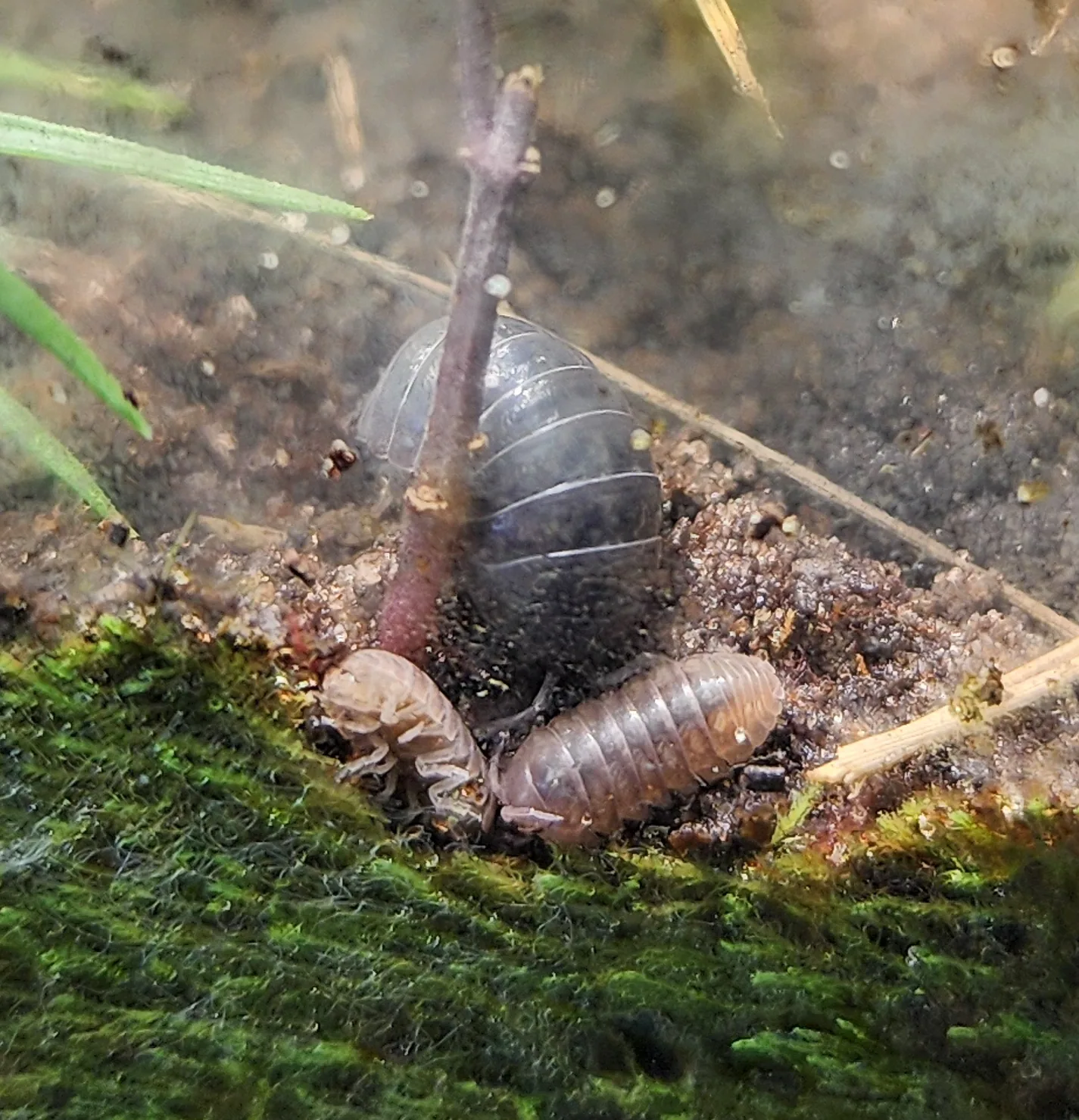
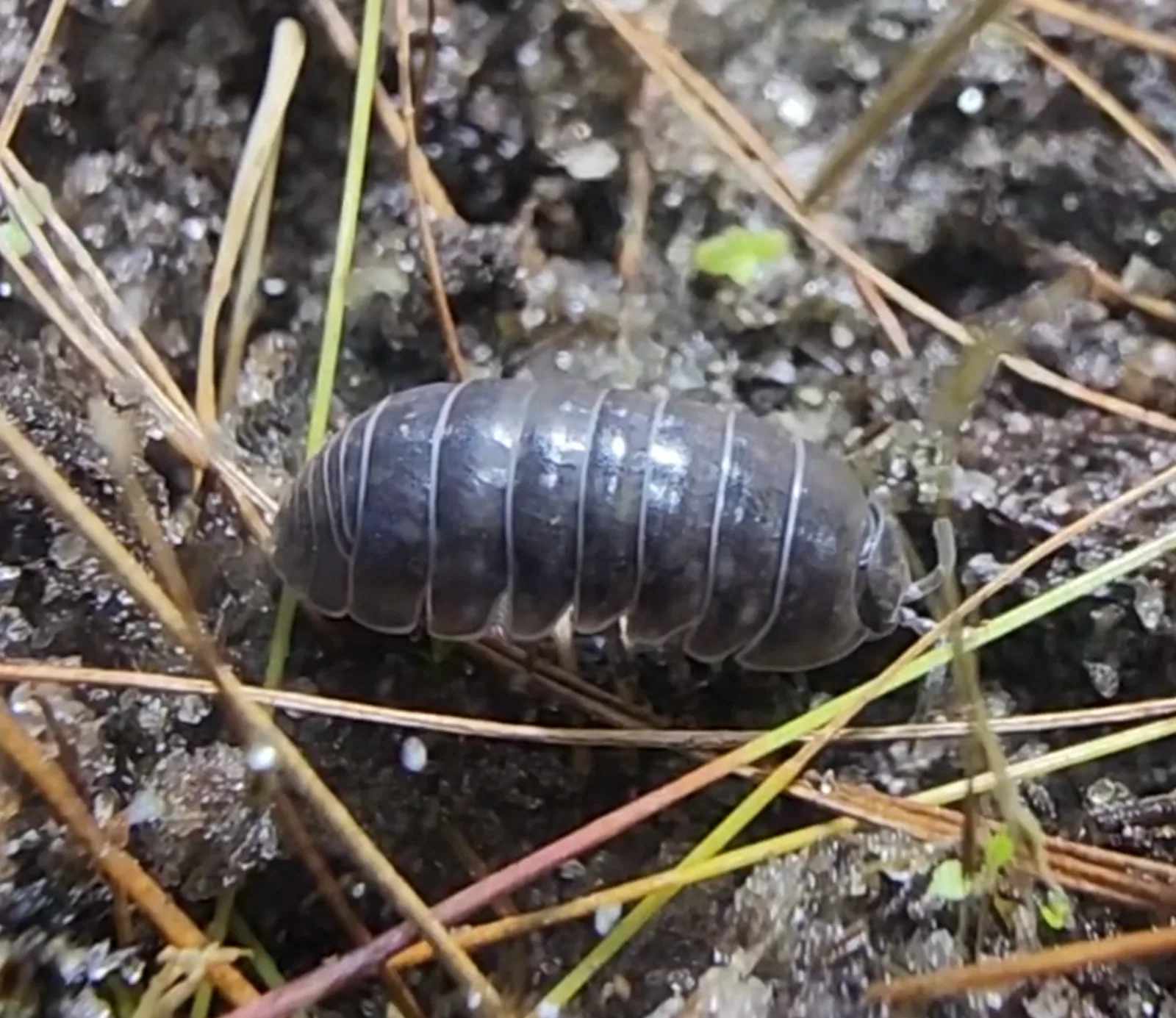
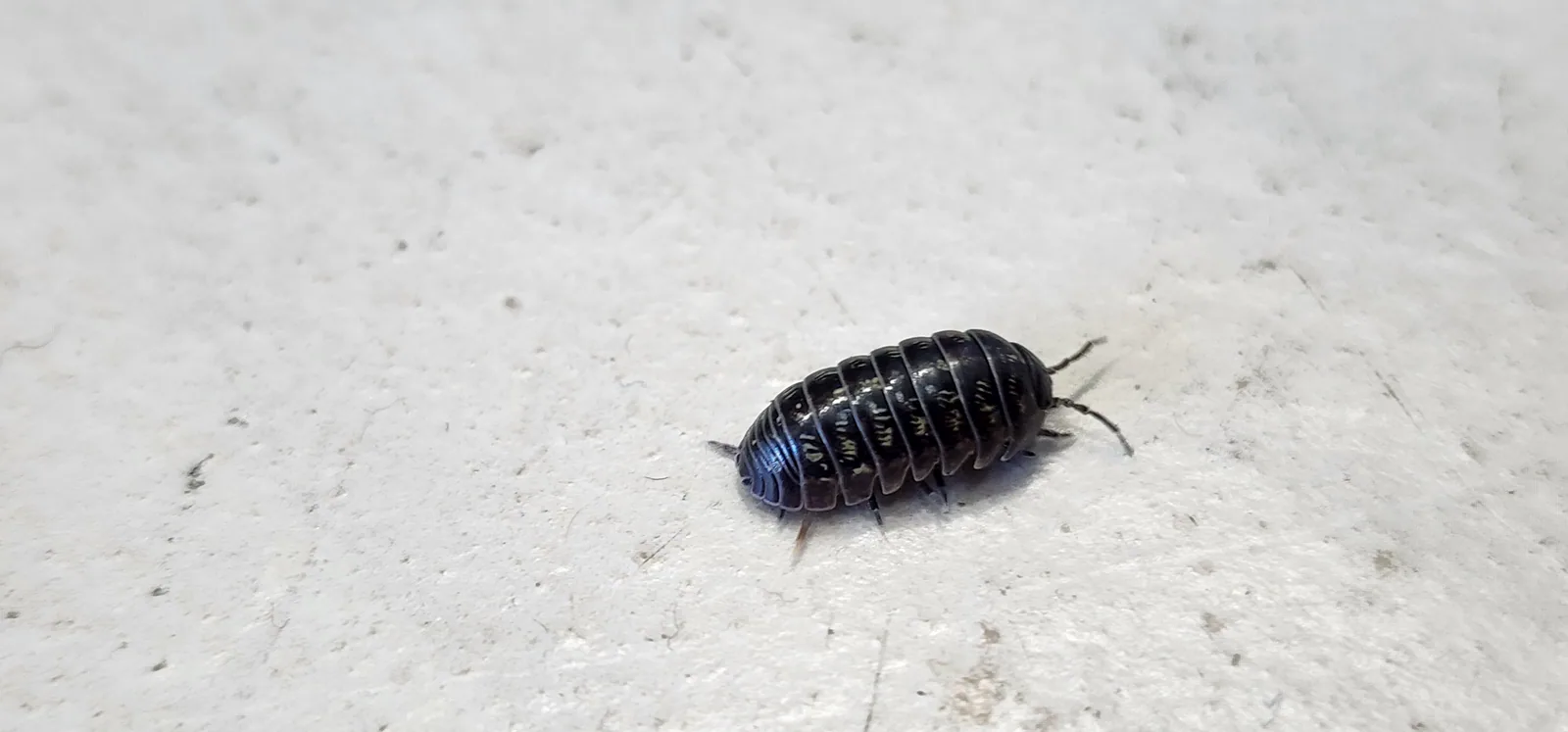
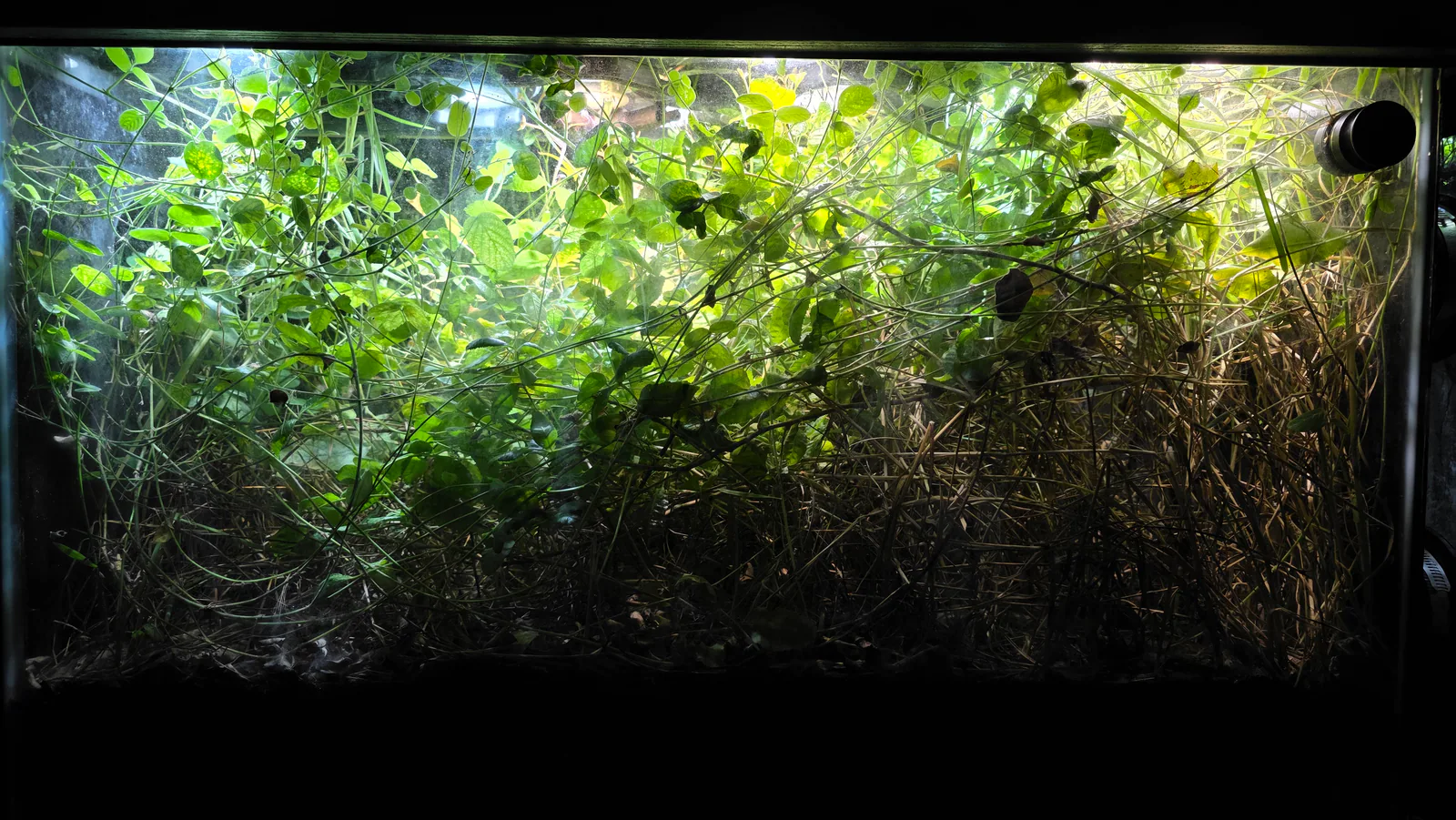
An unidentified terrestrial isopod living in the Lowland Meadow alongside the grasshopper community, this detritivore has been observed actively consuming Ridgeback Sand Grasshopper droppings, linking herbivore waste directly to the soil food web. Species identity is unresolved.

Visual Data Unavailable

Overview

An unidentified terrestrial isopod living in the Lowland Meadow alongside the grasshopper community, this detritivore has been observed actively consuming Ridgeback Sand Grasshopper droppings, linking herbivore waste directly to the soil food web. Species identity is unresolved.

Identity

  • Common name: Unknown Terrestrial Isopod
  • Alternate names: Isopod, pillbug, woodlouse, roly poly, sow bug, slater, pill bug, armadillo bug, terrestrial isopod
  • Scientific name: Oniscidea sp. (unidentified)
  • Identification confidence: Suborder-level only
  • Uncertainty label: Observed

Taxonomy

  • Kingdom: Animalia
  • Phylum: Arthropoda
  • Class: Malacostraca
  • Order: Isopoda
  • Suborder: Oniscidea
  • Family: Unresolved
  • Genus: Unresolved
  • Species: Unresolved

Natural History

Suborder Oniscidea comprises roughly 3,600 described species worldwide and represents the most successful terrestrial radiation among crustaceans. All members are commonly called terrestrial isopods or woodlice; the familiar "roly-poly" or "pill bug" forms that curl into a ball are members of family Armadillididae. Unlike most crustaceans, Oniscidea have adapted to life on land but retain moisture-dependent respiration through modified abdominal appendages called pleopods. They are most active in humid conditions and tend to aggregate under bark, leaf litter, logs, and loose soil during the day, becoming more active at night or in cooler, humid periods.

Oniscidea feed primarily on decomposing plant material, fungi, bacteria, animal feces, and soft organic debris. They are not typically plant predators but may occasionally graze on tender plant tissue. Their feeding activity fragments organic material into smaller particles, accelerating decomposition and making nutrients available to bacteria and fungi in the soil food web.

In Florida, several Oniscidea species are common in moist terrestrial habitats. Without species-level identification, the natural history of this miniBIOTA individual cannot be specified beyond the suborder level.

Ecological Role

The Unknown Terrestrial Isopod functions as a detritivore in the Lowland Meadow, fragmenting and consuming organic waste material. Its most directly documented role is consuming Ridgeback Sand Grasshopper droppings: the April 19, 2026 observation shows isopods actively exploring and feeding on grasshopper frass distributed across the Lowland Meadow ground. This represents a specific nutrient pathway, plant material consumed by grasshoppers is converted to frass, which is then broken down further by the isopod and returned to the soil as processed waste.

In a closed system like miniBIOTA, this pathway is meaningful: grasshopper frass would otherwise accumulate. The isopod's activity accelerates its breakdown and returns nitrogen and other nutrients to the soil, where they can support plant growth and microbial communities. The same function likely extends to other organic debris in the Lowland Meadow, though this has not been directly observed.

miniBIOTA Evidence

Introduction context: No introduction event is documented. The species was already present in the Lowland Meadow when first observed. Its origin, whether it arrived as an incidental introduction or colonized naturally, is not recorded.

Observation timeline:

  • April 19, 2026: Isopods including this unidentified species observed actively exploring and consuming Ridgeback Sand Grasshopper droppings distributed across the Lowland Meadow floor, in some areas forming small piles. Video evidence of isopods crawling over and feeding on droppings. Note interprets this as grasshopper waste being integrated into the detrital food web.

Confirmed:

  • Presence in Lowland Meadow, April 19, 2026
  • Active interaction with and consumption of Ridgeback Sand Grasshopper droppings confirmed; video evidence
  • Tracked as a distinct species from the Woodlouse in the Lakeshore

Inferred:

  • Detritivore function in the Lowland Meadow soil layer, consistent with Oniscidea suborder biology
  • Likely present and active across the Lowland Meadow ground layer beyond the single observation date

Unknown:

  • Species identity within Suborder Oniscidea
  • Whether this represents a different species from the Woodlouse or the same species in a different biome
  • Introduction date and origin
  • Population size and distribution
  • Reproduction status