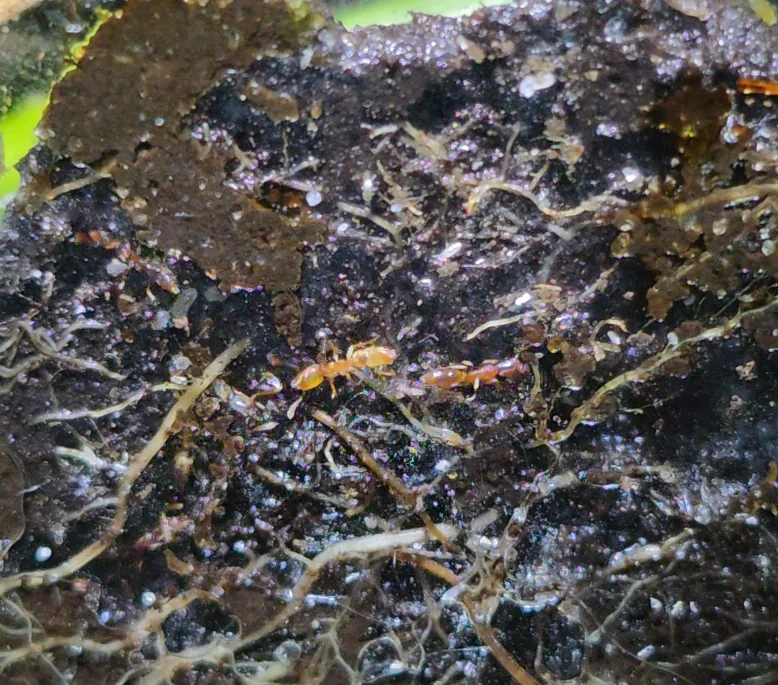
Hypoponera opacior

Common Crypt Ant

Seldom visible from the surface, these tiny ants hunt small invertebrates through the soil and leaf litter of the Lakeshore and surface each spring when the colony sends winged reproductives aloft for nuptial flights.

Visual Data Unavailable

Overview

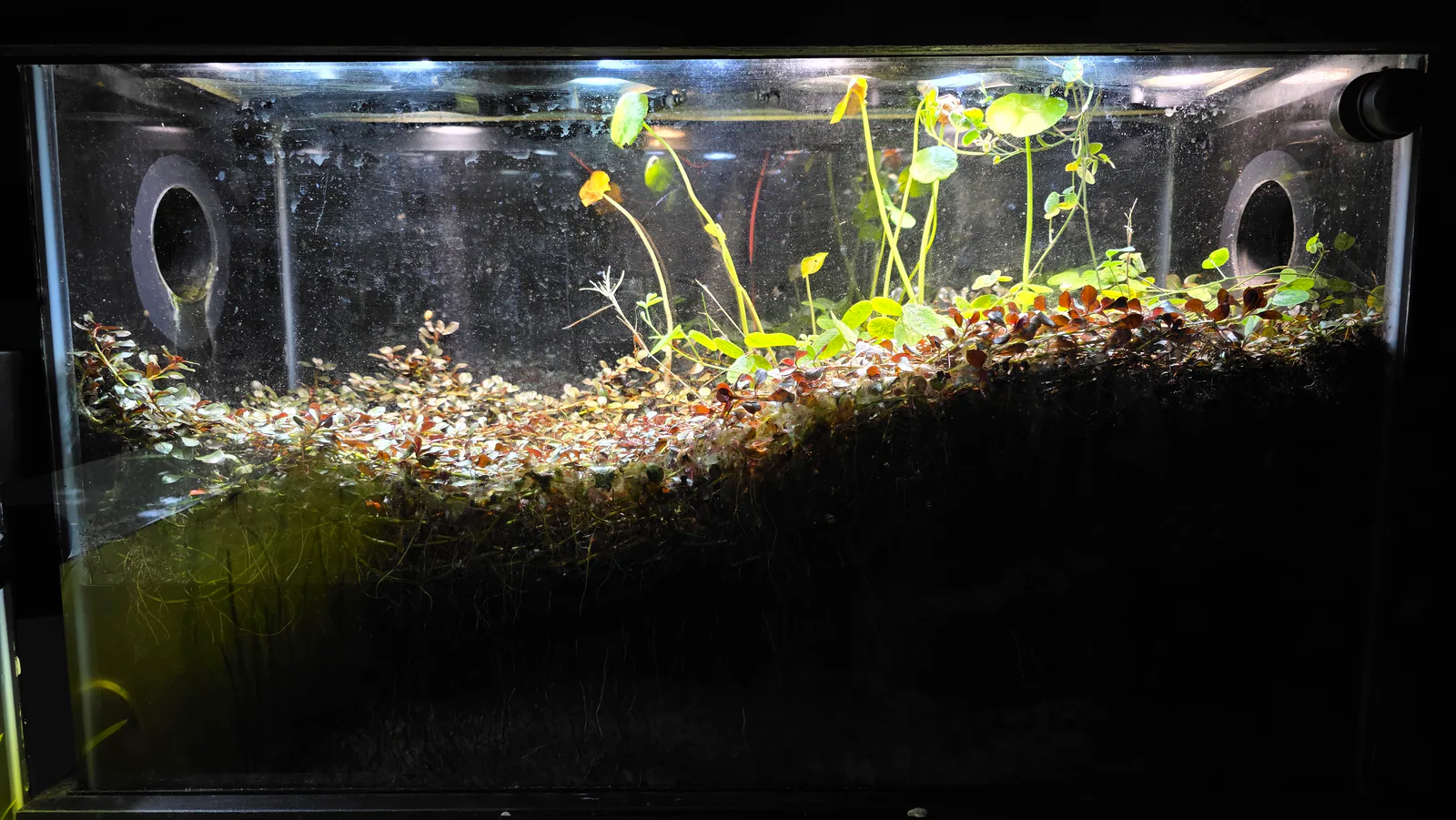
Seldom visible from the surface, these tiny ants live underground in the soil and leaf litter of the Lakeshore and have maintained a colony in miniBIOTA for over three years. Nuptial flights in consecutive April seasons confirm ongoing reproduction, but colony count, queen persistence, and population size remain unresolved.

Identity

  • Common name: Common Crypt Ant
  • Alternate names: Crypt ant, Hypoponera ant, cryptobiotic ant; "pyramid ant" is a misidentification
  • Scientific name: Hypoponera opacior
  • Identification confidence: High
  • Uncertainty label: Observed

Taxonomy

  • Kingdom: Animalia
  • Phylum: Arthropoda
  • Class: Insecta
  • Order: Hymenoptera
  • Family: Formicidae
  • Subfamily: Ponerinae
  • Genus: Hypoponera
  • Species: Hypoponera opacior (Forel, 1893)

Natural History

Hypoponera opacior is one of the most common small ants in the southeastern United States and throughout tropical and subtropical regions of the Americas and Caribbean. Workers are tiny (roughly 1 to 2 mm), slender, and reddish-brown to yellowish-brown. The common name "crypt ant" refers to the species' cryptobiotic lifestyle: colonies live underground in moist soil, beneath bark, in decomposing wood, and within leaf litter, rarely venturing to the open surface. This hidden habit makes direct observation uncommon; the colony's presence is usually detected by the occasional appearance of workers or, more dramatically, by the seasonal emergence of winged reproductives.

In Florida, H. opacior is widespread and common in gardens, forests, and disturbed habitats wherever moist soil and organic litter accumulate. The species tolerates the broad range of humidity and temperature typical of subtropical Florida but favors consistently moist, organically rich soil. Surface activity increases after significant watering events, which is consistent with the species' preference for soil moisture and the tendency of workers to respond to water by moving through tunnels toward the surface.

Colonies are small to moderate relative to most ant species and are organized around a soil-dwelling queen. Workers forage primarily underground, hunting small soft-bodied invertebrates including mites, collembolans, small worms, and insect larvae. Nuptial flights occur seasonally, typically in spring, when winged male and female reproductives (alates) emerge from the colony to mate and found new colonies nearby.

Ecological Role

In general ecosystems, H. opacior functions as a predator within the soil food web, regulating populations of small invertebrates in the ground layer. Its contribution to nutrient cycling comes indirectly through predation, colony tunneling, and the decomposition of organic matter in underground chambers. In a closed system like miniBIOTA, a persistent multi-year colony represents a steady source of top-down pressure on soil-dwelling invertebrates in the Lakeshore ground layer.

The species' cryptobiotic lifestyle makes behavioral observation rare under normal conditions. In miniBIOTA, the primary evidence of its ecological presence has been the seasonal emergence of alates, which confirms the colony is alive and structurally capable of reproduction. Its long residency (over three years) suggests it has found a stable microhabitat within the Lakeshore soil that meets its moisture and prey requirements in the closed system.

No symbiotic or mutualistic relationships with other miniBIOTA species have been documented. Predation on the colony by ground-layer invertebrates such as centipedes or spiders is plausible given the fauna present in the Lakeshore, but no such interaction has been observed.

miniBIOTA Evidence

Introduction context: The colony was noted as approximately 3.5 years established as of April 24, 2026, placing its arrival around late 2022. No specific introduction method or source origin is recorded.

Observation timeline:

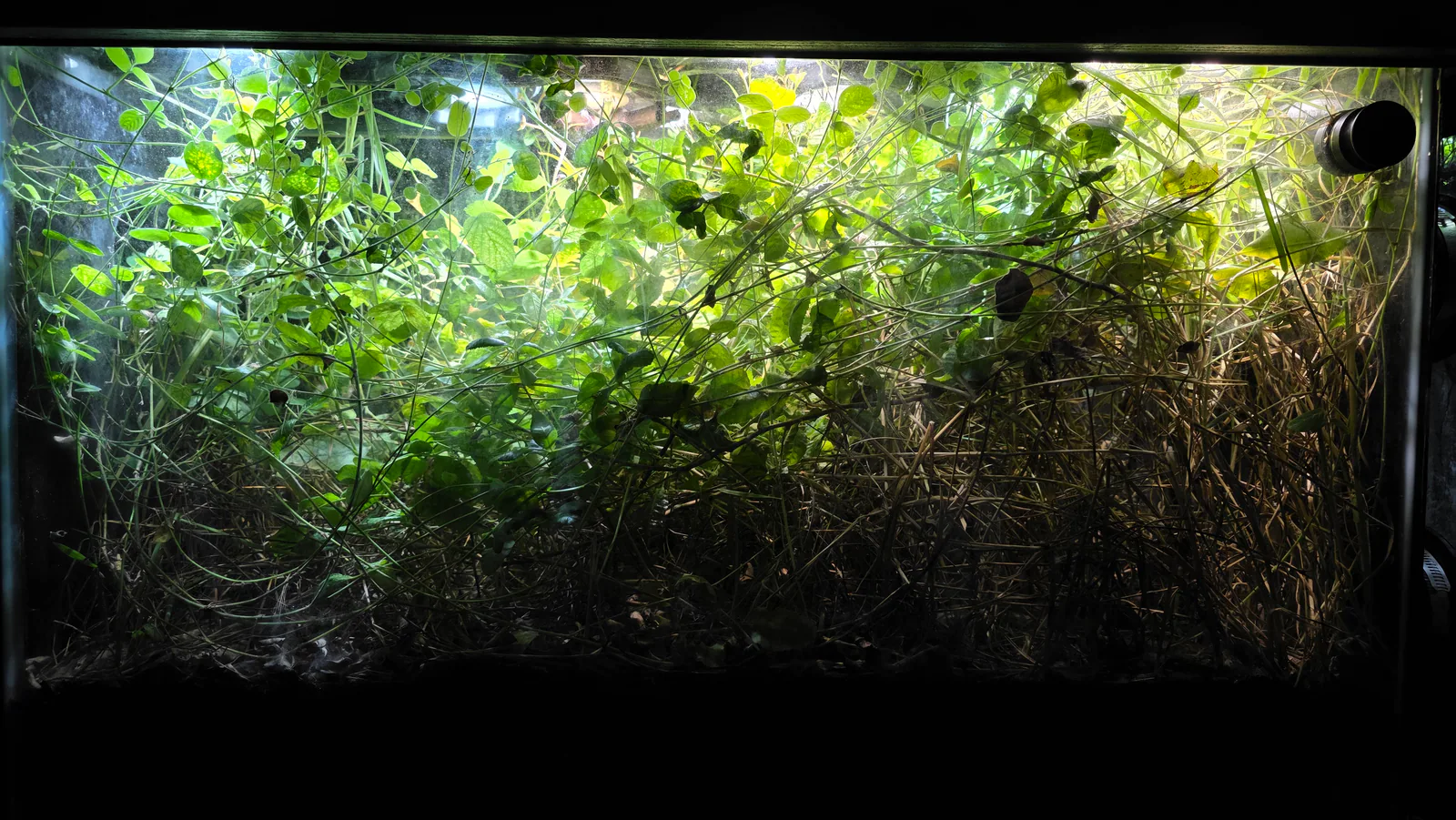
  • April 3, 2025: Nuptial flight observed in the Lowland Meadow. Workers and alates were visible in the grassland biome; the observation coincided with grasshopper hatch and baby cricket activity.
  • April 24, 2026: Winged individuals (alates) observed in the Lakeshore biome. Interpreted as the colony entering its reproductive phase; a nuptial flight was anticipated imminently. Colony tenure cited as approximately 3.5 years.

Confirmed:

  • Colony presence in miniBIOTA for approximately 3.5 years as of April 24, 2026
  • Nuptial flight in the Lowland Meadow on April 3, 2025
  • Alate emergence in the Lakeshore on April 24, 2026
  • Recurring spring reproductive activity across consecutive years (2025 and 2026)
  • Surface activity associated with watering events

Inferred:

  • Active predation on small soil invertebrates in the Lakeshore ground layer, consistent with H. opacior biology
  • Colony stability: recurring reproductive activity across consecutive spring seasons indicates ongoing queen survival through at least the 2025 to 2026 period

Unknown:

  • Exact introduction date and method
  • Number of active colonies
  • Current queen status and persistence
  • Current population abundance
  • Whether the colony is expanding, stable, or contracting
  • Whether a permanent resident colony exists in the Lowland Meadow or the 2025 sighting reflects alate dispersal only