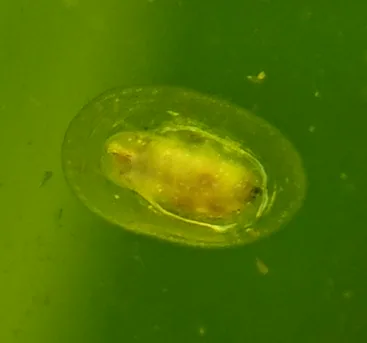
Ancylinae sp. (unidentified)

Freshwater Limpet

A tiny cap-shaped snail that clings to glass walls, rocks, and submerged plant leaves in the Freshwater Lake, grazing biofilm and algae from hard surfaces while laying small flat egg clutches directly on the same surfaces.

Visual Data Unavailable

Overview

The Freshwater Limpet is a tiny cap-shaped grazer that clings to glass, rocks, and plant surfaces in the Freshwater Lake, scraping biofilm and algae with a rasping radula. It was confirmed as one of at least four established aquatic snail species in the lake as of January 2026. Despite its limpet shape, it belongs to the same family as the Seminole Ramshorn Snail and other planorbid snails; the cap form is secondarily derived, not homologous with marine limpets.

Identity

  • Common name: Freshwater Limpet
  • Alternate names: river limpet, lake limpet, freshwater cap shell, ancylid limpet, cap snail
  • Scientific name: Ancylinae sp. (unidentified)
  • Identification confidence: Subfamily-level (Ancylinae); genus and species unidentified
  • Uncertainty label: Probable

Taxonomy

  • Kingdom: Animalia
  • Phylum: Mollusca
  • Class: Gastropoda
  • Order: Hygrophila
  • Family: Planorbidae
  • Subfamily: Ancylinae
  • Genus: Unidentified

Natural History

Freshwater limpets (Ancylinae) are distributed across freshwater habitats of North America, Europe, Asia, and elsewhere. In Florida and the southeastern United States, the most common genera are Ferrissia (with several species) and Laevapex. These snails inhabit clean, well-oxygenated freshwater, where they cling tightly to hard substrates including rocks, glass, wood, and plant leaves, using mucus and muscular suction.

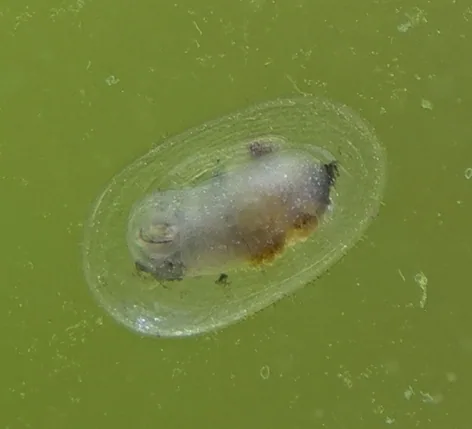
The defining morphology is the cap: a low, oval, non-coiled shell, typically 3 to 8 millimeters long, smooth or finely ribbed, and dome-shaped in profile. Despite their appearance, freshwater limpets are pulmonate gastropods (air-breathing lung snails), breathing atmospheric oxygen through a modified lung cavity, not through gills. They grasp surfaces with the broad muscular foot and rasp biofilm, algae, diatoms, and bacterial films from surfaces using a radula.

Freshwater limpets are hermaphroditic and reproduce by laying small, gelatinous egg masses directly on hard surfaces. Eggs are typically laid in flat capsules containing several embryos. Development is direct; there is no free-swimming larval stage. In aquarium and natural settings they commonly hitchhike in on plant material, appearing suddenly after a plant introduction without any deliberate introduction event.

Ecological Role

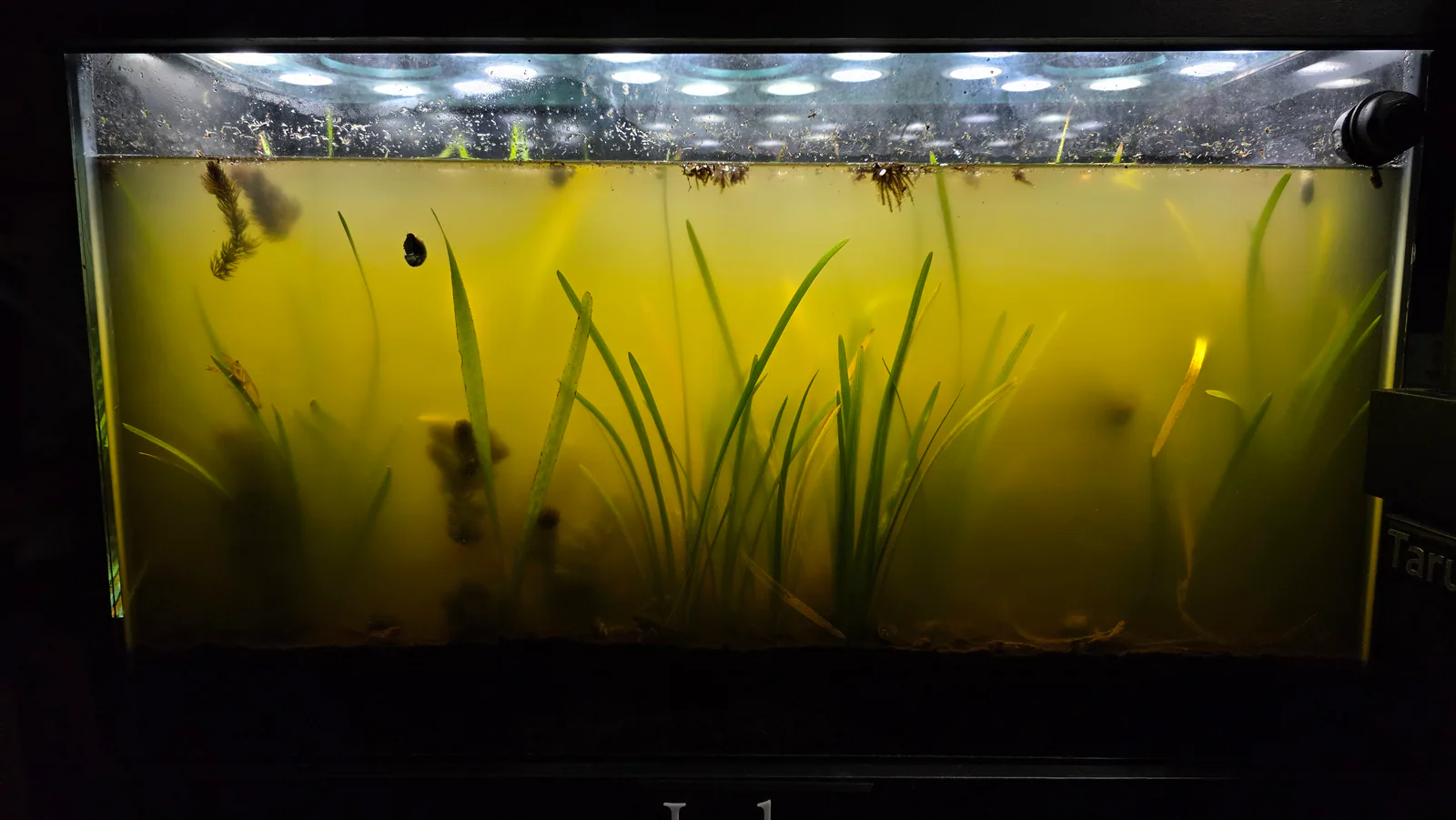
In the Freshwater Lake, Freshwater Limpet functions as a hard-surface biofilm grazer alongside Seminole Ramshorn Snails and Bladder Snails. By scraping biofilm and algae from glass walls, substrate particles, and plant leaf surfaces, limpets help regulate surface growth and recycle microbial biomass into animal tissue. Their small size and tight surface adhesion give them access to substrate microhabitats that larger grazers cannot reach.

Egg masses laid directly on surfaces may themselves provide a small food resource for other invertebrates. The limpet's presence as a confirmed member of the Freshwater Lake snail community by January 2026 suggests it has at minimum tolerated the lake's conditions through an extended period, including the post-Flagfish-removal transition (April 2026).

Known predators in freshwater systems include crayfish, which crush small snails. Slough Crayfish is the dominant macroinvertebrate in the Freshwater Lake and is a probable predation source, though no direct predation event on Freshwater Limpet has been recorded.

miniBIOTA Evidence

Introduction context: No deliberate introduction event is recorded. Freshwater limpets are common aquarium hitchhikers that arrive undetected on plant material; the most probable route is one of the Freshwater Lake plant introductions (Tapegrass, Amazon Sword, or similar). Introduction date and source are unknown.

Observation timeline:

  • January 24, 2026: Freshwater Limpet listed as one of four established aquatic snail species in the Freshwater Lake (alongside Bladder Snail, Seminole Ramshorn Snail, and Malaysian Trumpet Snail), in the context of identifying a 5th unknown hitchhiker snail that arrived on tapegrass. The limpet is a context species in this record, not the primary subject. Video evidence exists of the unknown snail feeding on glass.
  • June 30, 2026: Freshwater Limpet observed in the Freshwater Lake; first sighting in some time. Co-observed with a planarian on the same date. Origin of both organisms uncertain: may have persisted undetected in the system, or may have arrived as hitchhikers on aquatic plant material introduced earlier the same day (hornwort, filamentous algae, duckweed species). Documented as confirmed present only; establishment continuity unresolved. Observation record, June 30, 2026.

Confirmed:

  • Freshwater Limpet established in the Freshwater Lake; confirmed by name as an existing species as of January 24, 2026
  • Freshwater Limpet confirmed present in the Freshwater Lake on June 30, 2026
  • Subfamily-level identification (Ancylinae) consistent with the described morphology

Inferred:

  • Arrived as a hitchhiker on aquatic plant material, consistent with how freshwater limpets commonly enter aquarium systems
  • Biofilm and algae grazing on glass walls, rocks, and plant surfaces inferred from biology and the broader snail grazing community observed in the Freshwater Lake

Unknown:

  • Current population size and distribution in the Freshwater Lake
  • Genus and species identity within Ancylinae
  • Whether reproduction has occurred in miniBIOTA
  • Whether Slough Crayfish has predated Freshwater Limpet