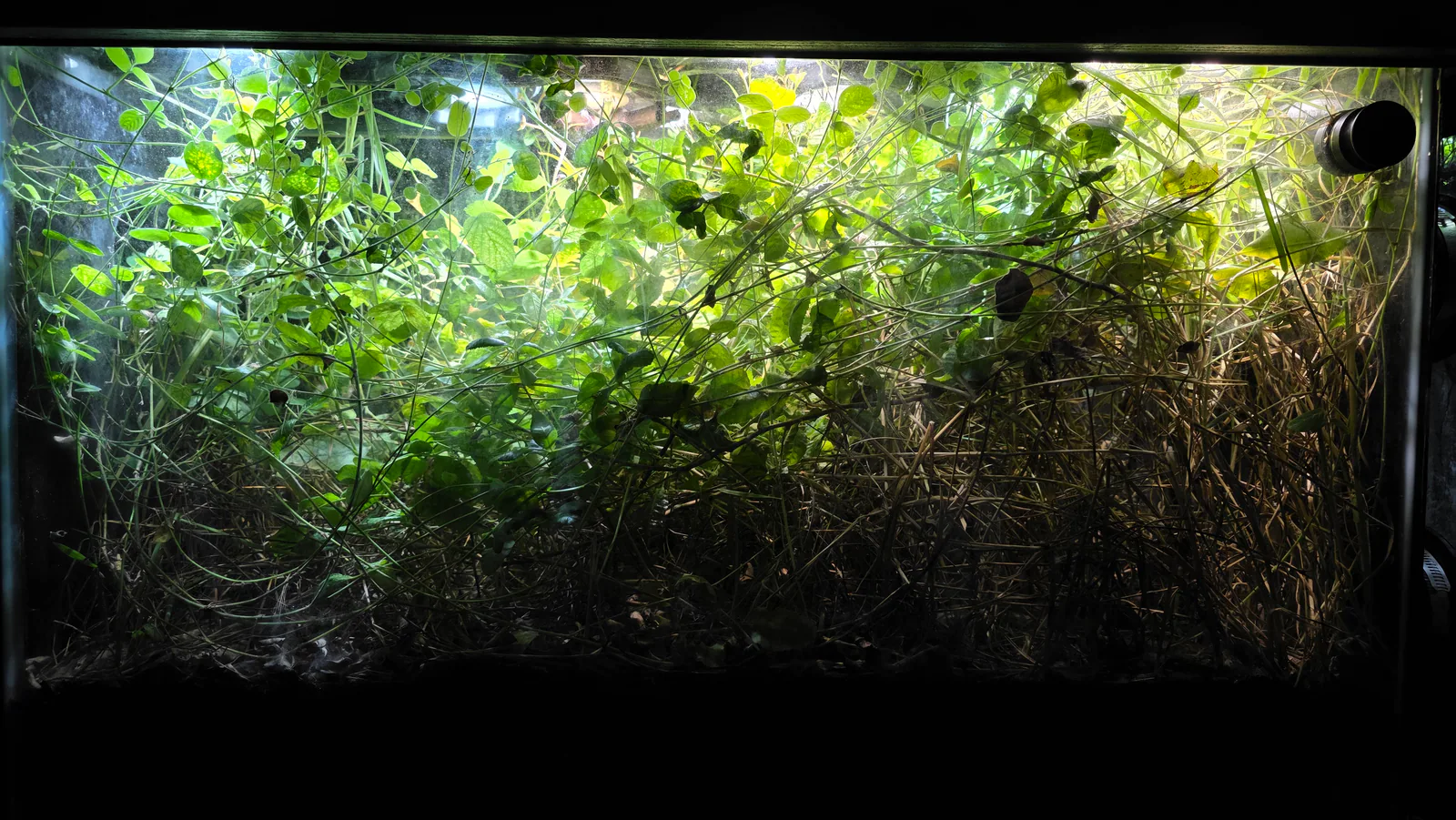
Coleoptera sp. (unidentified)

Beetle

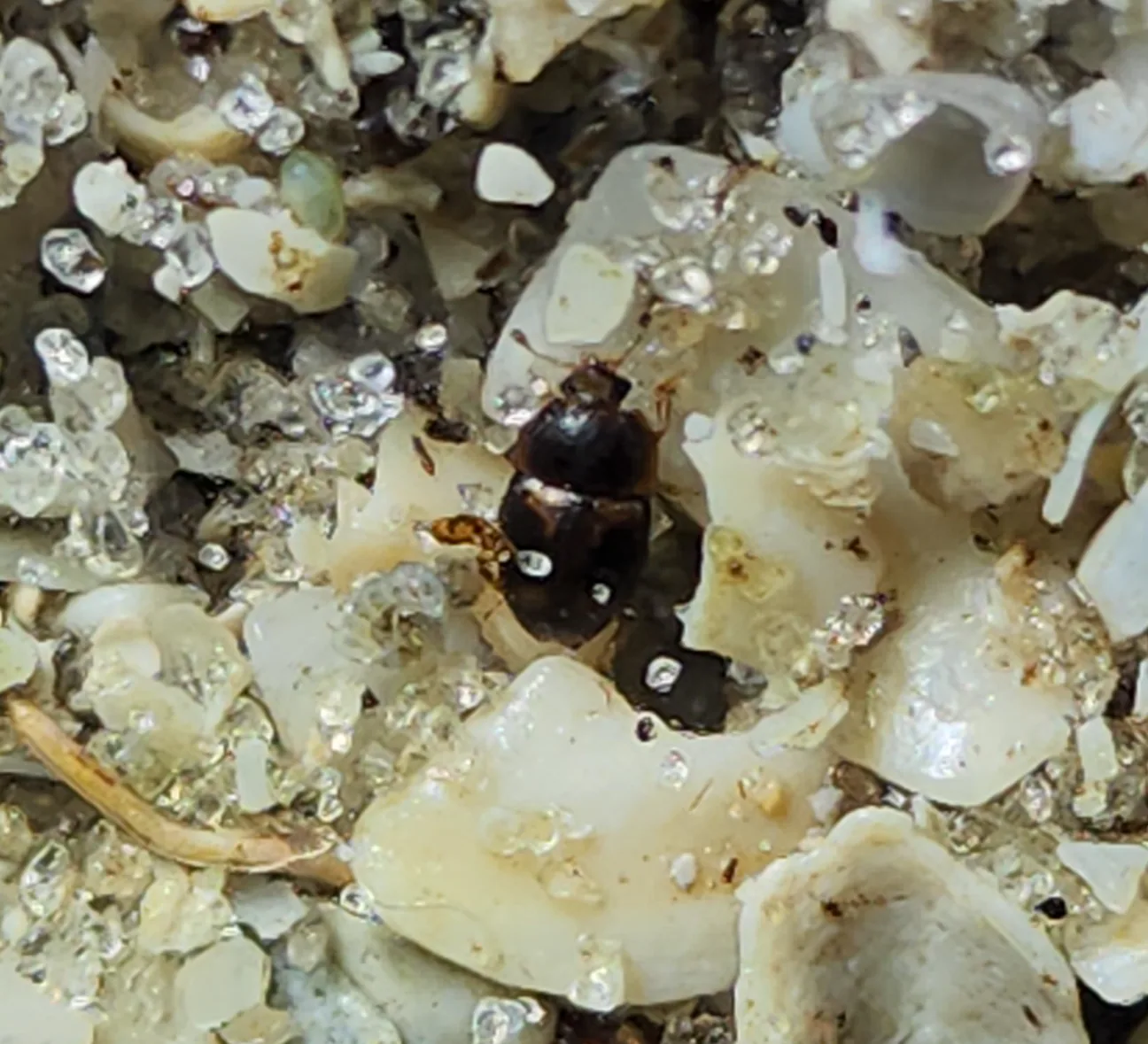
Observed foraging in the Lowland Meadow in August 2023 and described as a notable find, this unidentified beetle is tracked at order level across the Lowland Meadow and Lakeshore; species identity and current status remain unresolved.

Visual Data Unavailable

Overview

Observed foraging in the Lowland Meadow in August 2023 and described as a notable find, this unidentified beetle is tracked at order level across the Lowland Meadow and Lakeshore; species identity and current status remain unresolved.

Identity

  • Common name: Beetle
  • Alternate names: beetle, coleoptera, ground beetle, scarab (misidentified)
  • Scientific name: Coleoptera sp. (unidentified)
  • Identification confidence: Order-level; species unresolved
  • Uncertainty label: Uncertain

Taxonomy

  • Kingdom: Animalia
  • Phylum: Arthropoda
  • Class: Insecta
  • Order: Coleoptera
  • Family: Unresolved
  • Genus: Unresolved
  • Species: Unresolved

Natural History

Coleoptera, the beetles, is the largest order of insects with roughly 400,000 described species worldwide and an exceptionally diverse fauna in Florida. Beetles occupy virtually every terrestrial ecological role: herbivores, detritivores, predators, fungivores, wood borers, dung processors, and scavengers are all represented within the order. Without species- or family-level identification, the diet, habitat preference, life cycle, and ecological function of this individual cannot be characterized with confidence.

Florida's terrestrial beetle community includes many small, dark, hard-bodied species that are superficially similar and easily confused. Common families encountered in outdoor Florida habitats include Carabidae (ground beetles, often predatory), Staphylinidae (rove beetles, often found in organic matter), Scarabaeidae (scarabs, dung beetles, June beetles), Tenebrionidae (darkling beetles, often scavengers), and many others. The misidentification note ("scarab") in the alternate names suggests someone initially assessed this beetle as a scarabaeoid and later revised that judgment.

Ecological Role

In the Lowland Meadow and Lakeshore, beetles occupy multiple functional roles depending on family and species. A predatory ground beetle (Carabidae) would function as an invertebrate predator in the leaf litter and ground cover layer; a scavenger or detritivore would process organic material; a herbivore would consume plant tissue. The observation from August 2023 notes the individual was "foraging and exploring in the biota," active movement consistent with a predatory or omnivorous ground-level beetle, though this cannot be confirmed from the observation alone.

The Lakeshore larval trial referenced in the population dynamics notes represents a distinct evidence thread: a beetle larva was introduced to the Lakeshore at some point as part of an identification or observation effort. The relationship between this larval record and the August 2023 Lowland Meadow sighting is unclear; they may represent different individuals or events.

miniBIOTA Evidence

Introduction context: No introduction event is formally recorded. The August 2023 sighting was an observed individual in the Lowland Meadow, described as self-present. the record population dynamics notes reference a "larval introduction/identification trial" in the Lakeshore; the source and date of that trial are not in the observation record.

Observation timeline:

  • August 27, 2023: Beetle observed in the Lowland Meadow. Raw note: "Interesting beetle found at UCF foraging and exploring in the biota. Notable find." This is the primary evidence record for this node.
  • March 16, 2026: Listed as last recorded date in the species record. No dedicated observation record exists for this date; the source of this date is unclear and may reflect context routing from a related beetle observation.

Confirmed:

  • A beetle was present in the Lowland Meadow on August 27, 2023; described as a notable find
  • Order-level identification as Coleoptera

Inferred:

  • Active foraging behavior at time of observation ("foraging and exploring in the biota"), suggesting a mobile, ground-active individual
  • Lakeshore larval introduction at some point, population notes; date and species unknown
  • The prior "scarab" identification reflects a visual assessment that was later revised

Unknown:

  • Species, genus, and family identity
  • Whether the August 2023 sighting and the Lakeshore larval trial involve the same or different beetle taxa
  • Whether any beetle currently persists in miniBIOTA
  • The source of the March 16, 2026 date_last_observed entry