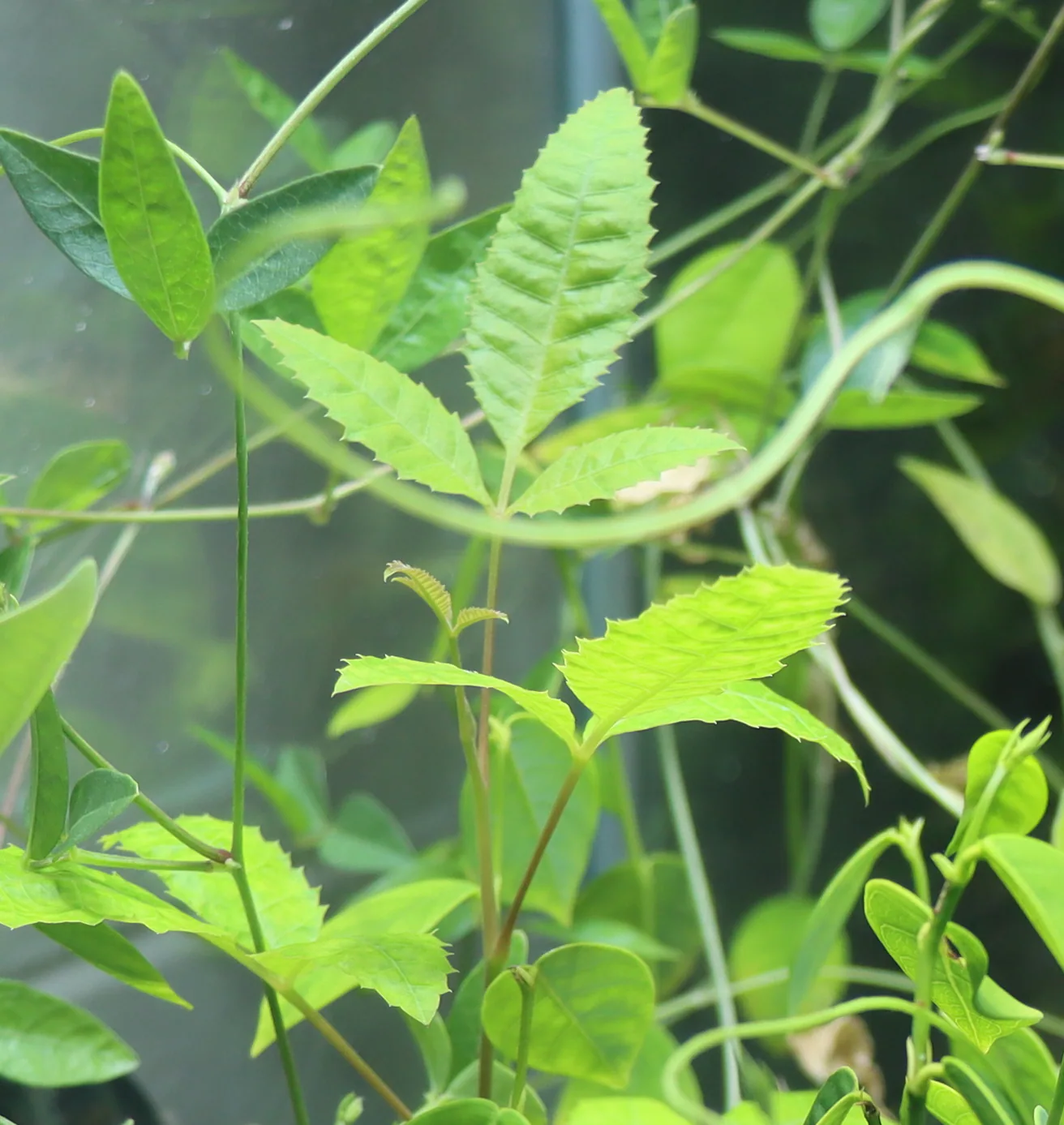
Schinus terebinthifolius

Brazilian Peppertree

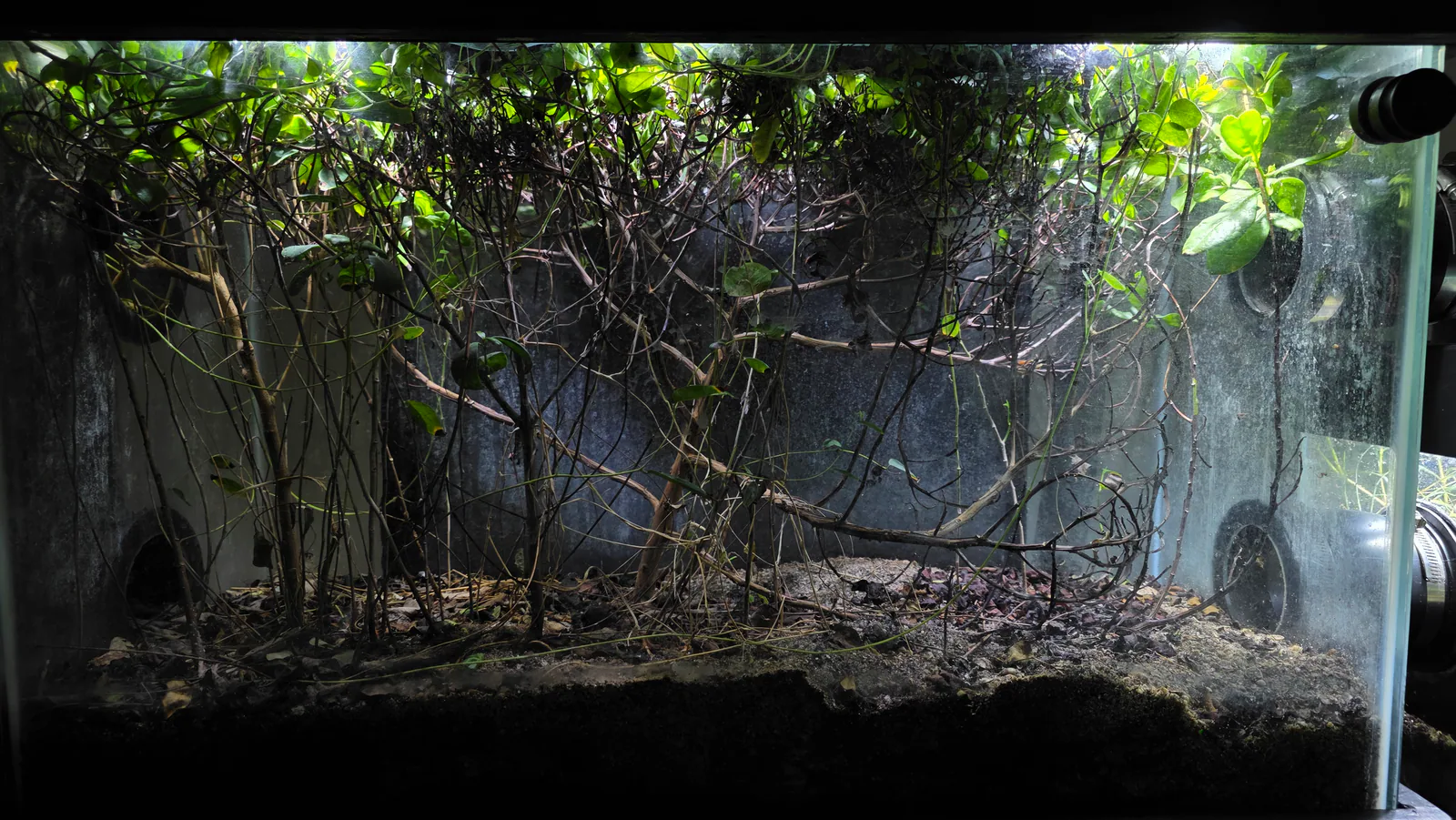
One of Florida's most destructive invasive plants, the single Brazilian Peppertree in miniBIOTA's Mangrove Forest was confirmed present in March 2026 when the Ghost Ant was documented climbing its branches; berry production and seed dispersal potential remain unmonitored.

Visual Data Unavailable

Overview

One of Florida's most destructive invasive plants, the single Brazilian Peppertree in miniBIOTA's Mangrove Forest was confirmed present in March 2026 when the Ghost Ant was documented climbing its branches; berry production and seed dispersal potential remain unmonitored.

Identity

  • Common name: Brazilian Peppertree
  • Alternate names: christmas berry, Florida holly, peppertree, Brazilian pepper, aroeira vermelha, florida christmas tree, rose pepper
  • Scientific name: Schinus terebinthifolius
  • Identification confidence: Species-level; Schinus terebinthifolius is the well-established scientific name; the common name Brazilian Peppertree is specific to this species in Florida
  • Uncertainty label: Observed

Taxonomy

  • Kingdom: Plantae
  • Phylum: Anthophyta
  • Class: Magnoliopsida
  • Order: Sapindales
  • Family: Anacardiaceae
  • Genus: Schinus
  • Species: Schinus terebinthifolius

Natural History

Schinus terebinthifolius is a multi-stemmed shrub or small tree native to the Atlantic coastal forests of Argentina, Bolivia, and Brazil. It is a member of Anacardiaceae, the cashew family, which also includes mango, pistachio, and poison ivy. The plant produces urushiol-related compounds in its sap and leaves that can cause contact dermatitis in sensitive individuals.

Introduced to Florida in the 1800s as an ornamental and windbreak plant, Brazilian Peppertree is now one of the most harmful invasive plants in the state, dominating an estimated 700,000 or more acres of disturbed and natural habitats across South Florida. It is classified as a Category I invasive species by the Florida Exotic Pest Plant Council (FLEPPC) and is listed as a Prohibited Aquatic Plant under Florida statute, placing it at the highest tier of invasive concern under Florida law alongside species like Torpedo Grass and Water Hyacinth.

The plant produces dense clusters of small bright red drupes, the same berries marketed as pink peppercorns in culinary contexts despite being unrelated to true pepper. Birds consume the berries widely, and seed dispersal by frugivorous birds is the primary mechanism of landscape-scale spread; a single mature plant can produce thousands of seeds per year. The plant also resprouts vigorously from cut stumps and root fragments, making physical removal difficult to sustain without follow-up treatment.

Brazilian Peppertree is allelopathic: it releases phenolic compounds from leaf litter and roots that inhibit the germination and growth of native plants nearby. Under a mature canopy, native ground-layer vegetation is typically absent. The plant grows rapidly, potentially gaining 1.5 to 3 meters of height per year under favorable conditions, and can reach 7 to 10 meters when established. It tolerates salt spray, periodic flooding, and drought, making it particularly competitive in Florida's coastal environments.

Ecological Role

As a photosynthetic producer, Brazilian Peppertree fixes carbon and produces plant biomass. Its ecological impact in natural habitats is dominated by competitive displacement: allelopathic chemistry suppresses native understory plants, rapid growth shades out competing vegetation, and prolific fruiting provides bird food directly converted into seeds spread to uninfested habitats. In South Florida natural areas, Brazilian Peppertree forms monoculture stands that replace diverse native plant communities, making it a net negative for native biodiversity.

In miniBIOTA, the single documented plant contributes canopy structure to the Mangrove Forest biome and is confirmed as a climbing substrate for fauna. If it is producing berries, in-system seed dispersal and allelopathic effects on the Mangrove Forest understory are potential consequences. The plant's reproductive stage and canopy expansion are unmonitored.

miniBIOTA Evidence

Introduction: Not recorded. No introduction date, source, or method is documented.

Observation timeline:

  • March 5, 2026: Ghost Ant observed in Mangrove Forest biome climbing the pepper tree branch; directly confirms the plant is physically present as a structural element in the Mangrove Forest.
  • May 6, 2026 (contextual): Mole Cricket observation includes panning footage across the Lowland Meadow "with views of the remaining legume vine and Brazilian pepper branch"; the plant is visible in footage as recently as May 2026.

Confirmed:

  • Brazilian Peppertree physically present in the Mangrove Forest biome as of March 5, 2026
  • Identifiable as a structural element as recently as May 6, 2026 (panning footage)
  • Used as climbing substrate by Ghost Ant (March 5, 2026)
  • One individual plant: current_estimated_population recorded as 1

Inferred:

  • Plant was established prior to March 2026; the Ghost Ant observation references it as an existing biome feature, not a new arrival
  • Allelopathic leaf litter compounds are likely affecting native understory in the Mangrove Forest biome in proximity to the plant
  • If the plant is mature and producing fruit, bird-vectored seed dispersal within the closed system is possible

Unknown:

  • Introduction date and source
  • Whether the plant is flowering or producing berries; reproductive stage is unmonitored
  • Whether any seedlings or new plants have emerged in the Mangrove Forest or adjacent biomes
  • Whether the May 2026 panning footage captures the same Mangrove Forest plant at the biome boundary or indicates a second individual in a different biome context