Tapinoma melanocephalum

Ghost Ant

Dependent on external colony connections that the closed miniBIOTA system could not provide, Ghost Ant's population collapsed after isolation; a single individual reappeared in the Mangrove Forest in March 2026, months after the colony was assumed locally extinct.

Visual Data Unavailable

Overview

Dependent on external colony connections that the closed miniBIOTA system could not provide, Ghost Ant's population collapsed after isolation; a single individual reappeared in the Mangrove Forest in March 2026, months after the colony was assumed locally extinct.

Identity

  • Common name: Ghost Ant
  • Alternate names: Sugar ant, tiny white ant, white ant
  • Scientific name: Tapinoma melanocephalum
  • Identification confidence: Species-level; Tapinoma melanocephalum is the well-established scientific name, and the common name Ghost Ant is commercially and biologically specific to this species in Florida
  • Uncertainty label: Observed

Taxonomy

  • Kingdom: Animalia
  • Phylum: Arthropoda
  • Class: Insecta
  • Order: Hymenoptera
  • Family: Formicidae
  • Genus: Tapinoma
  • Species: Tapinoma melanocephalum

Natural History

Tapinoma melanocephalum is a tiny tramp ant native to tropical Africa and Asia, now established across tropical and subtropical regions worldwide including throughout Florida. Workers are among the smallest ants in Florida, measuring approximately 1.3 to 1.5 millimeters. The common name Ghost Ant refers to their striking bicolored pattern: a dark head that appears to float above a pale, nearly transparent abdomen and legs, making them difficult to track visually on light surfaces.

Ghost Ants are a supercolonial species, meaning they maintain large, diffuse colony networks spread across many nest sites with multiple queens and free worker exchange between nests. Unlike many ant species that maintain exclusive territories, ghost ant colonies readily merge and share resources with adjacent colonies across an interconnected network. This supercolonial structure is a key reason for the species' success as an invasive: a single colony can span multiple nest sites across a building, garden, or urban landscape, with workers moving freely across the network. Queens are produced regularly within the colony, and mating occurs inside the nest rather than through nuptial flights, allowing rapid colony budding without the risks associated with aerial dispersal.

Ghost Ants forage widely for carbohydrate and protein sources. Workers actively tend aphids and scale insects for honeydew secretions, seek sweet foods and grease in urban and garden settings, and opportunistically consume dead insects, small live invertebrates, and other organic matter. In Florida, ghost ants are common in homes, gardens, and disturbed outdoor habitats including grasslands, shrubby margins, and the bases of trees.

The supercolonial lifestyle creates a critical vulnerability in isolated settings. A ghost ant colony network depends on being able to draw from a broader population of queens and workers across multiple connected nest sites. When isolated from external colony access, the closed population has no mechanism to replace queens that die, no worker recruitment from outside the system, and no neighboring colony units to buffer losses. Under these conditions, the colony enters terminal decline as the worker population ages without replacement.

Ecological Role

In its native and invasive range, Tapinoma melanocephalum functions as an opportunistic omnivore and small-scale predator. Ghost Ants consume a wide range of resources including honeydew from hemipterans, plant sap, scavenged insect remains, fungi, and occasionally small live prey. Their foraging activity moves energy and nutrients across terrestrial microhabitats and distributes organic material through their feces and nest waste. The tending of aphids and scale insects for honeydew can have indirect negative effects on plants by protecting pest hemipteran populations.

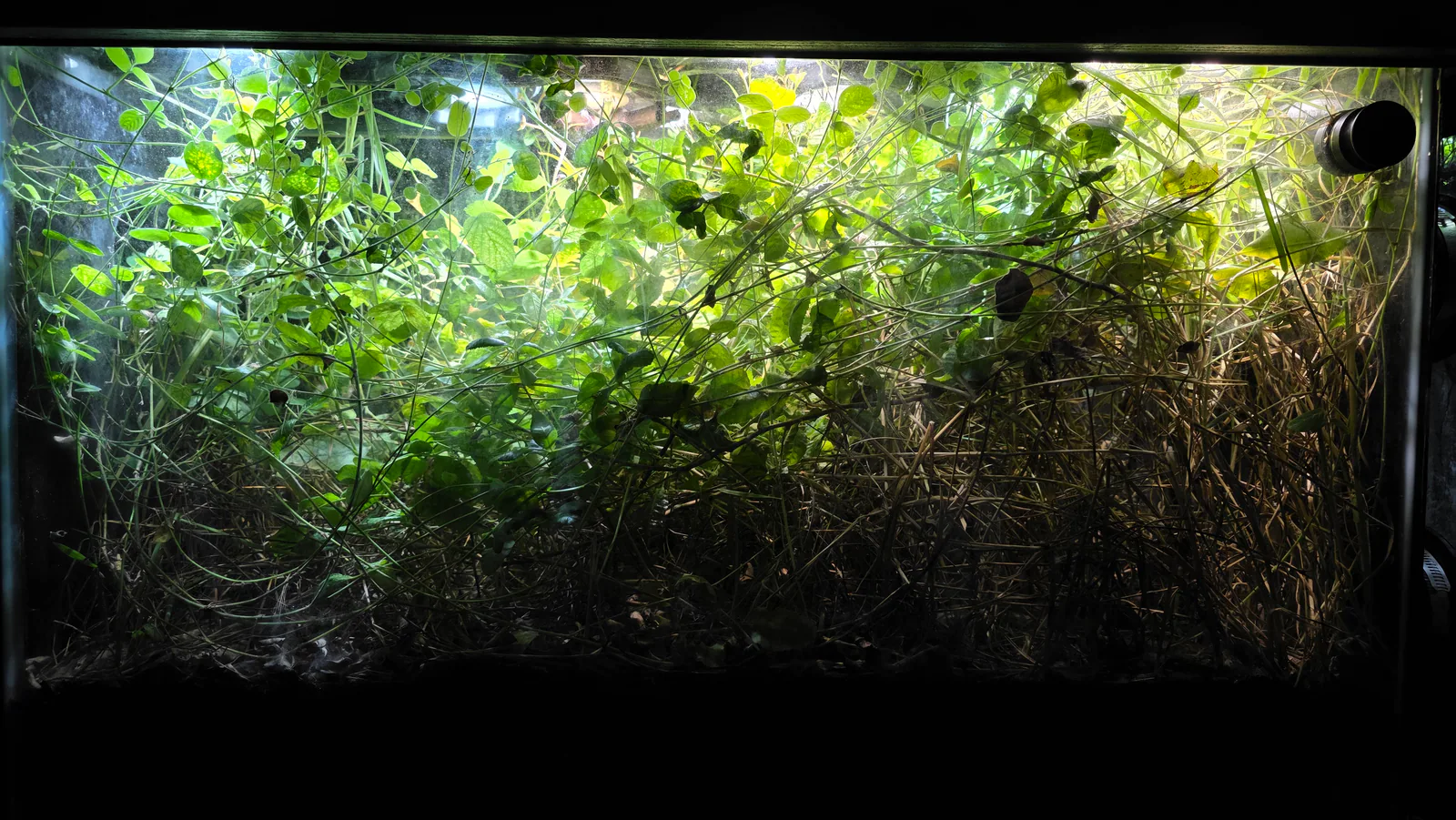
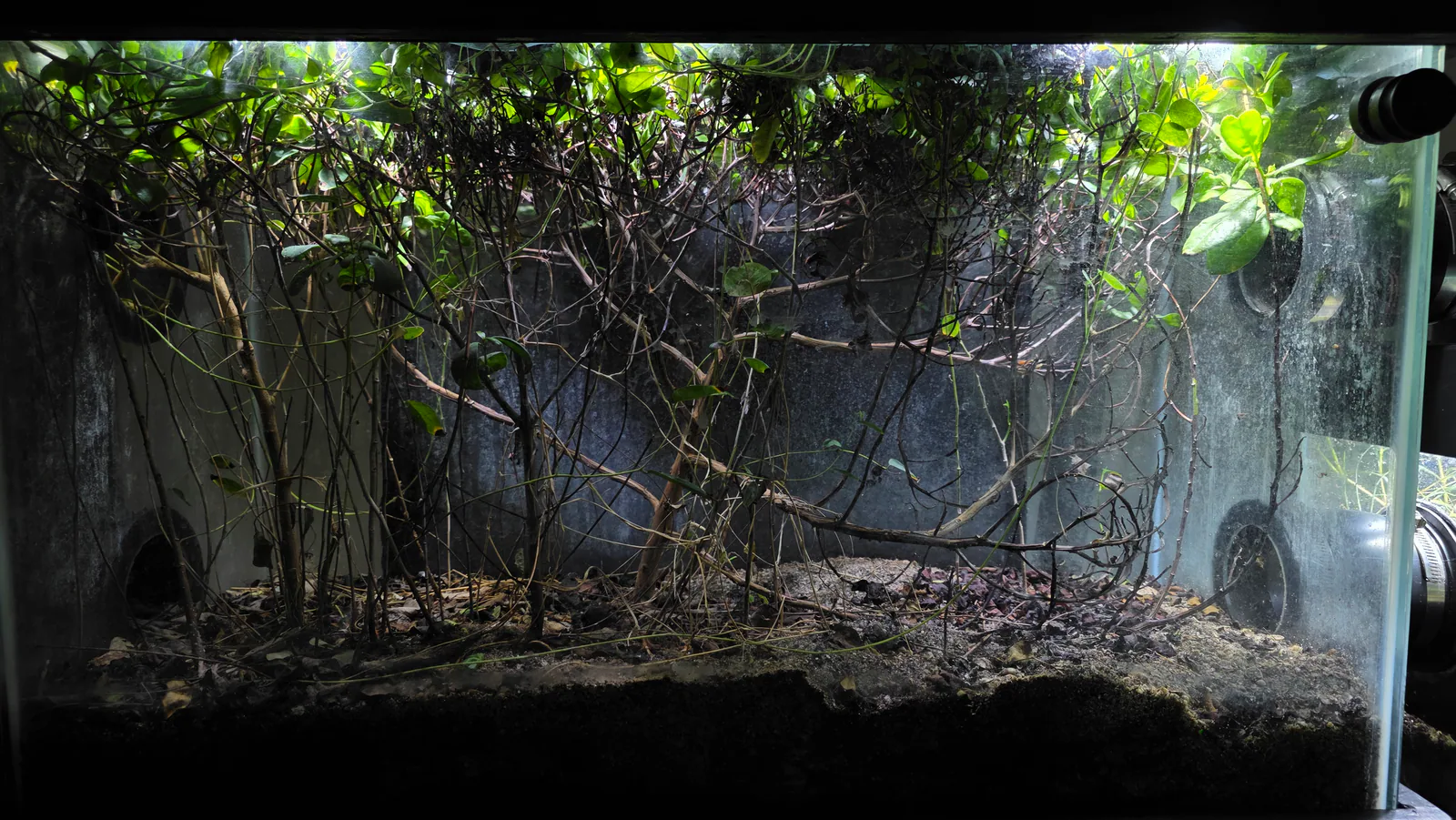
In miniBIOTA, ghost ants were present at some point prior to the archived observations, likely ranging across the terrestrial biomes. Their colony collapse in early 2026 after the system was sealed illustrates a fundamental constraint for supercolonial species in closed ecosystems: colony network integrity requires external connectivity that an isolated system cannot provide. The single individual observed in the Mangrove Forest in March 2026 is a biological remnant, not a viable colony.

miniBIOTA Evidence

Ghost Ants were once present as an active foraging colony in miniBIOTA before being isolated when the system was sealed. No archived observation documents the colony's prior active period or the exact timing of the sealing event. Two archived observations document the colony's collapse and a subsequent surprise individual sighting.

Introduction: Not recorded. The ghost ant presence in miniBIOTA appears to predate the observation record; no introduction date, source, or method is documented.

Observation timeline:

  • Approximately early January 2026: Last individual from the active colony period observed (inferred from January 31 observation, which states "last individual observed approximately one month ago")
  • January 31, 2026: Colony declared likely locally extinct; population described as collapsed due to isolation after the move, loss of external colony network, and inability of the closed ecosystem to sustain the colony independently
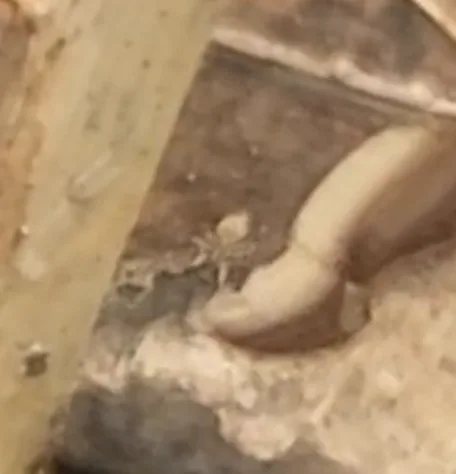
  • March 5, 2026: Single ghost ant observed in Mangrove Forest climbing a pepper tree branch; described as first sighting in many months; previously assumed locally extinct; confirms at least one individual persists

Confirmed:

  • Ghost ant colony was once active in miniBIOTA before the system was sealed
  • Colony collapsed following isolation from the external supercolony network
  • Single individual confirmed in Mangrove Forest on a pepper tree branch, March 5, 2026
  • Decline attributed explicitly to supercolonial dependency: isolated system could not sustain the colony

Inferred:

  • The colony was connected to an external ghost ant supercolony network before miniBIOTA was sealed
  • Colony collapse followed as workers aged without queen-produced replacements from outside the system
  • The single March 5, 2026 individual is a long-lived survivor, not evidence of colony recovery

Unknown:

  • Introduction date, source, and method
  • How long the colony was active before the sealing event
  • Which biomes the colony ranged through during its active period
  • Whether the single March 2026 individual has persisted beyond that observation