Validiblatta australasiae

Australian Cockroach

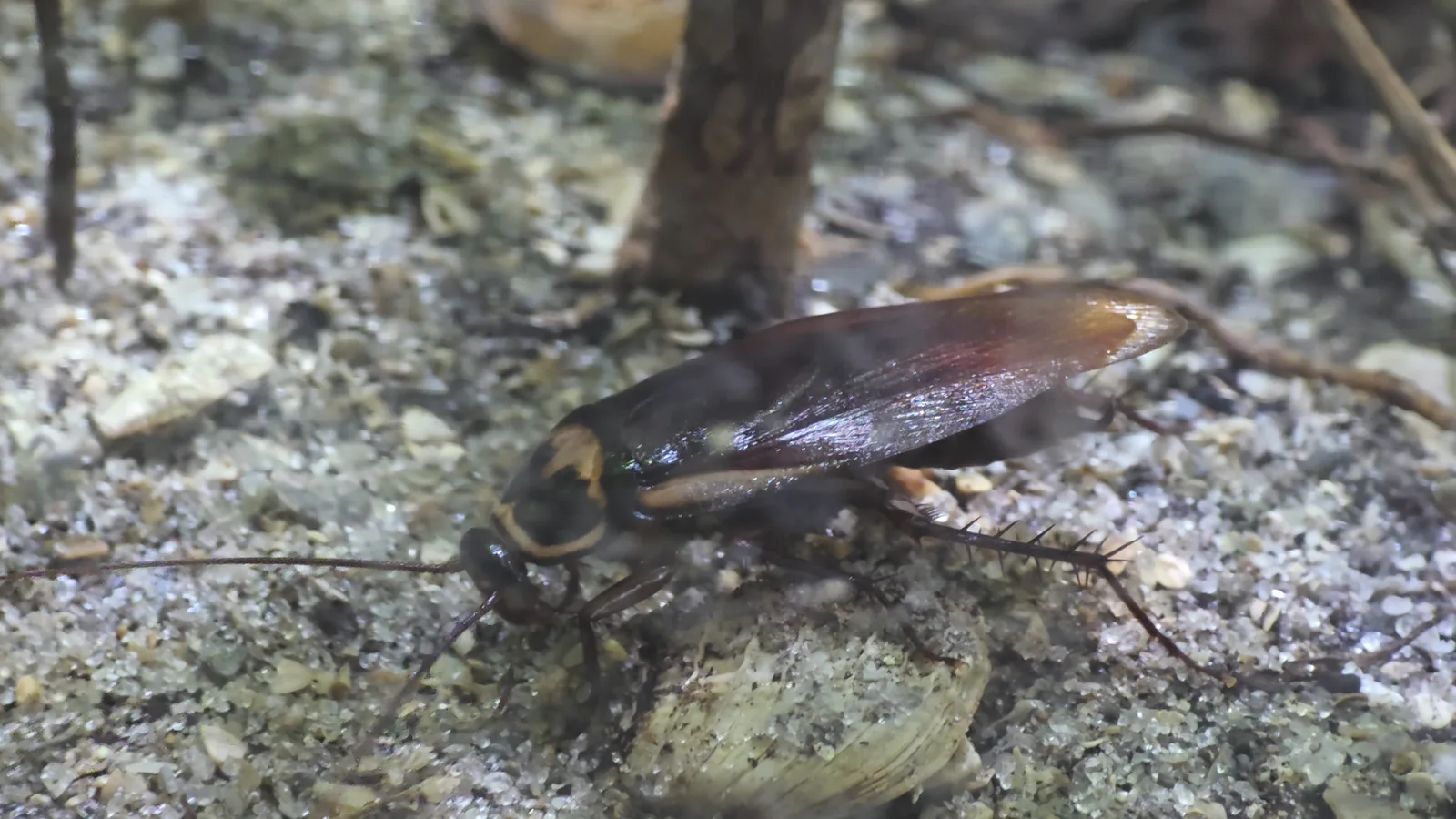
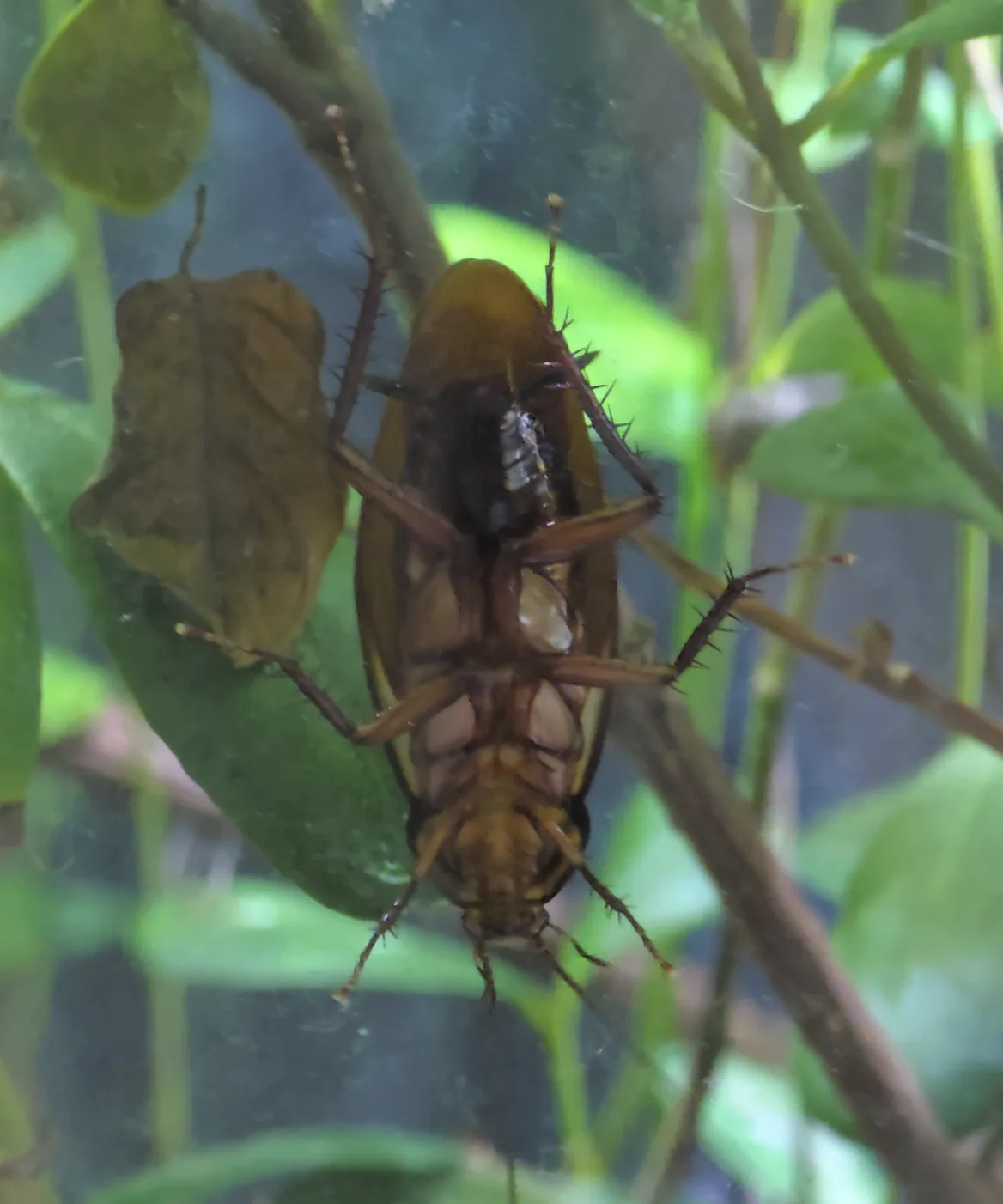
A large reddish-brown cockroach with yellow edges on its wings, foraging in Mangrove Forest leaf litter and decaying woody debris; despite its common name, Validiblatta australasiae has no special connection to Australia and is a common outdoor species throughout South Florida.

Visual Data Unavailable

Overview

A large reddish-brown cockroach with yellow edges on its wings, foraging in Mangrove Forest leaf litter and decaying woody debris; despite its common name, the Australian cockroach has no special connection to Australia and is a common outdoor species throughout South Florida. A single individual is documented; no observation confirms current presence.

Identity

  • Common name: Australian Cockroach
  • Alternate names: aussie roach, tawny cockroach, periplaneta australasiae (former name), water bug (misidentified)
  • Scientific name: Validiblatta australasiae
  • Identification confidence: Species-level (Validiblatta australasiae); common name and physical description are species-specific
  • Uncertainty label: Observed

Taxonomy

  • Kingdom: Animalia
  • Phylum: Arthropoda
  • Class: Insecta
  • Order: Blattodea
  • Family: Blattidae
  • Genus: Validiblatta
  • Species: Validiblatta australasiae (Fabricius, 1775)

Natural History

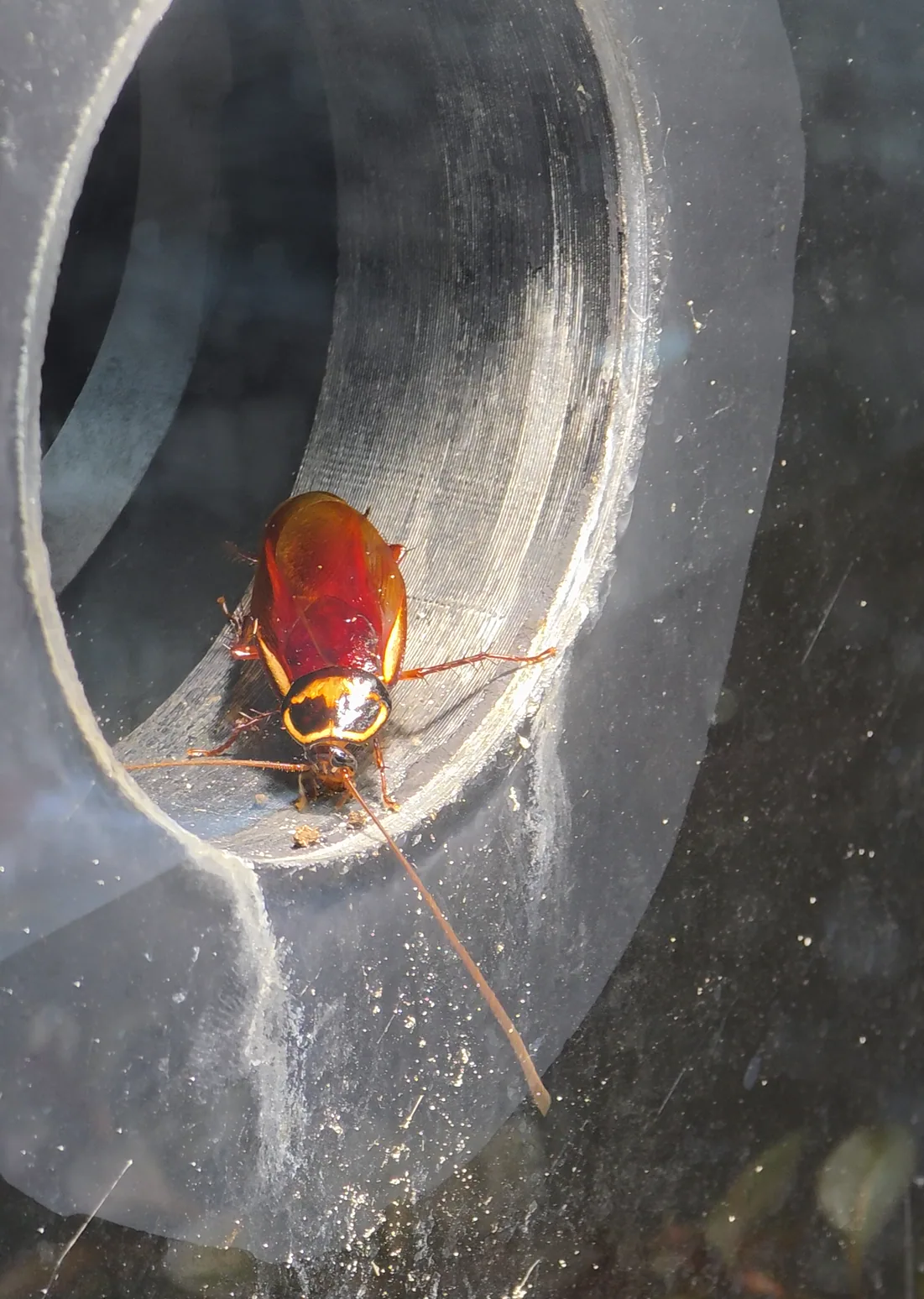
Validiblatta australasiae (Australian cockroach) is a large (35 to 40 mm), reddish-brown cockroach with a distinctive yellow band along the front margin of the pronotum and yellow spots along the outer edges of the forewings. These yellow markings reliably distinguish it from the superficially similar American cockroach (Periplaneta americana), which lacks the yellow markings. Both species are common in South Florida outdoor environments.

Despite the common name, V. australasiae almost certainly did not originate in Australia. It was first described from specimens collected there, but the species is now understood to be of African or South Asian origin, dispersed worldwide through the trade routes of the 17th and 18th centuries. It is now established throughout the tropics and subtropics.

In Florida, V. australasiae is primarily an outdoor species, found in leaf litter, mulch piles, woodpiles, decaying woody debris, under tree bark, in palm crowns, and in mangrove forests. It is more commonly found outdoors than indoors compared to the German cockroach (Blattella germanica) and is associated with humid, shaded microhabitats with abundant decaying plant matter. It is an active flier at night.

The Australian cockroach is a detritivore and opportunistic omnivore. It feeds primarily on decaying plant material, leaf litter, fungi, bark, and organic debris. It will also consume living plant tissue, algae, and small amounts of animal matter when available.

Reproduction follows the Blattidae pattern: females produce oothecae (egg cases) containing 22 to 24 eggs each. Females carry the ootheca briefly and then deposit it in a protected location. Eggs hatch as nymphs that pass through 7 to 10 instars before reaching adulthood. Development from egg to adult takes approximately 12 months or more under typical subtropical conditions.

Ecological Role

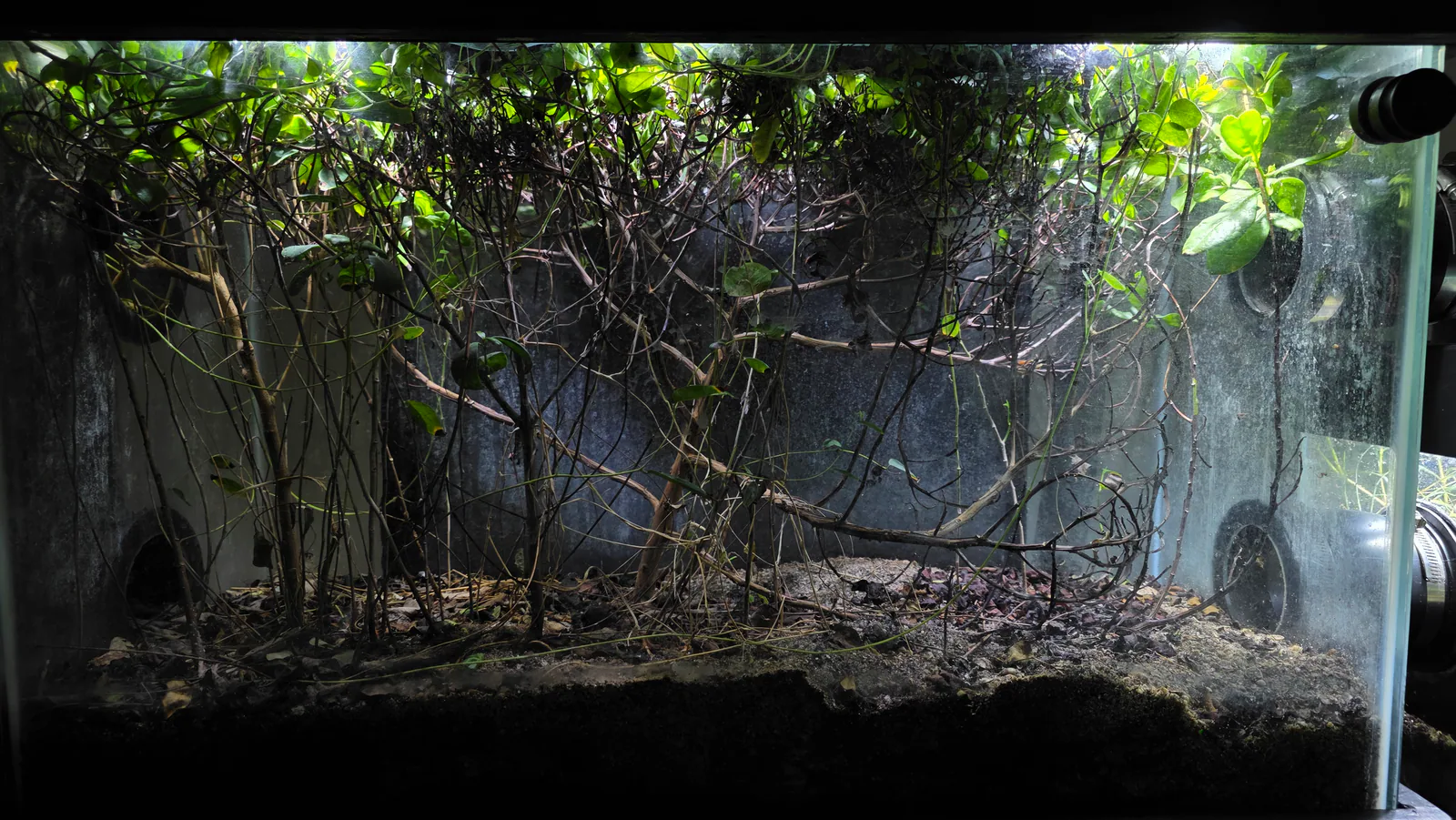
In the Mangrove Forest, Australian Cockroach functions as a detritivore processing leaf litter and decaying woody material. Red mangrove leaf litter (from Red Mangrove ID 55, Black Mangrove ID 57, White Mangrove ID 56) accumulates in the Mangrove Forest floor and represents the primary organic input available to detritivores. P. australasiae would share this detrital resource with Surinam Cockroach (confirmed breeding in Mangrove Forest), Florida Woods Cockroach, Woodlouse, and Caribbean Hermit Crab, which are all confirmed or probable detritivores in the Mangrove Forest.

miniBIOTA Evidence

Introduction context: No introduction event is recorded. P. australasiae is common in South Florida and likely self-colonized through natural dispersal (flight or crawling from adjacent outdoor areas). No introduction date, source, or method is on file.

Observation timeline:

  • No dedicated observation records have been located for the Australian Cockroach. A population count of 1 is on record, suggesting a single individual was noted, but no specific observation has been found.

Confirmed:

  • Species node exists for Australian Cockroach in the Mangrove Forest; species-level identification as Validiblatta australasiae from common name and physical description

Inferred:

  • Detritivory on mangrove leaf litter and decaying woody material in the Mangrove Forest, inferred from P. australasiae biology and the Mangrove Forest detrital resource base

Unknown:

  • Whether Australian Cockroach is currently present in the Mangrove Forest
  • When and how a single individual was noted (no observation date on file)
  • Whether P. australasiae and Surinam Cockroach share the Mangrove Forest habitat simultaneously