Nostoc sp. (unidentified)

Nostoc

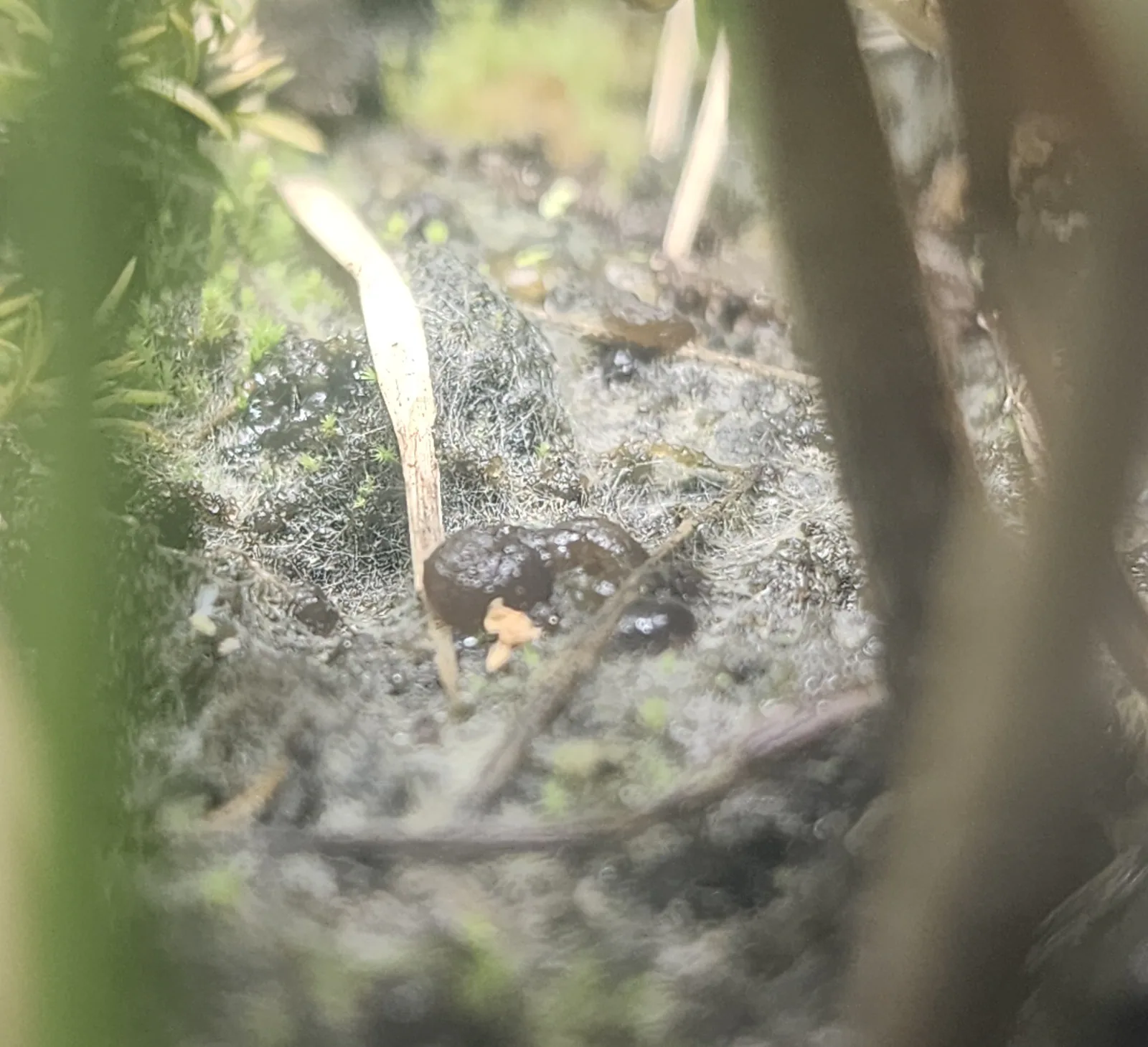
A nitrogen-fixing cyanobacterium of the Lowland Meadow, Nostoc forms dark gelatinous spheres visible on moist soil after rain; known across cultures as star jelly and thunder eggs, these colonies can dry to a thin crust and rehydrate within hours.

Visual Data Unavailable

Overview

A nitrogen-fixing cyanobacterium of the Lowland Meadow, Nostoc forms dark gelatinous spheres visible on moist soil after rain; known across cultures as star jelly and thunder eggs, these colonies can dry to a thin crust and rehydrate within hours. No dedicated observation record has been found in the miniBIOTA observation records.

Identity

  • Common name: Nostoc
  • Alternate names: star jelly, witch's butter (misidentified), thunder eggs, mare's eggs, fallen stars, toad's nests, nostoc ball, jelly algae
  • Scientific name: Nostoc sp. (unidentified)
  • Identification confidence: Genus-level (Nostoc); common name is also the genus name; the gelatinous colonial terrestrial form is diagnostic
  • Uncertainty label: Observed

Taxonomy

  • Kingdom: Bacteria (Eubacteria)
  • Phylum: Cyanobacteria
  • Class: Nostocophyceae
  • Order: Nostocales
  • Family: Nostocaceae
  • Genus: Nostoc
  • Species: Unidentified

Natural History

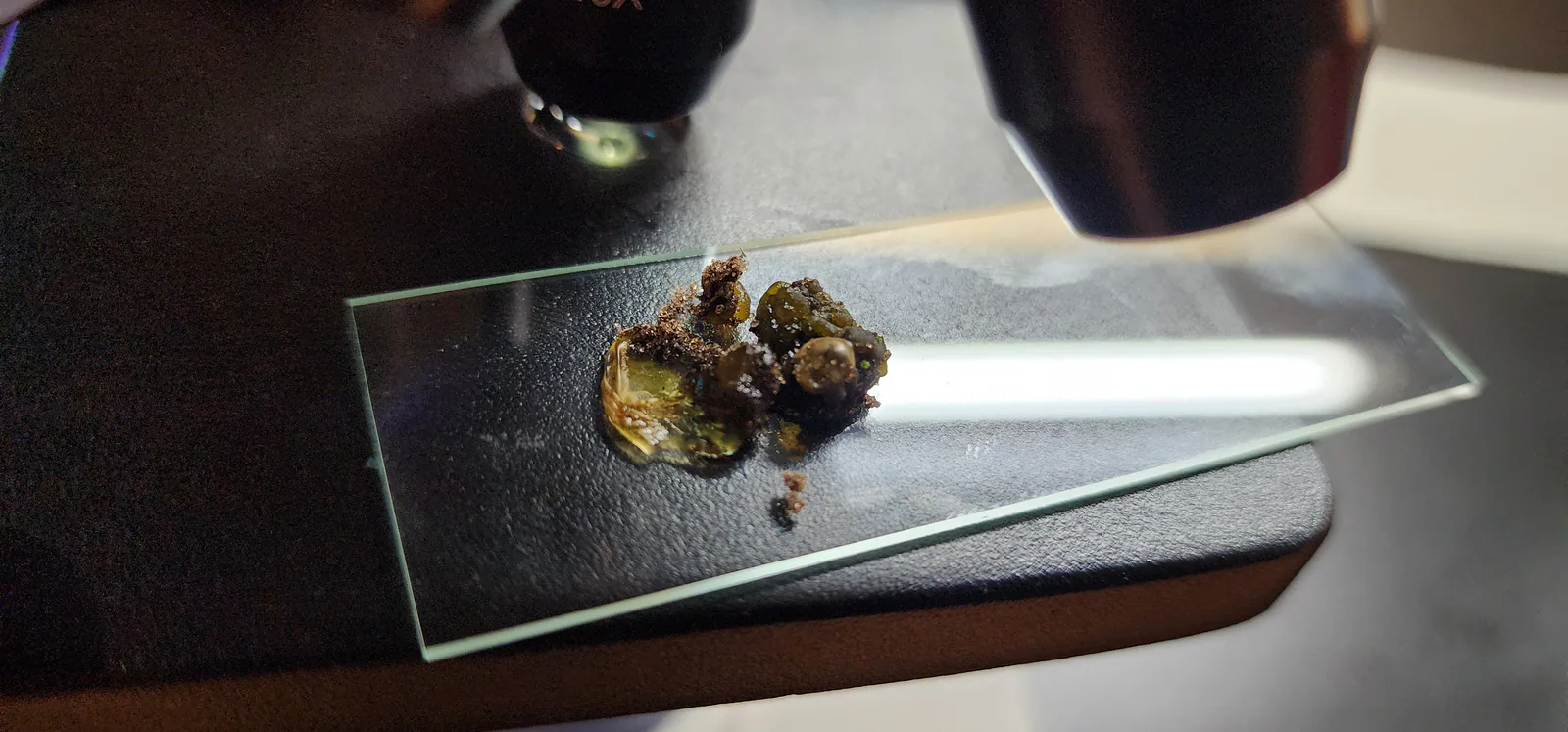
Nostoc is a genus of colonial cyanobacteria (prokaryotes, not true algae) known for forming macroscopic gelatinous colonies visible to the naked eye. The colonies are typically dark green to olive-brown when moist, appearing as globose spheres, irregular masses, or flat sheets on moist soil, rocks, or other surfaces. When dry, Nostoc colonies collapse into a thin, dark, paper-like crust that can survive complete desiccation for months or years; when rewetted, the colony rehydrates and swells back to its gelatinous form within hours. This reversible desiccation tolerance is one of Nostoc's most distinctive biological properties.

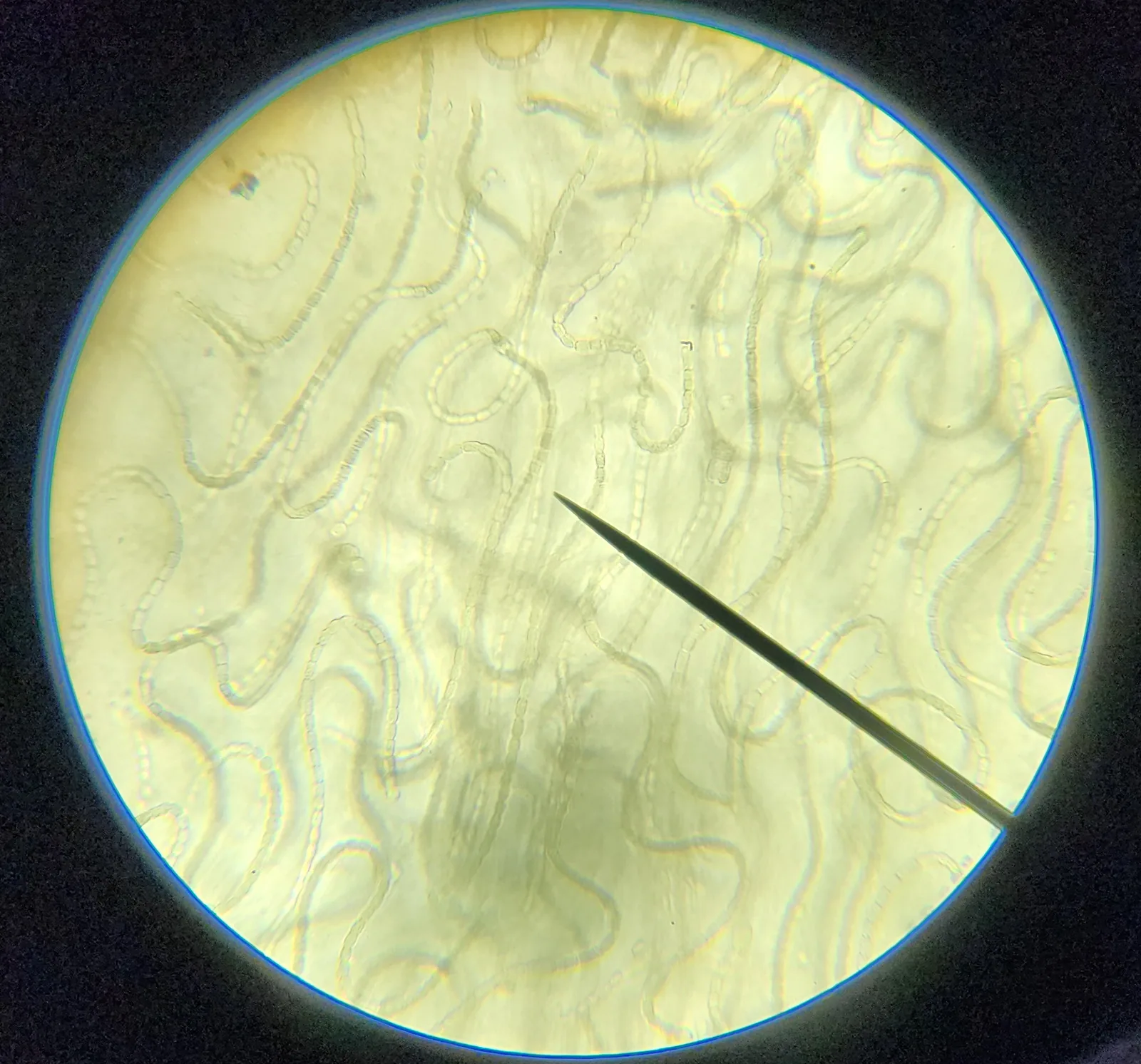
Nostoc is a diazotroph: it fixes atmospheric nitrogen gas (N2) into biologically usable ammonia (NH3) through heterocysts, specialized thick-walled cells distributed along the filaments within the colony. Heterocysts maintain the microaerobic internal environment required for nitrogen fixation by nitrogenase, which is inactivated by oxygen. This makes Nostoc an important contributor to soil nitrogen in terrestrial habitats, particularly on bare or disturbed soil where competing vegetation is sparse.

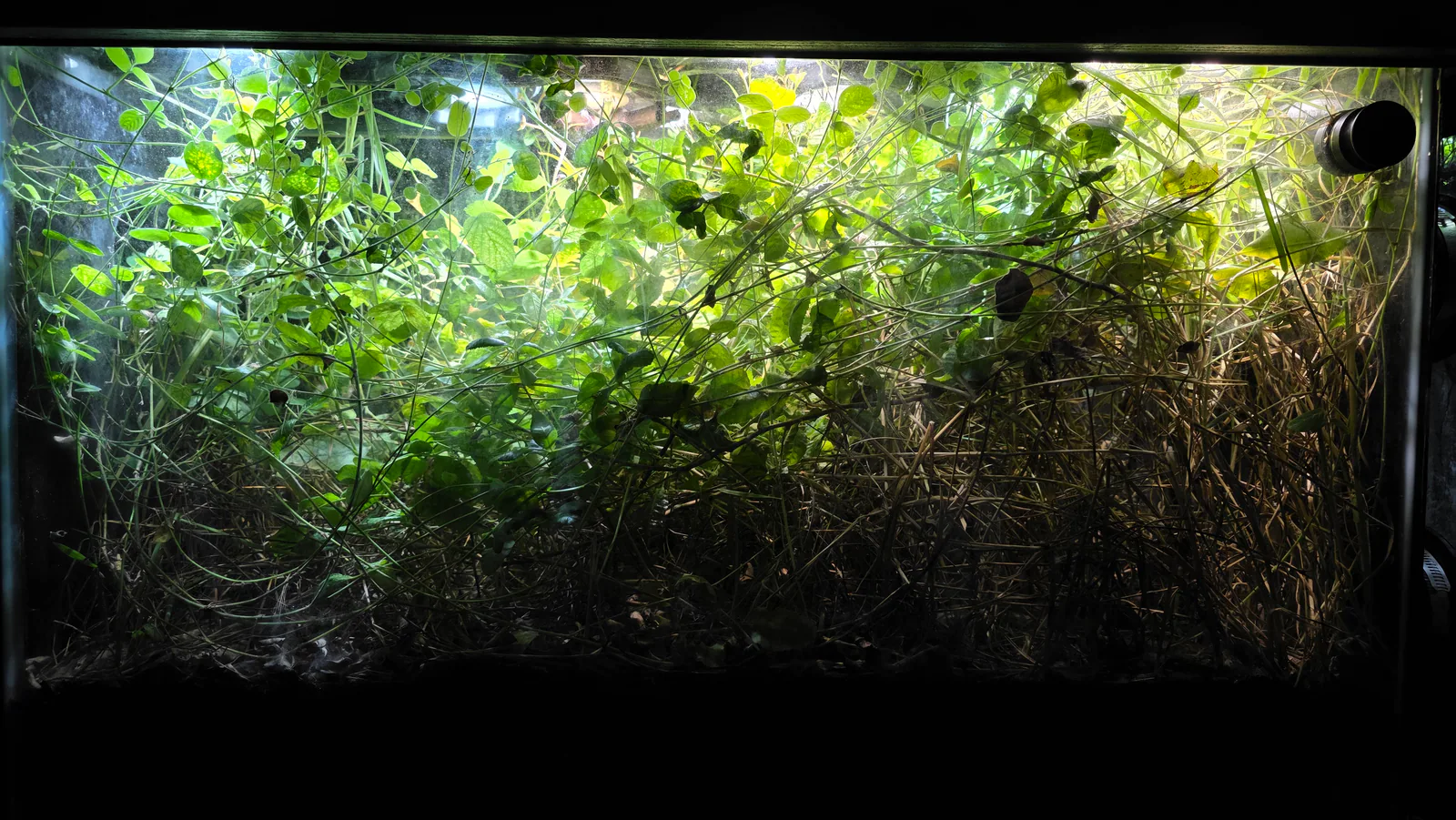
In South Florida, Nostoc grows on bare or disturbed moist soil, on compacted ground, on the soil surface in grassland depressions, and at the edges of wet meadow margins. It is most visible after rain, when the gelatinous colonies swell and expand on the soil surface. The Lowland Meadow provides suitable habitat: moist, open, or disturbed soil with seasonal rainfall and open ground. Species-level identification requires microscopy of filament morphology and heterocyst spacing; genus-level identification from colonial form, common name, and terrestrial moist soil habitat is reliable.

The folk names attached to Nostoc (star jelly, thunder eggs, fallen stars, witch's butter, mare's eggs, toad's nests) span many cultures and centuries. In most of these traditions, the mysterious gelatinous masses appearing on the ground after rain were attributed to supernatural causes: fallen stars, meteorite residue, witch activity, or animal byproducts. The actual identity as a cyanobacterium was established in early modern botany. "Witch's butter" is most properly applied to the yellow bracket fungus Tremella mesenterica; when observers call Nostoc "witch's butter," they are misidentifying it.

Ecological Role

In the Lowland Meadow, Nostoc functions as a photosynthetic primary producer and atmospheric nitrogen fixer. It contributes fixed carbon to the soil organic matter pool as cells age and die, and contributes biologically available nitrogen to the Lowland Meadow soil through heterocyst-based nitrogen fixation. In grassland and meadow ecosystems, Nostoc and other cyanobacteria in biological soil crusts are recognized as significant nitrogen-input pathways on moist, bare, or disturbed soil. The presence of Nostoc colonies in the Lowland Meadow represents a potential source of new fixed nitrogen that benefits the surrounding plant and invertebrate community.

miniBIOTA Evidence

Introduction context: No introduction event is recorded. Nostoc is a natural colonizer of moist terrestrial soil; no introduction date, source, or method is on file.

Observation timeline:

  • No dedicated observation records have been found in the miniBIOTA observation records for Nostoc.

Confirmed:

  • Species node exists for Nostoc in the Lowland Meadow; genus-level identification from common name and colonial form description

Inferred:

  • Photosynthesis and nitrogen fixation in the Lowland Meadow, inferred from Nostoc biology and Lowland Meadow biome assignment

Unknown:

  • Whether Nostoc colonies are currently present in the Lowland Meadow
  • Which Nostoc species is present (species-level identification requires microscopy)
  • Colony size, density, and distribution