Oxalis corniculata

Creeping Woodsorrel

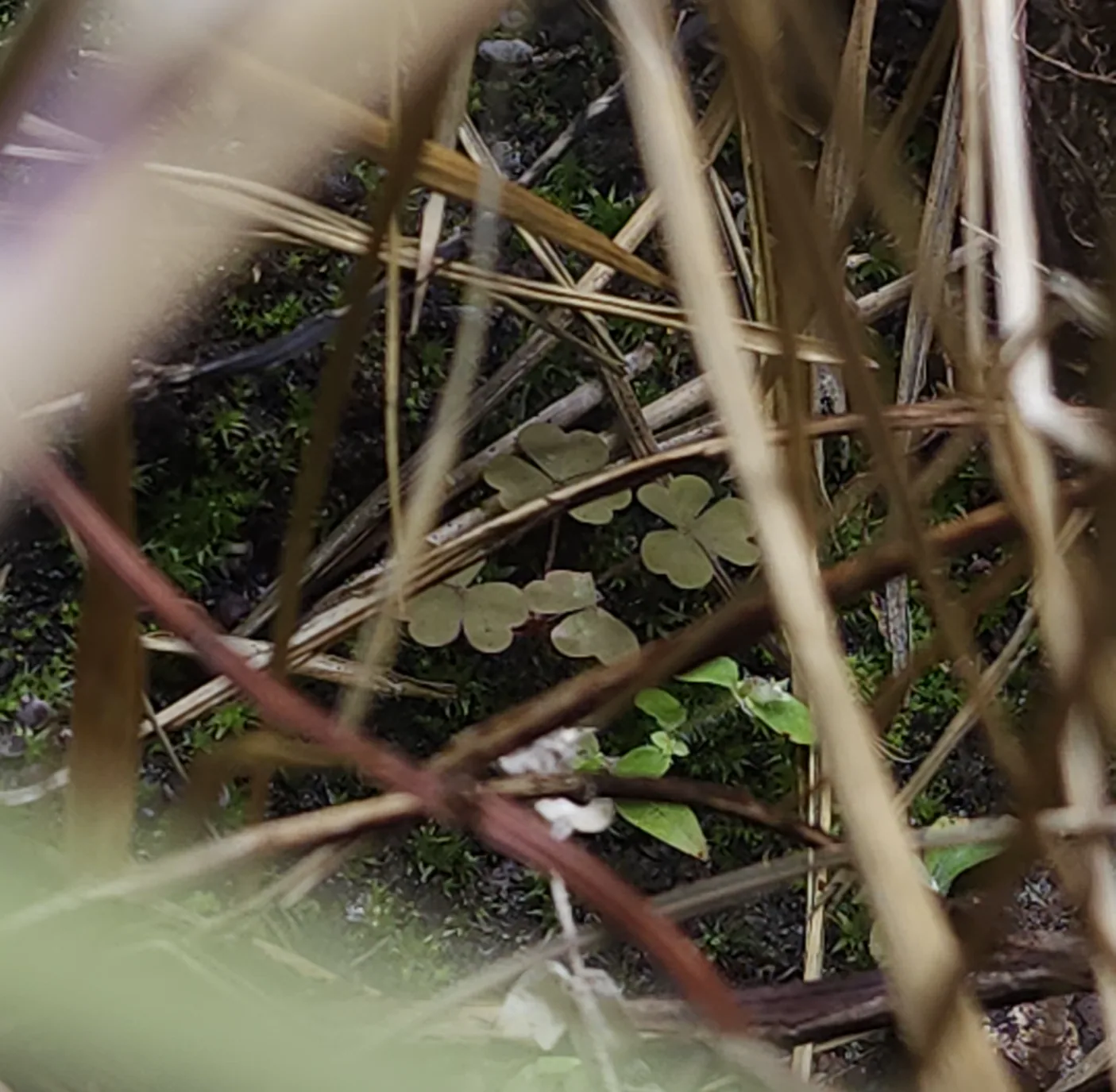
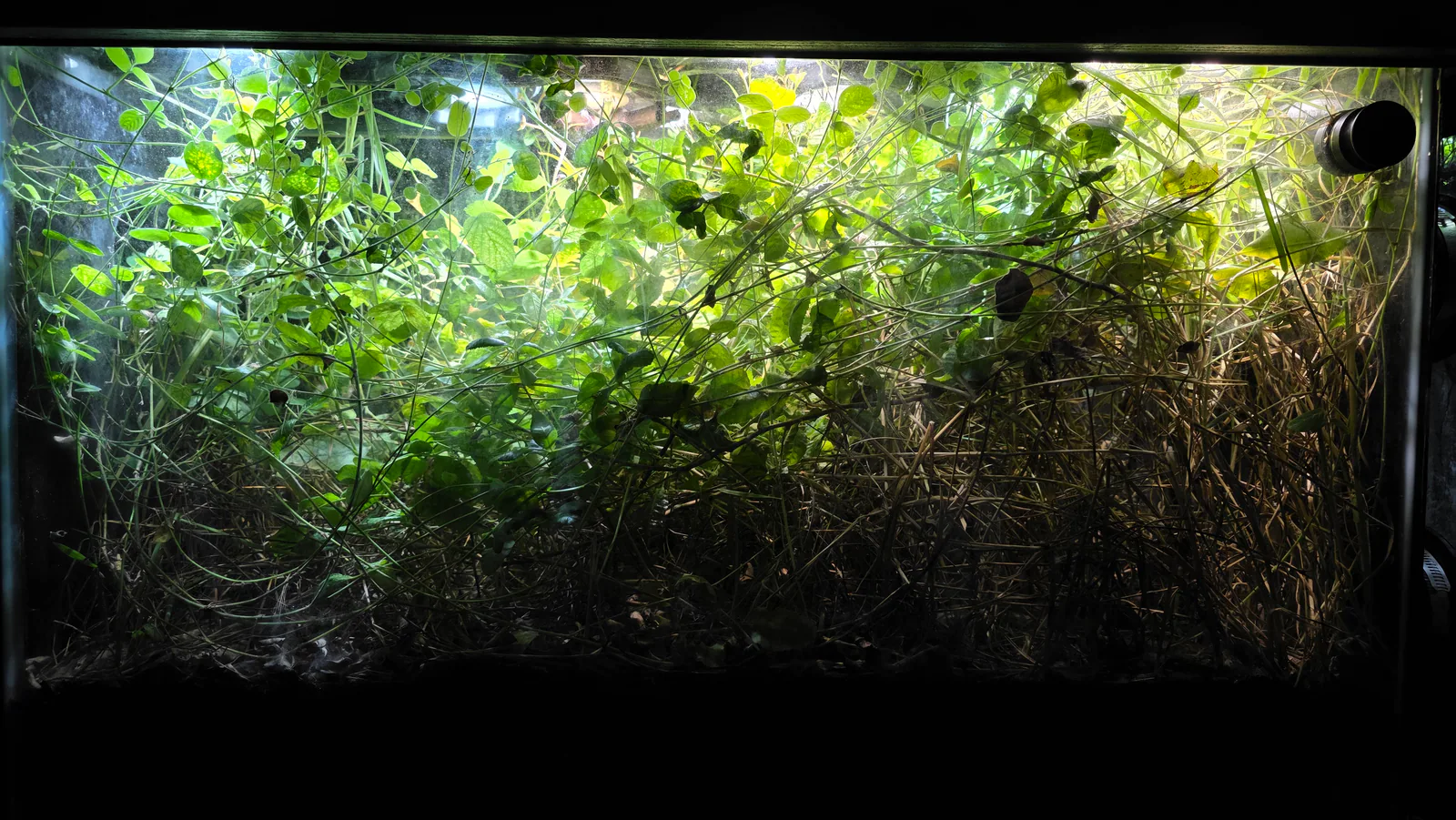
Found creeping along the Lowland Meadow floor with clover-like trifoliate leaves and small yellow flowers, this pantropical weed self-colonized the system in April 2025 and spreads by explosive seed capsules and node-rooting stems.

Visual Data Unavailable

Overview

A pantropical weed that self-colonized the Lowland Meadow in April 2025, initially mistaken for clover by the observer; its trifoliate heart-shaped leaves, yellow flowers, and creeping ground-hugging habit are characteristic of Oxalis corniculata, one of the most widespread small weeds in the world.

Identity

  • Common name: Creeping Woodsorrel
  • Alternate names: yellow woodsorrel, creeping oxalis, wood sorrel, creeping shamrock, yellow oxalis, sourgrass
  • Scientific name: Oxalis corniculata
  • Identification confidence: Species level. Oxalis corniculata is the standard identification for a small, low-growing, trifoliate herb with yellow flowers found in Florida garden soils and disturbed substrates. The common name "Creeping Woodsorrel" is essentially unambiguous for this species in South Florida. No specimen-level microscopy was recorded.
  • Uncertainty label: Observed

Taxonomy

  • Kingdom: Plantae
  • Phylum: Tracheophyta
  • Class: Magnoliopsida
  • Order: Oxalidales
  • Family: Oxalidaceae
  • Genus: Oxalis
  • Species: O. corniculata

Natural History

Oxalis corniculata is a small annual or perennial herb in the wood sorrel family (Oxalidaceae). It is one of the most widely distributed weed species in the world, found across tropical, subtropical, and warm temperate regions on every inhabited continent. In South Florida, it is a ubiquitous volunteer in lawns, garden beds, sidewalk cracks, potted plants, and any moist disturbed soil with adequate light.

Morphology and Growth Habit

The plant grows low to the ground with slender creeping stems that root at the nodes as they spread. Leaves are compound, with three heart-shaped (obcordate) leaflets on a long petiole, resembling clover in general outline but without the white chevron markings characteristic of white Dutch clover. Flowers are small, five-petaled, and yellow. Pigmentation varies: high-light plants tend toward reddish-purple tints in the stems and leaf undersides, while shaded plants remain green throughout.

Sour Chemistry

All parts of the plant accumulate oxalic acid, giving the leaves, stems, and flowers a distinctly sour taste and making "sourgrass" a widely used common name. The oxalic acid is not harmful in incidental quantities but can be problematic for animals that graze heavily on the plant.

Nyctinasty

O. corniculata displays nyctinasty: the leaflets fold downward at night and reopen in daylight. The same folding response occurs when the plant is touched or exposed to intense heat. This movement is driven by turgor pressure changes at the base of each leaflet and is visible without magnification.

Reproduction

The plant reproduces primarily by seed. Each ripe seed capsule is torpedo-shaped and explosively ejects its seeds when touched, a mechanism called ballistic seed dispersal; seeds scatter several centimeters to a meter from the parent plant. The plant also spreads vegetatively via the creeping, node-rooting stems. Seeds are persistent in the soil and can germinate over an extended period after dispersal.

Ecological Context

In natural and garden settings, O. corniculata is primarily a competitor for light and soil space in disturbed substrates. It functions as a low-growing photosynthetic primary producer; fallen leaves and stem material contribute to the detrital base. It is grazed by a range of generalist invertebrate herbivores. In miniBIOTA's Lowland Meadow, the plant self-colonized a closed terrestrial substrate and functions as a small-scale ground-cover producer on the meadow floor.

Ecological Role

In the Lowland Meadow, Creeping Woodsorrel functions as a low-growing photosynthetic producer and ground-cover plant on the meadow floor. Its modest size and creeping habit place it in the understory plant layer beneath taller grasses and herbs. Fallen leaves, stem fragments, and seed capsules contribute to the detrital base accessible to soil detritivores including Earthworm and Springtail. The explosive seed dispersal mechanism allows rapid local spread from a single founding plant if substrate conditions remain favorable.

miniBIOTA Evidence

Introduction

Not deliberately introduced. Oxalis corniculata is a pantropical weed that routinely self-colonizes any moist disturbed soil with adequate light. Entry into miniBIOTA probably occurred via windblown seed or in soil or potting mix associated with another plant introduction. The April 6, 2025 observation is the first and only documented record.

Observation Timeline

  • April 6, 2025: Creeping Woodsorrel observed growing spontaneously in the Lowland Meadow habitat. Observer initially mistook it for clover due to the similar trifoliate leaf form. Listed as a new species for miniBIOTA at the time of observation. No media was recorded.

What Is Confirmed

  • Creeping Woodsorrel observed growing spontaneously in the Lowland Meadow on April 6, 2025.
  • Observer initially identified the plant as clover; corrected to Creeping Woodsorrel.
  • Self-colonized; not deliberately introduced.

What Is Inferred

  • Entry via windblown seed or soil associated with another introduction is the most plausible pathway.
  • The plant may persist in the Lowland Meadow substrate if soil moisture and light conditions are adequate; no follow-up observation confirms or denies persistence.

What Remains Unknown

  • Whether Creeping Woodsorrel is still present in the Lowland Meadow.
  • Whether it has spread to a larger colony, or declined after the single April 2025 observation.
  • Whether herbivorous invertebrates in the system feed on it.