
Blaberus discoidalis

Discoid Roach

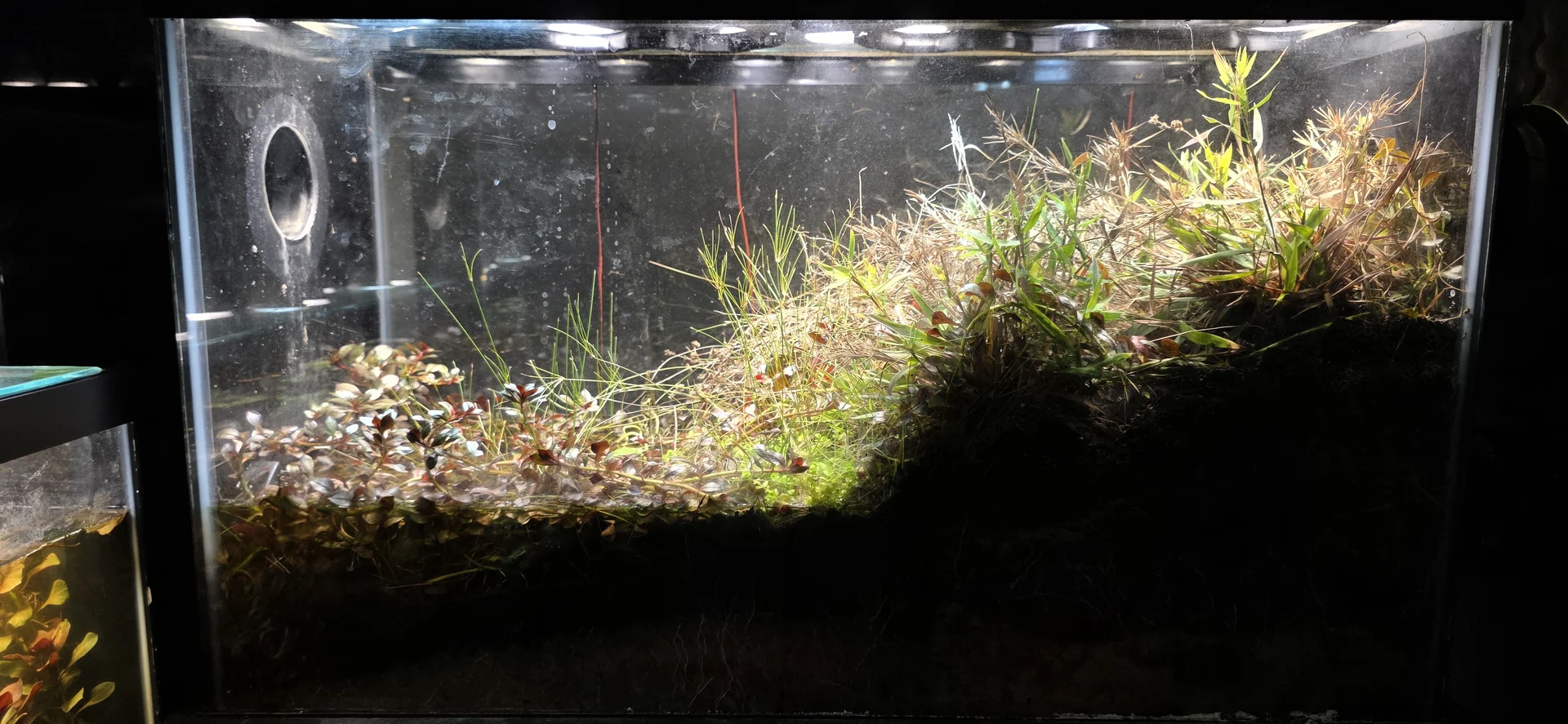
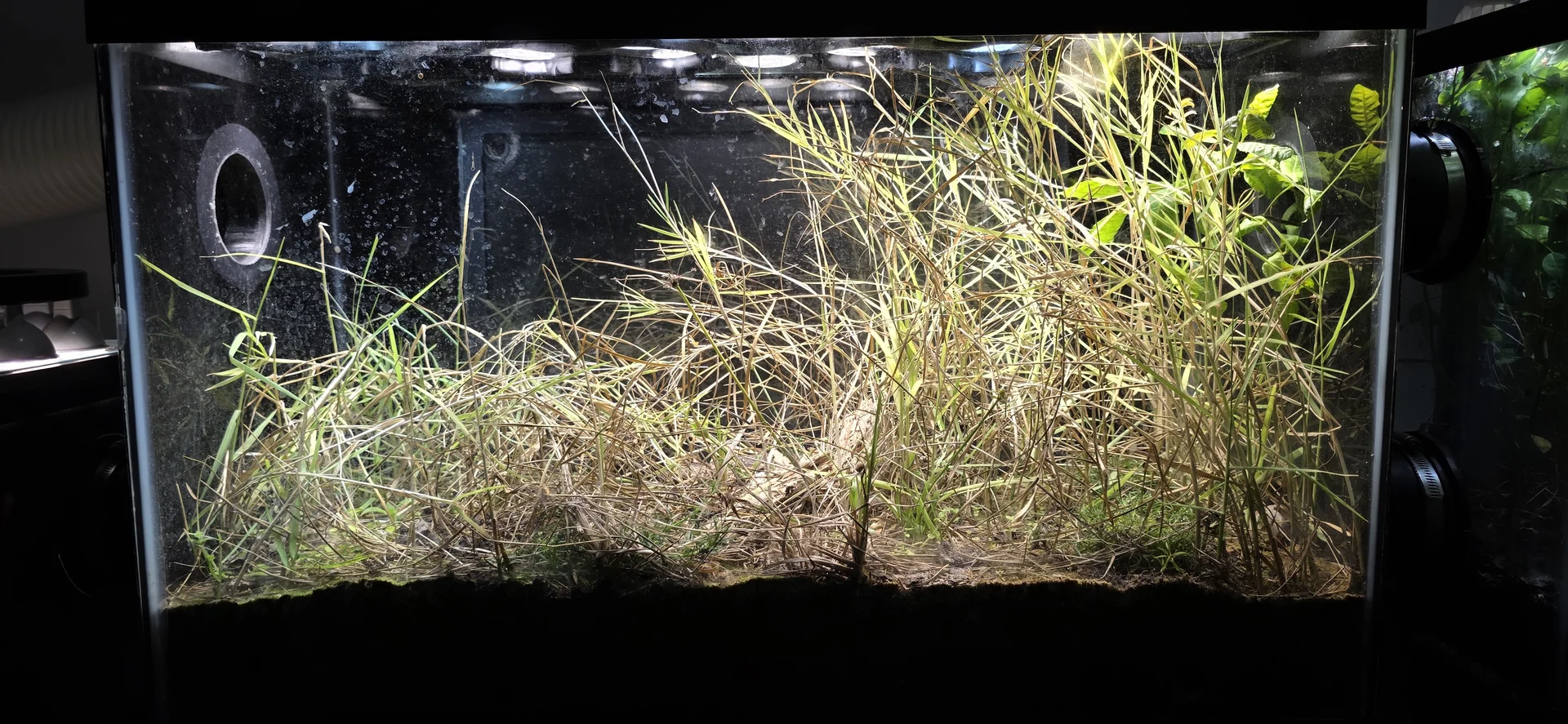
Three Discoid Roaches occupied the early Lowland Meadow in 2023, each night filing in single procession from their daytime resting spot to the Lakeshore to feed on the canopy of the Broadleaf Plant; at least two individuals appear to have hatched in the system, and no observations have been recorded since September 2023.
Visual Data Unavailable

Overview

Three Discoid Roaches occupied the early miniBIOTA Lowland Meadow during August and September 2023, each night filing in single procession from their daytime resting spot to the Lakeshore shoreline to feed on the canopy of the Broadleaf Plant. At least two individuals appear to have hatched in the system. No observations have been recorded since September 9, 2023.

Identity

  • Common name: Discoid Roach
  • Alternate names: discoid cockroach, feeder roach
  • Scientific name: Blaberus discoidalis
  • Identification confidence: Genus/species tentative. All observation records use the label "Dubia roach or Discoid roach," indicating that the live observations did not establish species-level identity. Blaptica dubia (Dubia Roach) and Blaberus discoidalis (Discoid Roach) are visually similar Blaberidae kept widely in South Florida; no morphological examination or photographic record was taken. The Discoid Roach designation should be treated as tentative.
  • Uncertainty label: Observed

Taxonomy

  • Kingdom: Animalia
  • Phylum: Arthropoda
  • Class: Insecta
  • Order: Blattodea
  • Family: Blaberidae
  • Genus: Blaberus (tentative)
  • Species: B. discoidalis (tentative)

Natural History

Blaberus discoidalis is a large Neotropical cockroach native to Central America and the Caribbean, commonly kept throughout Florida as a feeder insect for reptile and amphibian collections. Adults range from 35 to 45 millimeters in length and are dark brown with a pale-edged pronotum. Unlike some Blaberidae, both sexes carry wings but are flightless; the wings serve as a thermoregulatory and display structure rather than a flight organ.

Behavior

Discoid Roaches are nocturnal foragers. In natural settings they spend daylight hours sheltered in dark crevices, under bark, or in leaf litter, emerging at night to forage over a home range. Group behavior is common: individuals in a colony tend to rest together and move in coordinated patterns. The September 9, 2023 miniBIOTA observation captured a distinctive version of this grouping behavior, with three individuals traveling from the Lowland Meadow to the Lakeshore in single file, "one traveling exactly where the other had just been," before feeding on the Broadleaf Plant canopy.

Diet

Blaberus discoidalis is an omnivore. In feeder colony settings it consumes fruits, vegetables, leaf litter, dry organic matter, and protein supplementation. In natural and semi-natural environments it forages on decaying organic matter, plant foliage, fungal material, and opportunistic animal matter. The miniBIOTA observations document direct consumption of live plant foliage at the Lakeshore, confirming that living plant material was an active dietary target rather than incidental contact.

Reproduction

Blaberus discoidalis is ovoviviparous. Females form an ootheca internally, carry the eggs through most of development, and release the egg case shortly before hatching, so nymphs emerge quickly. Nymphs hatch mobile and with pale coloration; they molt through approximately 6 to 7 instars over 5 to 6 months before reaching adult size. This reproductive mode means colonies can establish from a small number of individuals in a short timeframe.

Ecological Role

In miniBIOTA, Discoid Roach functioned as a nocturnal omnivore bridging the Lowland Meadow and Lakeshore zones. By sheltering in the dry terrestrial habitat during the day and traveling to the Lakeshore at night to feed, the colony moved biomass and nutrient signals between two biomes. The Broadleaf Plant canopy served as a primary food source, making the roaches an active consumer of living shoreline vegetation. If the colony persisted into 2024 or later without further observation, it would have continued to process leaf litter and organic debris in the Lowland Meadow ground layer.

miniBIOTA Evidence

Introduction

Not documented. The August 28, 2023 observation records two individuals described as "born there" in the Lowland Meadow, implying that adults or late-stage nymphs were introduced before the earliest observation date and that hatching occurred in the system. No deliberate introduction record is on file.

Observation Timeline

  • August 28, 2023: Two individuals observed in the Lowland Meadow, described as "born there." The terrestrial habitat is noted as "almost entirely devoid of life" except for these roaches. Behavioral note: they prefer the dry terrestrial habitat during the day but travel to the Lakeshore every night to eat from shoreline vegetation.
  • September 9, 2023: Count corrected to three individuals, not two. Observed during their nightly march: the three roaches emerged from their daytime resting spot and traveled to the Lakeshore in single file to feed on the canopy of the Broadleaf Plant. Movement described as "slow and deliberate, one traveling exactly where the other had just been." Broadleaf Plant confirmed as food source.

What Is Confirmed

  • Two to three individuals present in the Lowland Meadow in August and September 2023.
  • Nocturnal single-file movement from the Lowland Meadow to the Lakeshore, each night, to feed on the Broadleaf Plant canopy.
  • Movement described as slow and deliberate, following a consistent path.
  • At least two individuals appeared to have hatched in the system ("born there").

What Is Inferred

  • An adult was introduced to the system before August 28, 2023, and reproduction occurred before the first observation.
  • The colony used a fixed daytime resting spot in the Lowland Meadow and a fixed nightly foraging site at the Lakeshore.
  • The count increase from 2 to 3 between August 28 and September 9 likely reflects either a missed individual on the first count or a third nymph reaching observable size during that period.

What Remains Unknown

  • Whether the colony persisted in miniBIOTA after September 9, 2023.
  • Which species the individuals belong to: Blaberus discoidalis or Blaptica dubia.
  • The origin of the introduction: deliberate or accidental.
  • The sex ratio of the colony.
  • Whether additional reproduction occurred after the two observations.