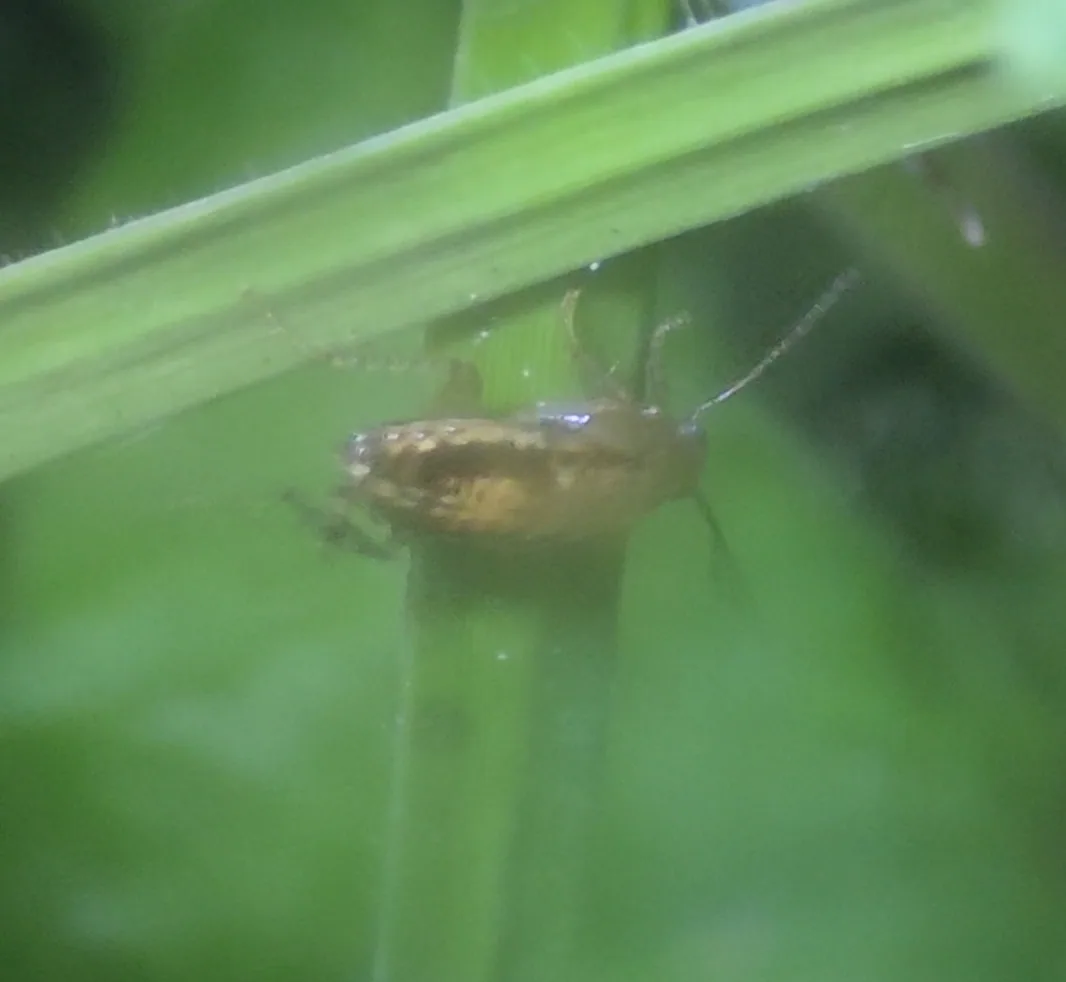
Cariblatta lutea

Small Yellow Cockroach

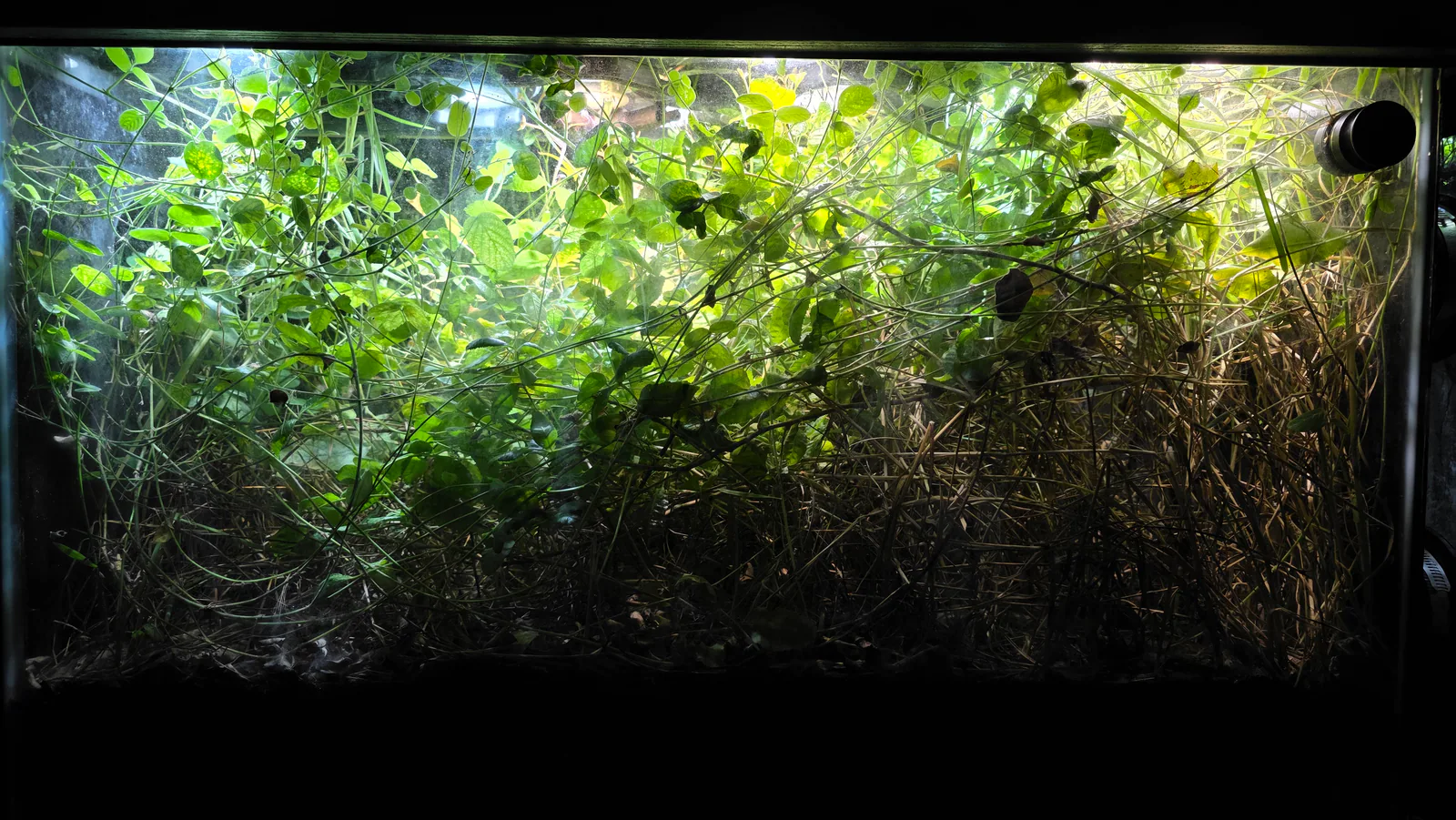
A small pale yellow cockroach in the Lowland Meadow leaf litter, introduced in October 2025; Cariblatta lutea is a native Florida woodland species and quiet detritivore at the terrestrial detrital base, foraging in decaying plant material and fungi beneath ground cover.

Visual Data Unavailable

Overview

A small pale yellow cockroach of the Lowland Meadow leaf litter, introduced in October 2025; Cariblatta lutea is a native Florida woodland species and quiet detritivore at the terrestrial detrital base, foraging in decaying plant material and fungi beneath ground cover. No archived observation record confirms current presence despite an introduction date on file.

Identity

  • Common name: Small Yellow Cockroach
  • Alternate names: yellow cockroach, yellow wood roach, wood roach
  • Scientific name: Cariblatta lutea
  • Identification confidence: Species-level (Cariblatta lutea); scientific name already on record; common name and pale yellow coloration are species-consistent
  • Uncertainty label: Observed

Taxonomy

  • Kingdom: Animalia
  • Phylum: Arthropoda
  • Class: Insecta
  • Order: Blattodea
  • Family: Ectobiidae (formerly Blattellidae)
  • Genus: Cariblatta
  • Species: Cariblatta lutea (Saussure and Zehntner, 1893)

Natural History

Cariblatta lutea (small yellow cockroach) is a small, cryptic cockroach native to the southeastern United States and a characteristic member of the leaf-litter and forest-floor invertebrate community throughout Florida and the Gulf Coast states. Adults are 6 to 9 mm long, pale yellow to yellowish-tan in color with weakly differentiated patterns; both sexes are winged, though they are not strong fliers. The pale coloration blends with dry leaf litter, providing camouflage in their primary habitat.

C. lutea is a woodland species found in leaf litter, under loose bark, in decaying wood, and among the organic debris at the base of trees and shrubs at forest edges and in wooded margins. It is primarily nocturnal, moving through leaf litter in search of decaying plant material, fungi, and organic debris. It is not a structure pest and is not associated with human dwellings.

Unlike the invasive pest cockroaches in the family Blattidae (Periplaneta, Blatta) and some Ectobiidae (the German cockroach Blattella germanica), C. lutea is a native species playing a natural detritivore role in southeastern woodland ecosystems. It is one of several Cariblatta species in the southeastern US; C. lutea is the most widespread and common.

Reproduction follows the oothecal pattern common to Blattodea: females produce an ootheca (egg case) that is carried briefly or deposited in leaf litter. Nymphs develop through multiple instars before reaching adulthood.

Ecological Role

In the Lowland Meadow, Small Yellow Cockroach functions as a leaf-litter detritivore, processing decaying plant material at the terrestrial detrital base. Its role is broadly analogous to the cockroach detritivores in the Mangrove Forest (Surinam Cockroach, Australian Cockroach, Florida Woods Cockroach) but specific to the Lowland Meadow biome. C. lutea likely shelters and forages in the accumulation of decaying plant material and fungi at the Lowland Meadow ground level, contributing to nutrient cycling.

miniBIOTA Evidence

Introduction context: An introduction date of October 2, 2025 is on file. No introduction method or source origin has been recorded.

Observation timeline:

  • October 2, 2025: introduction date on record; two individuals on record. No dedicated observation record has been located.

Confirmed:

  • Species node exists for Small Yellow Cockroach in the Lowland Meadow; species-level identification as Cariblatta lutea; introduction date October 2, 2025 on file; two individuals in population count

Inferred:

  • Leaf-litter detritivory at the Lowland Meadow ground level, inferred from C. lutea biology and Lowland Meadow biome assignment

Unknown:

  • Whether Small Yellow Cockroach is currently present in the Lowland Meadow
  • Whether the two individuals recorded persisted, reproduced, or died
  • Where the two individuals were introduced from (no source origin on file)