Neonemobius mormonius

Collared Ground Cricket

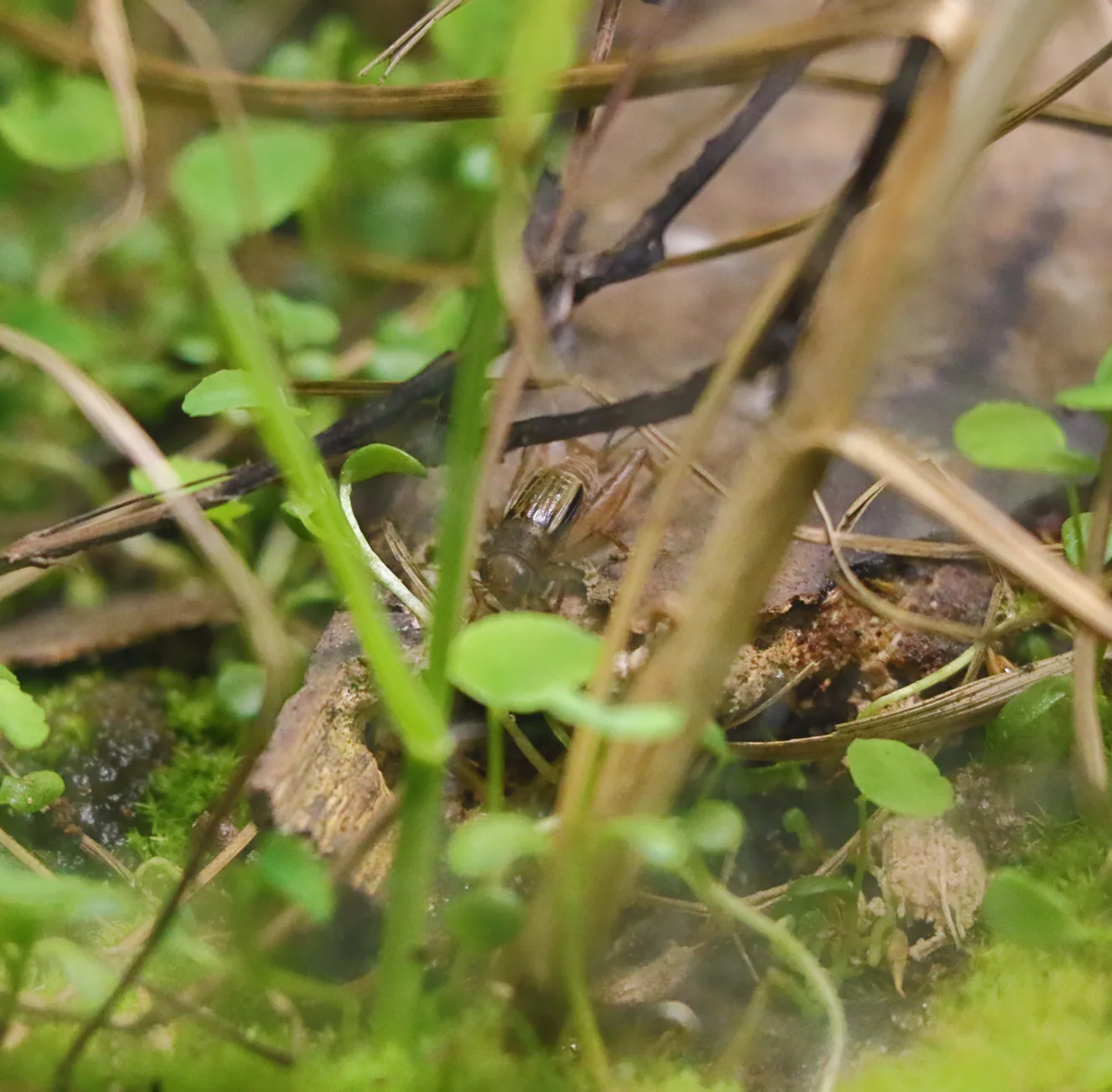
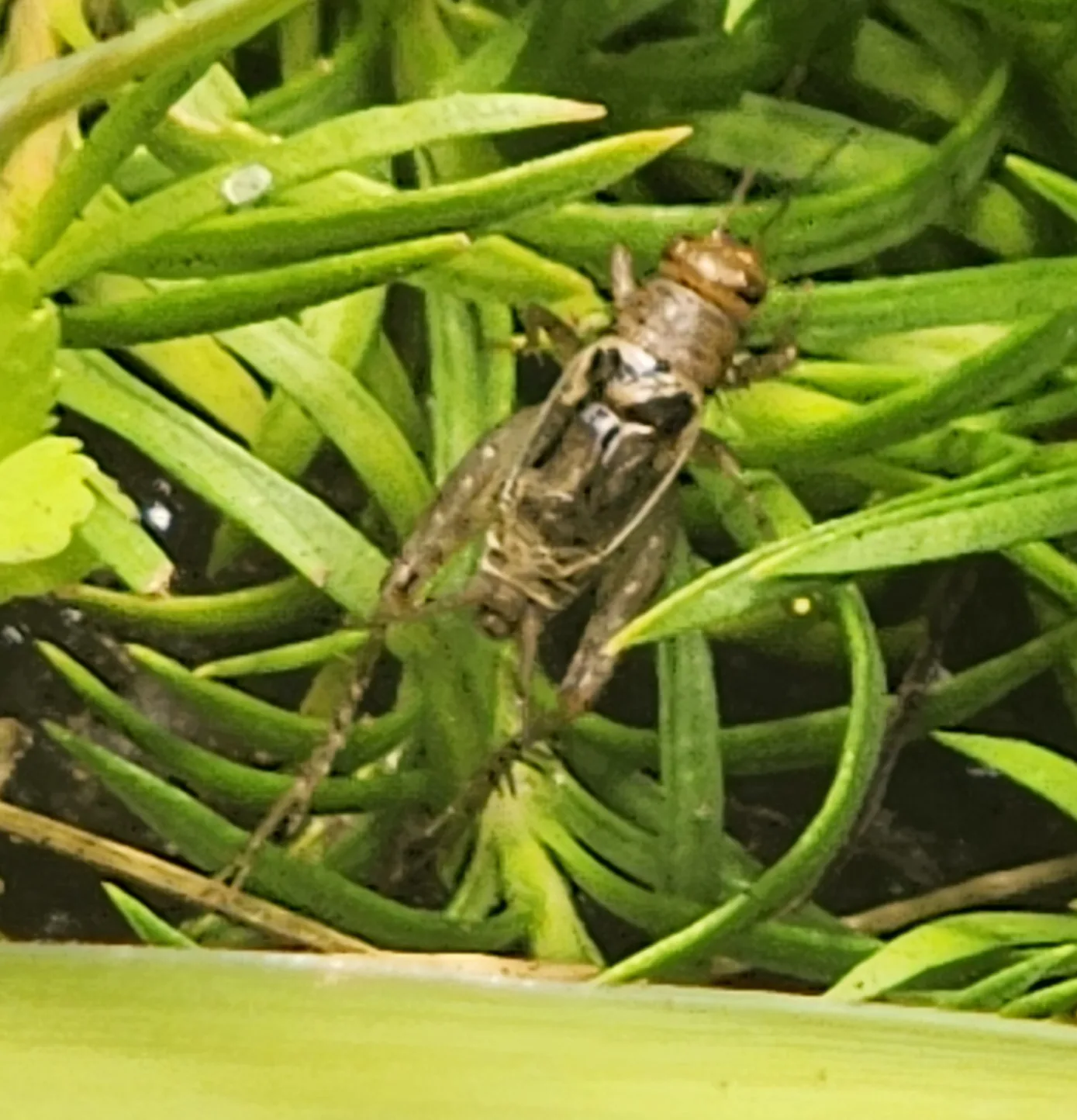
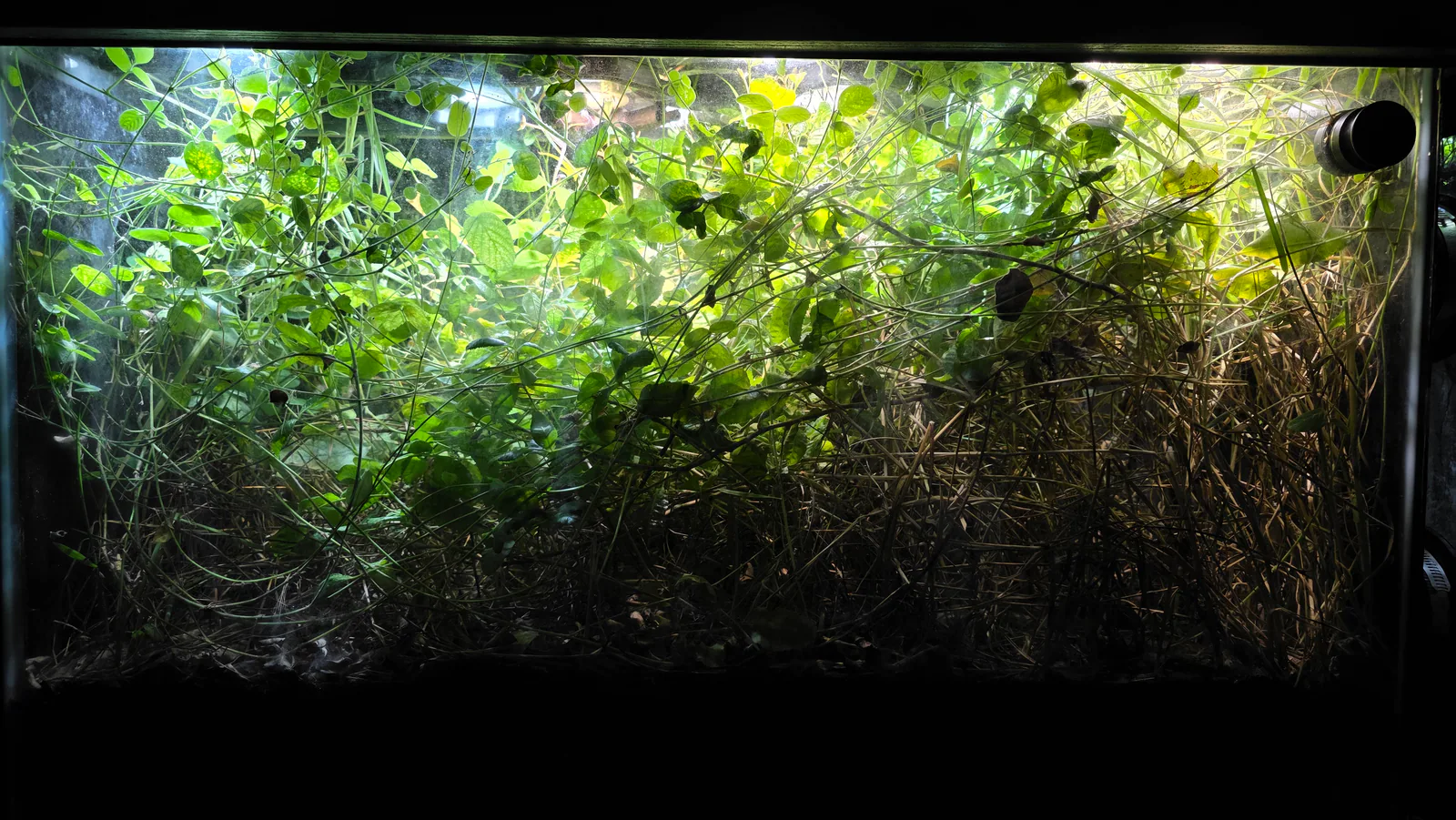
Introduced to the Lowland Meadow in February 2025 and confirmed thriving by April with dozens of second-generation nymphs across multiple biomes, this tiny pale-collared ground cricket established the first sustained multi-generational cricket population in miniBIOTA.

Visual Data Unavailable

Overview

Introduced to the Lowland Meadow in February 2025 and confirmed thriving by April with dozens of second-generation nymphs across multiple biomes, this tiny pale-collared ground cricket established the first sustained multi-generational cricket population in miniBIOTA.

Identity

  • Common name: Collared Ground Cricket
  • Alternate names: ground cricket, cricket, collared cricket, neonemobius
  • Scientific name: Neonemobius mormonius
  • Identification confidence: Species-level
  • Uncertainty label: Uncertain

Taxonomy

  • Kingdom: Animalia
  • Phylum: Arthropoda
  • Class: Insecta
  • Order: Orthoptera
  • Family: Gryllidae
  • Genus: Neonemobius
  • Species: N. mormonius

Natural History

Neonemobius mormonius is one of several small ground crickets in Family Gryllidae, widespread across the eastern United States and common throughout Florida in meadows, roadsides, and grassy disturbed habitats. At 6-9 mm, it is noticeably smaller than most Gryllus field crickets and is identified by its pale, tan-to-buff body coloration and the darker transverse collar band that crosses the pronotum just behind the head, the feature that gives it its common name.

Ground crickets of the genus Neonemobius are nocturnal-to-crepuscular. They spend most of their time in leaf litter, dense grass, and low vegetation at the meadow floor, emerging at dusk to forage and sing. Males produce a thin, continuous trilling song at night. This call pattern is distinct from the louder, more modulated song of Gryllus field crickets and allows species separation by ear in the field.

Like other omnivorous crickets, Neonemobius mormonius feeds opportunistically on seeds, plant material, soft fungi, small invertebrates, and organic detritus. In the Lowland Meadow, the available diet includes seeds from paspalum, beggarweed, and creeping primrose-willow, as well as leaf litter, decaying plant material, and any small arthropods encountered while foraging.

Female ground crickets oviposit directly into moist soil using a short ovipositor. Eggs hatch into small nymphs that pass through six to eight instars over several weeks. In Florida's warm climate, generations can overlap or cycle multiple times per year, which is consistent with the rapid population growth observed in miniBIOTA within two months of introduction.

Ecological Role

In the Lowland Meadow, the Collared Ground Cricket occupies the small omnivore niche at the soil surface: processing seeds, plant fragments, and detrital material while also representing prey for predatory arthropods (scorpions, wolf spiders, red house spiders) and any passing insectivore. The species' tendency to move through leaf litter and grass edges links the detrital food web to the insect-prey food web.

In July 2025, the Collared Ground Cricket was documented sharing the Lowland Meadow with the newly introduced Gryllus field cricket. The obs note describes "a second field cricket species observed nearby" when a large Gryllus was foraging on a grass blade. This habitat overlap may represent niche partitioning: the small-bodied Neonemobius forages in the litter and grass base while the larger Gryllus occupies more exposed surfaces.

The rapid multi-generational establishment in spring 2025, dozens of second-generation nymphs confirmed by April 3, only two months after introduction, demonstrated that the Lowland Meadow can support sustained Neonemobius reproduction. The population peak is the most ecologically significant event in this species' record in miniBIOTA.

miniBIOTA Evidence

Introduction context: The Collared Ground Cricket was introduced to the Lowland Meadow on February 4, 2025. Introduction method and source are not documented; no dedicated observation record exists for the introduction event.

Observation timeline:

  • February 4, 2025: Date of introduction; no dedicated observation file exists.
  • April 3, 2025: "Cricket second generation confirmed and thriving, dozens of individuals throughout multiple biomes, growing in size, on track to potentially establish a third generation." This observation is filed under Field Cricket in earlier records, but the Field Cricket (Gryllus sp.) was not introduced until June 11, 2025. The April 2025 thriving population of dozens of multi-biome cricket nymphs is almost certainly Neonemobius mormonius at the height of its second-generation expansion, two months after the February 4 introduction.
  • July 20, 2025: "Large field cricket observed eating a grass blade...A second field cricket species observed nearby, indicating potential habitat sharing.". By July, Gryllus field crickets had been present since June 11 and were the primary subject; the "second cricket species" is Neonemobius mormonius sharing the Lowland Meadow.
  • December 4, 2025: Listed as last recorded date in the species record. No dedicated observation record exists for this date.

Confirmed:

  • Introduced to the Lowland Meadow, February 4, 2025
  • Second generation confirmed thriving by April 3, 2025, dozens of nymphs across multiple biomes
  • Present as second cricket species in the Lowland Meadow by July 2025, coexisting with Gryllus field crickets
  • Species-level ID as Neonemobius mormonius consistent with morphology and behavior

Inferred:

  • Rapid reproductive success in spring 2025 reflects suitable conditions (temperature, humidity, food availability) in the Lowland Meadow
  • Observations filed under "Field Cricket" in observation records for April 3, 2025 and other pre-June 2025 dates most likely describe Neonemobius mormonius, since Gryllus was not yet present
  • Population decline from spring/summer 2025 peak probable, based on absence from May 2026 observation records (which only mention Gryllus and Mole Cricket)
  • Night-time calling is documented in species records; chirping was heard during the spring 2025 cricket-generation period

Unknown:

  • Whether the Collared Ground Cricket is still present in miniBIOTA as of 2026
  • Source and introduction circumstances for the February 2025 individual(s)
  • Whether the December 2025 observation confirms a survivor or represents a brief reappearance
  • Exact extent of early 2025 population spread across biomes